
 EN
EN
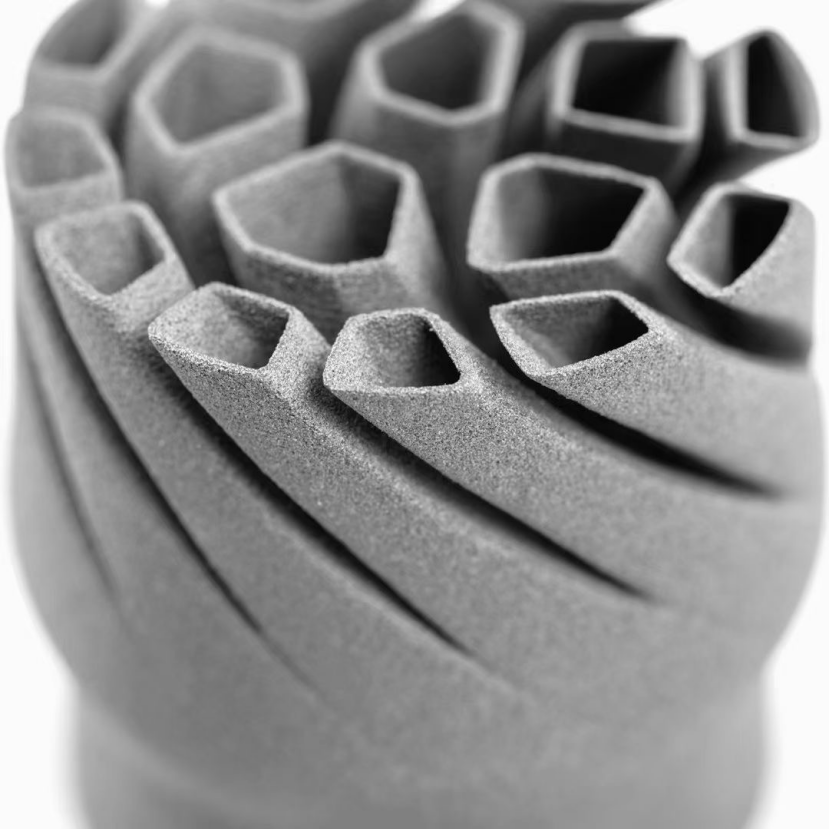
Revolutionary Advances in Additive Manufacturing Technology
The manufacturing industry is witnessing a transformative evolution with the emergence of high-speed sintering 3D printing technology. This innovative process combines the precision of traditional 3D printing with unprecedented production speeds, making it a game-changer for various industries. By utilizing infrared heat and specialized powder materials, high-speed sintering 3d printing creates robust, functional parts with remarkable efficiency.
As industries seek faster, more cost-effective production methods, this technology has emerged as a compelling solution that bridges the gap between prototyping and mass manufacturing. The process delivers exceptional quality while significantly reducing production time, making it an attractive option for businesses looking to streamline their manufacturing operations.
Core Technology and Operating Principles
Advanced Material Processing Systems
High-speed sintering 3D printing employs a sophisticated powder bed fusion process that selectively fuses polymer powder particles. The technology utilizes an inkjet print head to deposit radiation-absorbing ink onto the powder bed, followed by exposure to intense infrared heat. This unique approach allows for rapid material consolidation, resulting in solid, functional parts with excellent mechanical properties.
The system's precision control over thermal energy ensures consistent material properties throughout the printed object, while the layered construction process enables complex geometries that would be impossible with traditional manufacturing methods. The combination of infrared heating and specialized inks creates a highly efficient sintering process that dramatically reduces production time.
Material Compatibility and Properties
The versatility of high-speed sintering 3d printing extends to its broad material compatibility. The technology works with various polymer powders, including nylon, thermoplastic polyurethane, and other engineering-grade materials. These materials undergo careful selection and optimization to ensure they meet specific performance requirements while maintaining processability at high speeds.
Enhanced material properties such as durability, heat resistance, and chemical stability make parts produced through this method suitable for demanding applications. The technology's ability to maintain material integrity while processing at high speeds represents a significant advancement in additive manufacturing capabilities.
Industrial Applications and Use Cases
Automotive Manufacturing Solutions
The automotive industry has embraced high-speed sintering 3d printing for producing functional components and prototypes. From interior trim pieces to complex mechanical parts, the technology enables rapid production of durable components that meet stringent industry standards. Manufacturers can iterate designs quickly and move from prototype to production with minimal tooling changes.
The ability to produce lightweight yet strong parts has particularly benefited electric vehicle manufacturers, who constantly seek ways to optimize vehicle weight and performance. The technology's speed and precision make it ideal for both small production runs and mass customization of automotive components.
Aerospace and Defense Implementation
Aerospace companies utilize high-speed sintering 3d printing to manufacture complex components with specific performance requirements. The technology's ability to produce lightweight, high-strength parts makes it particularly valuable for aircraft and spacecraft applications. From interior cabin components to specialized tooling, the process delivers consistent quality while meeting strict industry regulations.
Defense contractors leverage this technology for rapid prototyping and production of specialized equipment components. The speed and flexibility of the process enable quick response to changing requirements while maintaining the highest standards of quality and reliability.
Economic Benefits and Production Efficiency
Cost Reduction Advantages
High-speed sintering 3d printing offers significant cost benefits compared to traditional manufacturing methods. The elimination of expensive tooling and molds reduces initial investment costs, while the efficient use of materials minimizes waste. The technology's ability to produce parts on-demand helps companies reduce inventory costs and optimize their supply chain operations.
The automated nature of the process reduces labor costs while maintaining consistent quality across production runs. Companies can achieve better resource utilization and lower per-part costs, especially for medium to large production volumes.
Production Timeline Optimization
One of the most compelling advantages of high-speed sintering 3d printing is its ability to compress production timelines. The technology enables rapid transition from design to final product, reducing time-to-market for new products. Manufacturing facilities can respond quickly to changing market demands and customer requirements without lengthy retooling periods.
The parallel processing capabilities of modern high-speed sintering systems allow for efficient batch production, further enhancing throughput and productivity. This increased efficiency translates to faster delivery times and improved customer satisfaction.
Environmental Impact and Sustainability
Material Waste Reduction
High-speed sintering 3d printing contributes to environmental sustainability through its efficient use of materials. The additive nature of the process means that material is only used where needed, significantly reducing waste compared to subtractive manufacturing methods. Unused powder can be recycled and reused in subsequent print jobs, further minimizing environmental impact.
The technology's ability to produce optimized designs with minimal material usage aligns with growing environmental consciousness in manufacturing. Companies can reduce their carbon footprint while maintaining production efficiency and quality standards.
Energy Efficiency Considerations
Modern high-speed sintering 3d printing systems incorporate energy-efficient technologies that optimize power consumption during the manufacturing process. The precise control over thermal energy ensures that power is used effectively, while advanced system designs minimize heat loss and maximize energy utilization.
The localized nature of the sintering process reduces the overall energy required compared to traditional manufacturing methods that often require heating entire molds or tools. This efficiency contributes to both environmental sustainability and operational cost savings.
Future Developments and Industry Trends
Technology Advancement Projections
The future of high-speed sintering 3d printing looks promising, with ongoing research and development focusing on expanding material capabilities and further increasing production speeds. Innovations in thermal management and process control are expected to enable even faster processing times while maintaining or improving part quality.
Integration of artificial intelligence and machine learning algorithms is anticipated to enhance process optimization and quality control, leading to smarter and more efficient manufacturing systems. These advances will continue to expand the technology's applications across various industries.
Market Growth and Adoption Patterns
Industry analysts predict significant growth in the adoption of high-speed sintering 3d printing technology across global manufacturing sectors. As more companies recognize the benefits of this technology, investment in research and development is expected to accelerate, leading to new applications and improved capabilities.
The technology's ability to enable distributed manufacturing and rapid response to market demands positions it as a key enabler of Industry 4.0 initiatives. This trend is expected to drive continued innovation and expansion of high-speed sintering applications.
Frequently Asked Questions
What materials can be used in high-speed sintering 3D printing?
High-speed sintering 3D printing works with a range of polymer powders, including nylon, thermoplastic polyurethane, and other engineering-grade materials. The technology continues to expand its material compatibility as new formulations are developed and tested for specific applications.
How does high-speed sintering compare to traditional manufacturing methods?
High-speed sintering offers several advantages over traditional manufacturing, including reduced tooling costs, faster production times, and greater design flexibility. The technology enables the production of complex geometries while maintaining high quality and consistency, often at lower overall costs for medium to large production runs.
What are the primary maintenance requirements for high-speed sintering systems?
Regular maintenance of high-speed sintering systems includes powder handling system cleaning, infrared lamp inspection, print head maintenance, and build chamber calibration. Proper maintenance ensures consistent part quality and optimal system performance while minimizing downtime and extending equipment life.