3D Printer Farm: Advanced Manufacturing Solutions for Scalable Production

All Categories

Get a Free Quote

Our representative will contact you soon.
Email
Name
Company Name
Message
0/1000

3d printer farm business

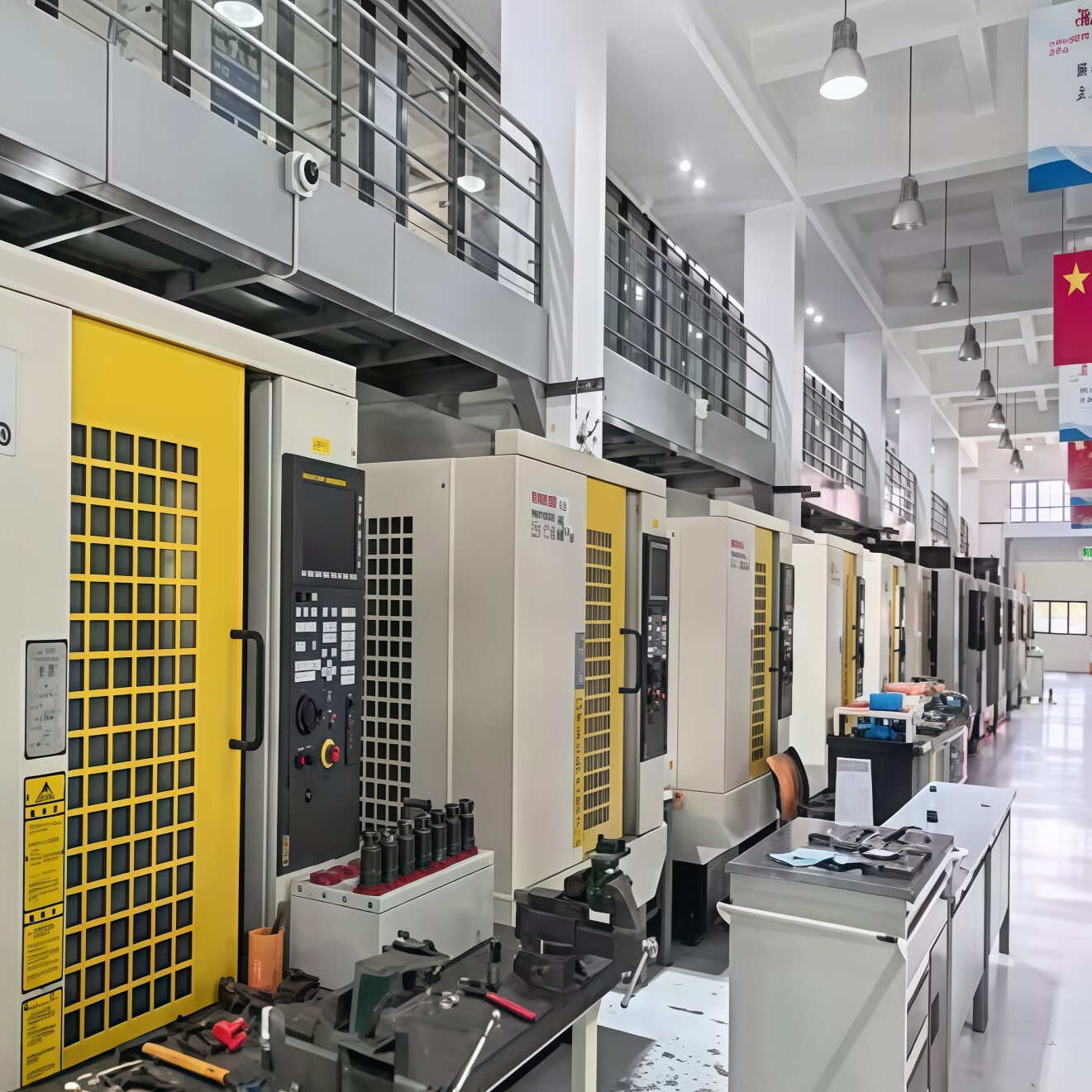
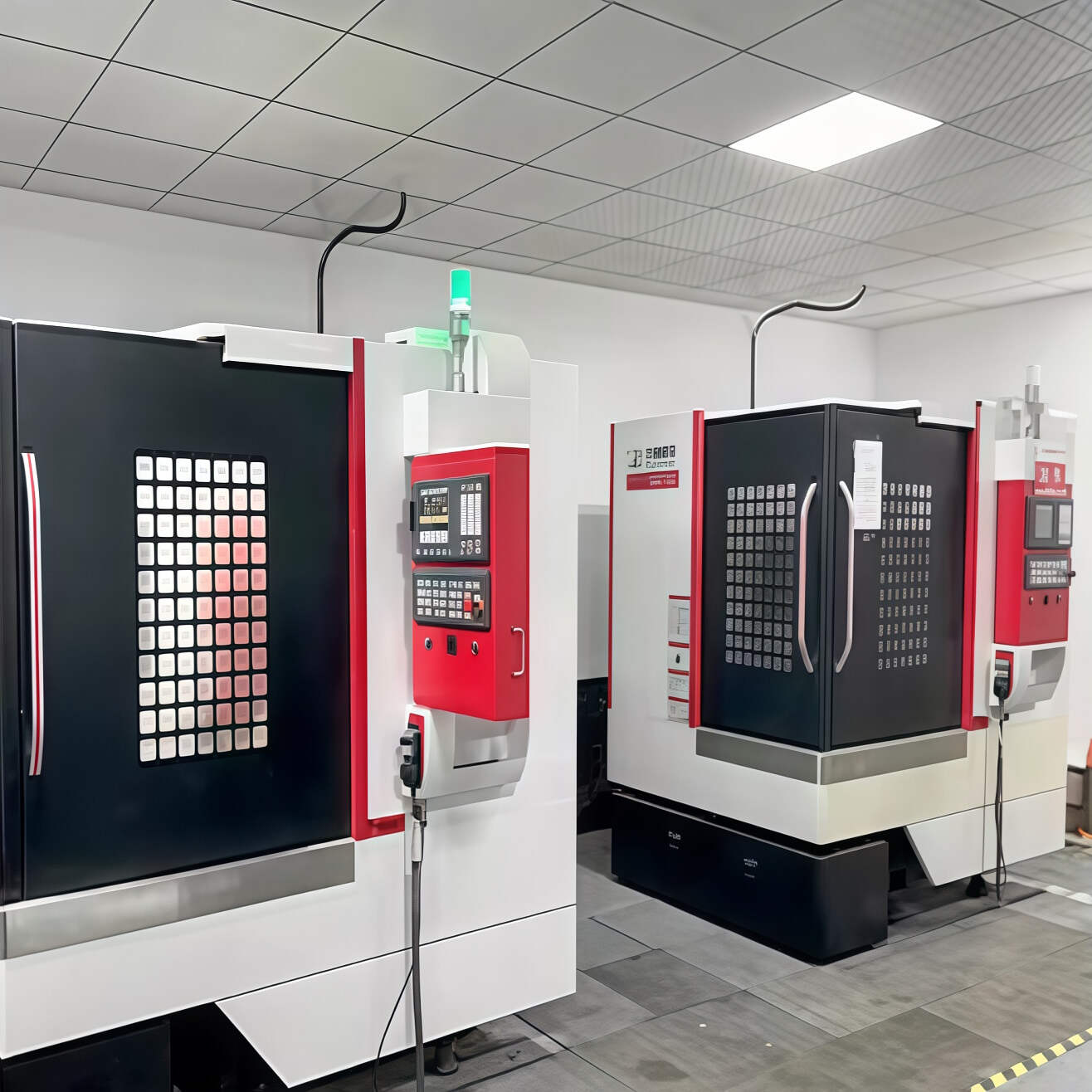
A 3D printer farm business represents a modern manufacturing solution that leverages multiple 3D printers operating simultaneously to deliver scalable production capabilities. This innovative business model combines advanced additive manufacturing technology with efficient workflow management to create a powerful production hub. The facility typically houses arrays of industrial-grade 3D printers, each capable of producing different parts simultaneously, maximizing output and efficiency. These farms employ various printing technologies, including FDM (Fused Deposition Modeling), SLA (Stereolithography), and SLS (Selective Laser Sintering), to accommodate diverse customer needs. The operation is managed through sophisticated software systems that monitor printer status, maintain quality control, and optimize production schedules. 3D printer farms excel in both prototyping and small-batch production, offering customers the flexibility to scale their manufacturing needs without significant overhead costs. They provide services across multiple industries, from automotive and aerospace to medical and consumer goods, delivering custom parts, prototypes, and end-use products. The business model includes comprehensive quality assurance processes, material selection expertise, and post-processing capabilities to ensure finished products meet exact specifications.


Popular Products

3D printer farms offer numerous compelling advantages that make them an attractive option for businesses seeking manufacturing solutions. First, they provide unprecedented flexibility in production scaling, allowing customers to adjust order quantities from single prototypes to thousands of units without tooling changes or setup costs. This adaptability ensures cost-effective production regardless of volume. The distributed nature of printer farms enables parallel production, dramatically reducing lead times compared to traditional manufacturing methods. Customers benefit from rapid turnaround times, often receiving completed parts within days rather than weeks or months. The ability to use multiple materials and technologies within the same facility offers versatility in product development and production. Quality control is enhanced through automated monitoring systems and standardized processes, ensuring consistent output across all printers. The elimination of minimum order quantities makes the service accessible to both small businesses and large corporations. Cost savings are significant, as there's no need for dedicated equipment investment or specialized operator training. The digital nature of 3D printing allows for easy design modifications and iterations without additional tooling costs. Environmental benefits include reduced waste through additive manufacturing and lower transportation costs due to localized production capabilities. The business model supports just-in-time manufacturing, reducing inventory costs and storage requirements for clients. Additionally, the scalability of printer farms means they can quickly adapt to changing market demands and customer needs without significant infrastructure changes.

Practical Tips

Unlocking the Potential of SLS 3D Printing: The Role of PA12 and PA12+GF30 in Advanced Manufacturing

19

Jun

Unlocking the Potential of SLS 3D Printing: The Role of PA12 and PA12+GF30 in Advanced Manufacturing

View More
3D Printing Empowers Embodied AI: Reshaping the Paradigm of Customized, Small-Batch Production for Humanoid Robots

19

Jun

3D Printing Empowers Embodied AI: Reshaping the Paradigm of Customized, Small-Batch Production for Humanoid Robots

View More
3D Printing & Rapid Prototyping: Transforming Small-Batch, Customized Production

19

Jun

3D Printing & Rapid Prototyping: Transforming Small-Batch, Customized Production

View More

Get a Free Quote

Our representative will contact you soon.
Email
Name
Company Name
Message
0/1000

3d printer farm business

Advanced Production Management Systems

Advanced Production Management Systems

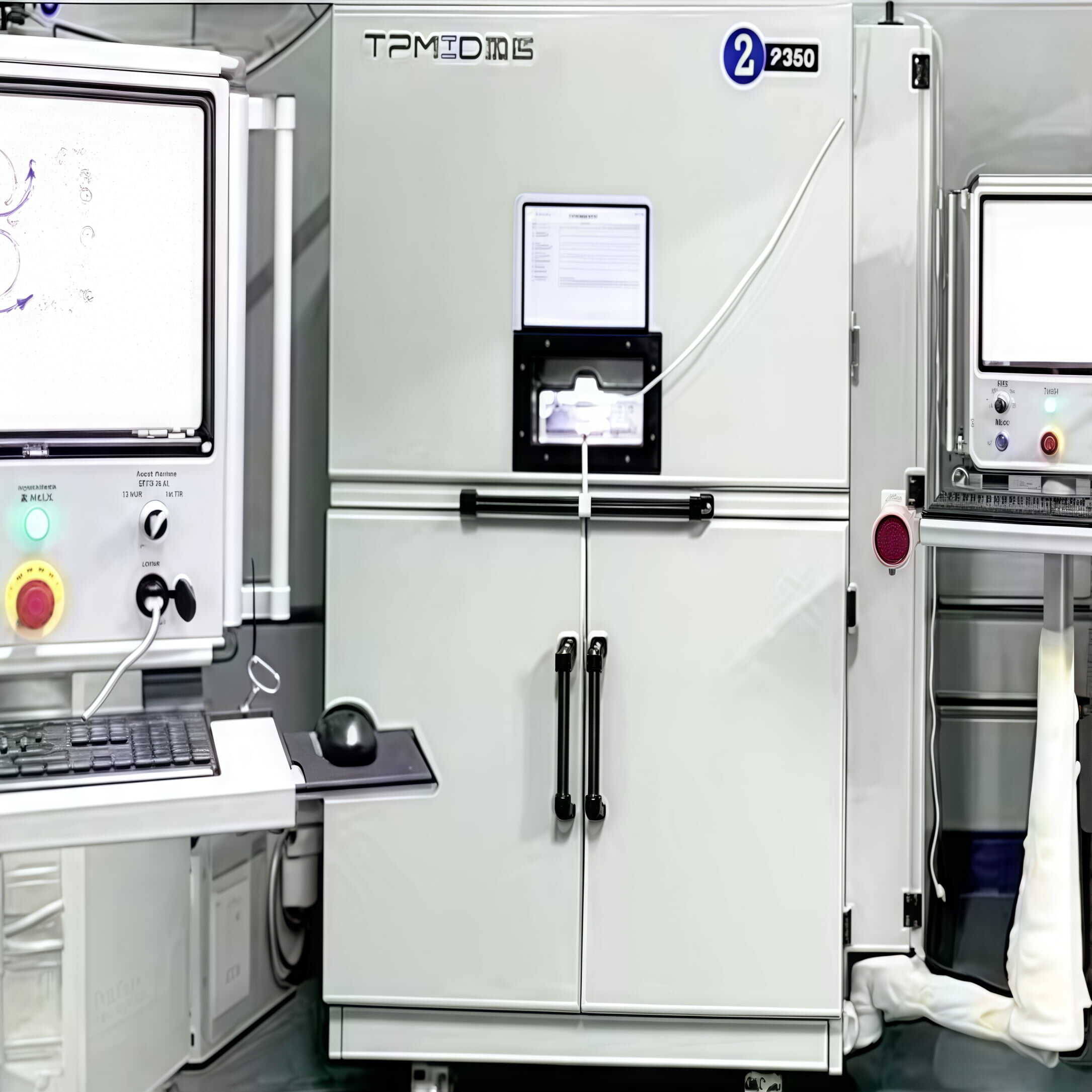
The cornerstone of successful 3D printer farms lies in their sophisticated production management systems, which coordinate and optimize the operation of multiple printers simultaneously. These systems incorporate artificial intelligence and machine learning algorithms to maximize efficiency and output quality. The software monitors each printer's performance in real-time, automatically adjusting parameters to maintain optimal printing conditions. It tracks material usage, predicts maintenance needs, and schedules jobs across the printer array to minimize downtime and maximize throughput. The system also provides detailed analytics and reporting, allowing for continuous process improvement and quality assurance. This level of automation and control ensures consistent product quality while minimizing human error and reducing operational costs.
Customization and Material Versatility

Customization and Material Versatility

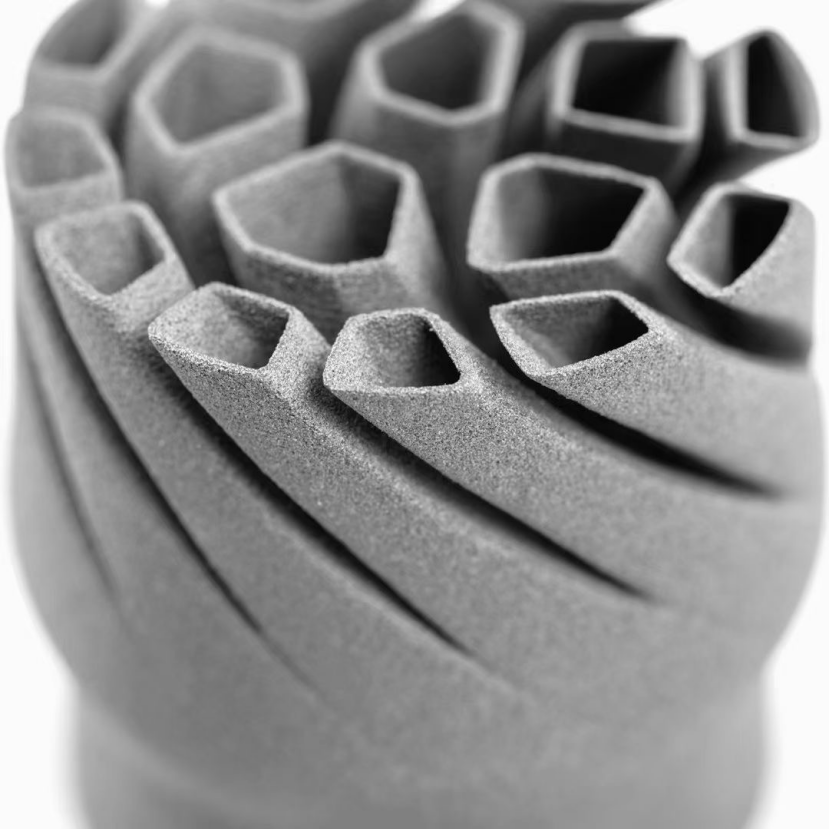
3D printer farms excel in offering unprecedented levels of customization while maintaining cost-effectiveness. The facilities are equipped with various printer types capable of handling a wide range of materials, from standard plastics to high-performance polymers and composites. This versatility allows customers to choose from numerous material options based on their specific requirements for strength, flexibility, heat resistance, or aesthetic properties. The digital nature of 3D printing enables quick design modifications and iterations without additional tooling costs, making it ideal for product development and customization. Each printer can be configured to produce different parts simultaneously, enabling efficient mass customization that would be prohibitively expensive with traditional manufacturing methods.
Scalable Production Capabilities

Scalable Production Capabilities

The scalable nature of 3D printer farms represents a revolutionary approach to manufacturing flexibility. Unlike traditional manufacturing facilities that require significant retooling for different production volumes, printer farms can seamlessly adjust output levels to meet varying demand. This scalability extends from single prototype runs to full production batches without compromising quality or cost-effectiveness. The distributed printing system allows for redundancy and backup capabilities, ensuring production continuity even if individual printers require maintenance. The ability to quickly scale production up or down helps businesses respond to market demands without the risks associated with traditional manufacturing investments. This flexibility also enables just-in-time production strategies, reducing inventory costs and storage requirements while maintaining rapid response capabilities for customer orders.

Get a Free Quote

Our representative will contact you soon.
Email
Name
Company Name
Message
0/1000