
 EN
EN
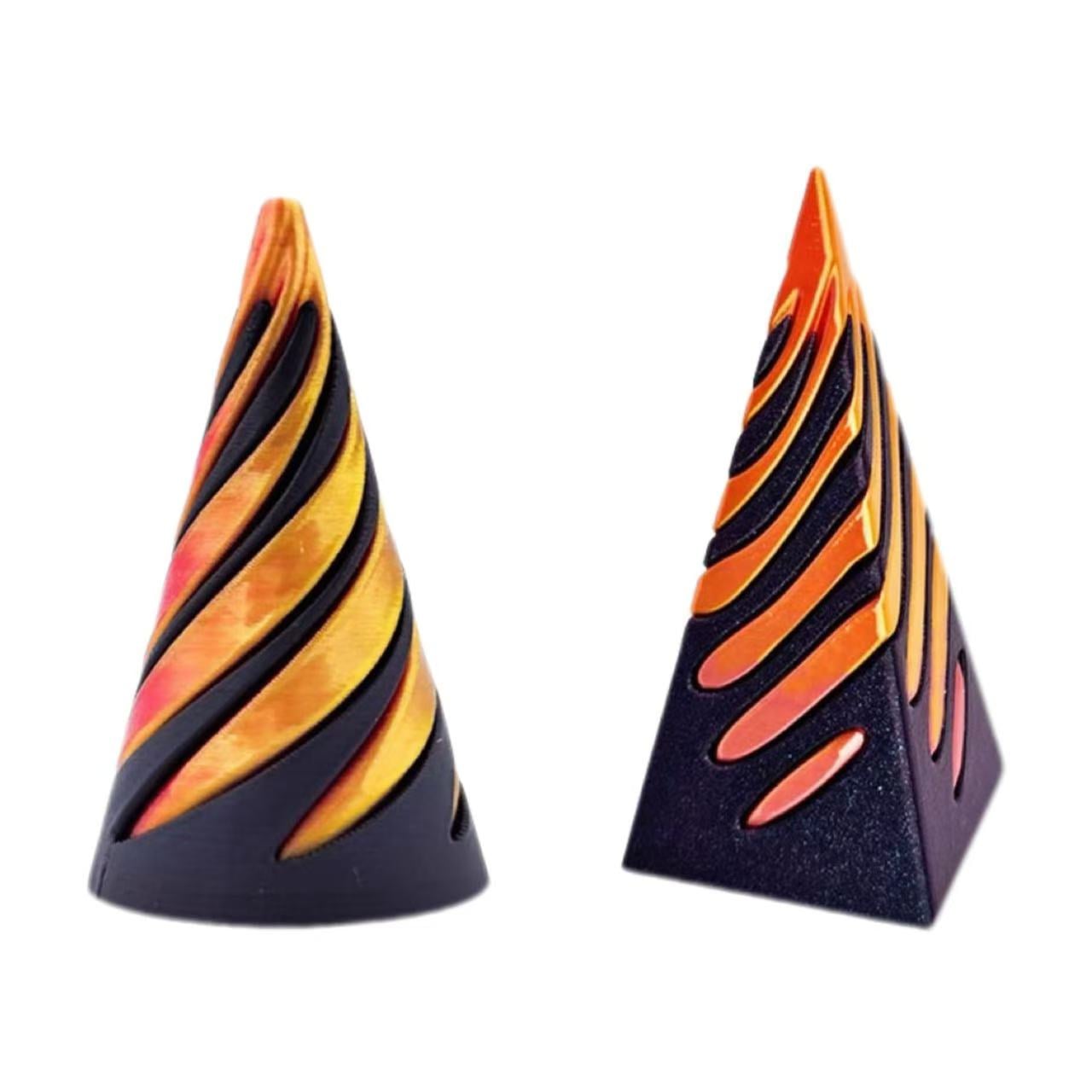
Moving from prototype to production is one of the most critical transitions in hardware manufacturing. The ability to scale a proof-of-concept design into reliable, repeatable manufactured parts requires rigorous evaluation of CNC machining production standards. This phase determines whether your design can be manufactured at volume while maintaining quality, cost-efficiency, and performance consistency. Understanding the standards that govern this transition is essential for any B2B hardware manufacturer looking to bring products successfully to market.
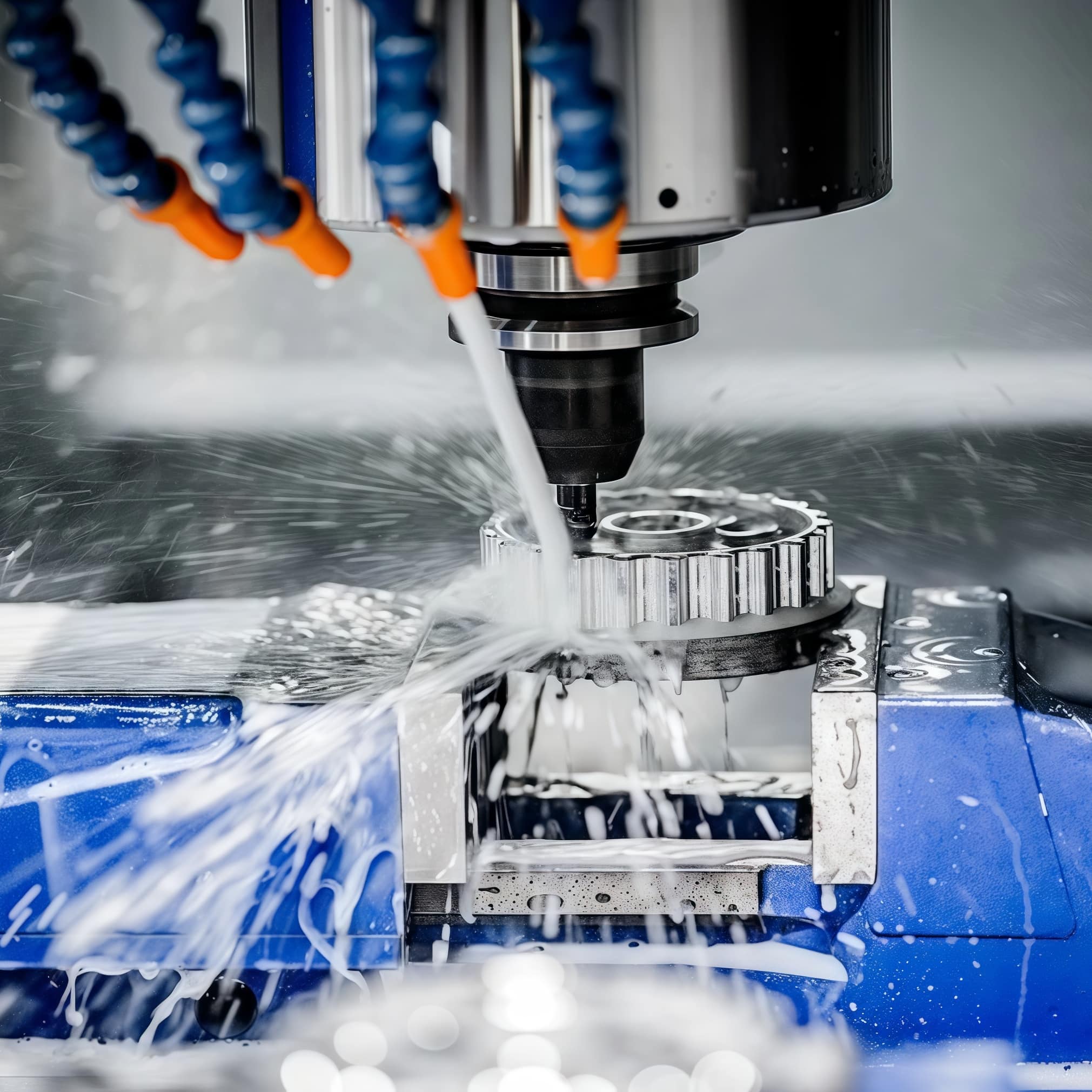
The evaluation process for prototype to production involves assessing multiple technical, operational, and quality dimensions. Each component of your machining workflow must demonstrate consistency, repeatability, and compliance with established industry standards. This article explores the key standards, quality metrics, and evaluation frameworks that guide successful prototype to production scaling in CNC manufacturing environments.
Understanding Production Standard Requirements for Prototype to Production Scaling
Core Quality Metrics in Prototype to Production Transitions
When evaluating prototype to production readiness, dimensional accuracy stands as the primary quality metric. Your CNC machining processes must consistently hold tight tolerances across all features, ensuring that every part produced meets design specifications. The prototype to production evaluation requires establishing statistical process control systems that monitor dimensional performance across multiple production runs. This data-driven approach reduces defect rates and ensures that your manufacturing capability matches the demands of volume production.
Surface finish quality is equally important during the prototype to production assessment phase. Different applications require different surface finish standards, from basic machining marks to polished or treated surfaces. Evaluating prototype to production standards means confirming that your CNC machine tooling, feed rates, and cutting strategies can achieve the specified surface finishes consistently. Inconsistent surface finishes during the prototype to production phase often indicate tooling wear, inadequate coolant management, or improper machine setup that must be corrected before full-scale production begins.
Material Consistency and Supply Chain Readiness
Prototype to production success depends on establishing reliable material sourcing and verifying that your chosen materials meet production specifications. Many prototype designs are tested with premium-grade materials that may not be cost-effective for high-volume production. During the prototype to production transition, you must evaluate alternative materials that maintain performance while reducing costs. CNC machining production standards require that all materials be certified to relevant specifications such as ASTM, ISO, or industry-specific standards, and your prototype to production documentation must trace material certifications for every batch.
The prototype to production evaluation should also assess material variability's impact on machining performance. Different material batches or suppliers may machine differently, affecting tool life, cycle times, and surface quality. Your prototype to production standards must include material acceptance testing and machine parameter verification protocols that account for reasonable material variation. This proactive approach prevents production delays and quality issues that arise when materials behave differently than prototype batches.
CNC Machining Production Standards and Regulatory Compliance
Industry Standard Compliance for Prototype to Production
Several key industry standards govern the prototype to production transition in CNC machining. ISO 286 defines geometric tolerancing and dimensional standards that apply to all precision machined parts. When moving from prototype to production, your CNC machining processes must align with these internationally recognized standards to ensure parts fit within assembly systems and meet customer specifications. Many B2B customers require that your prototype to production processes comply with ISO 9001 quality management systems, demonstrating systematic control over every manufacturing step.
NIST guidelines and ANSI standards provide additional frameworks for evaluating prototype to production readiness in precision manufacturing. These standards address measurement uncertainty, calibration requirements, and quality documentation practices. Effective prototype to production evaluation requires calibrating all measurement equipment to traceable standards and maintaining documentation that proves your CNC machining processes consistently meet stated specifications. Your prototype to production quality system must include regular audits of measurement equipment, operator training records, and process validation data.
Customer-Specific Requirements in Prototype to Production
Many B2B hardware manufacturers must evaluate prototype to production requirements that go beyond general industry standards. Customers in aerospace, automotive, or medical device industries impose additional prototype to production specifications including special tolerance classes, material certifications, traceability requirements, and supplier audits. During the prototype to production phase, you must clarify all customer-specific requirements and verify that your CNC machining capabilities and documentation practices satisfy these demands. A formal prototype to production specification review with customers prevents costly revisions and production delays after manufacturing has begun.
Your prototype to production quality agreement should document all critical characteristics, inspection frequencies, acceptable defect rates, and escalation procedures. This agreement becomes the basis for process control during full production runs and ensures that both your manufacturing team and customers share identical expectations. Evaluating prototype to production readiness means confirming that your inspection protocols, sampling plans, and corrective action procedures are aligned with these customer-specific requirements.
Process Validation and Risk Management During Prototype to Production
Process Capability Studies and Prototype to Production Validation
Process capability analysis is fundamental to evaluating prototype to production manufacturing readiness. A process capability study (Cpk analysis) measures whether your CNC machining processes can consistently produce parts within required tolerances, providing statistical evidence that prototype to production scaling is feasible. This study requires running multiple production cycles and collecting dimensional data from all critical features. A Cpk value of 1.33 or higher is typically required before proceeding from prototype to production, confirming that your CNC machining setup has adequate process margin to tolerate normal variation.
The prototype to production validation process should include trial runs that simulate realistic production conditions. These production validation runs reveal potential issues such as fixture repeatability problems, machine vibration at production speeds, thermal drift effects, or tooling performance degradation. Running prototype to production pilot production at actual production volumes identifies staffing, scheduling, and equipment bottlenecks before they impact customer delivery. This investment in thorough prototype to production testing significantly reduces the risk of quality failures or production disruptions after mass production begins.
Risk Mitigation Strategies for Prototype to Production Transition
Comprehensive risk assessment is essential when moving prototype to production at scale. Identify critical-to-quality characteristics, key process parameters, potential failure modes, and their consequences. Prototype to production risk management includes establishing control plans that specify monitoring frequencies, acceptance criteria, and corrective action triggers. Advanced planning such as failure mode and effects analysis (FMEA) during the prototype to production phase helps you anticipate problems and implement preventive measures before they affect production.
Documentation is critical during the prototype to production transition. Establish comprehensive work instructions, setup procedures, and quality checkpoints that enable consistent execution across different shifts and operators. Your prototype to production documentation must include tooling specifications, machine parameter settings, measurement point locations, and inspection acceptance criteria. This detailed documentation ensures that every team member understands the prototype to production requirements and can execute manufacturing processes consistently throughout the production lifecycle.
FAQ
What are the primary differences between prototype to production CNC machining standards?
Prototype to production transitions shift focus from functional proof-of-concept to manufacturing repeatability. Prototype to production standards require tighter statistical process control, documented procedures for every process step, and formal measurement traceability. Prototype tooling can be manual and flexible, while prototype to production machining demands rigid fixtures, automated setups, and validated tool paths that minimize variation. The prototype to production evaluation also introduces cost and cycle time pressures that prototype manufacturing typically does not face.
How do you validate prototype to production readiness before full manufacturing begins?
Prototype to production validation requires running trial production lots that mirror actual production conditions. Statistical process capability analysis demonstrates that prototype to production CNC processes can consistently meet specifications with adequate margin. Customer audits and engineering reviews during the prototype to production phase confirm that all documented standards and procedures meet expectations. Formal prototype to production sign-off documents validate that production equipment, tooling, materials, and personnel are prepared for volume manufacturing.
Which standards apply to prototype to production CNC machining for B2B hardware manufacturers?
Prototype to production CNC machining must comply with ISO 9001 quality management systems and ISO 286 dimensional tolerance standards. NIST calibration standards and industry-specific requirements such as AS9100 for aerospace or IATF standards for automotive apply to prototype to production depending on your customer base. Your prototype to production evaluation should also address customer-specific engineering standards and drawing requirements. Industry associations and customer specifications often provide additional prototype to production guidelines beyond general ISO standards.