
 EN
EN
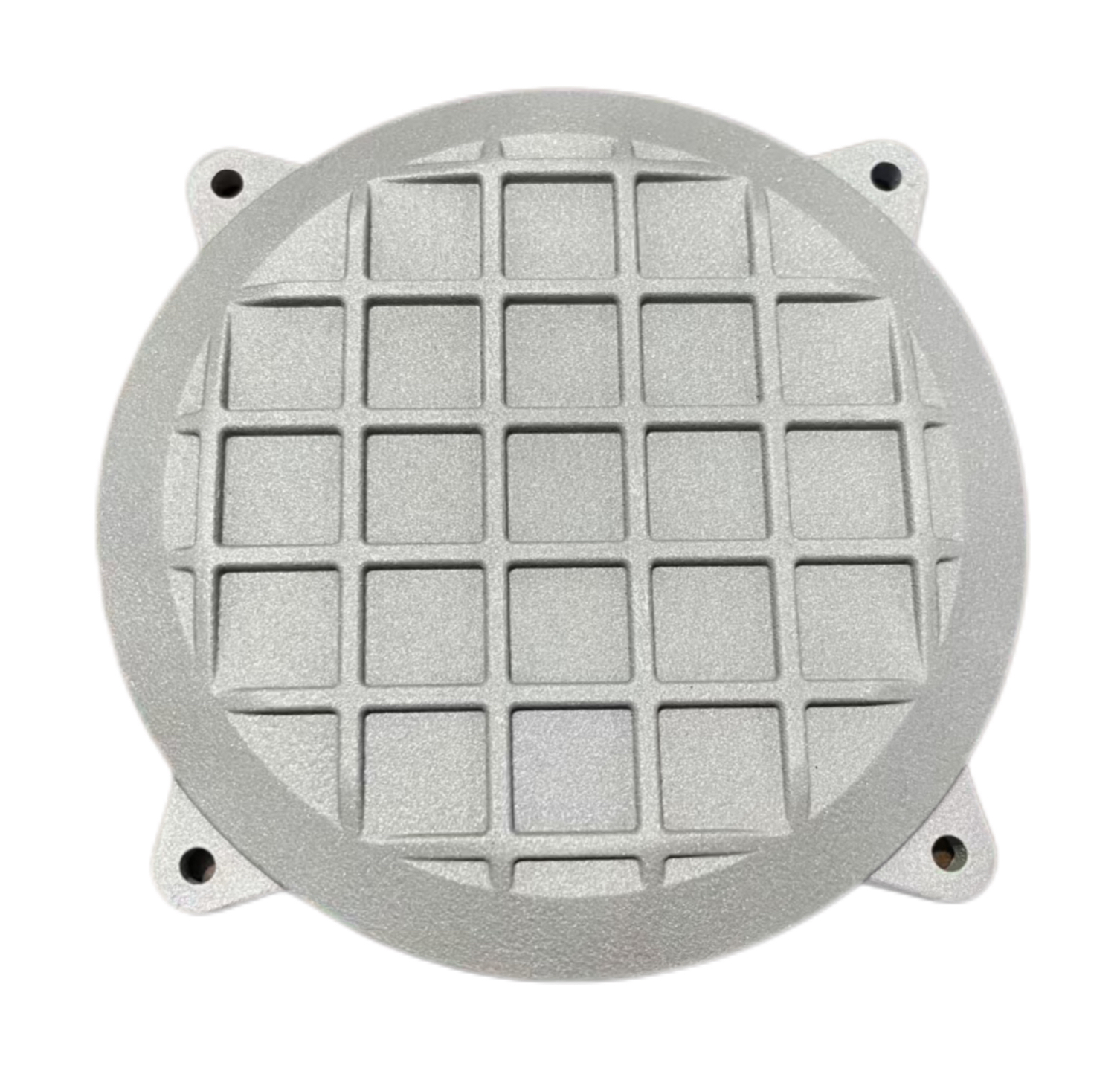
Selecting the right industrial 3D printing service provider has become a critical decision for global engineering teams managing complex manufacturing challenges. Whether you're prototyping advanced components, producing low-volume parts, or exploring additive manufacturing at scale, the industrial 3D printing service landscape offers diverse capabilities and technology platforms. This guide walks you through the procurement process, helping you evaluate vendors, assess technology fit, manage costs, and ensure quality standards across international supply chains.

The procurement of industrial 3D printing service solutions requires a structured approach that balances technical requirements, cost constraints, and supply chain reliability. Modern industrial 3D printing service providers operate across multiple additive technologies including selective laser sintering, stereolithography, fused deposition modeling, and powder bed fusion systems. Understanding how each technology aligns with your engineering objectives, material specifications, and production volumes is essential for making an informed procurement decision that delivers both performance and value.
Understanding Industrial 3D Printing Service Technology Landscape
Core Technologies in Industrial 3D Printing Service
An industrial 3D printing service provider typically offers multiple additive manufacturing platforms, each suited to specific applications and material requirements. Selective laser sintering remains popular for functional parts and rapid tooling, while stereolithography excels in high-resolution applications requiring smooth surface finishes. Fused deposition modeling delivers cost-effective solutions for larger parts and prototypes, whereas powder bed fusion systems enable production of metal components with complex geometries. When evaluating an industrial 3D printing service supplier, determine which technology platforms they maintain in-house and understand their capabilities, throughput rates, and material compatibility specifications.
Material Selection and Specifications
Your industrial 3D printing service provider must support the material specifications mandated by your engineering standards and application requirements. Polymer-based industrial 3D printing service platforms handle nylon, resin, and composite materials, while metal additive manufacturing requires specialized expertise and equipment. Beyond basic material availability, verify that your industrial 3D printing service vendor can certify material properties, conduct post-processing treatments, and provide documentation meeting aerospace, automotive, or medical device standards if applicable. Material selection directly impacts part performance, cost, lead time, and compliance with your global engineering specifications.
Evaluating Industrial 3D Printing Service Vendors
Capability Assessment and Technical Credentials
Begin your industrial 3D printing service procurement by requesting comprehensive capability statements detailing equipment specifications, material options, production capacity, and certification credentials. A credible industrial 3D printing service partner should hold ISO certifications, quality management system accreditations, and industry-specific compliance certifications relevant to your sector. Ask for portfolio examples of completed projects similar in complexity and scale to your requirements. Request technical data sheets documenting resolution capabilities, dimensional accuracy tolerances, throughput rates, and repeatability benchmarks. This assessment ensures your industrial 3D printing service vendor has both the technical infrastructure and proven track record needed to support your engineering objectives.
Quality Standards and Supply Chain Reliability
An effective industrial 3D printing service procurement strategy must include rigorous quality verification protocols and supply chain risk assessment. Verify that your industrial 3D printing service provider implements documented quality control processes, including dimensional inspection, material testing, and batch traceability systems. Evaluate their business continuity planning, geographic distribution of production facilities, and redundancy protocols for critical equipment. industrial 3D printing service partnerships require transparent communication about production timelines, capacity constraints, and contingency procedures for managing unexpected disruptions. Request references from existing clients operating in similar industries to verify their reliability and responsiveness to engineering change orders.
Cost Optimization and Contract Structure
Pricing Models and Budget Planning
Understanding pricing structures is essential when procuring industrial 3D printing service solutions at scale. Most industrial 3D printing service providers employ either volume-based pricing, per-part pricing, or subscription-based models depending on production volume and project duration. Request detailed quotes breaking down material costs, production labor, post-processing, quality inspection, and packaging fees. Compare pricing across multiple industrial 3D printing service vendors while accounting for lead times, minimum order quantities, and included services. Volume commitments often reduce per-unit costs, so forecast your annual industrial 3D printing service requirements across all projects to negotiate favorable terms. Evaluate total cost of ownership rather than simply comparing headline pricing, accounting for quality consistency, delivery reliability, and engineering support.
Contract Terms and Service Agreements
When establishing an industrial 3D printing service procurement contract, define clear performance metrics, delivery schedules, quality acceptance criteria, and dispute resolution procedures. Specify whether your industrial 3D printing service engagement includes design optimization support, prototype iterations, or engineering consulting services. Establish procedures for managing engineering change orders, dimensional tolerance variations, and material substitutions. Include provisions addressing intellectual property protection, confidentiality of proprietary designs, and data security for your CAD files and specifications. Clearly define liability limits, warranty periods, and remediation procedures if your industrial 3D printing service vendor fails to meet contracted performance standards. A well-structured contract protects both parties and ensures your industrial 3D printing service relationship remains productive throughout the engagement.
Managing Global Supply Chain Integration
International Logistics and Regulatory Compliance
Global engineering teams often procure industrial 3D printing service solutions from vendors across multiple regions, requiring careful attention to export controls, tariffs, and regulatory compliance. Verify that your industrial 3D printing service vendor understands the regulatory environment for your destination markets, including material certifications, environmental compliance, and industry-specific quality standards. If your industrial 3D printing service vendor operates internationally, confirm their documentation practices, customs expertise, and ability to manage multi-country shipping. Some industrial 3D printing service providers maintain distributed manufacturing facilities enabling local production near end-use locations, reducing lead times and logistics complexity. Evaluate how your industrial 3D printing service partner handles documentation, certification, and compliance reporting for global supply chains.
Performance Monitoring and Continuous Improvement
Establishing metrics for ongoing industrial 3D printing service performance is critical for long-term procurement success. Define key performance indicators including on-time delivery percentage, first-pass quality acceptance rates, dimensional accuracy consistency, and responsiveness to engineering requests. Schedule regular business reviews with your industrial 3D printing service provider to assess performance trends, discuss process improvements, and identify opportunities for cost reduction or capability expansion. As your engineering requirements evolve, your industrial 3D printing service partner should demonstrate flexibility and willingness to adopt new technologies, materials, or production methodologies. Strong industrial 3D printing service partnerships develop over time through transparent communication, collaborative problem-solving, and shared commitment to operational excellence.
FAQ
What should be the primary criteria when selecting an industrial 3D printing service provider?
When selecting an industrial 3D printing service partner, prioritize technical capability alignment with your specific requirements, including supported technologies and materials. Verify ISO certifications, quality management credentials, and industry-specific compliance relevant to your sector. Assess their production capacity, lead time capabilities, and geographic distribution of facilities. Request portfolio examples and client references from similar industries. Evaluate their responsiveness to engineering support needs and flexibility for design optimization. A comprehensive industrial 3D printing service evaluation balances technical fit, cost competitiveness, quality consistency, and supply chain reliability.
How can organizations optimize costs when procuring industrial 3D printing service solutions?
Cost optimization begins with consolidating your annual industrial 3D printing service requirements across all engineering projects to establish volume commitments that unlock pricing discounts. Compare total cost of ownership across vendors, accounting for per-unit pricing, minimum orders, lead times, and included services rather than focusing solely on headline rates. Evaluate whether subscription-based or project-based pricing models better match your demand patterns. Collaborate with your industrial 3D printing service provider on design optimization and material selection to reduce production costs without compromising performance. Consider geographic proximity of production facilities to minimize logistics expenses and lead times for your industrial 3D printing service engagements.
What quality standards should be specified in industrial 3D printing service procurement contracts?
Industrial 3D printing service contracts should define specific acceptance criteria including dimensional tolerance limits, surface finish requirements, and material property specifications aligned with your engineering standards. Specify inspection protocols such as dimensional measurement frequency, material testing procedures, and batch traceability documentation requirements. Establish warranty periods and remediation procedures for parts failing to meet contracted specifications. Include provisions for first-article inspection if this is your first engagement with that industrial 3D printing service vendor. Define quality metrics such as first-pass acceptance rates and scrap rates expected from the industrial 3D printing service provider. Clear quality specifications protect both parties and ensure consistent performance throughout the industrial 3D printing service relationship.