
 EN
EN

The automotive industry demands rapid prototyping solutions that deliver both speed and precision for developing track-ready components. Modern manufacturing teams are increasingly turning to advanced 3D printing technologies to accelerate their development cycles while maintaining the structural integrity required for high-performance applications. Among the various additive manufacturing processes available, selective laser sintering represents a breakthrough approach for creating durable automotive prototypes that can withstand rigorous testing conditions. This technology enables engineers to produce functional components with mechanical properties that closely match traditional manufacturing methods, making it an ideal choice for automotive applications where reliability and performance are paramount.
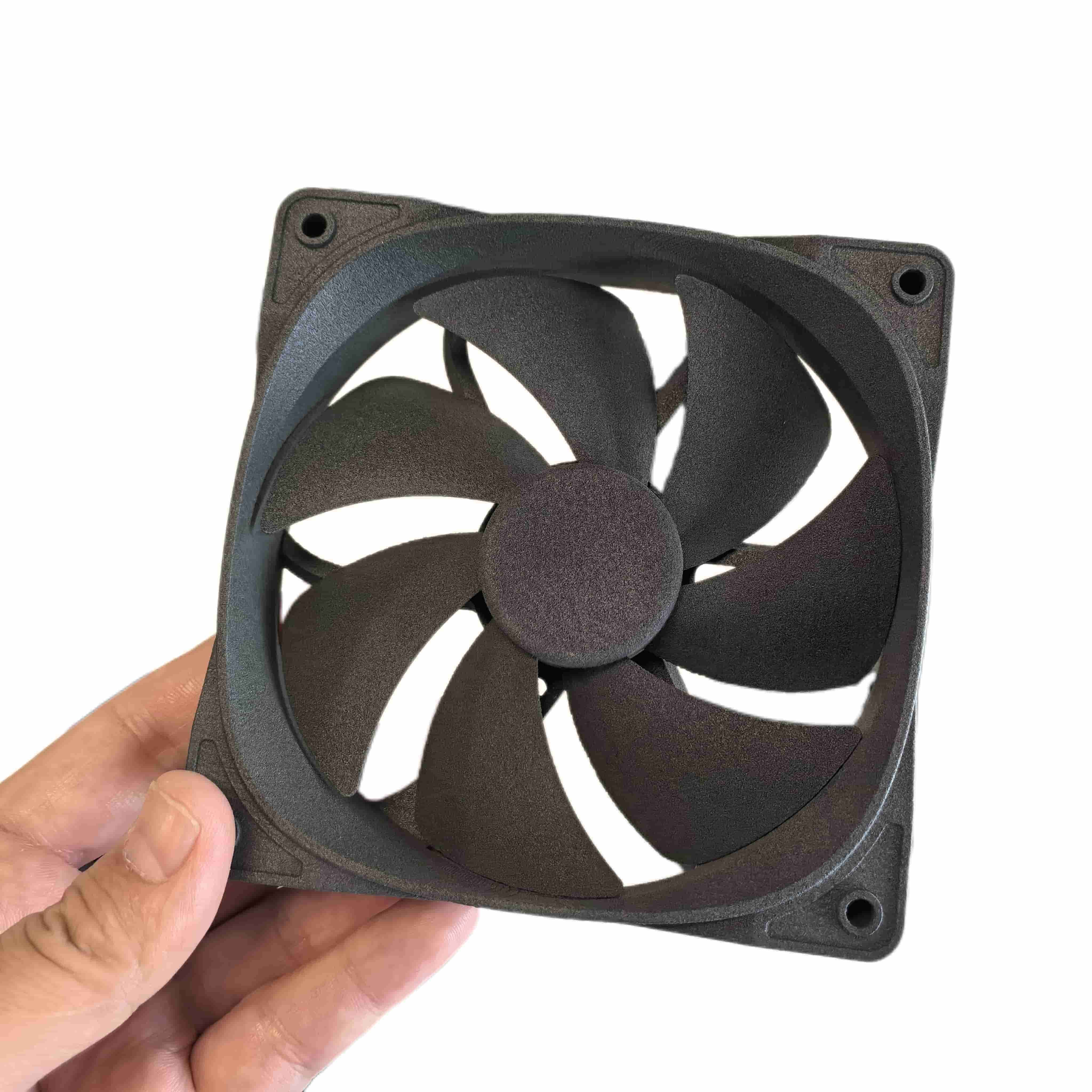
Understanding Advanced 3D Printing Technologies in Automotive Manufacturing
Comparative Analysis of Additive Manufacturing Processes
Automotive manufacturers evaluate multiple 3D printing technologies when selecting the optimal solution for their prototyping needs. Stereolithography, fused deposition modeling, and selective laser sintering each offer distinct advantages depending on the specific application requirements. While sla 3d printing excels in producing highly detailed parts with smooth surface finishes, selective laser sintering provides superior mechanical strength and material versatility for functional prototypes. The choice between these technologies often depends on factors such as part geometry, material requirements, production volume, and intended use cases within the automotive development process.
Material compatibility represents another critical consideration when selecting 3D printing technologies for automotive applications. Engineering-grade thermoplastics, metal powders, and specialized composites each require specific processing parameters and equipment capabilities. Selective laser sintering technology accommodates a broader range of materials compared to traditional liquid resin-based processes, enabling manufacturers to produce prototypes using materials that closely match final production components. This material flexibility proves particularly valuable when developing components that must undergo extensive testing protocols before moving to full-scale production.
Technical Specifications and Performance Characteristics
The technical specifications of advanced 3D printing systems directly impact their suitability for automotive prototyping applications. Layer resolution, build volume, processing speed, and temperature control capabilities determine the quality and efficiency of the manufacturing process. Modern selective laser sintering systems achieve layer thicknesses as fine as 0.1 millimeters while maintaining consistent dimensional accuracy across large build volumes. These capabilities enable the production of complex geometries and internal structures that would be impossible to achieve using traditional manufacturing methods.
Temperature management during the printing process plays a crucial role in achieving consistent material properties throughout the printed component. Precise control of powder bed temperature, laser power, and scanning parameters ensures uniform sintering and minimizes internal stresses that could compromise part integrity. Advanced systems incorporate real-time monitoring and feedback control mechanisms that automatically adjust processing parameters to maintain optimal conditions throughout the build cycle. These technological improvements have significantly enhanced the reliability and repeatability of the additive manufacturing process for automotive applications.
Material Selection and Properties for Automotive Prototypes
High-Performance Polymer Materials
Material selection critically influences the performance and durability of automotive prototypes produced through advanced manufacturing processes. High-performance polymers such as polyamide, polyphenylsulfone, and peek offer exceptional mechanical properties that make them suitable for demanding automotive applications. These materials exhibit superior tensile strength, impact resistance, and thermal stability compared to conventional 3D printing filaments. When processed correctly, these engineering-grade polymers can produce prototypes with mechanical properties approaching those of injection-molded components.
Chemical resistance represents another important consideration when selecting materials for automotive prototypes that will be exposed to fuels, oils, and other automotive fluids. Advanced polymer materials used in selective laser sintering demonstrate excellent resistance to common automotive chemicals while maintaining their structural integrity over extended exposure periods. This chemical compatibility ensures that prototypes accurately represent the performance characteristics of final production components during testing and validation phases.
Metal Powder Applications and Considerations
Metal powder processing through selective laser sintering enables the production of functional metal prototypes for critical automotive components. Aluminum alloys, stainless steel, and titanium powders can be processed to create parts with mechanical properties suitable for engine components, structural elements, and specialized automotive applications. The ability to produce complex internal cooling channels, lightweight lattice structures, and integrated assemblies makes metal powder processing particularly attractive for advanced automotive applications.
Post-processing requirements for metal components produced through powder-based additive manufacturing include stress relief treatments, surface finishing, and dimensional verification. Heat treatment protocols specific to each material type ensure optimal mechanical properties and stress distribution throughout the component. Surface finishing techniques such as machining, shot peening, or chemical etching may be required to achieve the surface quality and dimensional tolerances required for automotive applications.
Design Optimization Strategies for Track-Ready Components
Structural Design Considerations
Designing components for additive manufacturing requires a fundamental shift from traditional design approaches that are constrained by conventional manufacturing limitations. The layer-by-layer construction process enables the creation of complex internal geometries, integrated assemblies, and optimized material distribution that would be impossible to achieve through machining or casting processes. Automotive engineers can leverage these capabilities to create lightweight components with enhanced performance characteristics specifically tailored for track applications.
Topology optimization algorithms can be integrated into the design process to automatically generate structures that minimize weight while maintaining required strength and stiffness characteristics. These computational tools analyze load paths, stress distributions, and safety factors to create organic geometries that maximize performance per unit weight. The resulting designs often feature complex internal lattice structures or hollow sections that significantly reduce material usage without compromising structural integrity.
Performance Validation and Testing Protocols
Comprehensive testing protocols ensure that additively manufactured prototypes meet the demanding performance requirements of automotive track applications. Mechanical testing procedures include tensile testing, fatigue analysis, impact resistance evaluation, and thermal cycling to verify material properties and structural integrity. These tests validate that the prototype components can withstand the extreme conditions encountered during high-performance automotive applications.
Digital simulation tools complement physical testing by enabling virtual validation of component performance under various loading conditions. Finite element analysis, computational fluid dynamics, and thermal modeling provide detailed insights into component behavior before physical prototypes are produced. This simulation-driven approach reduces development time and costs while enabling optimization of design parameters for maximum performance.
Production Workflow and Quality Assurance
Build Preparation and Process Optimization
Successful implementation of advanced 3D printing technologies requires careful attention to build preparation and process optimization procedures. Part orientation, support structure design, and build layout significantly impact surface quality, dimensional accuracy, and production efficiency. Optimal part orientation minimizes support requirements while ensuring adequate surface finish on critical features. Strategic placement of multiple parts within the build volume maximizes productivity while maintaining consistent quality across all components.
Process parameter optimization involves fine-tuning laser power, scanning speed, layer thickness, and powder distribution to achieve optimal results for specific materials and geometries. These parameters must be carefully balanced to ensure complete material fusion while minimizing thermal distortion and maintaining dimensional accuracy. Experienced operators develop material-specific parameter sets through systematic testing and validation procedures that establish reliable processing windows for consistent results.
Quality Control and Inspection Methods
Rigorous quality control procedures ensure that additively manufactured components meet strict automotive industry standards for dimensional accuracy, surface finish, and material properties. Coordinate measuring machines, optical scanning systems, and computed tomography provide comprehensive dimensional verification capabilities that detect deviations from design specifications. These measurement systems can identify internal defects, porosity, and geometric distortions that might compromise component performance.
Statistical process control methods track key quality metrics throughout the production process to identify trends and potential issues before they impact product quality. Real-time monitoring of process parameters, environmental conditions, and machine performance enables proactive adjustments that maintain consistent output quality. Documentation and traceability systems ensure that each component can be tracked through the entire production process, providing accountability and enabling rapid response to any quality issues that may arise.
Cost-Benefit Analysis and Implementation Considerations
Economic Advantages of Advanced Manufacturing
The economic benefits of implementing advanced 3D printing technologies for automotive prototyping extend beyond simple cost per part calculations. Reduced tooling requirements, shortened development cycles, and enhanced design flexibility create significant value propositions that justify the initial investment in advanced manufacturing capabilities. Traditional prototyping methods often require expensive tooling and lengthy setup procedures that make design iterations costly and time-consuming.
Time-to-market advantages provide substantial competitive benefits in the rapidly evolving automotive industry. The ability to produce functional prototypes within days rather than weeks enables rapid design validation and accelerated development cycles. This speed advantage allows automotive manufacturers to respond quickly to market demands, incorporate customer feedback, and stay ahead of competitive pressures through faster innovation cycles.
Implementation Strategy and Resource Requirements
Successful implementation of sla 3d printing technologies requires careful planning of equipment selection, facility requirements, and personnel training programs. Equipment selection must consider build volume requirements, material compatibility, production capacity, and integration with existing manufacturing systems. Facility requirements include adequate ventilation, temperature control, and safety systems to ensure safe operation of powder-based manufacturing processes.
Personnel training programs must address both technical operation of manufacturing equipment and design optimization principles specific to additive manufacturing. Operators require comprehensive training in machine operation, material handling, post-processing procedures, and quality control methods. Design engineers need education in additive manufacturing design principles, material properties, and process limitations to maximize the benefits of these advanced technologies.
Future Trends and Technology Developments
Emerging Materials and Process Innovations
Ongoing research and development efforts continue to expand the capabilities and applications of advanced 3D printing technologies in automotive manufacturing. New material formulations provide enhanced mechanical properties, improved processing characteristics, and specialized functionalities such as electrical conductivity or magnetic properties. These advanced materials enable the production of integrated electronic components, sensors, and smart materials that add functionality beyond traditional mechanical components.
Process innovations focus on improving production speed, part quality, and material efficiency through advanced control systems and optimized processing techniques. Multi-laser systems increase production throughput while maintaining high quality standards, while advanced powder management systems reduce material waste and improve consistency. Real-time process monitoring and adaptive control systems enable automatic optimization of processing parameters based on feedback from in-situ sensors.
Integration with Digital Manufacturing Ecosystems
The integration of advanced 3D printing technologies with broader digital manufacturing ecosystems creates opportunities for enhanced automation, optimization, and quality control. Digital twin technologies enable virtual representation of manufacturing processes, allowing for predictive maintenance, process optimization, and quality prediction before physical production begins. These digital tools reduce waste, improve efficiency, and enable more sophisticated manufacturing strategies.
Artificial intelligence and machine learning algorithms analyze vast amounts of production data to identify optimal processing parameters, predict quality outcomes, and recommend design modifications for improved manufacturability. These intelligent systems continuously learn from production experience, gradually improving process reliability and component quality through automated optimization cycles that exceed human capabilities for managing complex parameter relationships.
FAQ
What are the key advantages of using SLS technology for automotive prototyping compared to traditional methods
SLS technology offers several significant advantages for automotive prototyping including the ability to produce complex geometries without support structures, superior mechanical properties compared to other 3D printing methods, and the capability to use engineering-grade materials that closely match production components. The process eliminates the need for expensive tooling and enables rapid design iterations, significantly reducing development time and costs while maintaining high quality standards suitable for functional testing and validation.
How does material selection impact the performance of automotive prototypes produced through advanced 3D printing
Material selection directly influences the mechanical properties, chemical resistance, and thermal stability of automotive prototypes. High-performance polymers such as polyamide and PEEK provide excellent strength-to-weight ratios and temperature resistance suitable for engine bay applications, while metal powders enable the production of components with properties matching traditional manufacturing methods. Proper material selection ensures that prototypes accurately represent final production component performance during testing and validation phases.
What quality control measures are essential for ensuring reliable automotive prototypes
Essential quality control measures include comprehensive dimensional inspection using coordinate measuring machines and optical scanning systems, mechanical property testing through standardized protocols, and process monitoring to maintain consistent processing parameters. Statistical process control methods track quality metrics throughout production to identify trends and prevent defects, while documentation and traceability systems ensure accountability and enable rapid response to quality issues that may arise during the manufacturing process.
How do cost considerations factor into the decision to implement advanced 3D printing for automotive applications
Cost considerations extend beyond simple per-part pricing to include reduced tooling requirements, shortened development cycles, and enhanced design flexibility that create significant value propositions. While initial equipment investment may be substantial, the elimination of expensive tooling, reduced material waste, and accelerated time-to-market provide compelling economic benefits. The ability to produce functional prototypes rapidly enables faster design validation and reduces overall development costs through improved efficiency and reduced iteration cycles.
Table of Contents
- Understanding Advanced 3D Printing Technologies in Automotive Manufacturing
- Material Selection and Properties for Automotive Prototypes
- Design Optimization Strategies for Track-Ready Components
- Production Workflow and Quality Assurance
- Cost-Benefit Analysis and Implementation Considerations
- Future Trends and Technology Developments
-
FAQ
- What are the key advantages of using SLS technology for automotive prototyping compared to traditional methods
- How does material selection impact the performance of automotive prototypes produced through advanced 3D printing
- What quality control measures are essential for ensuring reliable automotive prototypes
- How do cost considerations factor into the decision to implement advanced 3D printing for automotive applications