
 EN
EN
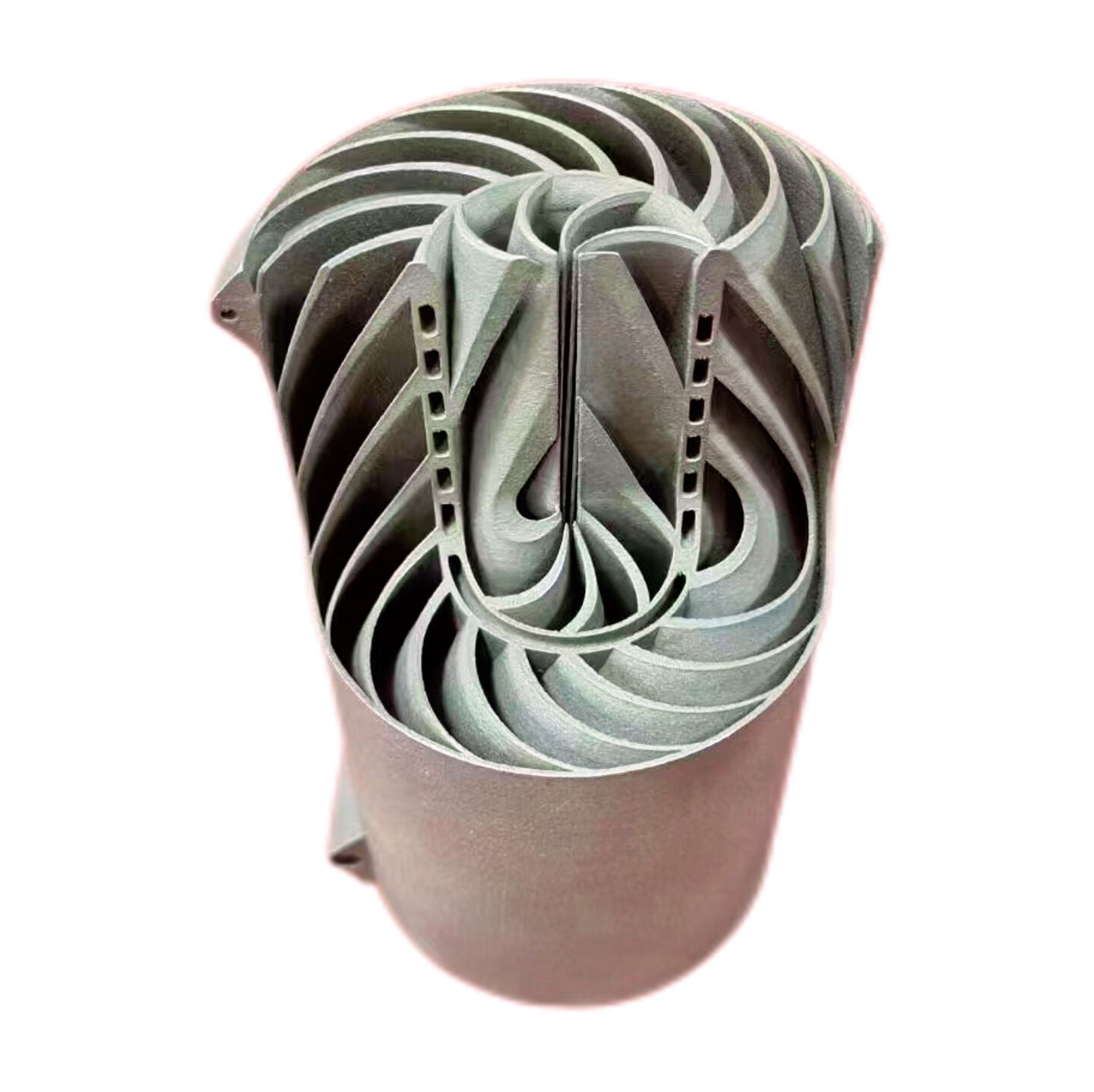
Consumer electronics manufacturers face unprecedented pressure to deliver innovative products with exceptional detail and precision. The rapid evolution of technology demands prototyping solutions that can match the complexity and miniaturization requirements of modern electronic devices. Among various manufacturing techniques, sla 3d printing has emerged as the preferred method for creating high-detail prototypes that accurately represent final products. This advanced additive manufacturing technology enables engineers to produce intricate components with surface finishes and dimensional accuracy that traditional prototyping methods simply cannot achieve.
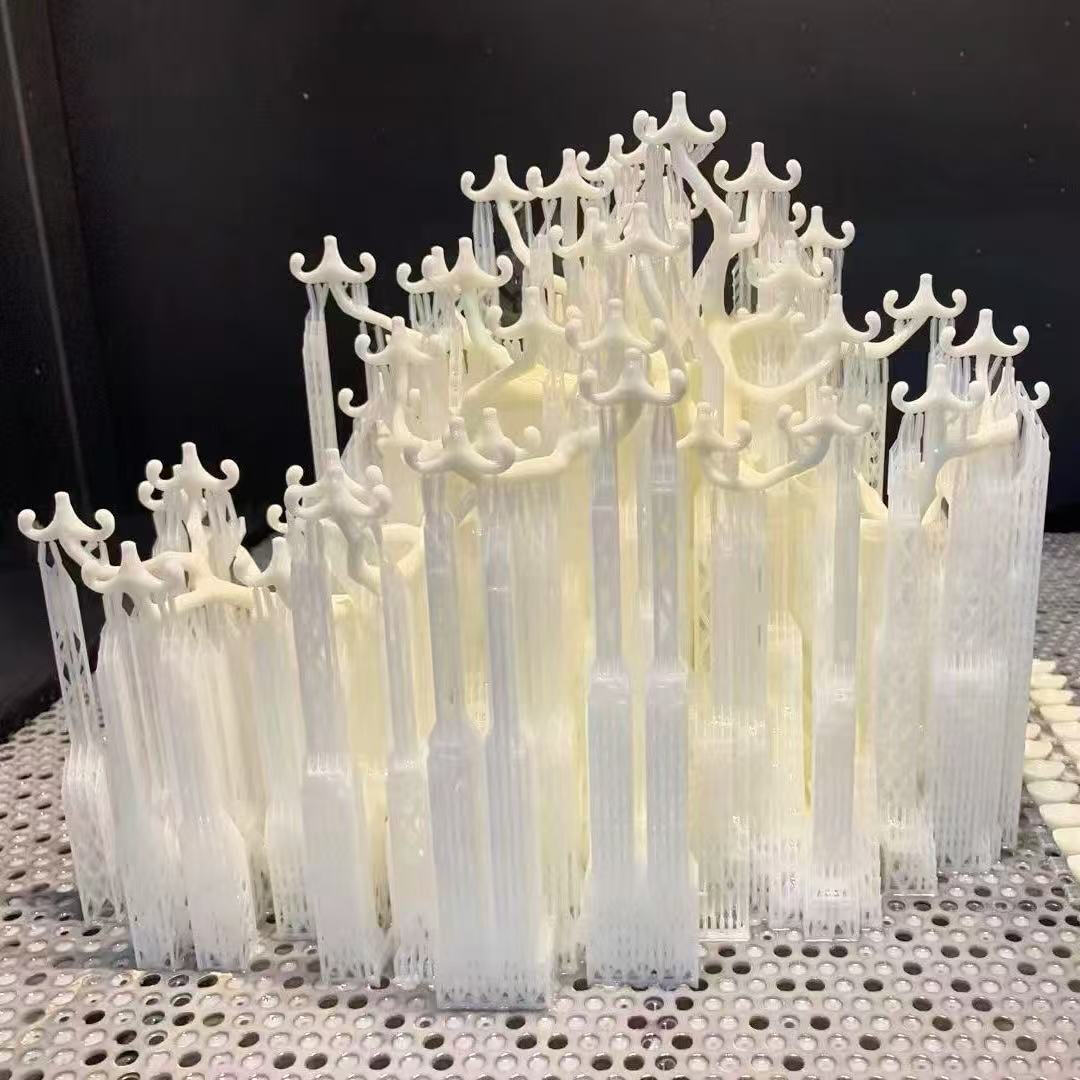
Understanding SLA Technology for Electronics Applications
Photopolymerization Process Excellence
The stereolithography process utilizes ultraviolet light to cure liquid photopolymer resins layer by layer, creating solid objects with remarkable precision. Unlike other 3D printing technologies, sla 3d printing achieves layer heights as fine as 25 microns, enabling the production of components with smooth surfaces and intricate details. This level of precision is particularly crucial for consumer electronics prototypes where small features like connectors, buttons, and ventilation grilles must be accurately represented. The photopolymerization process ensures consistent material properties throughout the prototype, eliminating the layer adhesion issues common in fused deposition modeling.
The controlled curing environment in SLA systems allows for predictable shrinkage and dimensional stability, essential factors when prototyping electronic housings that must accommodate specific circuit boards and components. Engineers can rely on the dimensional accuracy of sla 3d printing to validate fit and function before committing to expensive injection molding tooling. The technology's ability to produce overhangs, undercuts, and complex geometries without support structures in many cases makes it ideal for electronics enclosures with intricate internal features.
Material Properties and Electronics Compatibility
Modern photopolymer resins used in sla 3d printing offer a diverse range of material properties specifically suited for electronics applications. Clear resins enable the prototyping of transparent components like display covers and optical elements, while tough and flexible formulations simulate the mechanical properties of production plastics. Some specialized resins even provide electromagnetic interference shielding properties, allowing for more comprehensive prototype testing. The chemical resistance of cured photopolymers makes them suitable for electronics housings that may be exposed to various environmental conditions.
The thermal stability of SLA materials allows prototypes to withstand the heat generated by electronic components during testing phases. This characteristic is particularly valuable when validating thermal management designs and ensuring adequate ventilation in compact electronic devices. Additionally, the low outgassing properties of cured photopolymers prevent contamination of sensitive electronic components during prototype evaluation, maintaining the integrity of testing procedures.
Precision and Detail Capabilities
Micro-Feature Resolution
The exceptional resolution capabilities of sla 3d printing enable the creation of micro-features that are essential in modern consumer electronics. Components such as speaker grilles, charging port openings, and button mechanisms require precise dimensions to ensure proper functionality and user experience. The technology can accurately reproduce features as small as 0.1mm, making it possible to prototype even the most intricate design elements. This level of detail fidelity allows designers to evaluate aesthetic elements, tactile feedback, and functional aspects of their designs before finalizing specifications.
Surface finish quality achieved through sla 3d printing approaches injection molded quality straight from the printer, often requiring minimal post-processing for presentation purposes. The smooth surface finish is particularly important for consumer electronics where visual appeal and tactile quality significantly impact user perception. Fine text, logos, and decorative elements can be directly printed into the prototype surface, eliminating the need for secondary operations like pad printing or laser etching during the prototyping phase.
Complex Geometry Manufacturing
Consumer electronics increasingly feature complex internal geometries designed to maximize functionality while minimizing size. The design freedom offered by sla 3d printing allows engineers to create prototypes with internal channels, lattice structures, and organic shapes that would be impossible or prohibitively expensive to manufacture using traditional methods. This capability enables the exploration of innovative cooling solutions, cable routing paths, and component integration strategies that can lead to more compact and efficient product designs.
The layer-by-layer construction process of sla 3d printing eliminates many of the design constraints imposed by conventional manufacturing methods such as draft angles and parting lines. Electronics housings can incorporate snap-fit features, living hinges, and interlocking components that demonstrate assembly mechanisms and user interactions. This design flexibility accelerates the iteration process by allowing rapid testing of multiple design concepts without the time and cost associated with traditional tooling.
Speed and Efficiency in Prototype Development
Rapid Iteration Cycles
The time-to-market pressure in consumer electronics demands prototyping solutions that can keep pace with aggressive development schedules. SLA 3d printing enables multiple design iterations within days rather than weeks, allowing engineering teams to refine their designs rapidly. The ability to print overnight and have functional prototypes ready for testing the next morning significantly compresses development timelines. This speed advantage becomes even more pronounced when multiple variants or configurations need to be evaluated simultaneously.
Digital design modifications can be implemented and validated quickly through sla 3d printing, eliminating the lengthy lead times associated with machined prototypes or injection molded samples. Design changes that might take weeks to implement through traditional prototyping methods can be completed and tested within 24-48 hours using SLA technology. This rapid feedback loop enables more thorough design exploration and optimization, ultimately leading to better final products.
Cost-Effective Prototyping Solution
The economics of sla 3d printing become particularly attractive for low-volume prototype production where traditional manufacturing methods would require significant tooling investments. Complex electronic housings that might cost thousands of dollars to machine can be produced for a fraction of that cost using SLA technology. The elimination of tooling requirements allows budget allocation toward more design iterations and testing procedures, improving overall product development quality.
Material costs for sla 3d printing remain predictable and scalable based on part volume rather than complexity, making it easier to budget for prototype development programs. The ability to print multiple components simultaneously on a single build platform further reduces per-part costs and maximizes equipment utilization. When factoring in the reduced lead times and elimination of minimum order quantities, sla 3d printing often provides the most cost-effective solution for electronics prototyping needs.
Surface Finish and Aesthetic Quality
Professional Presentation Standards
Consumer electronics prototypes must often be presented to stakeholders, focus groups, and potential customers who evaluate both functionality and aesthetic appeal. The surface finish quality achievable with sla 3d printing meets professional presentation standards straight from the printer in many cases. The smooth, consistent surface finish eliminates the visible layer lines common with other 3D printing technologies, creating prototypes that closely resemble production parts in appearance and feel.
Post-processing options for SLA parts include sanding, polishing, painting, and various coating applications that can further enhance surface quality. Clear resins can be polished to optical clarity, while colored resins provide consistent appearance without the need for painting. The ability to achieve production-like surface finishes enables more accurate market research and user testing, providing valuable feedback on consumer preferences and usability factors.
Texture and Pattern Reproduction
Modern consumer electronics often incorporate sophisticated surface textures and patterns that serve both functional and aesthetic purposes. The high resolution of sla 3d printing technology enables accurate reproduction of these surface features, including grip textures, decorative patterns, and anti-glare surfaces. This capability allows designers to evaluate the visual and tactile impact of various surface treatments during the prototype phase.
Brand elements such as logos, text, and decorative features can be directly integrated into the SLA prototype surface, eliminating the need for secondary marking operations during prototype evaluation. The precision of sla 3d printing ensures that fine details remain sharp and well-defined, maintaining brand integrity throughout the development process. This attention to detail is crucial for consumer electronics where brand perception and product differentiation often depend on subtle design elements.
Applications in Consumer Electronics
Smartphone and Tablet Development
The smartphone and tablet industry represents one of the most demanding applications for sla 3d printing technology due to the extreme miniaturization and precision requirements. Camera bezels, speaker grilles, and port openings require tolerances measured in fractions of millimeters to ensure proper component fit and optimal performance. SLA technology enables the rapid prototyping of these critical components while maintaining the dimensional accuracy required for functional testing.
Protective cases and accessories for mobile devices can be prototyped using sla 3d printing to validate fit, feel, and functionality before committing to production tooling. The ability to test different material properties and surface textures helps optimize user experience factors such as grip comfort and drop protection. Multiple design variants can be produced quickly to support user testing and market research activities that inform final design decisions.
Wearable Technology Prototyping
Wearable electronics present unique challenges in terms of ergonomics, durability, and aesthetic appeal that make sla 3d printing an ideal prototyping solution. The technology's ability to produce complex curved surfaces and thin-walled structures enables the creation of comfortable, form-fitting devices. Watchbands, fitness tracker housings, and earphone components can be rapidly prototyped and tested for comfort and functionality across different user demographics.
The biocompatible resin options available for sla 3d printing allow for safe skin contact testing during prototype evaluation phases. This capability is essential for wearable devices that may be in contact with users for extended periods. The precision of SLA technology ensures that features like heart rate sensors, charging contacts, and user interface elements are accurately positioned for optimal performance and user experience.
Quality Control and Testing Benefits
Functional Prototype Validation
The mechanical properties of parts produced through sla 3d printing enable comprehensive functional testing that goes beyond simple fit and form validation. Snap-fit mechanisms, living hinges, and flexible components can be tested for durability and performance under realistic use conditions. This functional validation capability allows engineering teams to identify and resolve design issues before committing to expensive production tooling.
Assembly procedures and manufacturing processes can be validated using SLA prototypes, helping identify potential production challenges and optimization opportunities. The ability to test actual assembly sequences, tool access, and component interactions provides valuable insights that improve overall product manufacturability. These validation activities reduce the risk of costly design changes during production ramp-up phases.
Design Verification and Documentation
Accurate physical prototypes produced through sla 3d printing serve as excellent references for design documentation and quality control procedures. Dimensional verification, surface finish standards, and assembly requirements can be established using SLA prototypes as benchmarks. This physical reference helps ensure consistent interpretation of design requirements across different manufacturing locations and suppliers.
Photographic documentation of SLA prototypes provides clear visual references for production specifications and quality control procedures. The high-quality surface finish and accurate detail reproduction make these prototypes ideal for creating instruction manuals, marketing materials, and technical documentation. This documentation capability reduces miscommunication and ensures consistent product quality throughout the manufacturing process.
FAQ
What level of detail can be achieved with sla 3d printing for electronics prototypes
SLA 3d printing can achieve layer heights as fine as 25 microns with feature resolution down to 0.1mm, making it capable of producing extremely detailed electronics prototypes. This level of precision enables the accurate reproduction of small features like connector pins, button mechanisms, and intricate surface textures. The technology can create smooth surfaces that closely resemble injection molded quality, making prototypes suitable for both functional testing and presentation purposes.
How does the cost of sla 3d printing compare to traditional prototyping methods
SLA 3d printing typically offers significant cost advantages over traditional prototyping methods, especially for complex geometries and low-volume applications. While machined prototypes might cost thousands of dollars due to setup and programming requirements, SLA parts can often be produced for hundreds of dollars with much faster turnaround times. The elimination of tooling requirements and minimum order quantities makes sla 3d printing particularly cost-effective for electronics prototyping where multiple design iterations are common.
What materials are available for sla 3d printing electronics prototypes
Modern SLA systems offer a wide range of photopolymer resins specifically designed for electronics applications, including clear, tough, flexible, and high-temperature resistant formulations. Some specialized resins provide properties like electromagnetic interference shielding, flame retardancy, and biocompatibility for specific applications. These material options allow prototype properties to closely match intended production materials, enabling more accurate functional testing and validation.
How long does it take to produce electronics prototypes using sla 3d printing
Most electronics prototypes can be completed using sla 3d printing within 24-48 hours from design finalization, including printing time and basic post-processing. Build times typically range from 2-12 hours depending on part size and complexity, with post-processing activities like washing and curing adding a few additional hours. This rapid turnaround enables multiple design iterations within a single week, significantly accelerating the overall product development timeline compared to traditional prototyping methods.
Table of Contents
- Understanding SLA Technology for Electronics Applications
- Precision and Detail Capabilities
- Speed and Efficiency in Prototype Development
- Surface Finish and Aesthetic Quality
- Applications in Consumer Electronics
- Quality Control and Testing Benefits
-
FAQ
- What level of detail can be achieved with sla 3d printing for electronics prototypes
- How does the cost of sla 3d printing compare to traditional prototyping methods
- What materials are available for sla 3d printing electronics prototypes
- How long does it take to produce electronics prototypes using sla 3d printing