
 EN
EN
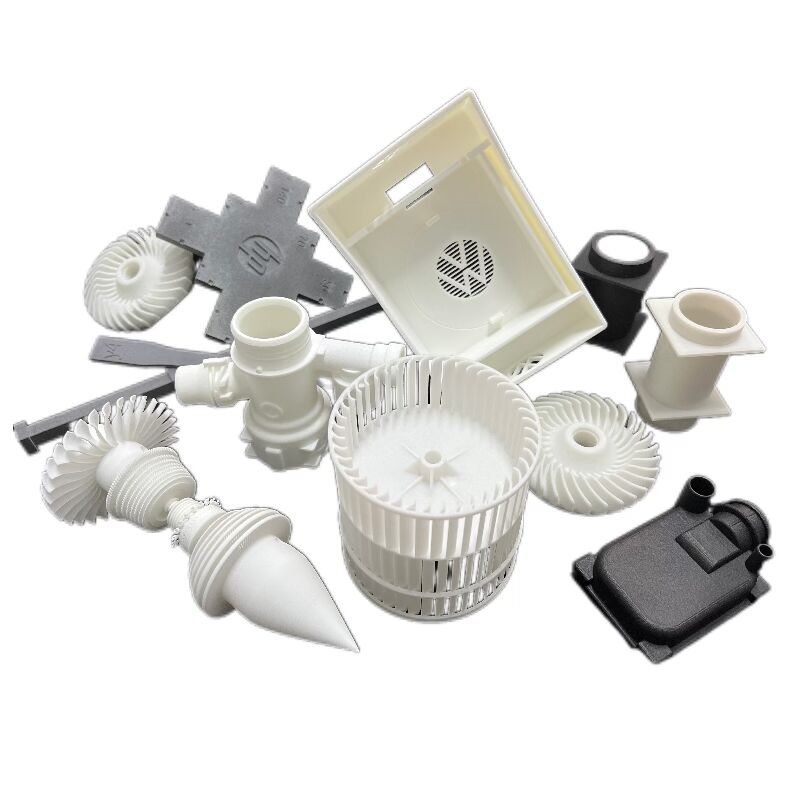
In today's rapidly evolving business landscape, companies are constantly seeking ways to optimize their operations and reduce inefficiencies. The traditional manufacturing model of mass production and inventory stockpiling is becoming increasingly obsolete as businesses recognize the transformative power of on-demand manufacturing. This revolutionary approach to production is fundamentally reshaping how organizations think about supply chain management, offering unprecedented flexibility, cost savings, and responsiveness to market demands.
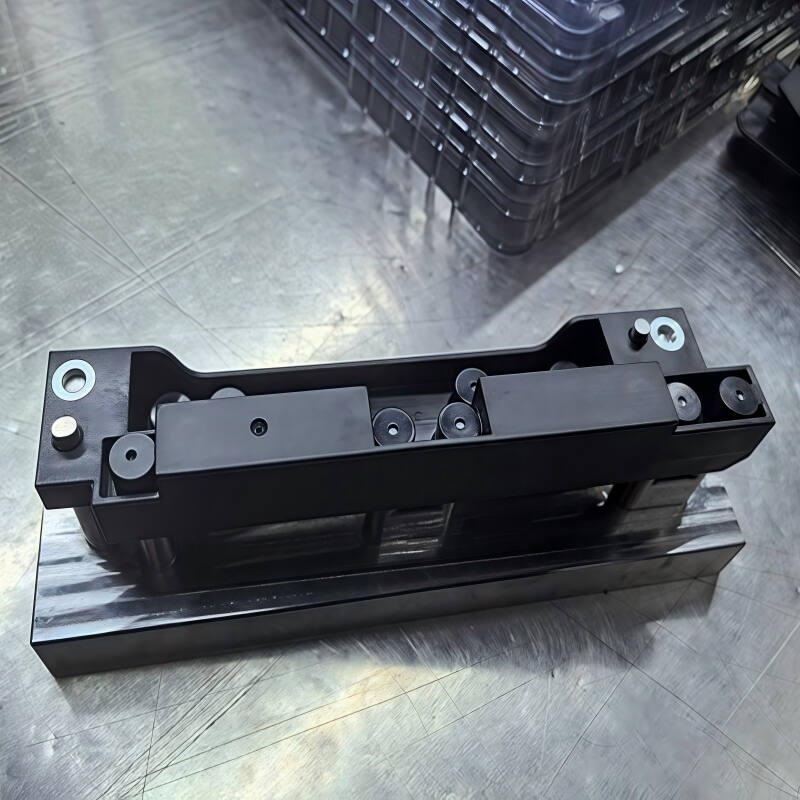
The concept of lean supply chain management has gained significant traction among forward-thinking organizations looking to eliminate waste and maximize value. At its core, lean methodology focuses on creating more value for customers with fewer resources by identifying and eliminating non-value-adding activities throughout the production process. When combined with on-demand manufacturing principles, businesses can achieve remarkable improvements in efficiency, quality, and customer satisfaction while maintaining competitive pricing structures.
Understanding the Foundation of On-Demand Manufacturing
Core Principles and Methodology
On-demand manufacturing represents a paradigm shift from traditional production methods, emphasizing responsiveness over predictive planning. This approach enables companies to produce goods only when there is confirmed demand, eliminating the need for extensive inventory storage and reducing the risks associated with overproduction. The methodology relies heavily on advanced technologies, flexible production systems, and streamlined processes that can quickly adapt to changing requirements.
The foundation of this manufacturing approach rests on several key pillars including digital connectivity, automated systems, and data-driven decision making. Modern manufacturing facilities equipped with Internet of Things sensors, artificial intelligence algorithms, and real-time monitoring capabilities can respond to customer orders with unprecedented speed and accuracy. These technological advancements enable manufacturers to maintain optimal production efficiency while minimizing waste and reducing lead times significantly.
Technology Integration and Digital Transformation
Digital transformation plays a crucial role in enabling effective on-demand manufacturing operations. Cloud-based manufacturing execution systems provide real-time visibility into production processes, allowing managers to make informed decisions quickly and adjust production schedules dynamically. Advanced analytics platforms process vast amounts of data to identify patterns, predict potential bottlenecks, and optimize resource allocation across multiple production lines simultaneously.
The integration of artificial intelligence and machine learning algorithms further enhances the capabilities of on-demand manufacturing systems. These technologies can analyze historical data, customer preferences, and market trends to predict future demand patterns with remarkable accuracy. By leveraging predictive analytics, manufacturers can proactively adjust their production capacity and resource allocation to meet anticipated demand while avoiding overproduction and excess inventory accumulation.
Strategic Benefits of Lean Supply Chain Implementation
Cost Reduction and Operational Efficiency
Implementing on-demand manufacturing within a lean supply chain framework delivers substantial cost reductions across multiple operational areas. Traditional manufacturing models require significant capital investment in inventory storage, warehousing infrastructure, and inventory management systems. By adopting an on-demand approach, companies can dramatically reduce these overhead costs while improving cash flow management and working capital efficiency.
The elimination of excess inventory also reduces the risk of obsolescence, particularly important in industries with rapidly evolving product lifecycles or seasonal demand patterns. Companies no longer need to write off outdated inventory or discount products to clear storage space, directly improving profit margins and return on investment. Additionally, reduced storage requirements translate to lower facility costs, insurance expenses, and inventory management labor costs.
Enhanced Customer Responsiveness and Satisfaction
On-demand manufacturing enables unprecedented levels of customer responsiveness, allowing businesses to fulfill orders quickly and accurately without maintaining large inventory buffers. This capability is particularly valuable in today's market environment where customers expect rapid delivery times and personalized products. Companies can respond to specific customer requirements, customize products according to individual preferences, and deliver solutions that precisely match market demand.
The ability to offer customization and personalization through on-demand manufacturing creates significant competitive advantages in crowded markets. Customers increasingly value products that are tailored to their specific needs and preferences, and businesses that can deliver these customized solutions while maintaining competitive pricing and delivery times often capture larger market shares and build stronger customer loyalty relationships.
Risk Mitigation and Supply Chain Resilience
Reducing Inventory-Related Risks
Traditional supply chain models expose businesses to numerous inventory-related risks including demand fluctuations, product obsolescence, storage costs, and quality degradation over time. On-demand manufacturing significantly reduces these risks by eliminating the need to forecast long-term demand accurately and maintain large safety stock levels. Companies can respond to actual customer orders rather than relying on potentially inaccurate demand predictions.
This risk reduction extends beyond financial considerations to include operational resilience and business continuity planning. When disruptions occur in traditional supply chains, companies with large inventory commitments often struggle to adapt quickly and may face significant financial losses. On-demand manufacturing provides the flexibility to pivot production schedules, adjust capacity utilization, and respond to changing market conditions without being constrained by existing inventory commitments.
Building Adaptive Supply Networks
Modern supply chains must be designed for adaptability and resilience rather than purely focusing on cost optimization. On-demand manufacturing facilitates the development of adaptive supply networks that can quickly reconfigure themselves in response to disruptions, demand changes, or new market opportunities. This adaptability is achieved through modular production systems, flexible supplier relationships, and digital coordination platforms that enable rapid communication and decision-making.
The development of multi-source supplier networks becomes more feasible with on-demand manufacturing, as companies are not locked into long-term contracts or large minimum order quantities. This flexibility allows businesses to work with multiple suppliers simultaneously, reducing dependency on single sources and creating redundancy that improves overall supply chain resilience. When disruptions occur, companies can quickly shift production to alternative suppliers without significant inventory write-offs or production delays.
Implementation Strategies for Manufacturing Excellence
Process Optimization and Workflow Design
Successfully implementing on-demand manufacturing requires careful attention to process optimization and workflow design. Organizations must analyze their current production processes, identify bottlenecks and inefficiencies, and redesign workflows to support rapid response times and flexible production schedules. This often involves reorganizing production layouts, cross-training employees, and implementing standardized procedures that can be quickly adapted to different product requirements.
Continuous improvement methodologies such as Six Sigma and Kaizen play crucial roles in optimizing on-demand manufacturing operations. These approaches help organizations systematically identify improvement opportunities, implement changes methodically, and measure results to ensure sustained performance gains. Regular process audits and performance reviews enable companies to refine their operations continuously and maintain competitive advantages in dynamic market environments.
Supplier Integration and Partnership Development
Effective on-demand manufacturing depends heavily on strong supplier relationships and integrated partnership development. Companies must work closely with their suppliers to ensure alignment on quality standards, delivery expectations, and communication protocols. This collaboration often involves sharing production forecasts, implementing joint planning processes, and establishing clear performance metrics that support mutual success and continuous improvement efforts.
Digital integration with suppliers through electronic data interchange systems, shared planning platforms, and real-time communication tools enhances coordination and reduces lead times significantly. When suppliers have visibility into production schedules and demand patterns, they can better prepare for order fulfillment and adjust their own operations to support on-demand manufacturing requirements. This level of integration creates mutually beneficial relationships that improve overall supply chain performance and competitiveness.
Industry Applications and Success Stories
Manufacturing Sector Transformations
Various manufacturing sectors have successfully implemented on-demand manufacturing principles to achieve remarkable operational improvements and competitive advantages. Automotive manufacturers have adopted flexible production systems that can quickly switch between different vehicle models based on real-time demand signals, reducing inventory costs while improving customer satisfaction and delivery times. Electronics manufacturers utilize on-demand manufacturing to respond rapidly to technology changes and avoid obsolescence risks associated with fast-evolving product categories.
The aerospace industry has embraced on-demand manufacturing for producing specialized components and spare parts, significantly reducing inventory carrying costs while ensuring availability of critical components when needed. This approach is particularly valuable for maintaining aging aircraft fleets where traditional supply chains may no longer be viable due to low demand volumes or discontinued parts suppliers.
Service Industry Integration
Service industries have also discovered significant benefits from adopting on-demand manufacturing principles in their operations. Healthcare organizations use on-demand approaches for medical device production, pharmaceutical compounding, and personalized treatment solutions that must be tailored to individual patient needs. This flexibility enables healthcare providers to deliver more effective treatments while managing costs and ensuring regulatory compliance requirements are met consistently.
Retail companies leverage on-demand manufacturing for private label products, seasonal merchandise, and customized offerings that differentiate their brands in competitive markets. By working with flexible manufacturing partners, retailers can test new products with minimal risk, respond quickly to trending items, and offer personalized products that command premium pricing and build customer loyalty relationships.
Future Trends and Technological Developments
Emerging Technologies and Innovation
The future of on-demand manufacturing will be shaped by emerging technologies including additive manufacturing, artificial intelligence, robotics, and advanced materials science. Three-dimensional printing technologies continue to expand their capabilities and applications, enabling the production of complex geometries and customized products that would be difficult or impossible to manufacture using traditional methods. These technologies particularly excel in low-volume, high-customization scenarios that align perfectly with on-demand manufacturing principles.
Artificial intelligence and machine learning algorithms will become increasingly sophisticated in predicting demand patterns, optimizing production schedules, and managing supply chain complexities. These technologies will enable even more responsive and efficient on-demand manufacturing systems that can anticipate customer needs and prepare production resources proactively while maintaining lean inventory principles and cost optimization objectives.
Sustainability and Environmental Considerations
Environmental sustainability considerations are driving increased adoption of on-demand manufacturing principles as companies seek to reduce waste, minimize energy consumption, and decrease their overall environmental footprint. By producing only what is needed when it is needed, organizations can significantly reduce material waste, packaging requirements, and transportation-related emissions associated with moving and storing large inventory quantities.
The circular economy principles align well with on-demand manufacturing approaches, encouraging the development of production systems that can efficiently process recycled materials, remanufacture existing products, and create closed-loop supply chains that minimize environmental impact. These sustainability benefits often provide additional business value through reduced regulatory compliance costs, improved brand reputation, and access to environmentally conscious customer segments.
FAQ
What are the primary cost savings associated with on-demand manufacturing implementation?
The primary cost savings from on-demand manufacturing include reduced inventory carrying costs, lower warehousing expenses, decreased obsolescence risks, and improved cash flow management. Companies typically see 20-40% reductions in inventory-related costs while improving working capital efficiency. Additional savings come from reduced insurance costs, lower facility requirements, and decreased inventory management labor expenses.
How does on-demand manufacturing improve supply chain resilience during disruptions?
On-demand manufacturing enhances supply chain resilience by eliminating large inventory commitments that can become liabilities during disruptions. This approach provides flexibility to quickly shift production to alternative suppliers, adjust capacity utilization, and respond to changing market conditions without significant financial losses. The reduced inventory levels also mean less exposure to demand volatility and supply chain interruptions.
What technologies are essential for successful on-demand manufacturing implementation?
Essential technologies for on-demand manufacturing include manufacturing execution systems, real-time monitoring platforms, artificial intelligence for demand prediction, and digital communication tools for supplier integration. Cloud-based systems enable scalable operations while Internet of Things sensors provide visibility into production processes. Advanced analytics platforms help optimize resource allocation and identify improvement opportunities continuously.
How long does it typically take to implement on-demand manufacturing systems?
Implementation timelines for on-demand manufacturing vary depending on organizational complexity and existing technology infrastructure, typically ranging from 6 months to 2 years for complete transformation. Pilot programs can often be launched within 3-6 months to demonstrate value and build organizational confidence. Phased implementations allow companies to gradually transition from traditional models while minimizing operational disruptions and managing change effectively.
Table of Contents
- Understanding the Foundation of On-Demand Manufacturing
- Strategic Benefits of Lean Supply Chain Implementation
- Risk Mitigation and Supply Chain Resilience
- Implementation Strategies for Manufacturing Excellence
- Industry Applications and Success Stories
- Future Trends and Technological Developments
-
FAQ
- What are the primary cost savings associated with on-demand manufacturing implementation?
- How does on-demand manufacturing improve supply chain resilience during disruptions?
- What technologies are essential for successful on-demand manufacturing implementation?
- How long does it typically take to implement on-demand manufacturing systems?