Custom Metal 3D Printing: Revolutionary Manufacturing Solutions for Complex Components

All Categories

Get a Free Quote

Our representative will contact you soon.
Email
Name
Company Name
Message
0/1000

custom metal 3d printing

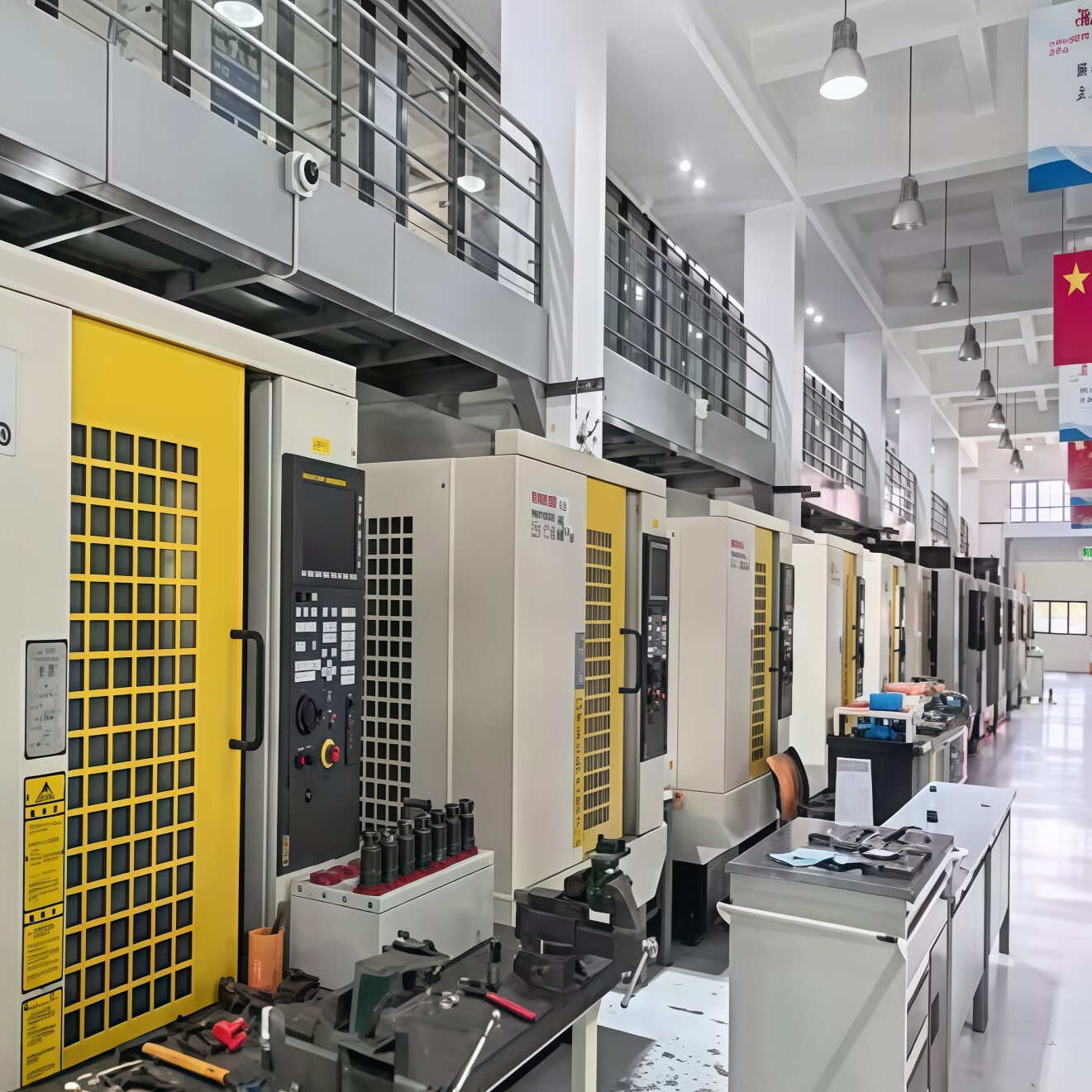
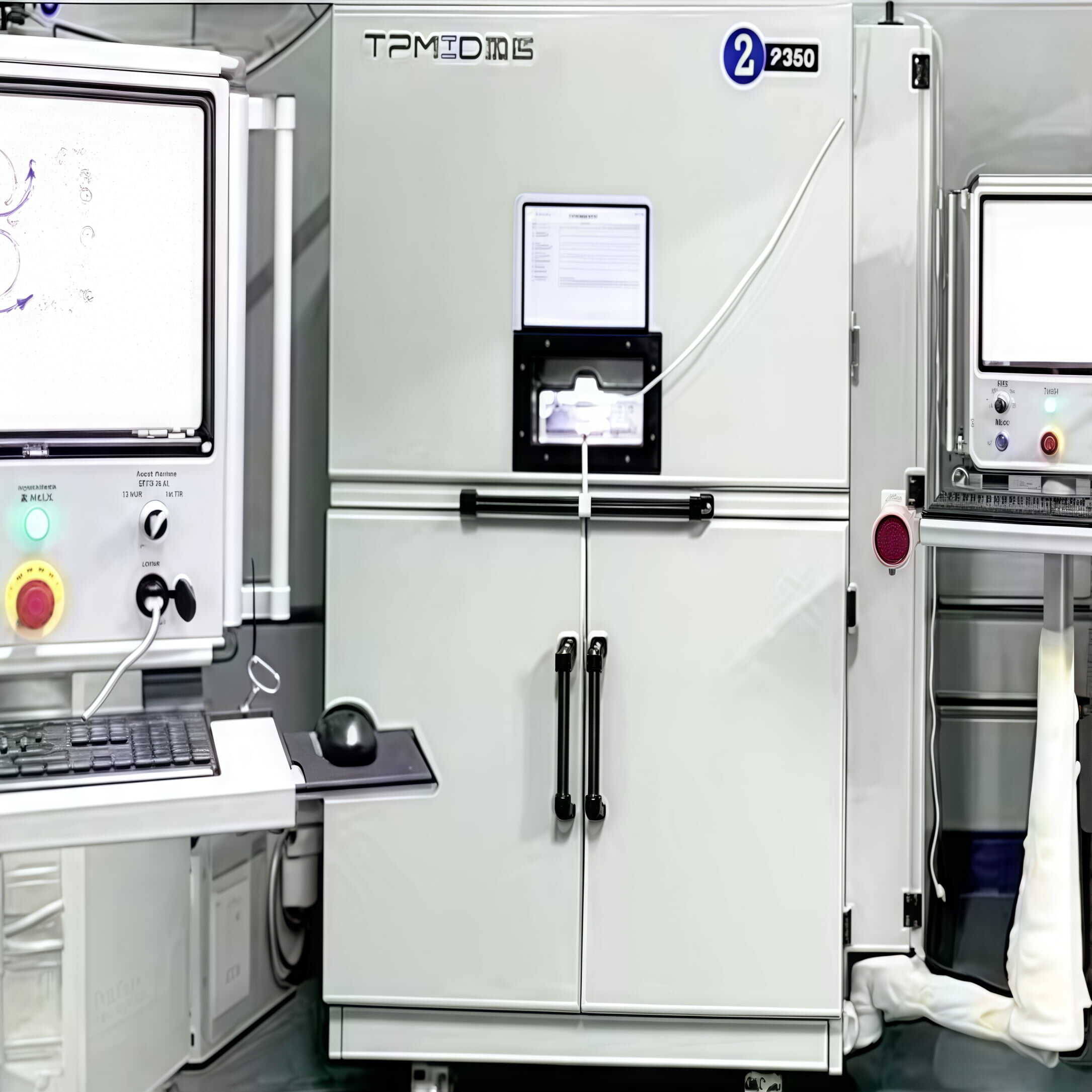
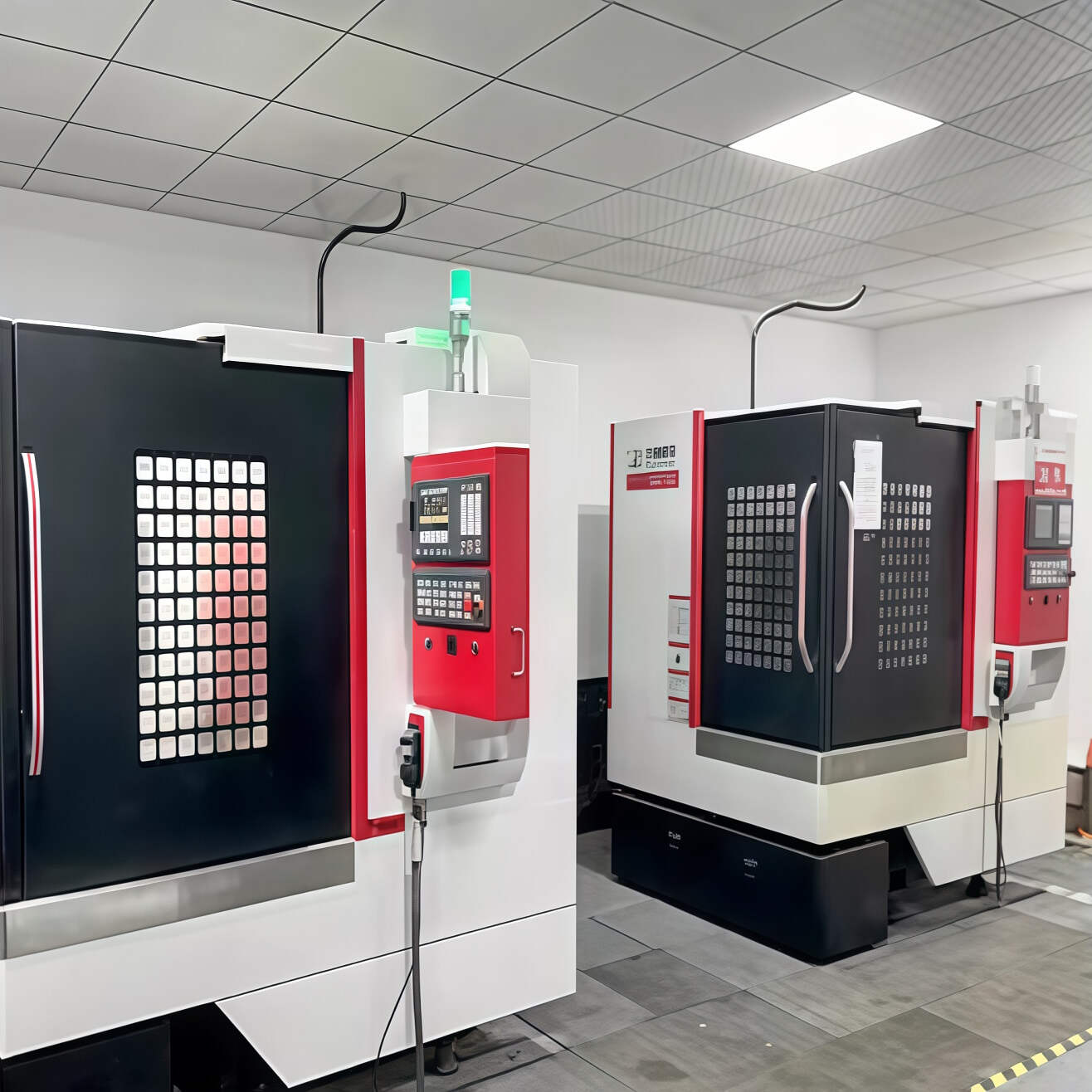
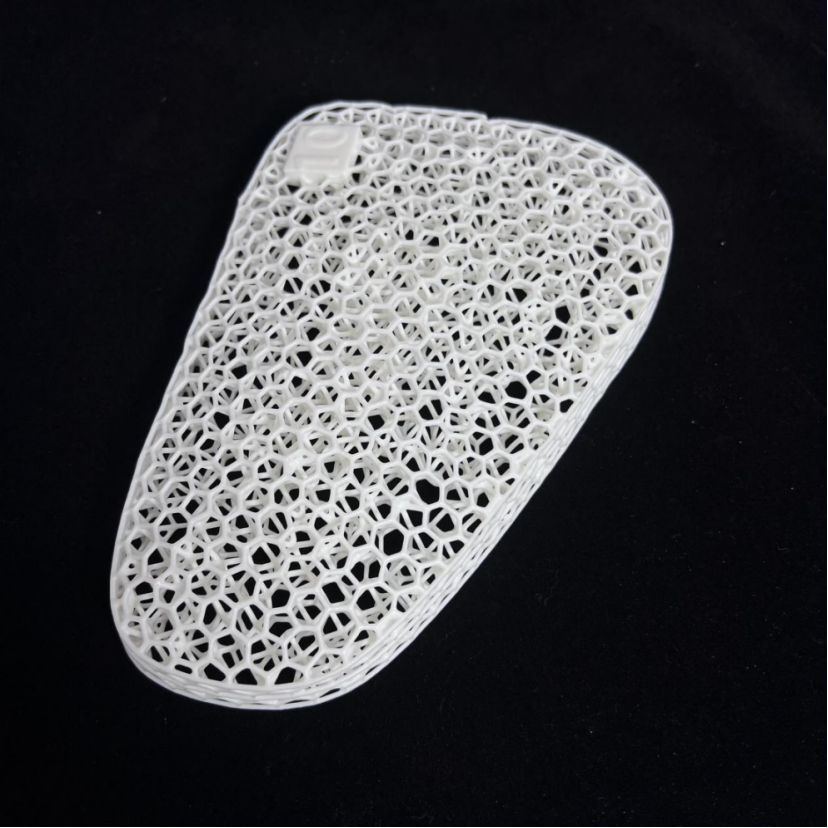
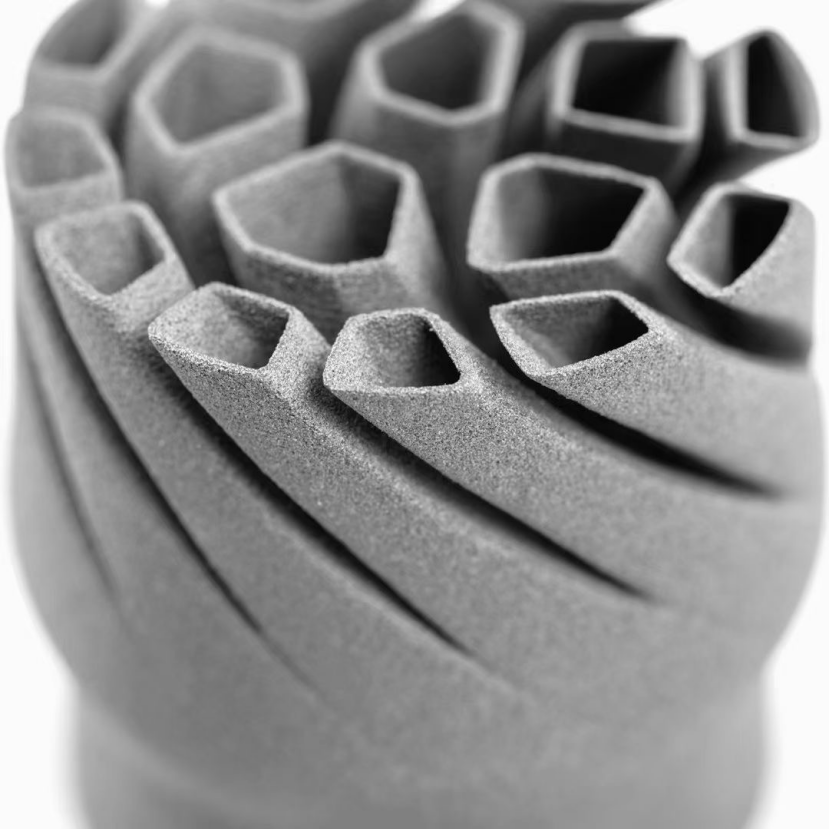
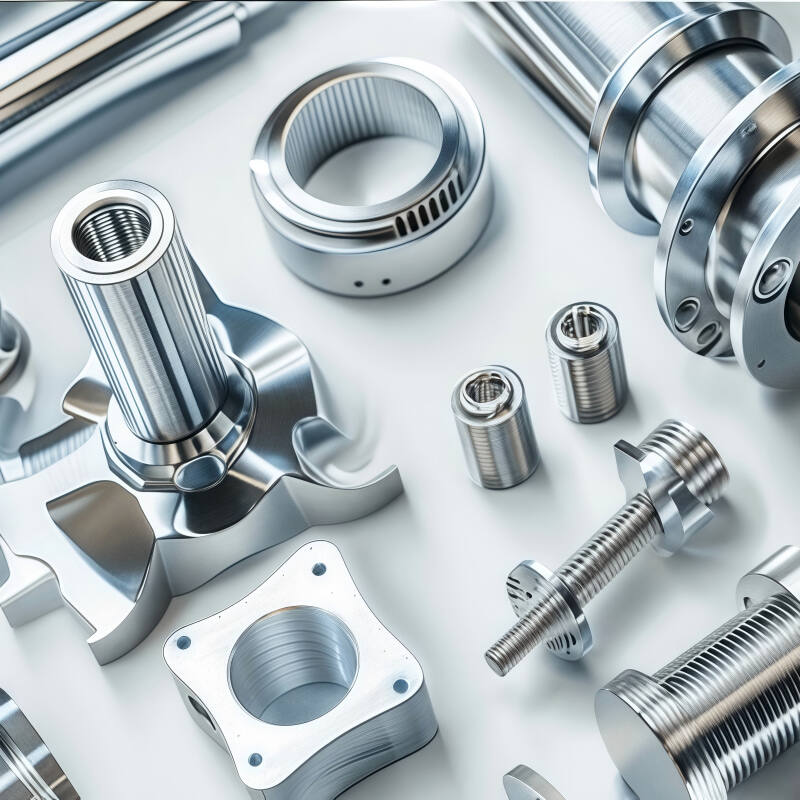
Custom metal 3D printing represents a revolutionary advancement in manufacturing technology, enabling the creation of complex metal components with unprecedented precision and flexibility. This innovative process, also known as metal additive manufacturing, builds parts layer by layer using specialized metal powders that are selectively melted by high-powered lasers or electron beams. The technology encompasses various methods, including Direct Metal Laser Sintering (DMLS), Selective Laser Melting (SLM), and Electron Beam Melting (EBM). These processes allow for the production of intricate geometries that would be impossible or prohibitively expensive to manufacture using traditional methods. The technology supports a wide range of metals, including titanium, aluminum, stainless steel, and nickel alloys, making it suitable for diverse applications across aerospace, automotive, medical, and industrial sectors. What sets custom metal 3D printing apart is its ability to produce parts with internal channels, lattice structures, and optimized topologies that maximize strength while minimizing weight. The technology enables rapid prototyping and small-batch production without the need for expensive tooling or molds, significantly reducing lead times and development costs.


Popular Products

Custom metal 3D printing offers numerous compelling advantages that revolutionize traditional manufacturing approaches. First, it enables design freedom that was previously unattainable, allowing engineers to create complex geometries and internal structures that optimize performance and reduce weight. This design flexibility leads to improved product functionality and efficiency. The technology significantly reduces material waste compared to subtractive manufacturing methods, making it more environmentally sustainable and cost-effective for certain applications. Production lead times are dramatically shortened as there's no need for tooling or mold creation, enabling rapid prototyping and faster time-to-market for new products. The ability to produce parts on-demand eliminates the need for large inventory storage and reduces associated costs. Quality and consistency are enhanced through precise digital control of the manufacturing process, ensuring repeatable results and high-quality components. The technology also enables mass customization, allowing manufacturers to easily modify designs without additional tooling costs. For industries requiring specialized materials, custom metal 3D printing provides access to a wide range of high-performance alloys and enables the creation of parts with superior mechanical properties. The process can integrate multiple components into a single piece, reducing assembly requirements and potential failure points. Additionally, the technology supports lightweight design optimization, crucial for industries like aerospace and automotive where weight reduction directly impacts performance and efficiency. The digital nature of the process facilitates easy design iteration and modification, enabling rapid product development and continuous improvement.

Latest News

Unlocking the Potential of SLS 3D Printing: The Role of PA12 and PA12+GF30 in Advanced Manufacturing

19

Jun

Unlocking the Potential of SLS 3D Printing: The Role of PA12 and PA12+GF30 in Advanced Manufacturing

View More
3D Printing Empowers Embodied AI: Reshaping the Paradigm of Customized, Small-Batch Production for Humanoid Robots

19

Jun

3D Printing Empowers Embodied AI: Reshaping the Paradigm of Customized, Small-Batch Production for Humanoid Robots

View More
3D Printing & Rapid Prototyping: Transforming Small-Batch, Customized Production

19

Jun

3D Printing & Rapid Prototyping: Transforming Small-Batch, Customized Production

View More

Get a Free Quote

Our representative will contact you soon.
Email
Name
Company Name
Message
0/1000

custom metal 3d printing

Unparalleled Design Freedom and Complexity

Unparalleled Design Freedom and Complexity

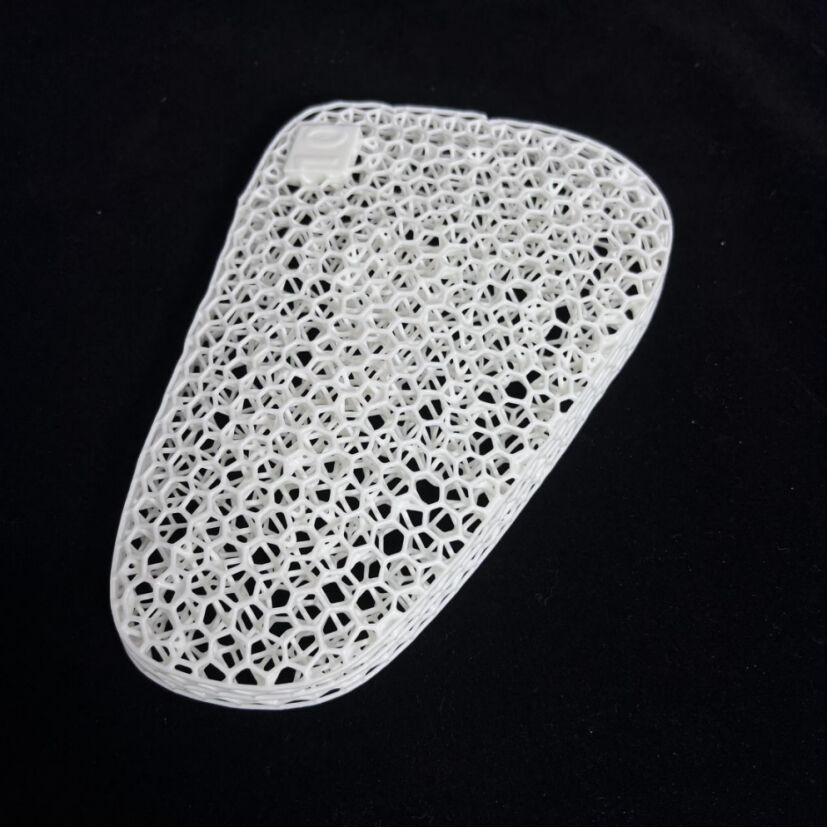
Custom metal 3D printing breaks the boundaries of traditional manufacturing constraints by enabling the creation of previously impossible geometries. This technology allows designers and engineers to implement complex internal channels, lattice structures, and organic shapes that optimize both form and function. The ability to print conformal cooling channels in tooling applications dramatically improves performance and longevity. Engineers can now design parts that are perfectly suited to their application, rather than being limited by manufacturing constraints. This design freedom extends to the creation of topology-optimized structures that maintain strength while reducing weight, resulting in more efficient and cost-effective components.
Rapid Prototyping and Production Flexibility

Rapid Prototyping and Production Flexibility

The technology revolutionizes the product development cycle by enabling rapid iteration and testing of designs without the need for expensive tooling or molds. This capability dramatically reduces development time and costs, allowing companies to bring products to market faster. The flexibility of custom metal 3D printing means that design changes can be implemented immediately without tooling modifications, and multiple design iterations can be produced and tested in parallel. This agility in production enables companies to respond quickly to market demands and customer feedback, maintaining a competitive edge in fast-moving industries.
Material Efficiency and Sustainability

Material Efficiency and Sustainability

Custom metal 3D printing represents a significant advance in sustainable manufacturing practices. The additive nature of the process means that material waste is minimized compared to traditional subtractive manufacturing methods. The technology enables the use of only the necessary amount of material, reducing raw material costs and environmental impact. Additionally, the ability to repair and remanufacture parts extends product lifecycles and reduces the need for complete replacements. The process also allows for the use of recycled materials in many applications, further enhancing its environmental benefits. The reduced energy consumption in production and the elimination of traditional tooling requirements contribute to a smaller carbon footprint.

Get a Free Quote

Our representative will contact you soon.
Email
Name
Company Name
Message
0/1000