Industrial 3D Printing Materials: Advanced Solutions for Modern Manufacturing

All Categories

Get a Free Quote

Our representative will contact you soon.
Email
Name
Company Name
Message
0/1000

industrial 3d printing materials

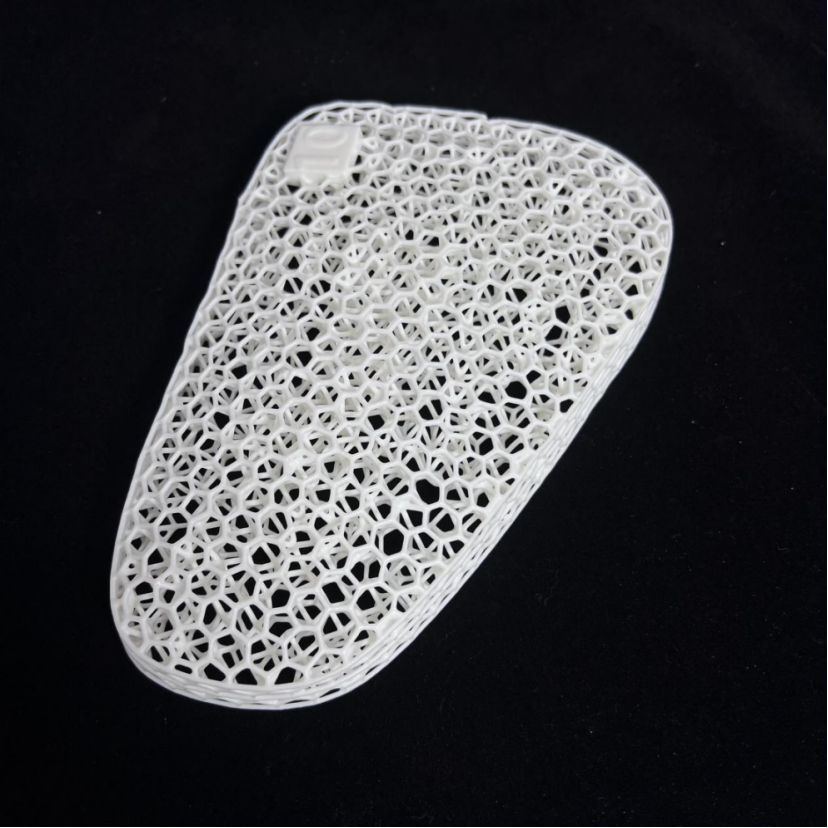
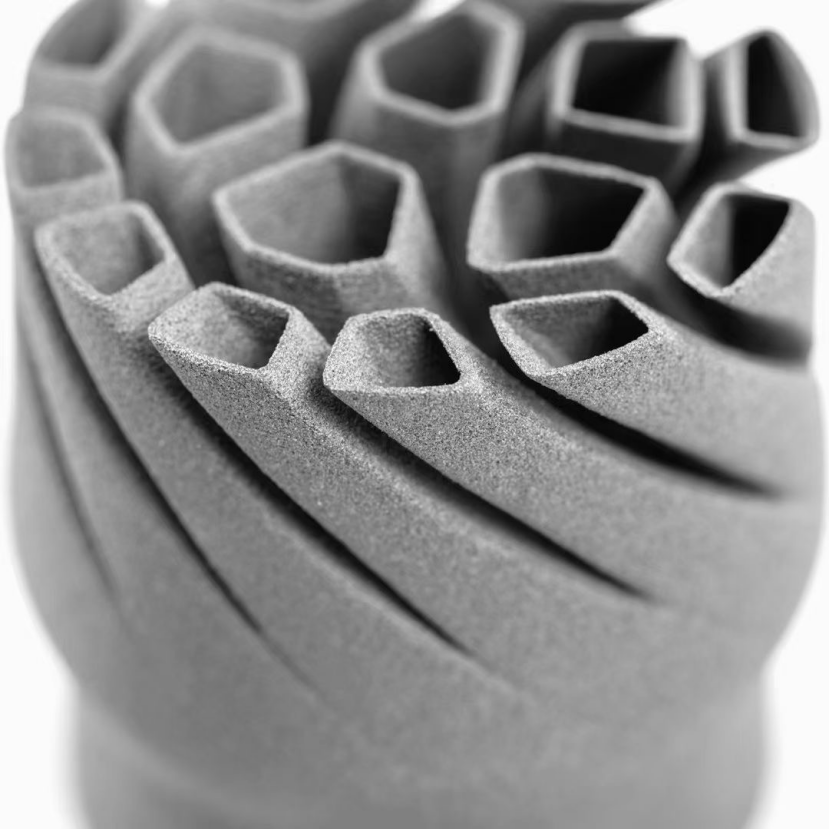
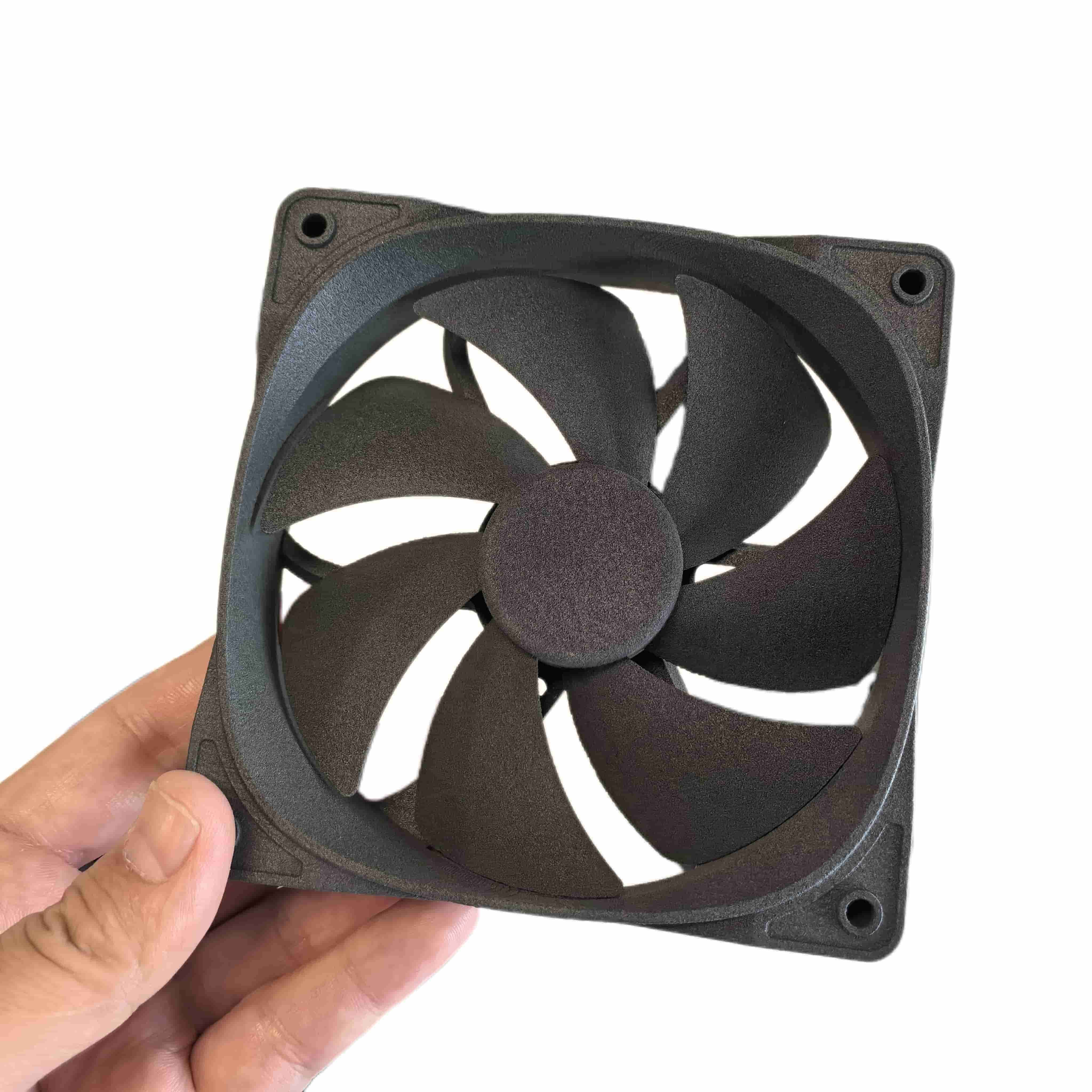
Industrial 3D printing materials represent a revolutionary advancement in manufacturing technology, encompassing a diverse range of substances engineered specifically for additive manufacturing processes. These materials include high-performance polymers, metals, ceramics, and composites, each designed to meet specific industrial requirements. The materials are formulated to maintain structural integrity during the printing process while delivering exceptional mechanical properties in the final product. Advanced polymer materials, such as PEEK and ULTEM, offer high temperature resistance and chemical stability, making them ideal for aerospace and automotive applications. Metal powders, including titanium, aluminum, and stainless steel alloys, enable the production of complex geometries with outstanding strength-to-weight ratios. Ceramic materials provide excellent thermal resistance and electrical insulation properties, crucial for specialized industrial applications. These materials undergo rigorous quality control processes to ensure consistent particle size distribution, flowability, and fusion characteristics, essential for achieving precise, repeatable results in industrial 3D printing operations. The continuous development of new material formulations expands the possibilities for manufacturing innovation, enabling the production of components with previously unattainable properties and characteristics.


New Product Recommendations

Industrial 3D printing materials offer numerous compelling advantages that revolutionize manufacturing processes across various sectors. First, these materials enable unprecedented design freedom, allowing engineers to create complex geometries that would be impossible or prohibitively expensive with traditional manufacturing methods. The materials exhibit excellent strength-to-weight ratios, particularly important in aerospace and automotive applications where weight reduction is crucial. They also provide superior chemical resistance and thermal stability, ensuring long-term reliability in demanding environments. Cost efficiency is another significant benefit, as these materials minimize waste through additive manufacturing processes, utilizing only the necessary amount of material for each component. The ability to quickly prototype and iterate designs using these materials significantly reduces development time and costs. Industrial 3D printing materials also offer excellent customization possibilities, allowing manufacturers to adjust material properties to meet specific application requirements. The materials demonstrate remarkable durability and consistency in performance, ensuring reliable product quality across production runs. Environmental sustainability is enhanced through reduced material waste and the ability to recycle certain materials. The materials support rapid manufacturing capabilities, enabling quick response to market demands and reducing inventory requirements. Additionally, these materials facilitate the production of spare parts on demand, reducing the need for extensive inventory storage and enabling just-in-time manufacturing strategies. The combination of these advantages makes industrial 3D printing materials an invaluable resource for modern manufacturing operations.

Practical Tips

Unlocking the Potential of SLS 3D Printing: The Role of PA12 and PA12+GF30 in Advanced Manufacturing

19

Jun

Unlocking the Potential of SLS 3D Printing: The Role of PA12 and PA12+GF30 in Advanced Manufacturing

View More
3D Printing Empowers Embodied AI: Reshaping the Paradigm of Customized, Small-Batch Production for Humanoid Robots

19

Jun

3D Printing Empowers Embodied AI: Reshaping the Paradigm of Customized, Small-Batch Production for Humanoid Robots

View More
3D Printing & Rapid Prototyping: Transforming Small-Batch, Customized Production

19

Jun

3D Printing & Rapid Prototyping: Transforming Small-Batch, Customized Production

View More

Get a Free Quote

Our representative will contact you soon.
Email
Name
Company Name
Message
0/1000

industrial 3d printing materials

Advanced Material Properties and Performance

Advanced Material Properties and Performance

Industrial 3D printing materials excel in delivering exceptional mechanical properties that meet or exceed traditional manufacturing standards. These materials undergo sophisticated engineering processes to ensure optimal performance in various applications. The advanced formulation techniques result in materials with superior tensile strength, impact resistance, and dimensional stability. High-performance polymers demonstrate excellent heat resistance, capable of withstanding temperatures exceeding 200°C while maintaining structural integrity. Metal powders are specifically designed for uniform particle size distribution, ensuring consistent melting behavior and superior layer adhesion during the printing process. The materials also feature enhanced surface finish capabilities, reducing the need for post-processing operations and improving overall production efficiency.
Versatility and Application Flexibility

Versatility and Application Flexibility

The remarkable versatility of industrial 3D printing materials enables their application across diverse industries and manufacturing scenarios. These materials can be optimized for specific requirements, from high-strength structural components to flexible, elastic parts. The ability to fine-tune material properties allows manufacturers to achieve precise specifications for different applications. This flexibility extends to color options, surface textures, and finishing possibilities, providing complete creative freedom in product development. The materials support various printing technologies, including FDM, SLS, and DMLS, making them adaptable to different production requirements and scales. This versatility also enables the creation of multi-material prints, combining different properties within a single component.
Quality Assurance and Certification Standards

Quality Assurance and Certification Standards

Industrial 3D printing materials undergo rigorous quality control processes and certification procedures to ensure consistent performance and reliability. Each batch of material is tested for critical parameters including particle size distribution, flow characteristics, and mechanical properties. The materials comply with industry-specific standards and certifications, making them suitable for regulated industries such as aerospace and medical device manufacturing. Manufacturers implement comprehensive traceability systems, tracking materials from production through final application. This attention to quality assurance ensures reproducible results and consistent part properties across production runs. The materials are also subjected to extensive testing under various environmental conditions to validate their performance in real-world applications.

Get a Free Quote

Our representative will contact you soon.
Email
Name
Company Name
Message
0/1000