Industrial 3D Printing Services: Advanced Manufacturing Solutions for Custom Parts and Prototypes

All Categories

Get a Free Quote

Our representative will contact you soon.
Email
Name
Company Name
Message
0/1000

industrial 3d printing services

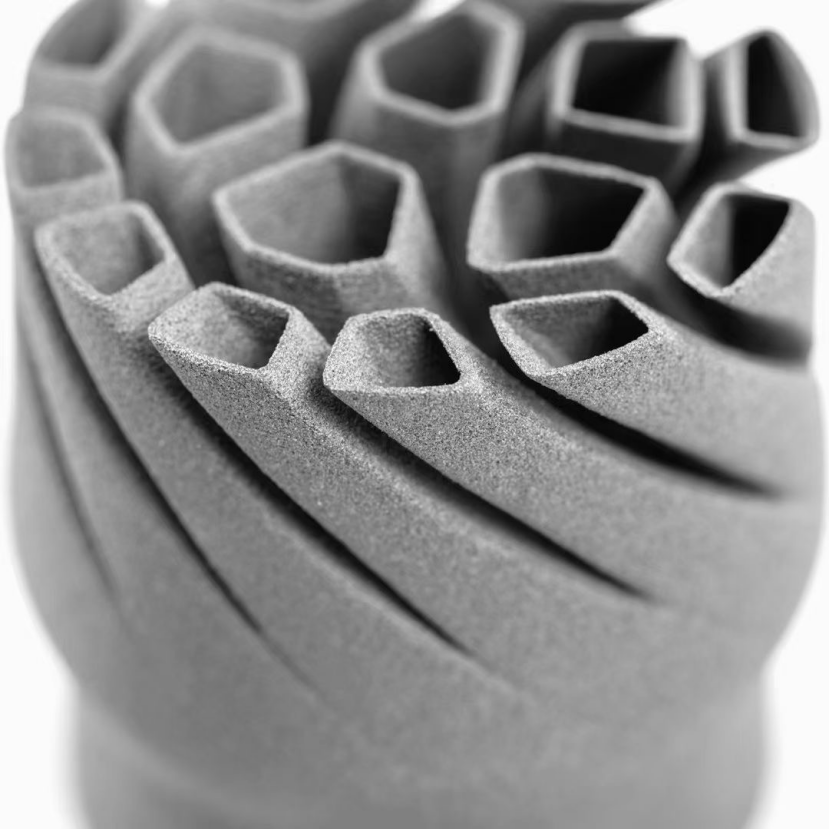
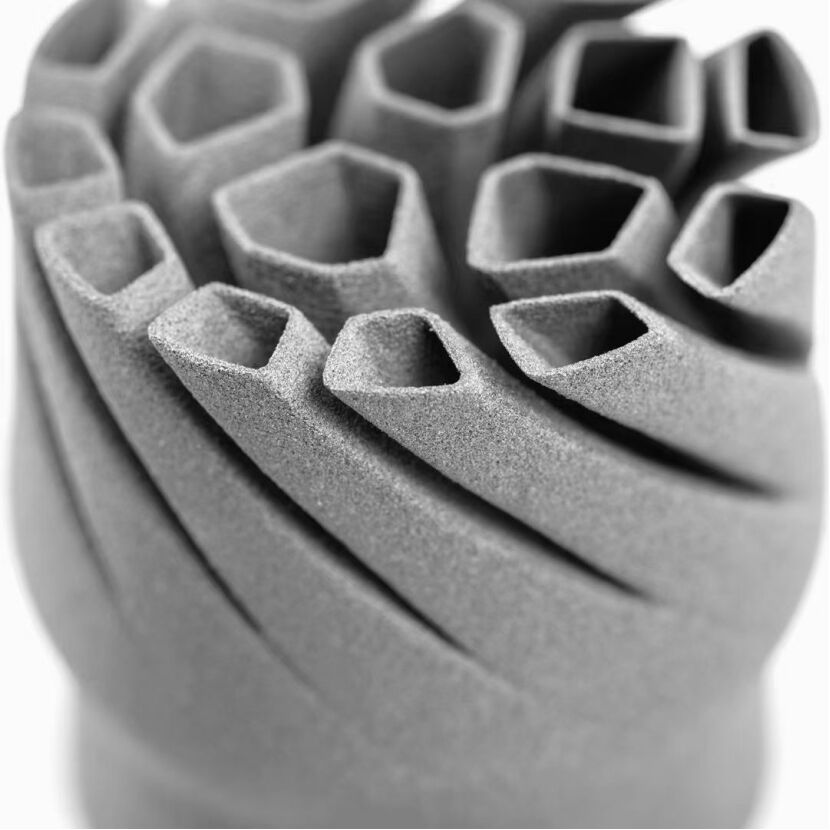
Industrial 3D printing services represent a revolutionary manufacturing approach that transforms digital designs into physical objects through additive manufacturing technology. This advanced process builds objects layer by layer using various materials including metals, polymers, and composites. The technology combines precision engineering with digital flexibility, enabling the production of complex geometries that would be impossible or cost-prohibitive with traditional manufacturing methods. These services utilize sophisticated software and hardware systems to interpret CAD files and create three-dimensional objects with exceptional accuracy. The process encompasses multiple technologies including Selective Laser Sintering (SLS), Fused Deposition Modeling (FDM), and Direct Metal Laser Sintering (DMLS), each suited for specific applications and materials. Industrial 3D printing services find extensive applications across aerospace, automotive, medical, and consumer goods sectors. They excel in producing prototypes, custom tools, end-use parts, and small-batch production runs. The technology enables rapid iteration of designs, allowing for quick modifications and improvements without significant tooling costs. Additionally, these services offer benefits like reduced material waste, shorter lead times, and the ability to create lightweight yet strong structures through innovative design optimization.


New Product Recommendations

Industrial 3D printing services offer numerous compelling advantages that revolutionize traditional manufacturing processes. First, they provide unprecedented design freedom, allowing the creation of complex geometries and internal structures that would be impossible to achieve through conventional manufacturing methods. This design flexibility enables the optimization of parts for both performance and weight reduction. The technology significantly reduces lead times, enabling rapid prototyping and faster time-to-market for new products. Unlike traditional manufacturing, there's no need for tooling or molds, which eliminates associated costs and delays. Cost-effectiveness is particularly evident in low to medium volume production runs, where traditional manufacturing methods often prove expensive. The ability to produce parts on-demand minimizes inventory costs and reduces warehouse space requirements. Material efficiency is another key advantage, as 3D printing only uses the material needed for the part, minimizing waste compared to subtractive manufacturing methods. The technology enables mass customization without significant cost increases, allowing manufacturers to easily modify designs for specific customer requirements. Quality control is enhanced through digital consistency, ensuring each part meets exact specifications. The process also supports sustainable manufacturing practices by reducing material waste and enabling local production, which decreases transportation costs and environmental impact. Additionally, industrial 3D printing services facilitate rapid iteration and testing of designs, accelerating the product development cycle and reducing the risk of costly design flaws in final production.

Practical Tips

Unlocking the Potential of SLS 3D Printing: The Role of PA12 and PA12+GF30 in Advanced Manufacturing

19

Jun

Unlocking the Potential of SLS 3D Printing: The Role of PA12 and PA12+GF30 in Advanced Manufacturing

View More
3D Printing Empowers Embodied AI: Reshaping the Paradigm of Customized, Small-Batch Production for Humanoid Robots

19

Jun

3D Printing Empowers Embodied AI: Reshaping the Paradigm of Customized, Small-Batch Production for Humanoid Robots

View More
3D Printing & Rapid Prototyping: Transforming Small-Batch, Customized Production

19

Jun

3D Printing & Rapid Prototyping: Transforming Small-Batch, Customized Production

View More

Get a Free Quote

Our representative will contact you soon.
Email
Name
Company Name
Message
0/1000

industrial 3d printing services

Advanced Materials and Technology Integration

Advanced Materials and Technology Integration

Industrial 3D printing services leverage cutting-edge materials science and advanced manufacturing technologies to deliver exceptional results. The technology supports an extensive range of materials, including high-performance polymers, metal alloys, and composite materials, each carefully selected to meet specific application requirements. State-of-the-art printing systems utilize precise thermal control and advanced monitoring systems to ensure optimal material properties and part quality. This technological integration enables the production of components with superior mechanical properties, excellent surface finish, and consistent quality across production runs. The ability to work with multiple materials in a single build process opens new possibilities for creating parts with varying properties and functionalities.
Customization and Design Optimization

Customization and Design Optimization

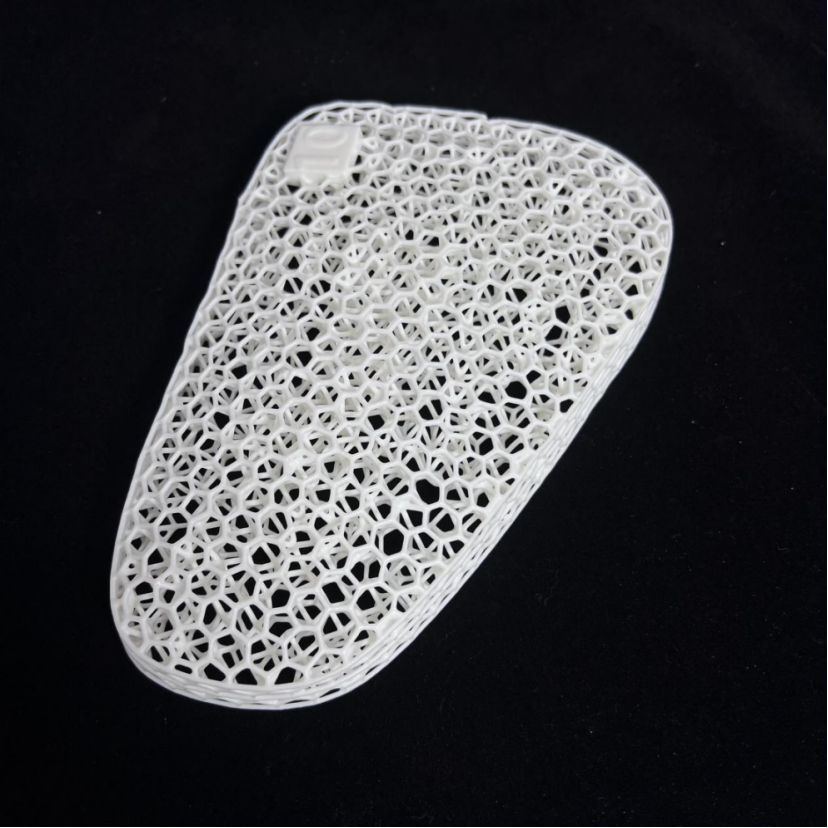
One of the most significant advantages of industrial 3D printing services is the unprecedented level of customization and design optimization they offer. Through advanced software tools and simulation capabilities, designs can be optimized for specific performance requirements while minimizing material usage and weight. This process, known as topology optimization, creates structures that are both stronger and lighter than traditionally manufactured parts. The technology enables the integration of complex internal features, conformal cooling channels, and lattice structures that enhance product performance. Custom designs can be rapidly prototyped and modified based on testing feedback, significantly reducing the development cycle time.
Cost-Effective Production Solutions

Cost-Effective Production Solutions

Industrial 3D printing services provide cost-effective production solutions that transform traditional manufacturing economics. The elimination of tooling costs makes low-volume production economically viable, enabling manufacturers to produce small batches without significant upfront investment. The digital nature of the process allows for rapid design changes without additional tooling expenses, reducing the financial risk associated with product development. On-demand production capabilities minimize inventory costs and eliminate the need for minimum order quantities. The technology also reduces assembly costs by enabling the consolidation of multiple components into single, complex parts. This approach not only saves money but also improves product reliability by reducing potential failure points at component interfaces.

Get a Free Quote

Our representative will contact you soon.
Email
Name
Company Name
Message
0/1000