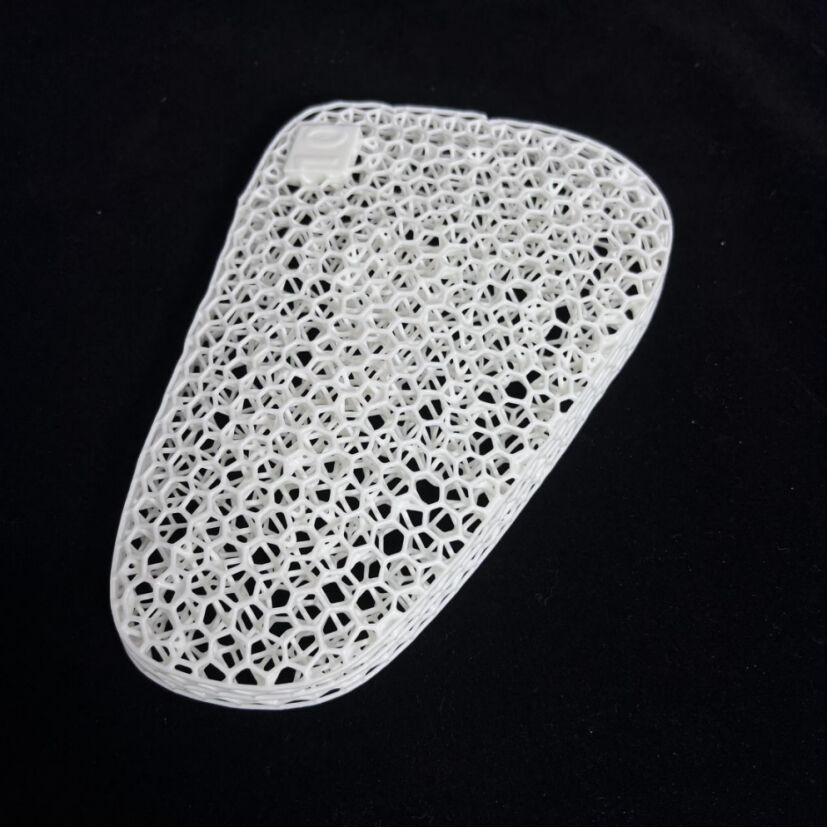
Low Production Volume Manufacturing: Precision, Flexibility, and Customization Excellence

All Categories

Get a Free Quote

Our representative will contact you soon.
Email
Name
Company Name
Message
0/1000

low production volume

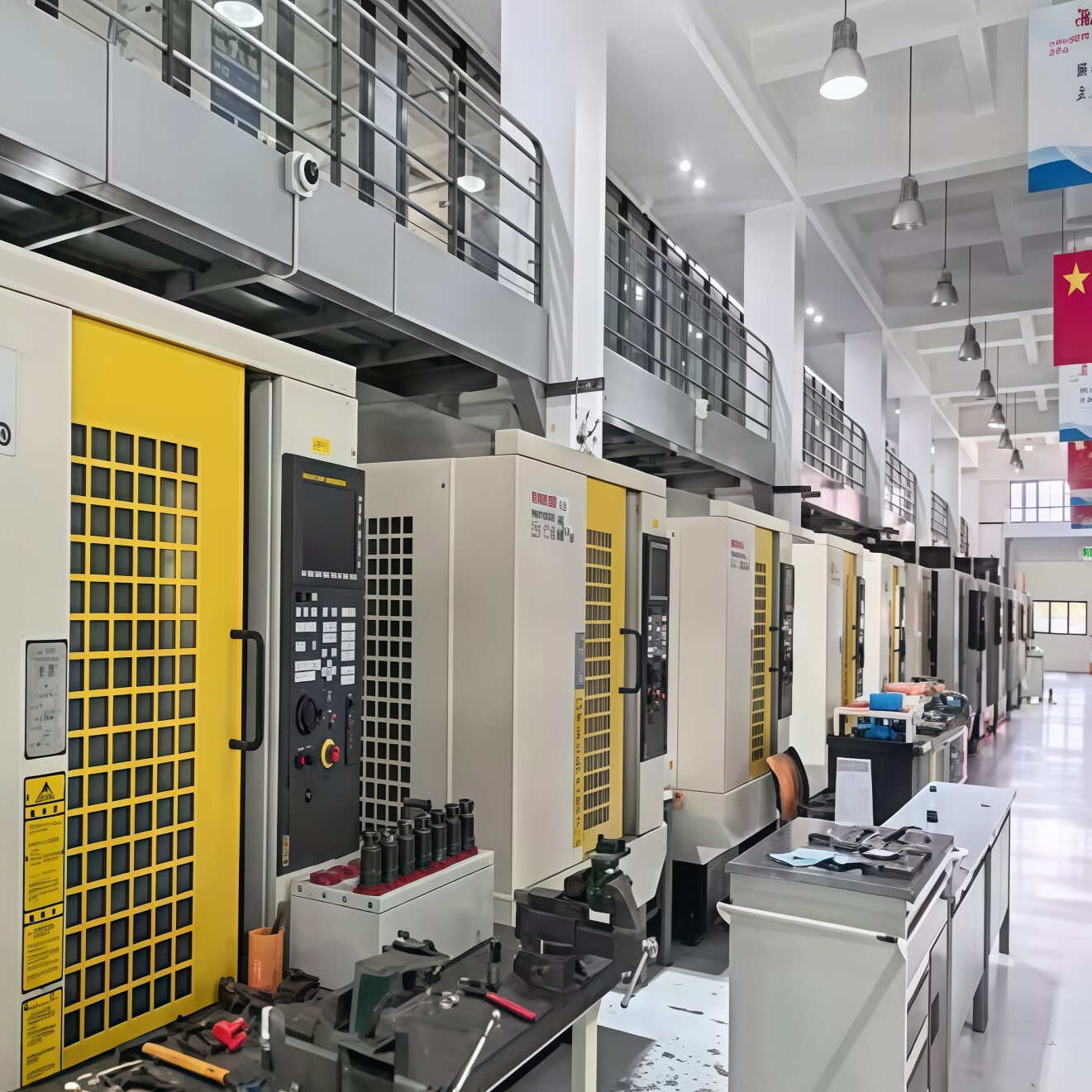
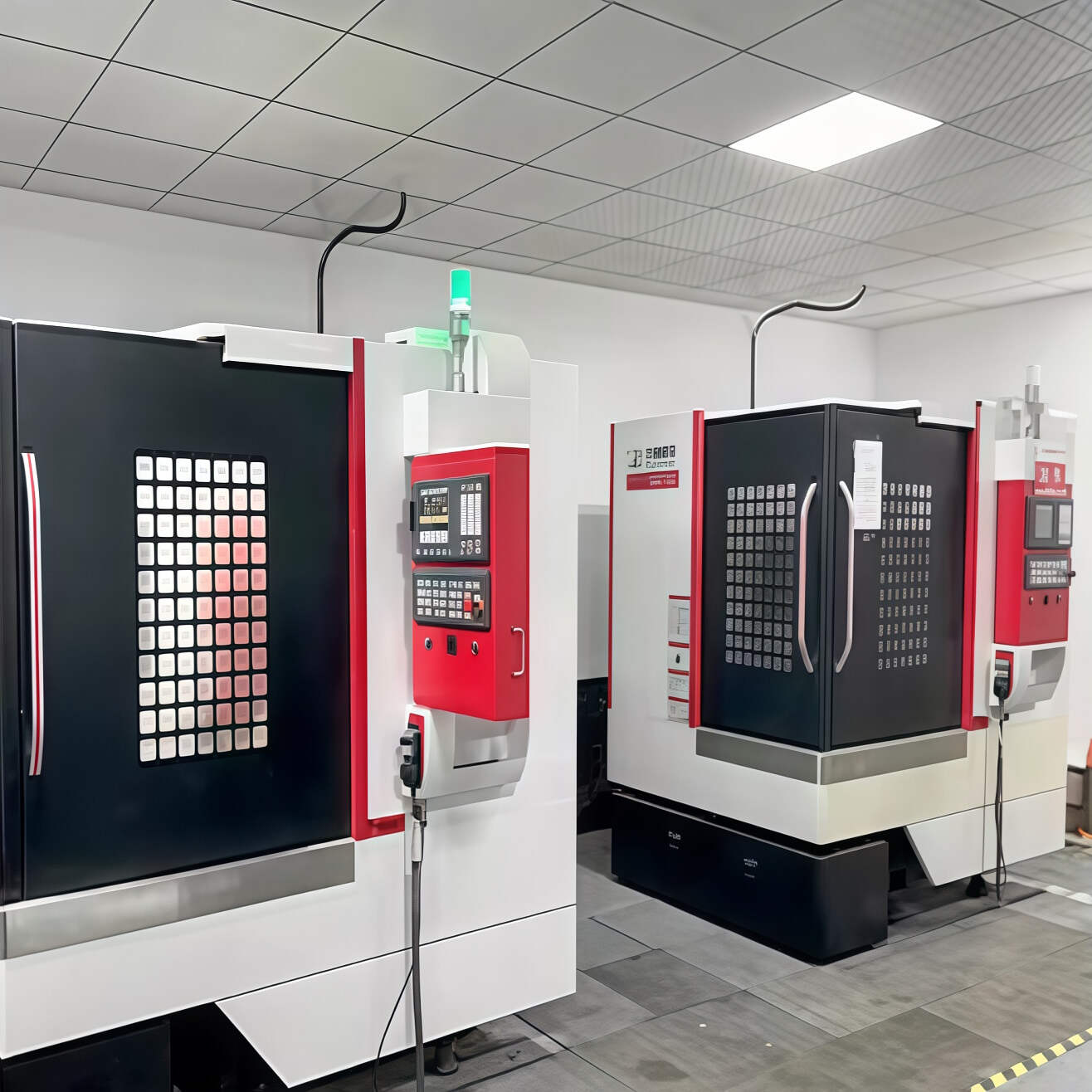
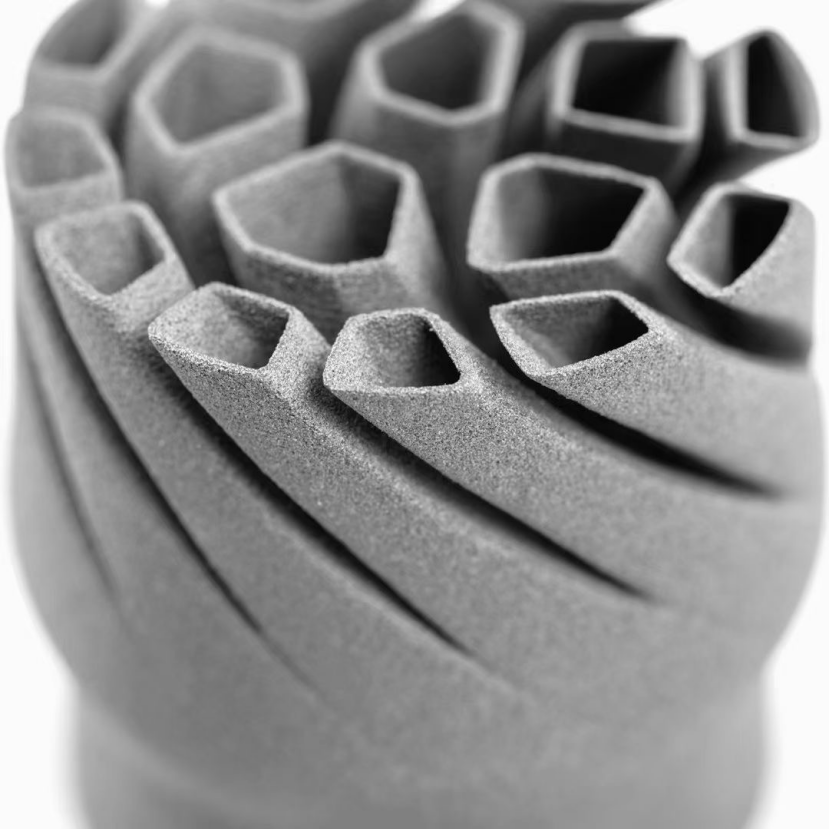
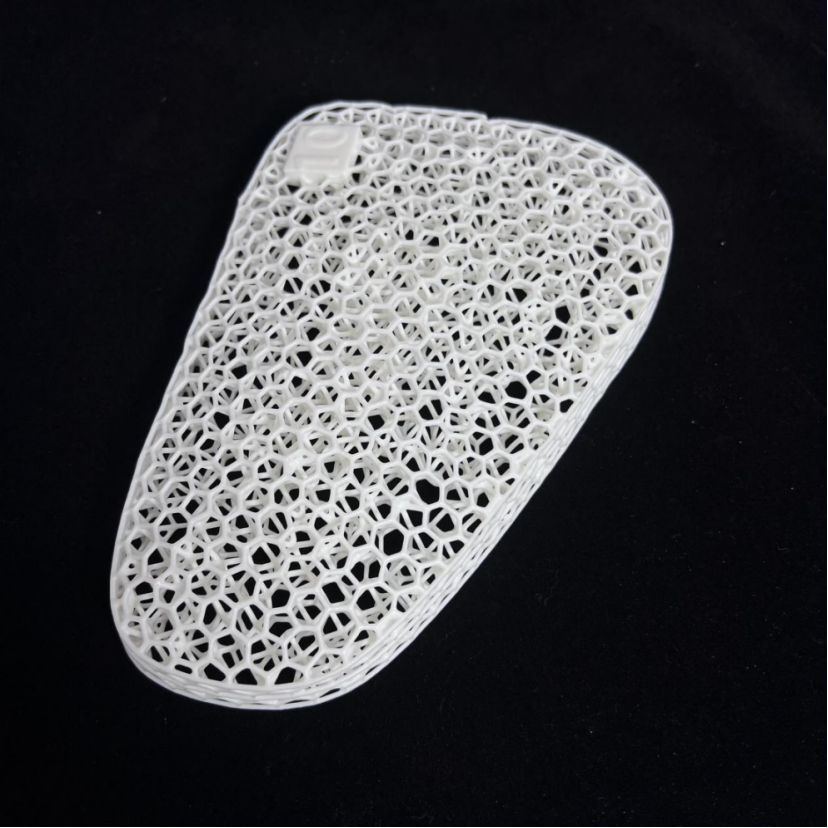
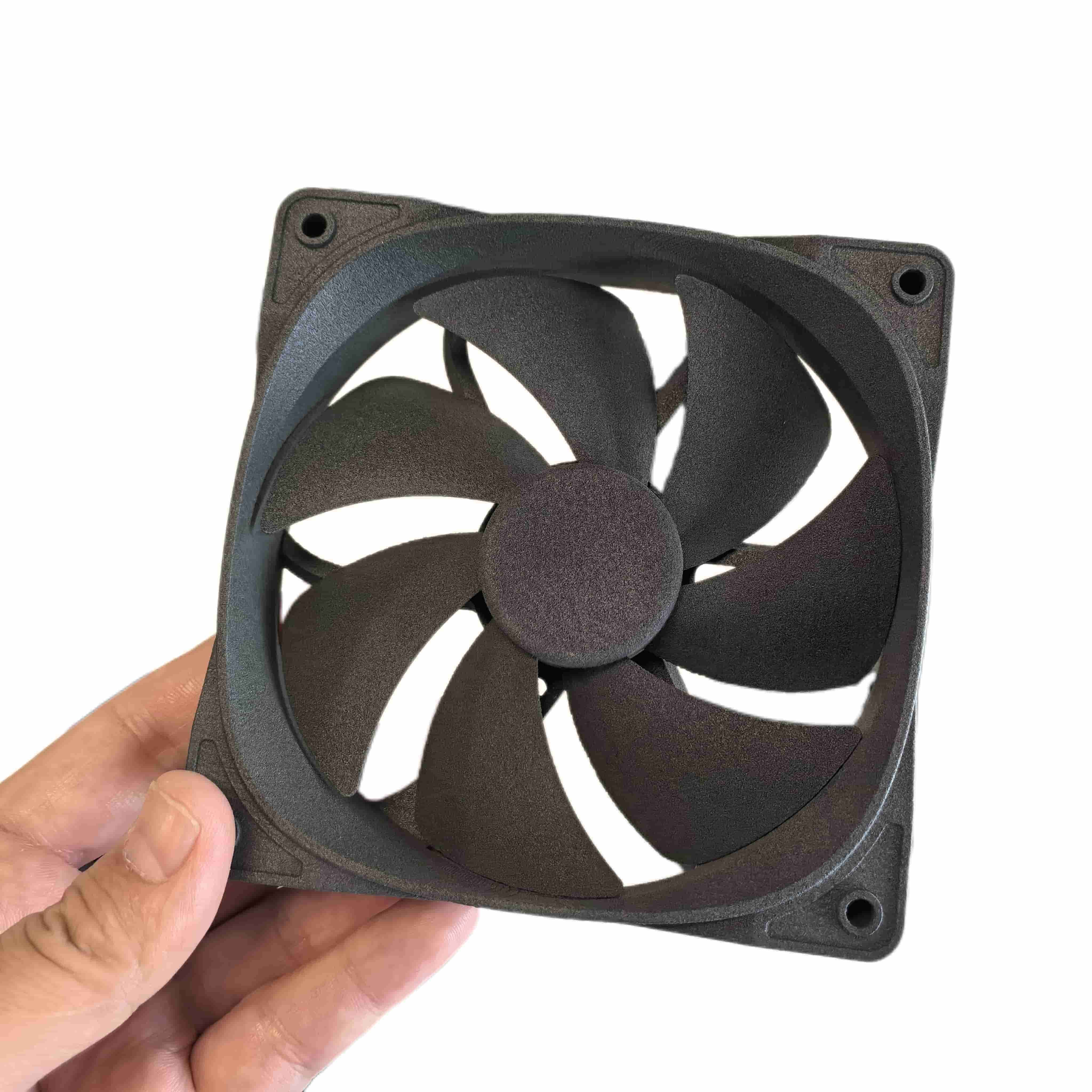
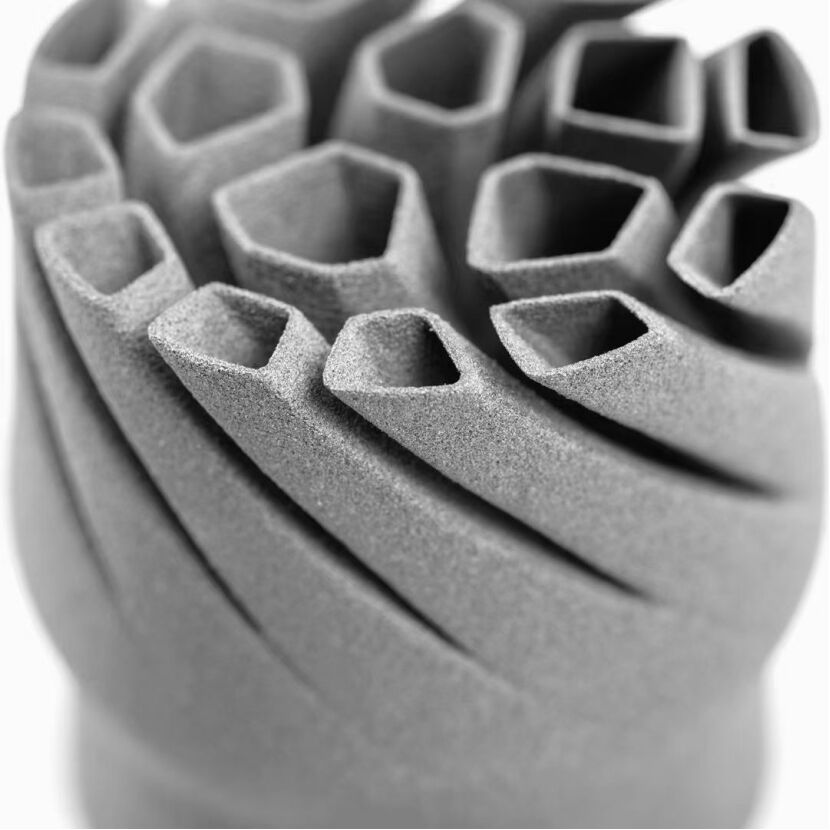
Low production volume manufacturing represents a specialized approach to manufacturing that focuses on producing smaller quantities of products with high precision and customization capabilities. This methodology is characterized by its flexibility in accommodating design changes, reduced inventory requirements, and ability to maintain high quality standards across limited production runs. The process typically involves advanced manufacturing technologies, including CNC machining, 3D printing, and specialized tooling systems that can be quickly reconfigured for different product specifications. Low production volume is particularly valuable in industries where product requirements frequently change or where customization is essential. This manufacturing approach employs sophisticated quality control measures to ensure consistency across smaller batches, while maintaining cost-effectiveness through optimized production planning and resource allocation. The technology enables manufacturers to respond rapidly to market demands, implement design improvements, and maintain lower inventory levels while ensuring product quality meets or exceeds industry standards. This manufacturing strategy is especially beneficial for specialized industries such as aerospace, medical devices, and custom machinery, where precision and flexibility are paramount.


New Product Releases

Low production volume manufacturing offers several distinct advantages that make it an attractive option for businesses across various sectors. First, it provides unprecedented flexibility in production planning, allowing companies to adjust their manufacturing schedules based on actual demand rather than forecasted needs. This reduces the risk of excess inventory and associated carrying costs. The approach enables rapid implementation of design modifications and improvements without the substantial financial impact typically associated with large-scale production changes. Quality control is enhanced as each unit can receive more individual attention during the manufacturing process, resulting in higher overall product quality and reduced defect rates. The reduced initial investment required for tooling and equipment makes it easier for companies to enter new markets or test new products without significant financial risk. Additionally, low production volume manufacturing supports a more sustainable approach to production by minimizing waste and energy consumption through optimized resource utilization. The ability to produce smaller batches allows for better customization options, meeting specific customer requirements without compromising on quality or efficiency. This manufacturing method also facilitates faster time-to-market for new products, as production can begin with minimal setup time and without the need for extensive tooling development.

Latest News

Unlocking the Potential of SLS 3D Printing: The Role of PA12 and PA12+GF30 in Advanced Manufacturing

19

Jun

Unlocking the Potential of SLS 3D Printing: The Role of PA12 and PA12+GF30 in Advanced Manufacturing

View More
3D Printing Empowers Embodied AI: Reshaping the Paradigm of Customized, Small-Batch Production for Humanoid Robots

19

Jun

3D Printing Empowers Embodied AI: Reshaping the Paradigm of Customized, Small-Batch Production for Humanoid Robots

View More
3D Printing & Rapid Prototyping: Transforming Small-Batch, Customized Production

19

Jun

3D Printing & Rapid Prototyping: Transforming Small-Batch, Customized Production

View More

Get a Free Quote

Our representative will contact you soon.
Email
Name
Company Name
Message
0/1000

low production volume

Enhanced Customization Capabilities

Enhanced Customization Capabilities

Low production volume manufacturing excels in providing superior customization options, allowing manufacturers to adapt products to specific customer requirements with unprecedented precision. This capability is particularly valuable in industries where standard products may not meet specialized needs. The manufacturing process can be quickly modified to accommodate various design specifications, material choices, and finishing requirements without significant additional costs or delays. This flexibility enables businesses to serve niche markets effectively and maintain a competitive edge through product differentiation. The ability to make rapid design modifications also supports continuous product improvement and innovation, as changes can be implemented quickly and with minimal disruption to ongoing operations.
Cost-Effective Small Batch Production

Cost-Effective Small Batch Production

The economic efficiency of low production volume manufacturing lies in its ability to produce small quantities without the substantial overhead typically associated with traditional mass production methods. This approach eliminates the need for large inventory investments and reduces storage costs significantly. The manufacturing process is optimized for smaller runs, utilizing flexible manufacturing systems that can be quickly reconfigured for different products. This results in lower per-unit costs for small batches compared to traditional manufacturing methods, making it financially viable for businesses to produce limited quantities of specialized products. The reduced setup times and minimal tooling requirements further contribute to cost savings, making it an economically sound choice for businesses focused on specialized or custom products.
Superior Quality Control

Superior Quality Control

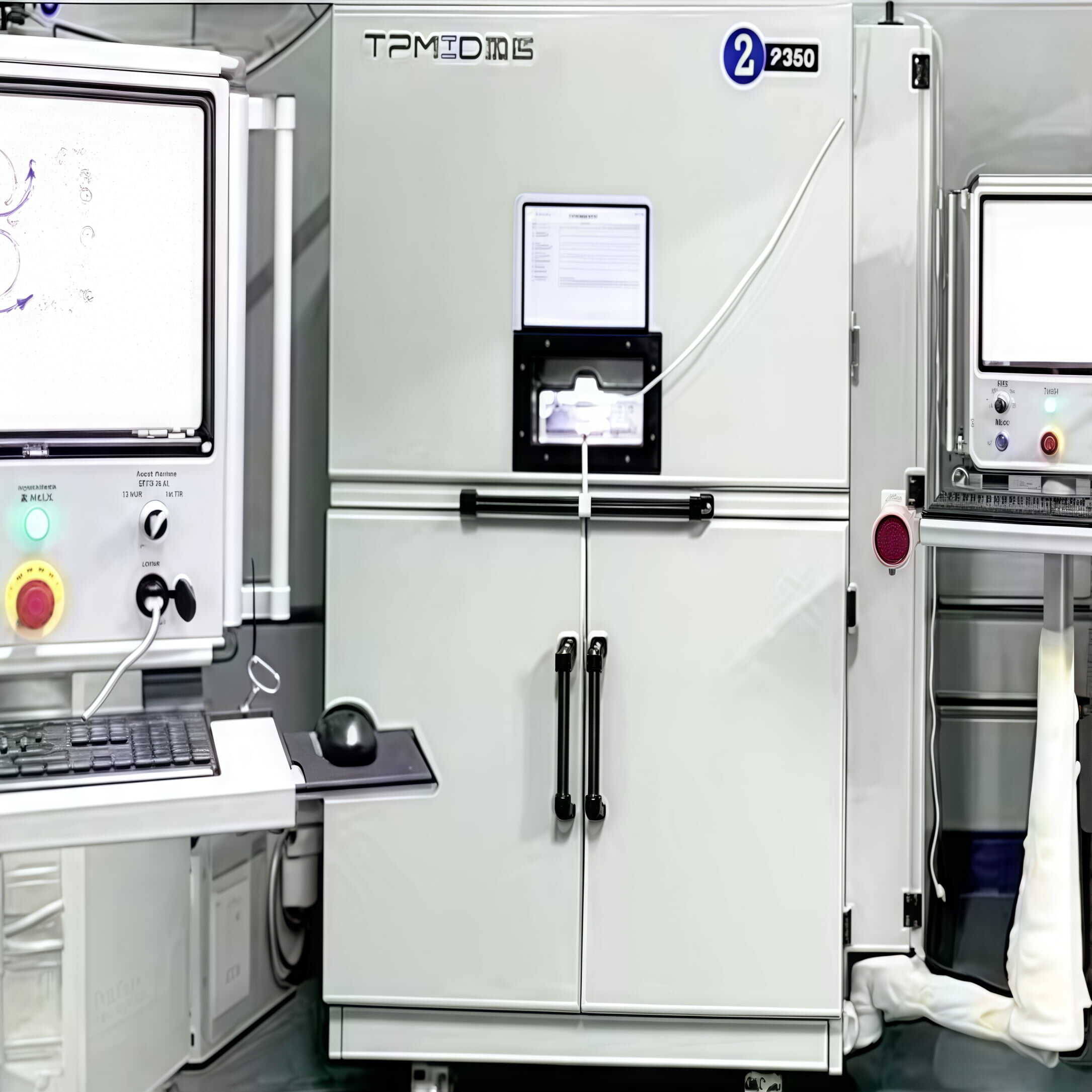
Low production volume manufacturing enables enhanced quality control measures that are often challenging to implement in high-volume production environments. Each unit can receive detailed attention during the manufacturing process, allowing for thorough inspection and testing at multiple stages of production. This level of scrutiny helps identify and address potential issues before they become significant problems, resulting in consistently high-quality output. The manufacturing process incorporates advanced quality control technologies and methodologies, ensuring that each product meets exact specifications. This attention to detail is particularly crucial in industries where product reliability and precision are essential, such as medical device manufacturing or aerospace components.

Get a Free Quote

Our representative will contact you soon.
Email
Name
Company Name
Message
0/1000