Low Volume Production: Flexible, Cost-Effective Manufacturing Solutions for Precision Products

All Categories

Get a Free Quote

Our representative will contact you soon.
Email
Name
Company Name
Message
0/1000

low volume production

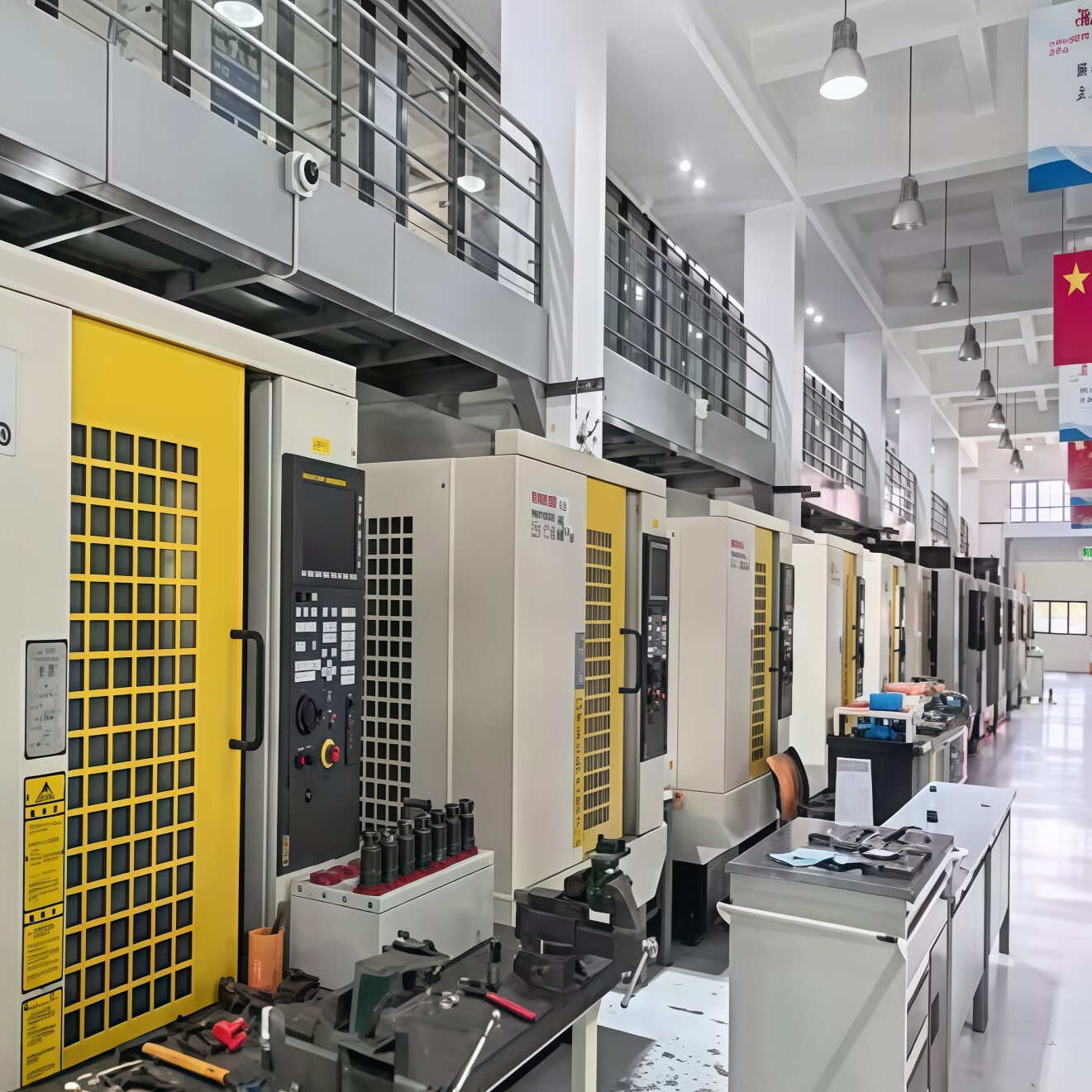
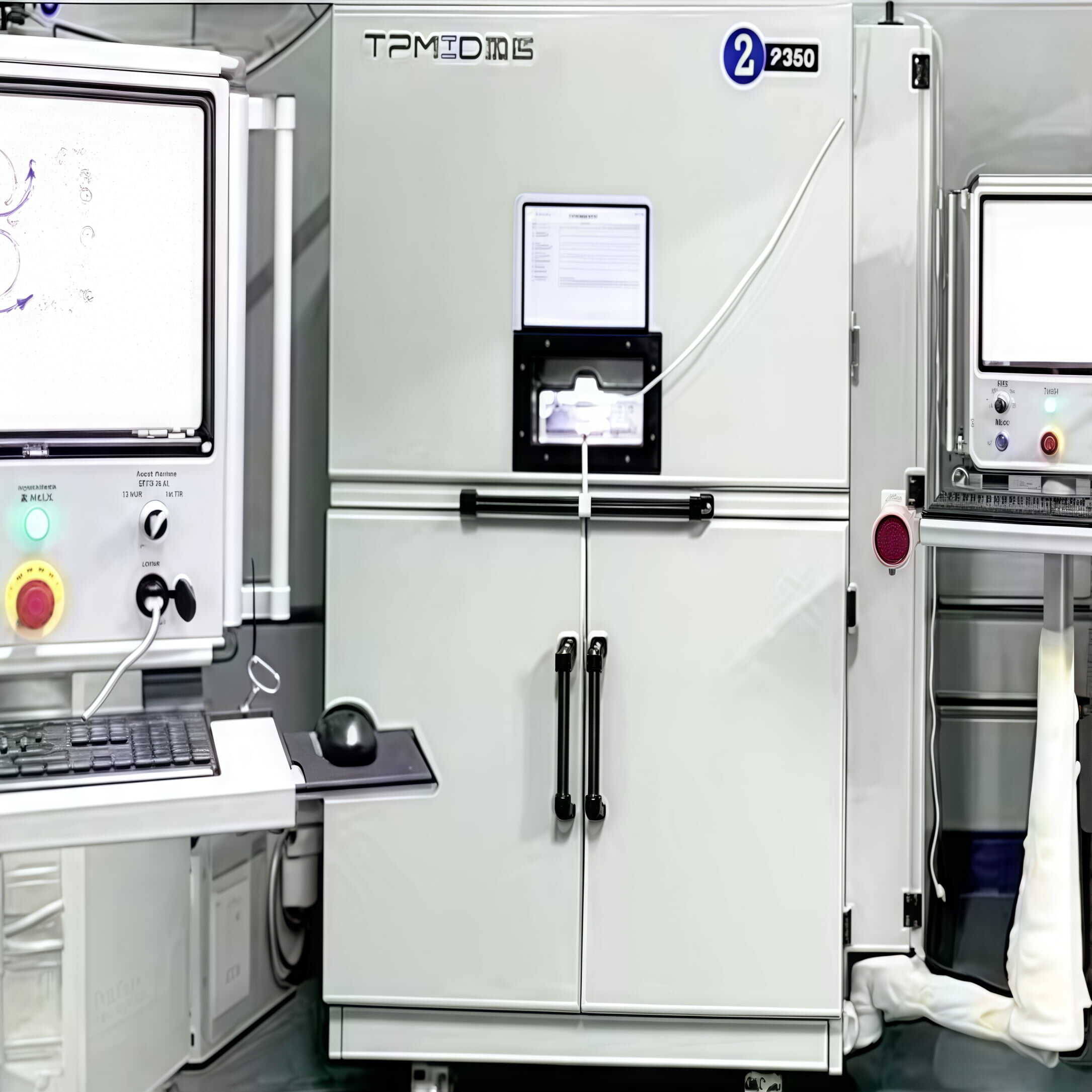
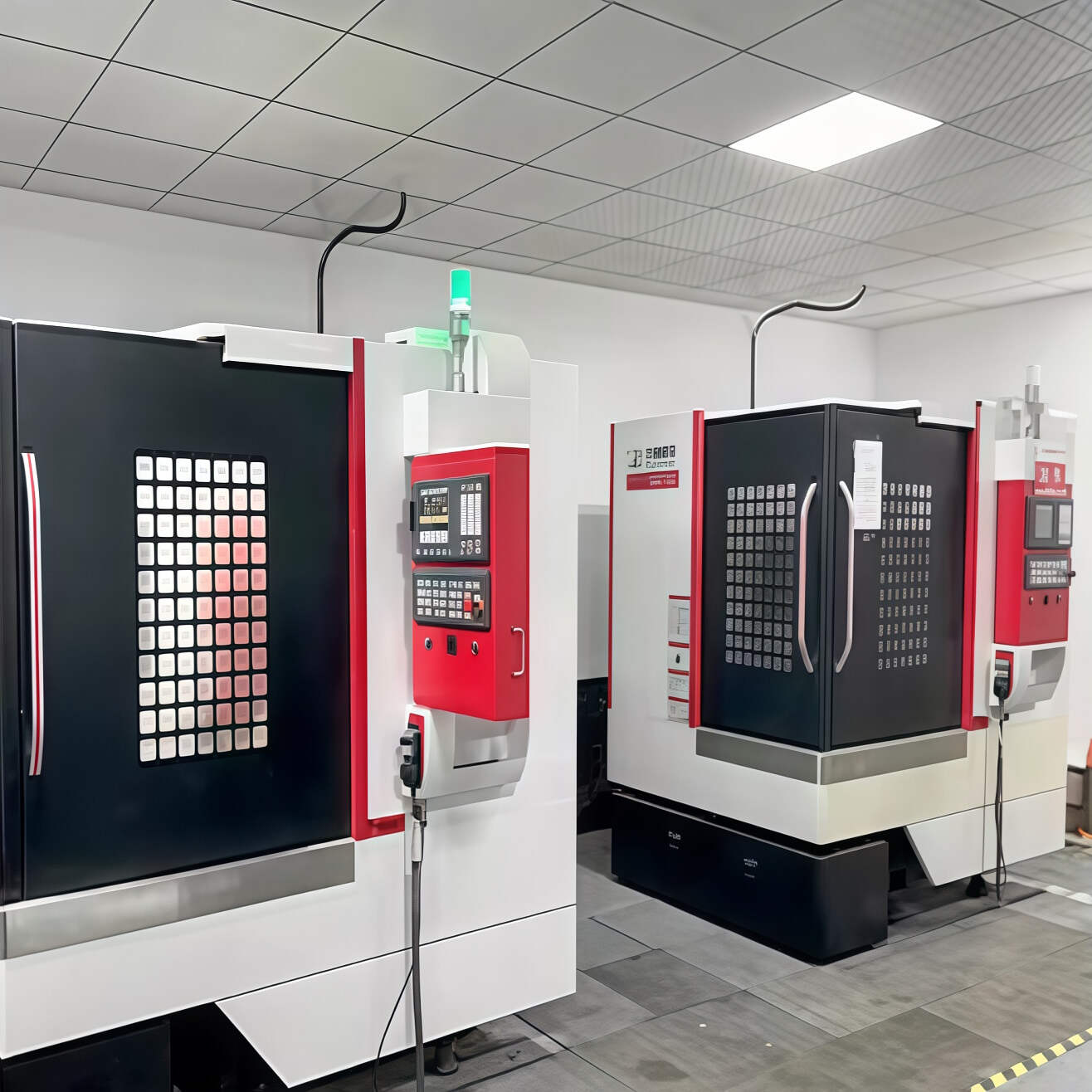
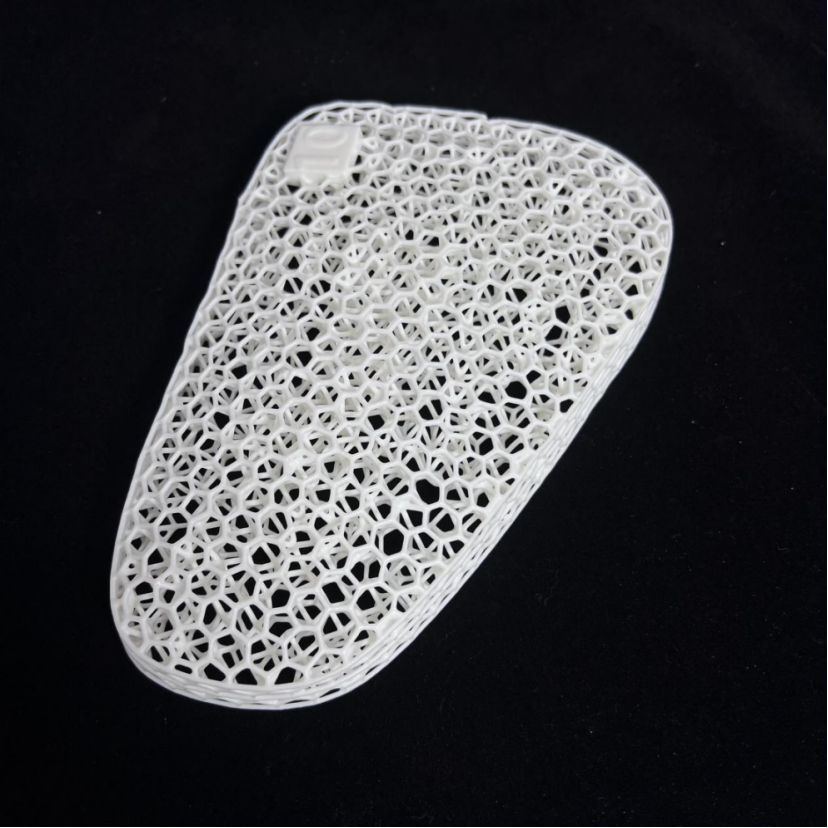
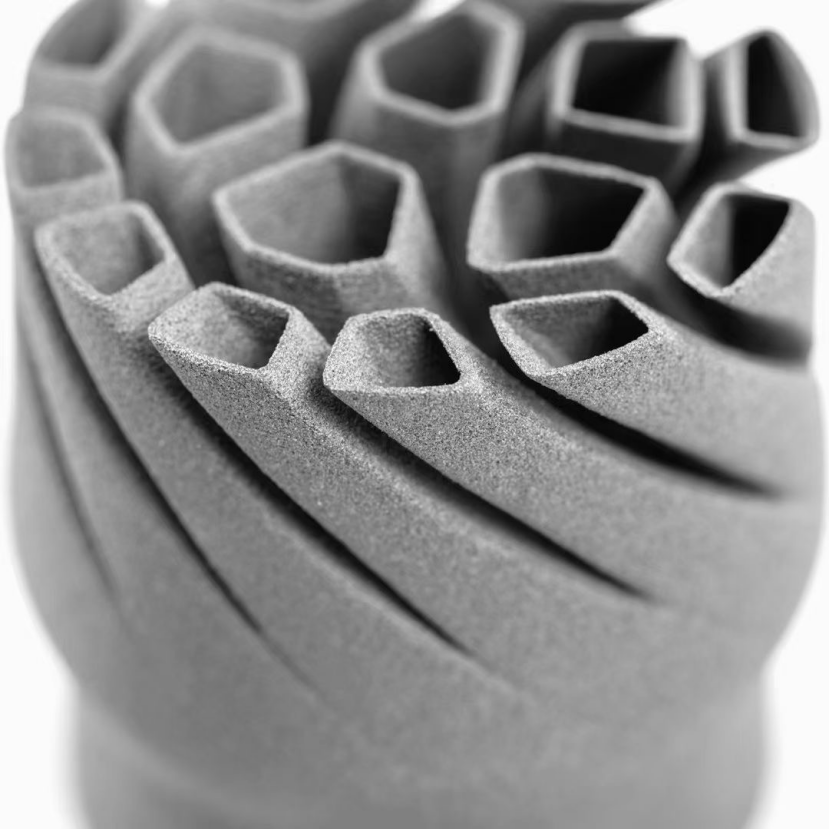
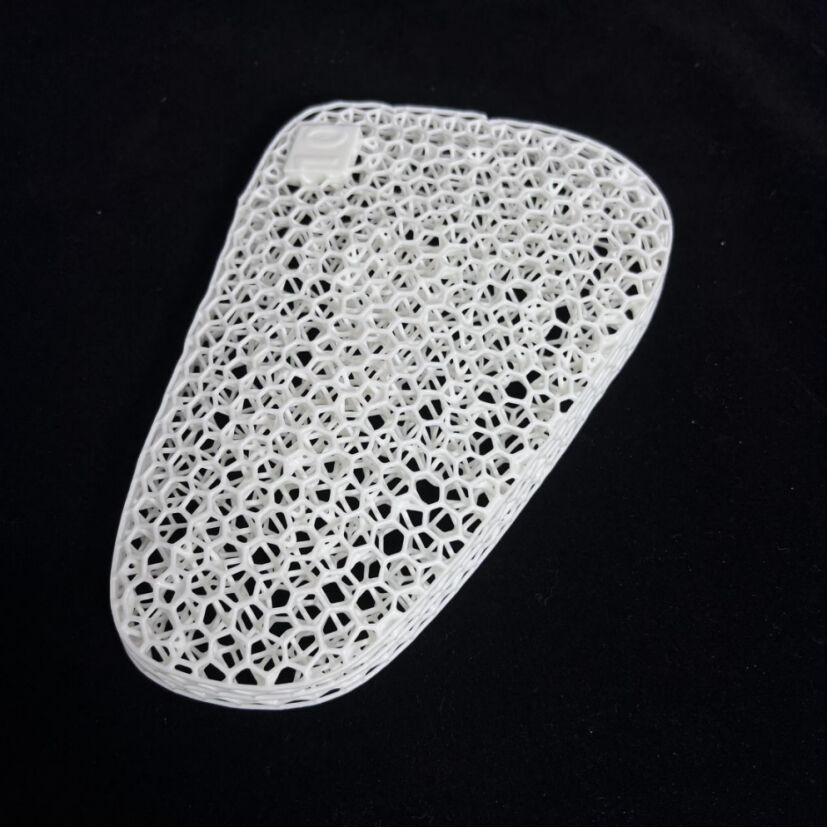
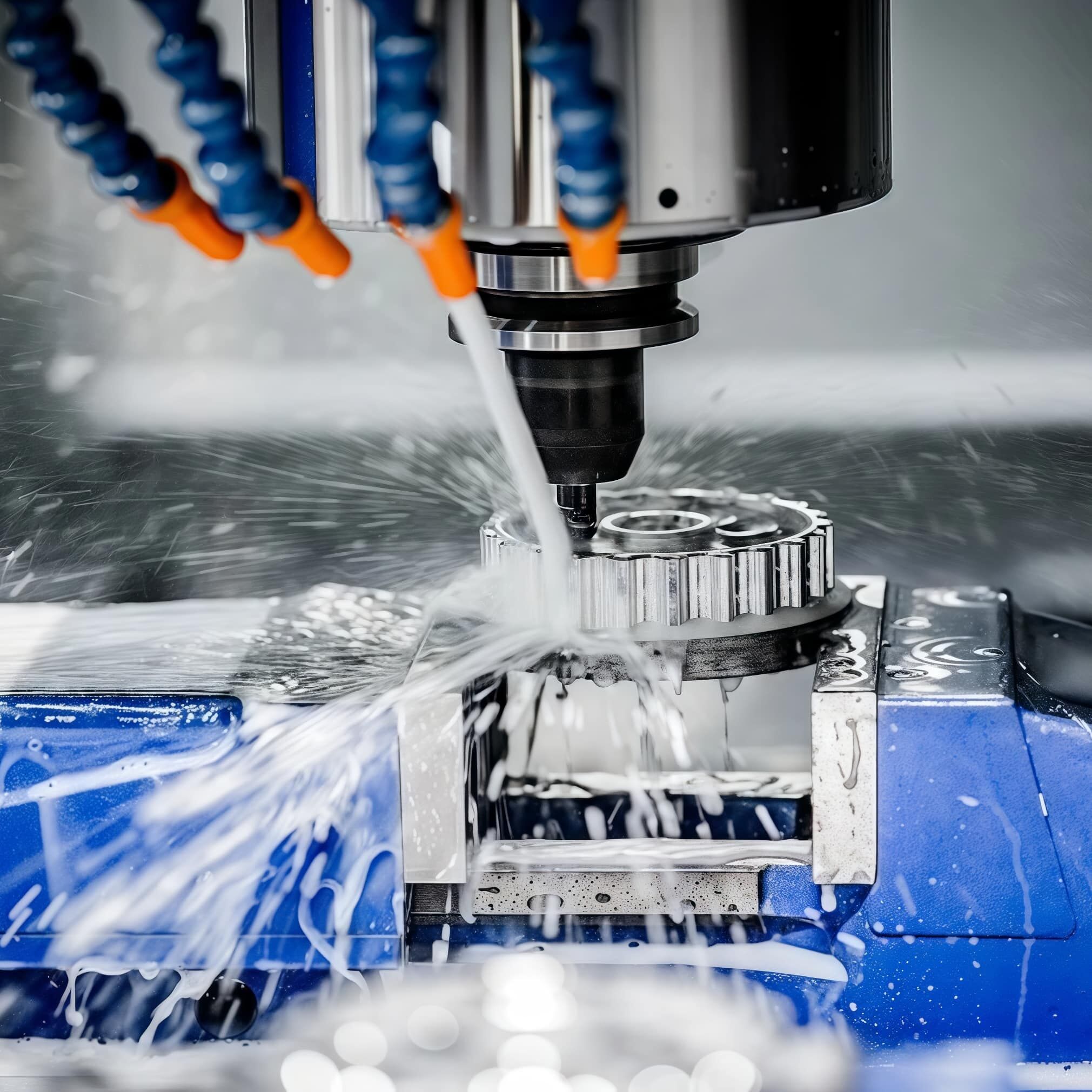
Low volume production represents a manufacturing approach that bridges the gap between prototype development and mass production, typically involving the creation of smaller quantities of products, usually ranging from 50 to 5000 units. This manufacturing strategy employs flexible production methods and adaptable tooling solutions to deliver high-quality products while maintaining cost-effectiveness. The process utilizes advanced manufacturing technologies such as CNC machining, 3D printing, and hybrid manufacturing methods to ensure precision and consistency. Low volume production offers manufacturers the ability to test market demand, minimize inventory costs, and maintain quality control while reducing financial risks associated with large production runs. This approach is particularly valuable in industries such as aerospace, medical devices, and specialized industrial equipment, where products require high precision and customization. The technology incorporates sophisticated quality control measures, automated inspection systems, and real-time production monitoring to maintain consistent product quality. Furthermore, it enables rapid design iterations and product improvements without the substantial tooling investments required for high-volume manufacturing. This production method also supports just-in-time manufacturing principles, allowing companies to respond quickly to market demands while minimizing warehouse storage requirements.


New Product Recommendations

Low volume production offers numerous compelling advantages that make it an attractive option for businesses across various industries. First and foremost, it provides significant cost benefits by reducing initial investment requirements and minimizing inventory holding costs. Companies can test market demand without committing to large production runs, effectively managing financial risk while maintaining the flexibility to adjust product specifications based on customer feedback. The approach enables rapid product iteration and development, allowing manufacturers to implement design improvements quickly without the substantial retooling costs associated with mass production. Quality control is enhanced through closer monitoring of production processes, resulting in higher product consistency and reduced defect rates. The manufacturing method supports customization and product variety, enabling businesses to serve niche markets effectively and respond to specific customer requirements. Production schedules can be more easily adjusted to match actual demand, reducing waste and improving resource utilization. The shorter production runs also facilitate better tracking and traceability of products, which is particularly important in regulated industries. Environmental benefits include reduced material waste and energy consumption compared to mass production setups. Additionally, low volume production enables companies to maintain tighter control over intellectual property and reduce the risk of design theft. The flexibility of this approach allows for easy integration of new technologies and production methods, ensuring manufacturers can stay competitive in rapidly evolving markets. This manufacturing strategy also supports local production capabilities, reducing transportation costs and environmental impact while improving supply chain resilience.

Latest News

Unlocking the Potential of SLS 3D Printing: The Role of PA12 and PA12+GF30 in Advanced Manufacturing

19

Jun

Unlocking the Potential of SLS 3D Printing: The Role of PA12 and PA12+GF30 in Advanced Manufacturing

View More
3D Printing Empowers Embodied AI: Reshaping the Paradigm of Customized, Small-Batch Production for Humanoid Robots

19

Jun

3D Printing Empowers Embodied AI: Reshaping the Paradigm of Customized, Small-Batch Production for Humanoid Robots

View More
3D Printing & Rapid Prototyping: Transforming Small-Batch, Customized Production

19

Jun

3D Printing & Rapid Prototyping: Transforming Small-Batch, Customized Production

View More

Get a Free Quote

Our representative will contact you soon.
Email
Name
Company Name
Message
0/1000

low volume production

Flexible Manufacturing Capabilities

Flexible Manufacturing Capabilities

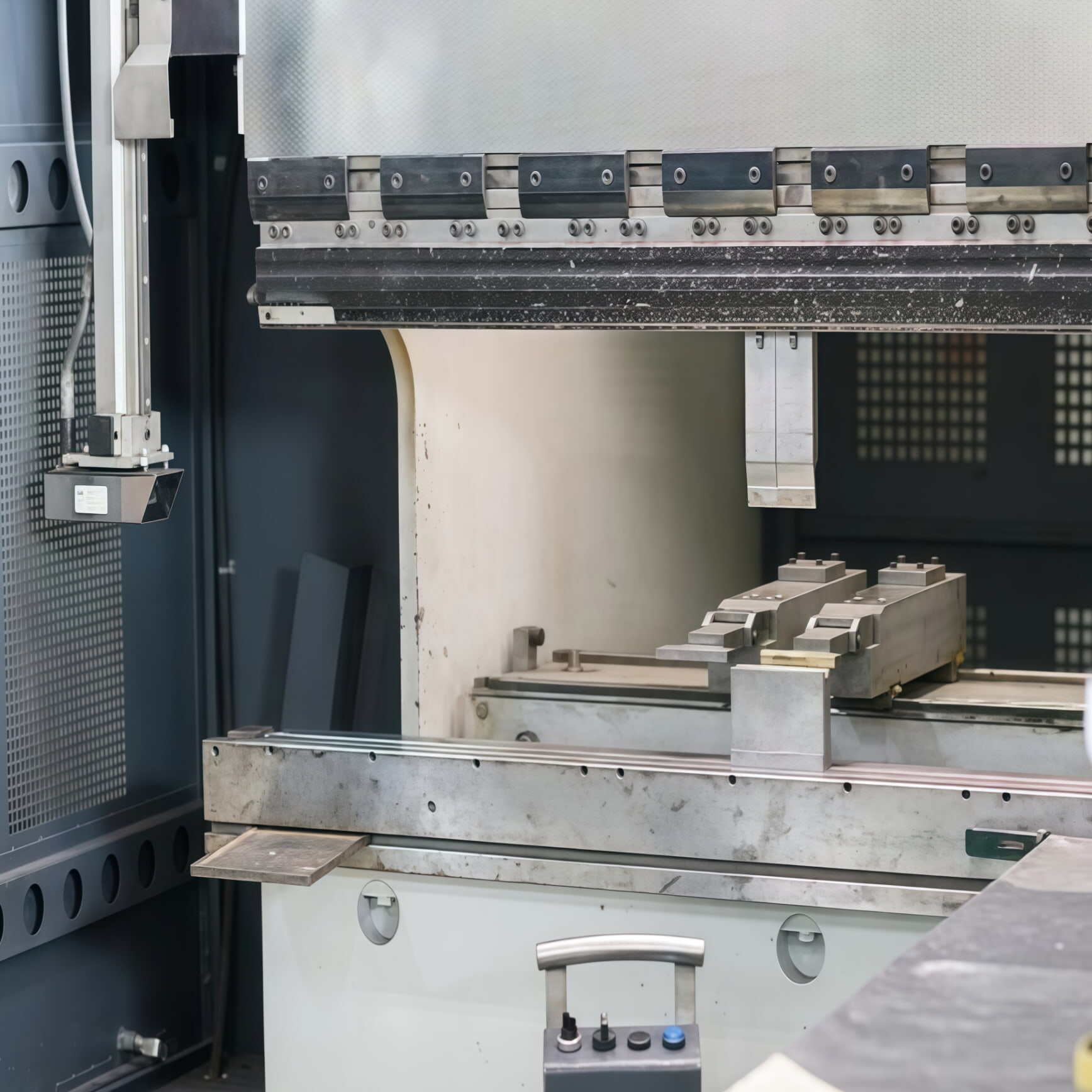
Low volume production excels in its ability to offer unprecedented manufacturing flexibility, adapting quickly to changing market demands and customer requirements. This flexibility manifests in multiple ways, from rapid tooling modifications to easy product customization options. The manufacturing setup can accommodate various materials and production processes, allowing for quick switches between different product variants without significant downtime. Advanced digital manufacturing technologies enable seamless integration of design changes and product improvements, while maintaining high quality standards. This flexibility extends to batch sizes, enabling manufacturers to optimize production runs based on actual demand rather than arbitrary minimum order quantities. The adaptable nature of low volume production also supports hybrid manufacturing approaches, combining different production methods to achieve optimal results. This capability is particularly valuable in industries where product specifications frequently evolve or where customization is a key differentiator.
Cost-Effective Risk Management

Cost-Effective Risk Management

Low volume production offers a strategic approach to managing manufacturing risks while maintaining cost efficiency. By limiting production quantities, companies can effectively test market reception without substantial financial exposure. The reduced tooling and setup costs associated with low volume production mean lower initial investments, making it easier to justify new product launches or market entries. This approach allows businesses to validate product designs and manufacturing processes with minimal financial risk, while still maintaining the ability to scale up production if market demand warrants it. The cost structure of low volume production also supports better cash flow management, as capital isn't tied up in large inventory holdings. Additionally, the ability to make incremental improvements without major retooling expenses helps optimize product development costs. This risk management strategy is particularly valuable for startups and companies entering new markets or launching innovative products.
Quality Control Excellence

Quality Control Excellence

The focused nature of low volume production enables superior quality control measures that ensure consistent product excellence. Each production run receives detailed attention, with comprehensive inspection protocols and quality assurance processes that might be impractical in high-volume manufacturing environments. Advanced monitoring systems and automated inspection technologies can be more effectively implemented, allowing for 100% product inspection when required. The smaller batch sizes facilitate better traceability and documentation, making it easier to identify and resolve quality issues quickly. This approach also enables more thorough testing and validation of products before they reach customers, reducing the risk of quality-related problems in the field. The ability to maintain tight control over manufacturing parameters ensures consistent product quality across production runs, while the flexibility to make immediate adjustments when necessary helps maintain high quality standards.

Get a Free Quote

Our representative will contact you soon.
Email
Name
Company Name
Message
0/1000