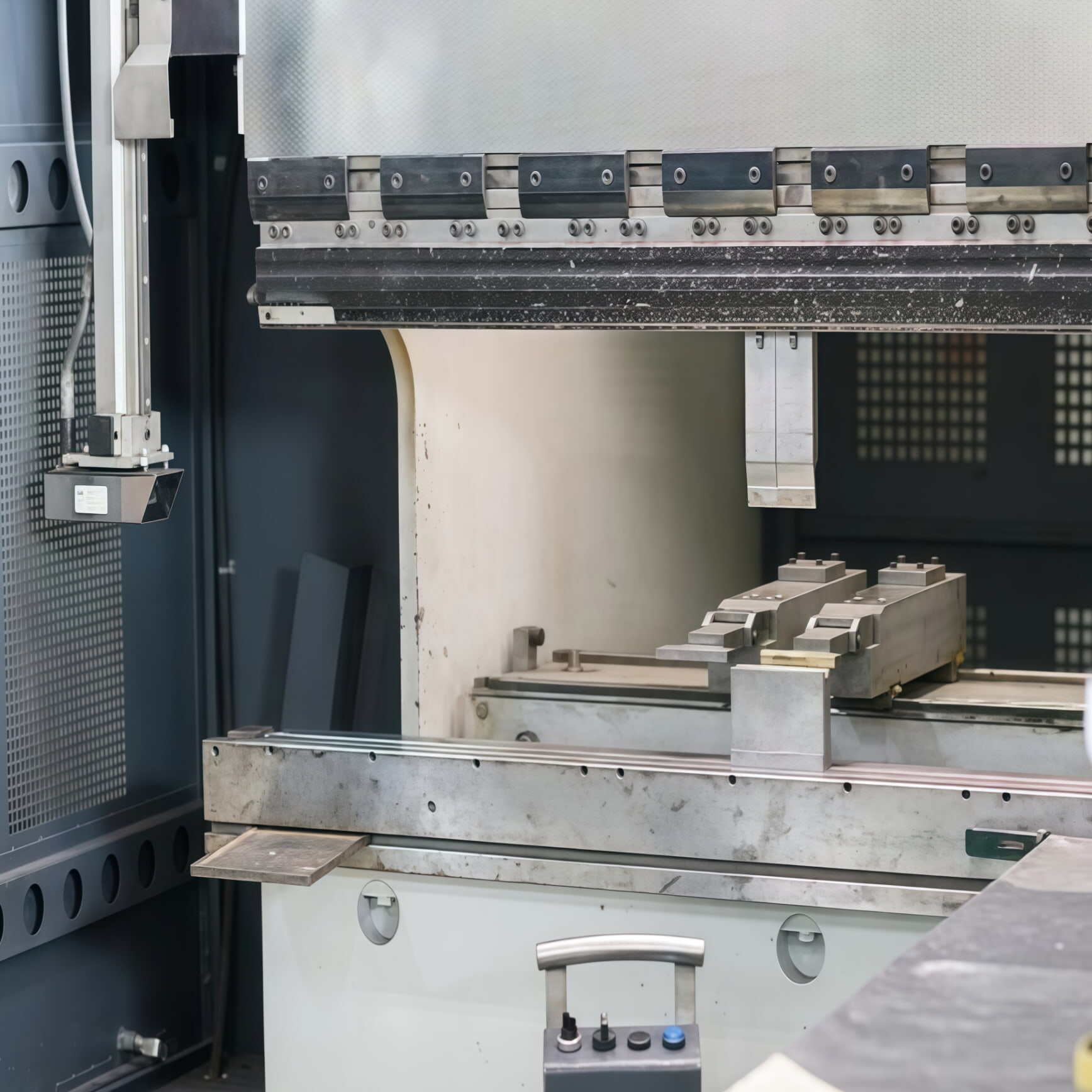
Advanced Metal 3D Printing Machines: Revolutionary Manufacturing Solution for Complex Metal Components

All Categories

Get a Free Quote

Our representative will contact you soon.
Email
Name
Company Name
Message
0/1000

metal 3d printing machine

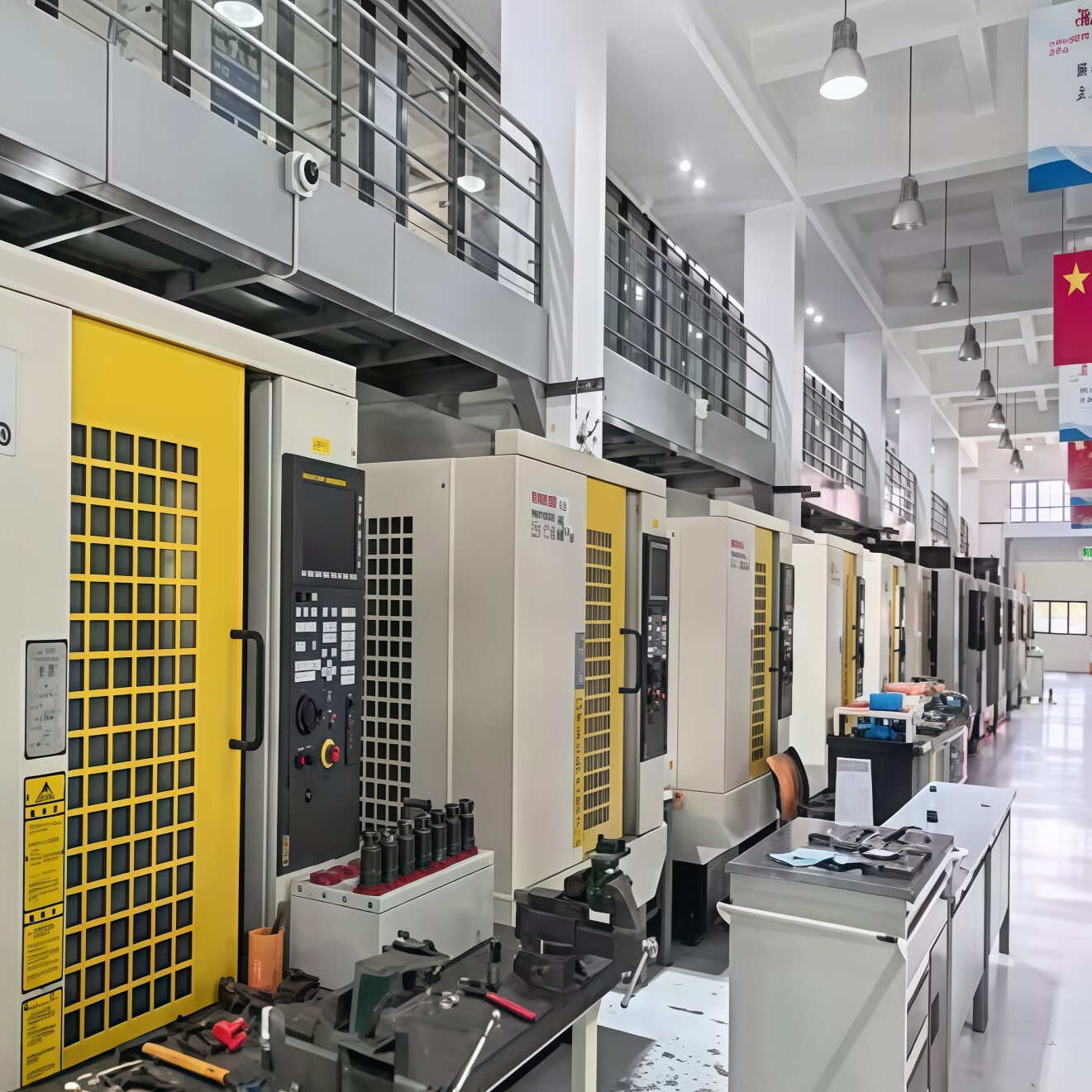
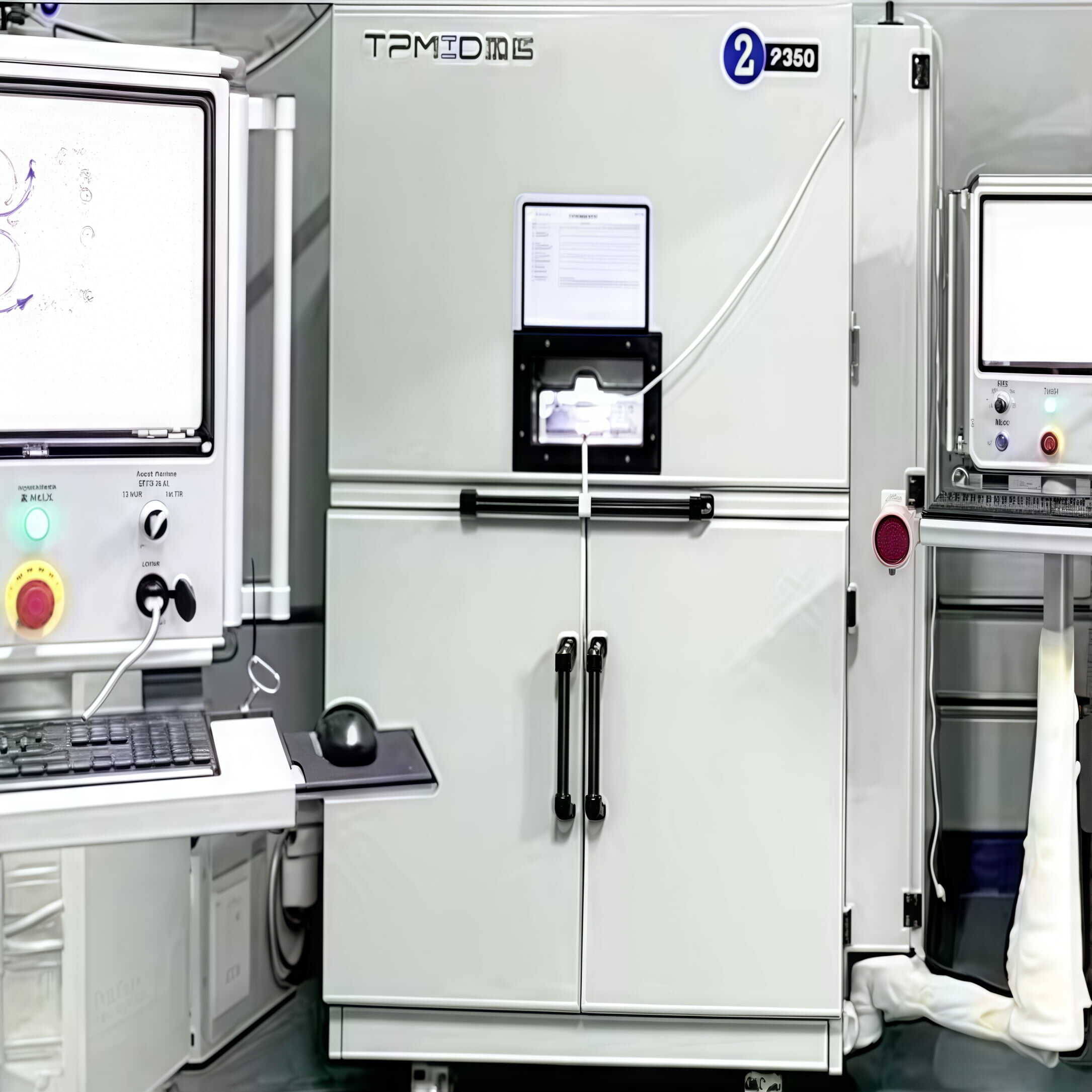
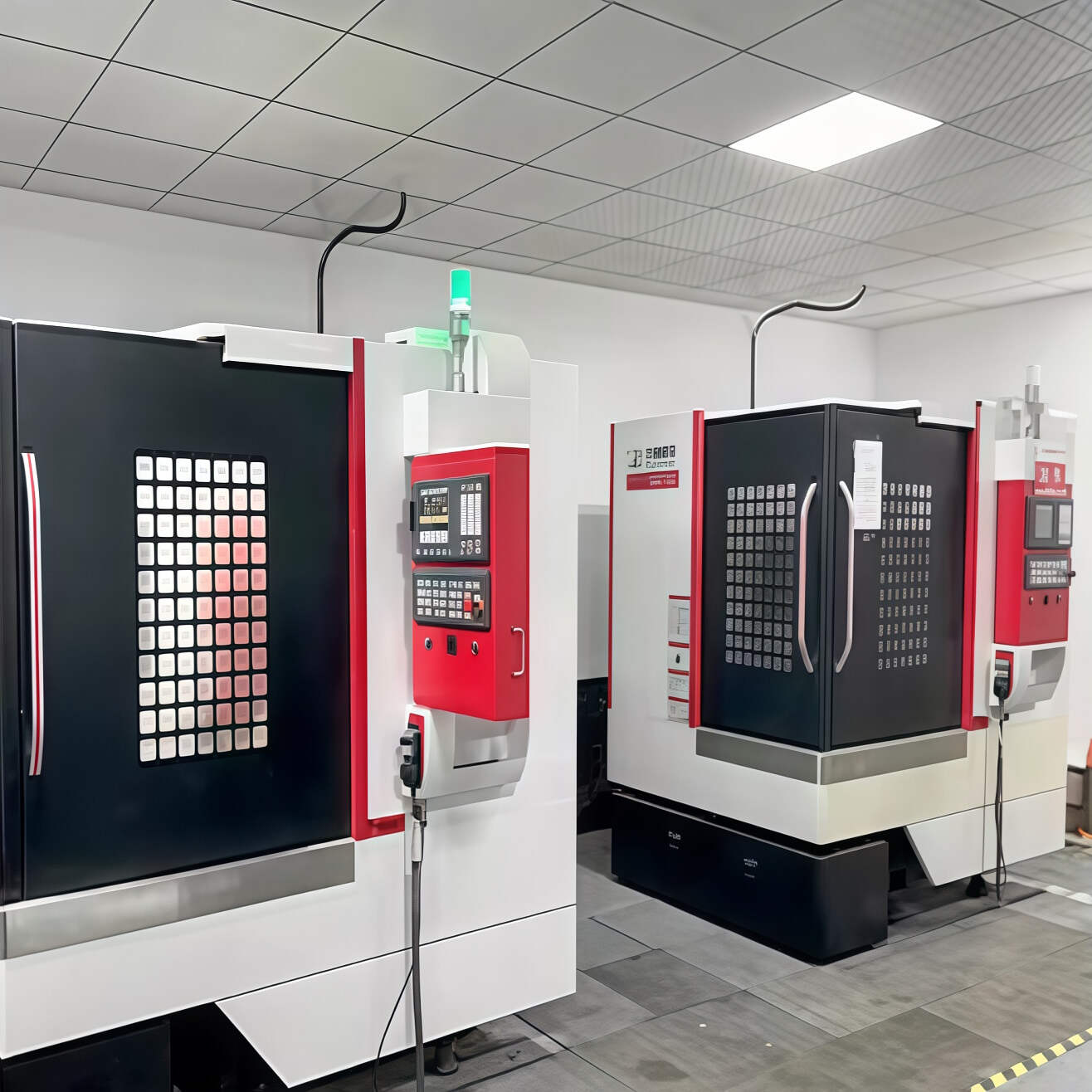
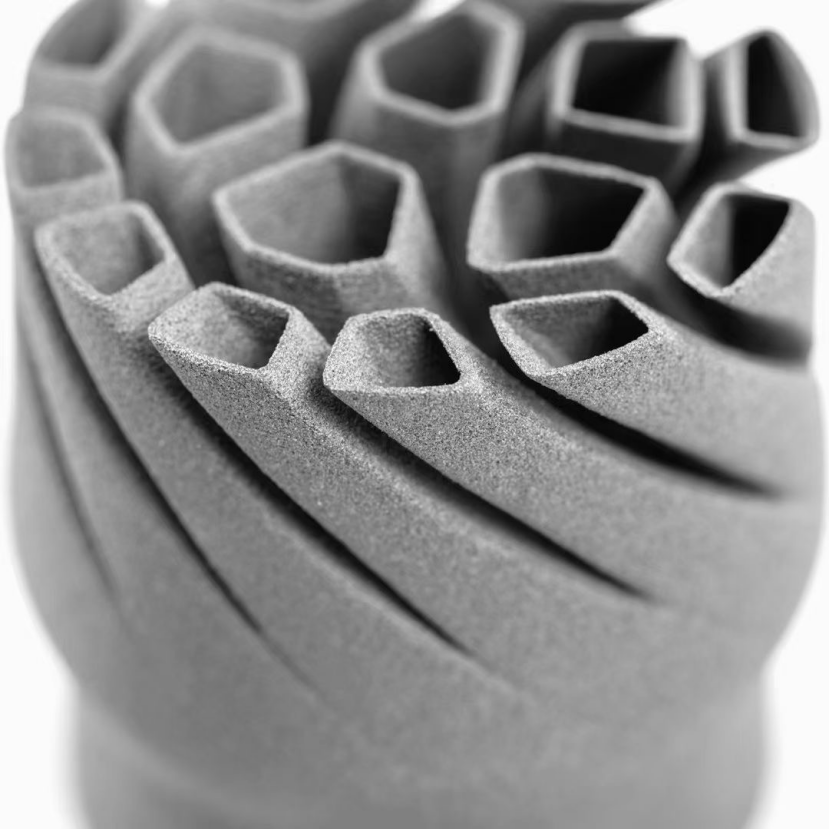
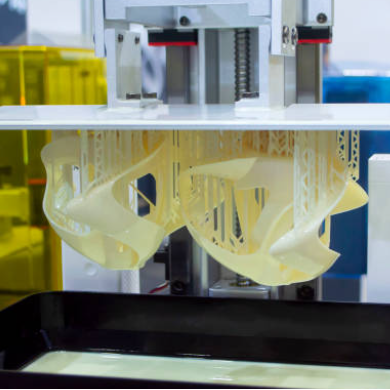
Metal 3D printing machines represent a revolutionary advancement in manufacturing technology, offering unprecedented capabilities in creating complex metal components. These sophisticated systems utilize various techniques such as Direct Metal Laser Sintering (DMLS), Selective Laser Melting (SLM), or Electron Beam Melting (EBM) to transform metal powders into solid, functional parts. The machine operates by depositing thin layers of metal powder, which are then selectively melted using high-powered lasers or electron beams, creating a solid structure layer by layer according to a digital design. The process allows for the production of intricate geometries that would be impossible or extremely costly to achieve through traditional manufacturing methods. These machines can work with a wide range of metals, including titanium, aluminum, stainless steel, and various alloys, making them versatile tools for multiple industries. Advanced features include real-time monitoring systems, powder management mechanisms, and sophisticated software interfaces that ensure precise control over the printing process. The technology enables rapid prototyping, custom part production, and the manufacturing of components with optimized topologies for weight reduction and enhanced performance.


New Product Releases

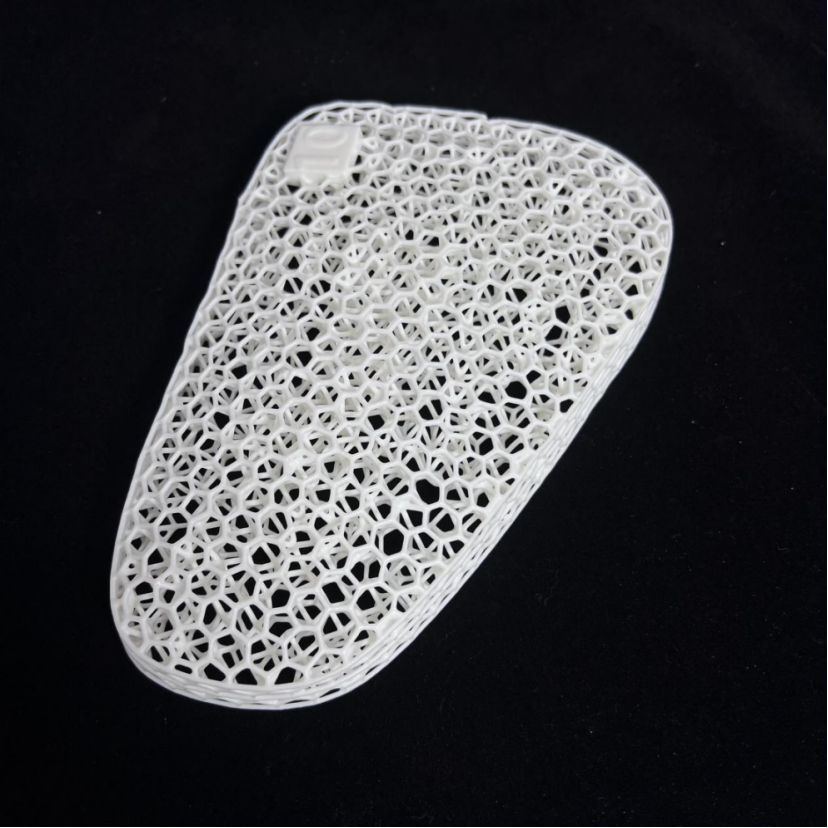
Metal 3D printing machines offer numerous compelling advantages that revolutionize manufacturing processes. First, they provide unparalleled design freedom, allowing engineers to create complex geometries and internal structures that would be impossible with traditional manufacturing methods. This capability enables the production of lightweight yet strong components, optimized for specific applications. The technology significantly reduces material waste compared to subtractive manufacturing, as it only uses the material needed for the final part. Time efficiency is another major benefit, as these machines can produce complex parts in a single process, eliminating the need for multiple manufacturing steps and reducing assembly requirements. The ability to quickly iterate designs and produce prototypes accelerates product development cycles, allowing companies to bring products to market faster. Cost effectiveness is achieved through the elimination of tooling requirements and the ability to produce parts on demand, reducing inventory costs. The technology enables mass customization without additional tooling costs, making it ideal for producing specialized or personalized components. Quality assurance is enhanced through integrated monitoring systems that ensure consistent part quality and provide comprehensive documentation. The machines offer excellent repeatability and precision, crucial for industries requiring high-quality components. Additionally, the technology allows for the consolidation of multiple parts into single components, reducing potential failure points and improving overall product reliability.

Practical Tips

Unlocking the Potential of SLS 3D Printing: The Role of PA12 and PA12+GF30 in Advanced Manufacturing

19

Jun

Unlocking the Potential of SLS 3D Printing: The Role of PA12 and PA12+GF30 in Advanced Manufacturing

View More
3D Printing Empowers Embodied AI: Reshaping the Paradigm of Customized, Small-Batch Production for Humanoid Robots

19

Jun

3D Printing Empowers Embodied AI: Reshaping the Paradigm of Customized, Small-Batch Production for Humanoid Robots

View More
3D Printing & Rapid Prototyping: Transforming Small-Batch, Customized Production

19

Jun

3D Printing & Rapid Prototyping: Transforming Small-Batch, Customized Production

View More

Get a Free Quote

Our representative will contact you soon.
Email
Name
Company Name
Message
0/1000

metal 3d printing machine

Advanced Material Processing Capabilities

Advanced Material Processing Capabilities

Metal 3D printing machines excel in processing a diverse range of materials with exceptional precision. The technology employs sophisticated powder handling systems that maintain material integrity and ensure optimal printing conditions. Advanced thermal management systems precisely control the melting and solidification processes, resulting in consistent material properties throughout the printed part. The machines feature multiple sensors and monitoring systems that track critical parameters such as temperature distribution, powder layer uniformity, and fusion quality in real time. This comprehensive control over the printing process enables the production of parts with superior mechanical properties, minimal porosity, and excellent surface finish. The ability to work with reactive materials like titanium and aluminum is facilitated by robust inert gas systems that prevent oxidation during printing.
Intelligent Process Control and Monitoring

Intelligent Process Control and Monitoring

The integration of smart monitoring systems and advanced process control capabilities sets these machines apart in the manufacturing landscape. Each print job is monitored through multiple sensors that track crucial parameters including melt pool dynamics, temperature gradients, and build chamber conditions. Machine learning algorithms analyze this data in real time, making automatic adjustments to ensure optimal printing conditions. The system maintains comprehensive digital records of each build, enabling full traceability and quality documentation. Advanced calibration systems ensure consistent performance across multiple builds, while automated powder handling systems minimize operator exposure to materials and maintain powder quality.
Streamlined Workflow Integration

Streamlined Workflow Integration

These machines feature sophisticated software interfaces that seamlessly integrate with existing CAD/CAM workflows. The system includes advanced build preparation tools that automatically generate optimal support structures and identify potential printing issues before production begins. Intelligent nesting algorithms maximize build platform utilization, improving productivity and reducing costs. The machines support network connectivity for remote monitoring and control, enabling efficient production management across multiple systems. Automated post-processing programs help streamline the entire manufacturing workflow, from design to finished part. The integration capabilities extend to quality control systems, allowing for automated inspection and validation of printed parts.

Get a Free Quote

Our representative will contact you soon.
Email
Name
Company Name
Message
0/1000