
 EN
EN
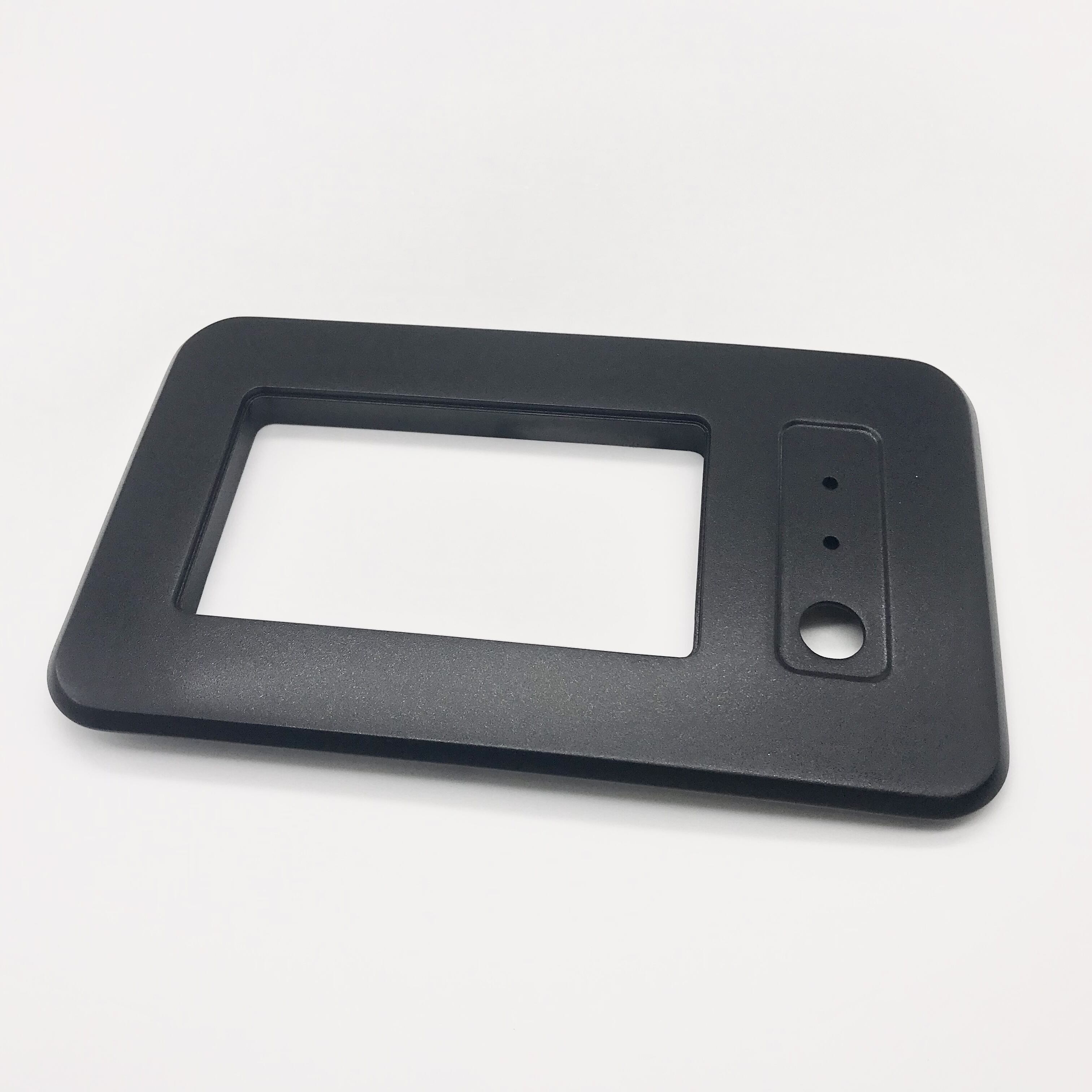
Selective Laser Sintering (SLS) technology has revolutionized the manufacturing landscape by enabling the production of complex, functional parts without the need for traditional tooling. When combined with PA12 (Polyamide 12) material, this advanced manufacturing process delivers exceptional results for small-batch production runs and rapid prototyping applications. The unique properties of PA12, including its excellent durability, chemical resistance, and dimensional stability, make it an ideal choice for demanding industrial applications where traditional manufacturing methods may fall short.
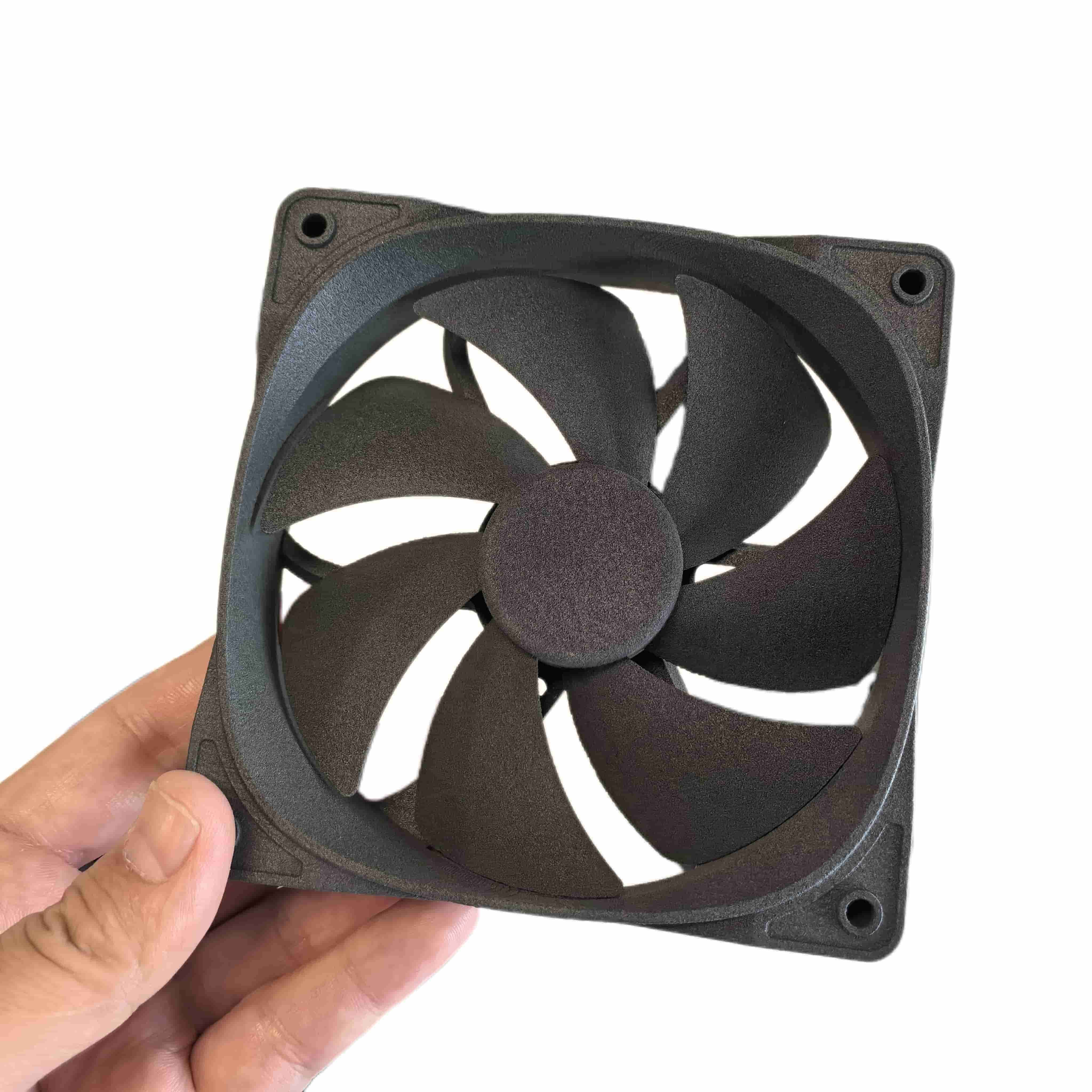
The growing demand for rapid manufacturing solutions has positioned SLS technology as a cornerstone of modern production strategies. Companies across various industries are increasingly turning to this additive manufacturing approach to reduce time-to-market, minimize inventory costs, and achieve greater design flexibility. The ability to produce functional prototypes and end-use parts simultaneously has transformed how businesses approach product development and small-scale manufacturing.
Understanding SLS Technology and PA12 Material Properties
Core Principles of Selective Laser Sintering
Selective Laser Sintering operates by using a high-powered laser to selectively fuse powdered materials layer by layer, creating three-dimensional objects from digital designs. The process begins with spreading a thin layer of PA12 powder across the build platform, followed by the laser selectively sintering particles according to the cross-sectional pattern of the part being manufactured. This layer-by-layer approach allows for the creation of highly complex geometries, including internal channels, moving parts, and intricate lattice structures that would be impossible or extremely expensive to produce using conventional manufacturing methods.
The precision and accuracy of SLS technology stem from its ability to maintain consistent temperature control throughout the build chamber, ensuring uniform material properties across the entire part. Advanced SLS systems incorporate sophisticated thermal management systems that prevent warping and maintain dimensional accuracy even for large or complex components. This level of control makes the technology particularly suitable for functional parts that must meet strict dimensional tolerances and performance requirements.
PA12 Material Characteristics and Applications
Polyamide 12 stands out among thermoplastic materials due to its exceptional combination of mechanical properties, chemical resistance, and processing characteristics. The material exhibits excellent fatigue resistance, making it suitable for parts that will experience repeated loading cycles during their service life. Its low moisture absorption rate ensures dimensional stability in varying environmental conditions, while its inherent flexibility allows for the production of living hinges and snap-fit assemblies without compromising structural integrity.
The biocompatibility of PA12 has opened doors to medical and healthcare applications, where the material can be used for custom prosthetics, surgical guides, and medical devices. Additionally, its resistance to various chemicals, including fuels, oils, and solvents, makes it an excellent choice for automotive and aerospace components. The material's ability to maintain its properties across a wide temperature range further expands its applicability in demanding industrial environments where thermal cycling is common.
Advantages of SLS for Small-Batch Manufacturing
Design Freedom and Complexity
One of the most significant advantages of utilizing an SLS 3D printing service is the unprecedented design freedom it offers manufacturers. Unlike traditional manufacturing processes that are constrained by tooling limitations and machining accessibility, SLS can produce parts with virtually any geometry. This capability enables engineers to optimize designs for functionality rather than manufacturability, resulting in parts that may incorporate complex internal structures, multiple materials within a single build, or geometries that would require multiple assembly steps using conventional methods.
The ability to consolidate multiple components into a single printed assembly reduces the need for secondary operations such as welding, bonding, or mechanical fastening. This consolidation not only reduces manufacturing time and costs but also eliminates potential failure points that could occur at joints or interfaces. For small-batch production, this means fewer components to manage, reduced assembly complexity, and improved overall product reliability.
Cost-Effectiveness and Time Efficiency
Traditional manufacturing methods often require significant upfront investments in tooling, fixtures, and setup procedures that can make small-batch production economically unfeasible. SLS technology eliminates these barriers by requiring no dedicated tooling, allowing manufacturers to produce anywhere from a single prototype to several hundred parts using the same setup. The cost per part remains relatively constant regardless of quantity, making it particularly attractive for low-volume production runs where traditional methods would be cost-prohibitive.
The rapid turnaround times achievable with SLS manufacturing enable companies to respond quickly to market demands and customer requirements. Parts can typically be produced within days rather than weeks or months required for traditional tooling and manufacturing processes. This speed advantage is particularly valuable in industries where time-to-market is critical or where customization and rapid iteration are essential for competitive advantage.
Applications Across Industries
Automotive and Aerospace Components
The automotive industry has embraced SLS technology for producing functional prototypes, end-use parts, and specialized tooling components. PA12's excellent mechanical properties make it suitable for under-hood applications, interior components, and even some powertrain parts where traditional materials might fail or require expensive manufacturing processes. The ability to produce lightweight structures with optimized geometries has proven particularly valuable in electric vehicle development, where weight reduction directly impacts range and performance.
Aerospace applications leverage the high strength-to-weight ratio of PA12 combined with the geometric freedom of SLS to produce components such as ducting systems, brackets, and interior fittings. The material's flame-retardant properties and low outgassing characteristics make it suitable for aircraft cabin applications, while its durability ensures reliable performance in demanding flight environments. The ability to produce complex internal cooling channels or weight-optimized lattice structures provides significant advantages over traditional manufacturing methods.
Medical and Healthcare Solutions
The medical device industry benefits significantly from the biocompatibility and sterilizability of PA12 materials produced through SLS processes. Custom prosthetics, orthotic devices, and surgical instruments can be manufactured on-demand to meet specific patient requirements. The ability to produce complex internal geometries allows for the creation of lightweight prosthetics with internal channels for electronics or pneumatic systems, significantly improving functionality and patient comfort.
Surgical planning and training applications utilize SLS technology to create patient-specific anatomical models that help surgeons prepare for complex procedures. These models can incorporate different material properties within a single build, simulating the varying densities and textures of different tissue types. The rapid production capability ensures that models can be available quickly when time-sensitive medical situations arise.
Process Optimization and Quality Control
Parameter Control and Consistency
Achieving consistent, high-quality results with SLS technology requires careful control of numerous process parameters including laser power, scanning speed, layer thickness, and powder bed temperature. Advanced SLS systems incorporate real-time monitoring and feedback systems that automatically adjust parameters to maintain optimal conditions throughout the build process. This level of control is essential for ensuring that parts meet dimensional tolerances and mechanical property requirements consistently across production runs.
Material handling and preparation play crucial roles in process optimization. Fresh PA12 powder must be properly conditioned and mixed with recycled powder in specific ratios to maintain consistent material properties. Proper powder storage, handling, and sieving procedures prevent contamination and ensure uniform particle size distribution, which directly impacts surface finish and mechanical properties of finished parts.
Post-Processing and Surface Finishing
While SLS parts often exhibit excellent surface quality directly from the printer, various post-processing techniques can further enhance their appearance and functionality. Vapor smoothing processes can significantly improve surface finish, reducing the characteristic slightly rough texture of sintered parts to achieve smooth, injection-molded-like surfaces. This treatment is particularly valuable for parts that will be visible in final applications or require improved sealing surfaces.
Additional post-processing options include dyeing, painting, and various coating applications that can provide specific functional properties such as conductivity, enhanced chemical resistance, or improved wear characteristics. The porous nature of sintered PA12 allows for excellent adhesion of coatings and treatments, enabling the creation of parts with tailored surface properties while maintaining the underlying structural integrity of the base material.
Future Developments and Emerging Trends
Material Innovations and Enhancements
Ongoing research and development in PA12 formulations continue to expand the capabilities of SLS manufacturing. Reinforced versions incorporating glass fibers, carbon fibers, or mineral fillers provide enhanced mechanical properties for demanding applications while maintaining the excellent processing characteristics of base PA12. These advanced materials enable the production of parts that can compete directly with traditionally manufactured components in terms of strength, stiffness, and durability.
Emerging bio-based PA12 formulations address growing environmental concerns while maintaining the performance characteristics that make the material valuable for manufacturing applications. These sustainable alternatives reduce dependency on petroleum-based feedstocks while offering similar processing and performance characteristics to conventional PA12, supporting corporate sustainability initiatives without compromising product quality.
Technology Integration and Automation
The integration of artificial intelligence and machine learning technologies into SLS systems promises to further improve process reliability and part quality. Predictive algorithms can analyze real-time sensor data to identify potential issues before they affect part quality, while automated parameter optimization systems can adjust processing conditions to compensate for variations in material properties or environmental conditions.
Advanced automation systems are streamlining the entire SLS workflow, from powder handling and part removal to post-processing and quality inspection. Robotic systems can manage powder recycling, part extraction, and initial cleaning operations, reducing labor requirements and improving consistency. Integration with enterprise resource planning systems enables seamless production scheduling and inventory management, making SLS technology increasingly attractive for production applications.
FAQ
What makes PA12 particularly suitable for SLS manufacturing compared to other materials
PA12 offers an exceptional combination of properties that make it ideal for SLS applications. Its low melting point and wide processing window allow for consistent sintering without thermal degradation, while its excellent flow characteristics ensure uniform powder spreading and dense part formation. The material's inherent toughness and flexibility prevent cracking during the thermal cycling that occurs during the SLS process, and its low moisture absorption maintains dimensional stability throughout production and service life.
How does the cost per part compare between SLS and traditional manufacturing for small batches
For small-batch production, SLS typically offers significant cost advantages over traditional manufacturing methods. While the material cost per part may be higher than injection molding or machining, the elimination of tooling costs, setup fees, and minimum order quantities often results in lower total costs for quantities under 1000 parts. The break-even point varies depending on part complexity, but SLS becomes increasingly cost-effective as geometric complexity increases and production volumes decrease.
What are the typical dimensional tolerances achievable with SLS PA12 parts
Modern SLS systems can achieve dimensional tolerances of ±0.3mm for features larger than 50mm, with tighter tolerances possible for smaller features and critical dimensions. The isotropic properties of sintered PA12 ensure consistent dimensional behavior in all directions, unlike some other additive manufacturing processes. Factors such as part orientation, support requirements, and thermal effects during cooling can influence final dimensions, but experienced operators can compensate for these effects through proper design and processing parameter selection.
How long do SLS PA12 parts typically last in service applications
The service life of SLS PA12 parts depends heavily on the specific application and operating conditions. In many applications, properly designed and manufactured SLS PA12 components can achieve service lives comparable to traditionally manufactured parts. The material's excellent fatigue resistance allows for millions of loading cycles in appropriate applications, while its chemical resistance ensures long-term stability in harsh environments. Regular stress analysis and testing protocols help establish appropriate safety factors and service life predictions for critical applications.
Table of Contents
- Understanding SLS Technology and PA12 Material Properties
- Advantages of SLS for Small-Batch Manufacturing
- Applications Across Industries
- Process Optimization and Quality Control
- Future Developments and Emerging Trends
-
FAQ
- What makes PA12 particularly suitable for SLS manufacturing compared to other materials
- How does the cost per part compare between SLS and traditional manufacturing for small batches
- What are the typical dimensional tolerances achievable with SLS PA12 parts
- How long do SLS PA12 parts typically last in service applications