
 EN
EN
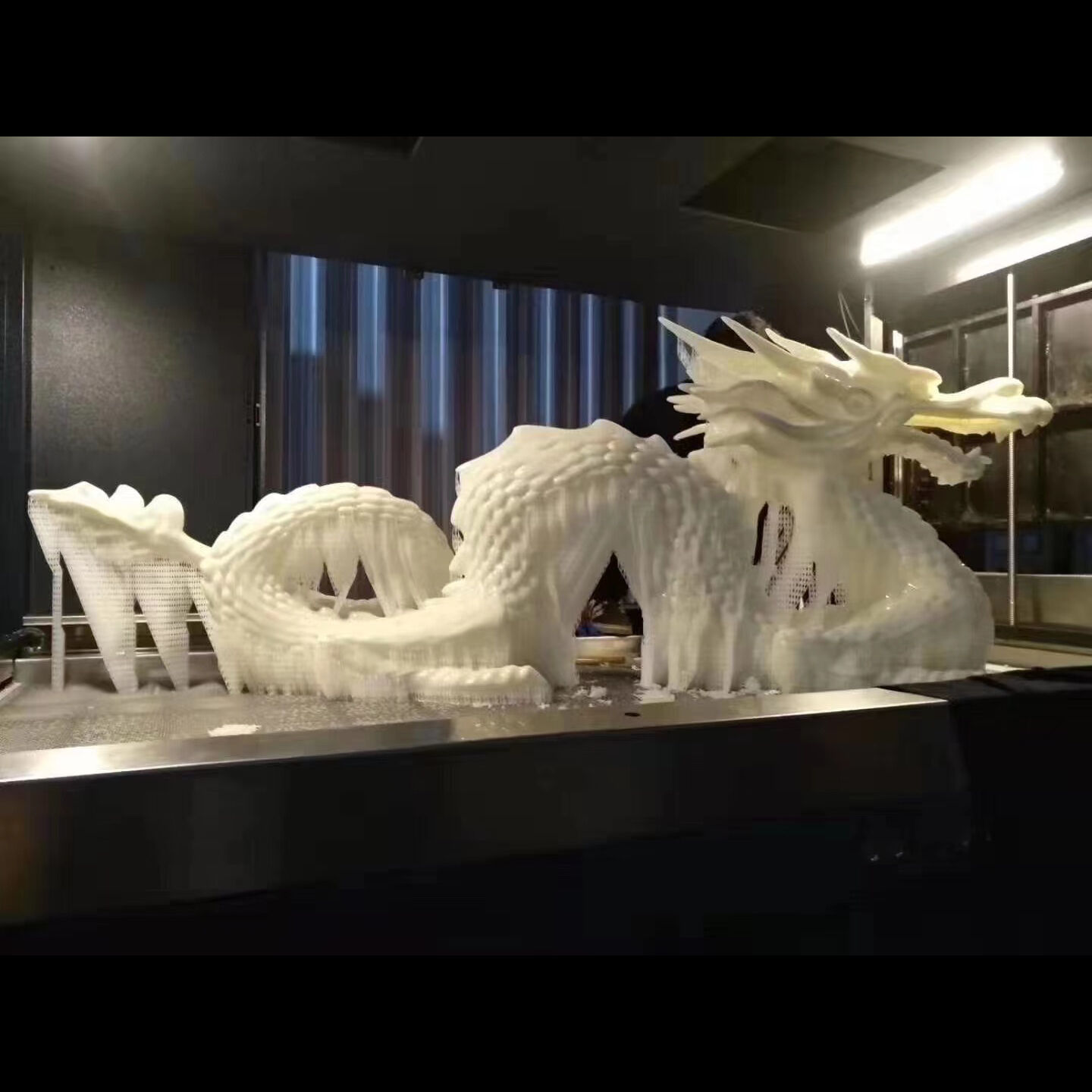
Manufacturing companies today face unprecedented pressure to accelerate product development cycles while maintaining quality standards and controlling costs. Traditional prototyping methods often create bottlenecks that slow innovation and delay market entry. An industrial 3d printing service emerges as a transformative solution, enabling businesses to rapidly iterate designs, test concepts, and bring products to market faster than ever before. This technology revolutionizes how companies approach product development, offering unprecedented flexibility and speed in the creation of functional prototypes and end-use parts.

Accelerating Design Iteration and Validation
Rapid Prototype Development Capabilities
Modern product development requires multiple design iterations to achieve optimal functionality and market readiness. An industrial 3d printing service eliminates the traditional constraints of tooling and setup costs that previously made frequent design changes prohibitively expensive. Engineers can now produce physical prototypes within hours or days rather than weeks, enabling rapid testing and refinement of concepts. This acceleration allows development teams to explore more design alternatives and identify potential issues early in the development process.
The ability to quickly produce functional prototypes transforms how teams approach problem-solving during product development. Instead of relying solely on computer simulations and theoretical models, engineers can create tangible parts for hands-on evaluation. This tactile feedback often reveals design flaws or opportunities for improvement that might not be apparent in digital models, leading to better final products and reduced development risks.
Complex Geometry and Design Freedom
Traditional manufacturing methods impose significant constraints on part geometry, often requiring design compromises to accommodate machining limitations or molding requirements. Industrial 3d printing service providers offer unprecedented design freedom, enabling the creation of complex internal structures, organic shapes, and integrated assemblies that would be impossible or extremely costly to produce using conventional methods. This freedom allows engineers to optimize designs for performance rather than manufacturing constraints.
The capability to produce intricate geometries opens new possibilities for innovative product features and functionality. Internal cooling channels, lightweight lattice structures, and consolidated assemblies become feasible design options. These advanced geometries can improve product performance while reducing weight and material usage, creating competitive advantages that drive market success. Development teams can explore radical design concepts without the fear of manufacturing impossibility limiting their creativity.
Material Selection and Performance Testing
Advanced Material Options for Diverse Applications
Contemporary industrial 3d printing service providers offer an extensive portfolio of materials ranging from standard thermoplastics to high-performance engineering polymers, metals, and composites. This material diversity enables product developers to select materials that closely match the properties required for end-use applications. Testing with production-representative materials provides more accurate performance data and reduces the risk of material-related failures in final products.
The availability of specialized materials allows for application-specific testing that was previously impossible during early development phases. Biocompatible materials for medical devices, flame-retardant polymers for electronics housings, and chemical-resistant materials for industrial applications can all be evaluated early in the development cycle. This early material validation reduces development risks and ensures that final product specifications can be met with confidence.
Functional Testing and Performance Validation
Beyond visual and dimensional evaluation, modern industrial 3d printing service capabilities enable the production of fully functional prototypes suitable for rigorous performance testing. These functional prototypes can undergo stress testing, environmental conditioning, and real-world application trials that provide valuable data for design optimization. Early functional testing identifies potential failure modes and performance limitations before significant development resources are committed.
The ability to test form, fit, and function simultaneously accelerates the validation process and reduces development cycles. Assembly testing, interface verification, and system integration can all be evaluated using 3D printed components. This comprehensive testing approach ensures that products meet performance requirements and customer expectations before entering full-scale production, reducing costly redesigns and market delays.
Cost-Effective Development Strategies
Elimination of Tooling and Setup Costs
Traditional prototyping methods often require expensive tooling, molds, or specialized fixtures that represent significant upfront investments. An industrial 3d printing service eliminates these barriers by producing parts directly from digital files without any tooling requirements. This cost structure makes it economically feasible to produce small quantities of prototypes for testing and validation, even for complex or experimental designs.
The elimination of tooling costs particularly benefits small to medium-sized companies and startups that may lack the capital for extensive tooling investments. These organizations can compete more effectively with larger competitors by leveraging industrial 3d printing service capabilities to accelerate their development processes. The reduced financial barriers enable more companies to innovate and bring novel products to market, fostering increased competition and innovation across industries.
Optimized Resource Allocation and Timeline Management
Effective resource allocation becomes critical as product development cycles compress and market pressures intensify. Industrial 3d printing service providers enable companies to optimize their internal resources by outsourcing prototype production to specialized facilities. This approach allows internal engineering teams to focus on design optimization, testing, and analysis rather than managing manufacturing processes and equipment.
Timeline predictability improves significantly when working with experienced industrial 3d printing service providers who understand project requirements and can deliver components within specified timeframes. This reliability enables better project planning and coordination across development teams. Parallel development activities become more feasible when prototype availability is assured, further compressing overall development timelines and accelerating time-to-market.
Integration with Digital Design Workflows
Seamless CAD-to-Physical Translation
Modern industrial 3d printing service providers integrate seamlessly with digital design workflows, accepting files directly from CAD systems and translating them into physical parts with minimal manual intervention. This direct digital-to-physical workflow eliminates many of the traditional steps required for prototype production, including drawing creation, machining programming, and setup procedures. The streamlined process reduces lead times and minimizes opportunities for errors or miscommunication.
The digital nature of the process enables automatic design validation and optimization before production begins. Advanced software can analyze designs for printability, identify potential issues, and suggest modifications to improve part quality or reduce production time. This automated validation reduces the likelihood of failed builds and ensures that designs are optimized for the chosen manufacturing process before production begins.
Version Control and Design Evolution Tracking
Digital workflow integration enables comprehensive tracking of design evolution throughout the development process. Each iteration can be documented with associated test results, performance data, and lessons learned. This historical record becomes invaluable for future product development projects and helps teams understand the decision-making process that led to final design configurations.
Version control capabilities ensure that all stakeholders work with current design information and can access previous iterations when needed. This transparency improves collaboration across development teams and reduces the risk of working with outdated information. The ability to quickly revert to previous designs or incorporate lessons learned from earlier iterations accelerates the overall development process and improves final product quality.
Quality Assurance and Risk Mitigation
Early Detection of Design Issues
Physical prototypes produced through industrial 3d printing service capabilities reveal design issues that may not be apparent in digital models or simulations. Assembly interference, ergonomic problems, and functional limitations become evident when physical parts are available for evaluation. Early detection of these issues prevents costly redesigns later in the development process when changes become more expensive and time-consuming.
The ability to identify and resolve design issues early in the development cycle significantly reduces project risks and improves final product quality. Teams can conduct thorough design reviews using physical prototypes, involving stakeholders from engineering, manufacturing, marketing, and customer service departments. This comprehensive evaluation process ensures that all perspectives are considered before finalizing design specifications.
Validation of Manufacturing Feasibility
Industrial 3d printing service providers often possess extensive knowledge of various manufacturing processes and can provide valuable feedback on design feasibility for different production methods. This expertise helps development teams understand potential manufacturing challenges and optimize designs for efficient production. Early manufacturing feasibility assessment reduces the risk of discovering production problems after significant development investment has been made.
The transition from prototype to production becomes smoother when manufacturing considerations are incorporated early in the design process. Industrial 3d printing service providers can recommend design modifications that improve manufacturability while maintaining functional requirements. This proactive approach reduces the likelihood of costly production delays and ensures that products can be manufactured efficiently at scale.
FAQ
What types of materials are available through industrial 3d printing service providers?
Industrial 3d printing service providers typically offer a comprehensive range of materials including standard thermoplastics like ABS and PLA, engineering-grade polymers such as PEEK and PEI, metals including aluminum and titanium alloys, and specialized materials like biocompatible resins and flame-retardant compounds. The specific material selection varies by provider and printing technology, but most established services maintain extensive material libraries to support diverse application requirements.
How quickly can an industrial 3d printing service deliver prototype parts?
Delivery timelines for industrial 3d printing service providers depend on part complexity, material selection, and queue capacity, but typical lead times range from same-day for simple parts to 3-7 business days for complex components. Rush services may be available for critical projects, while larger or highly complex parts may require longer production times. Most providers offer clear timeline estimates during the quoting process to help with project planning.
What quality standards do industrial 3d printing service providers maintain?
Reputable industrial 3d printing service providers maintain rigorous quality management systems often certified to ISO 9001 or industry-specific standards. Quality measures typically include dimensional inspection, surface finish verification, material property testing, and documented traceability throughout the production process. Many providers also offer additional services such as post-processing, finishing, and quality certification to meet specific customer requirements.
How does cost compare between industrial 3d printing service and traditional prototyping methods?
Cost comparisons between industrial 3d printing service and traditional prototyping methods depend on factors such as part complexity, quantity, and required lead times. For small quantities and complex geometries, 3D printing often provides significant cost advantages by eliminating tooling requirements and setup costs. However, for larger quantities or simple geometries, traditional methods may be more cost-effective. Most providers offer detailed cost breakdowns to help customers make informed decisions based on their specific requirements.
Table of Contents
- Accelerating Design Iteration and Validation
- Material Selection and Performance Testing
- Cost-Effective Development Strategies
- Integration with Digital Design Workflows
- Quality Assurance and Risk Mitigation
-
FAQ
- What types of materials are available through industrial 3d printing service providers?
- How quickly can an industrial 3d printing service deliver prototype parts?
- What quality standards do industrial 3d printing service providers maintain?
- How does cost compare between industrial 3d printing service and traditional prototyping methods?