
 EN
EN
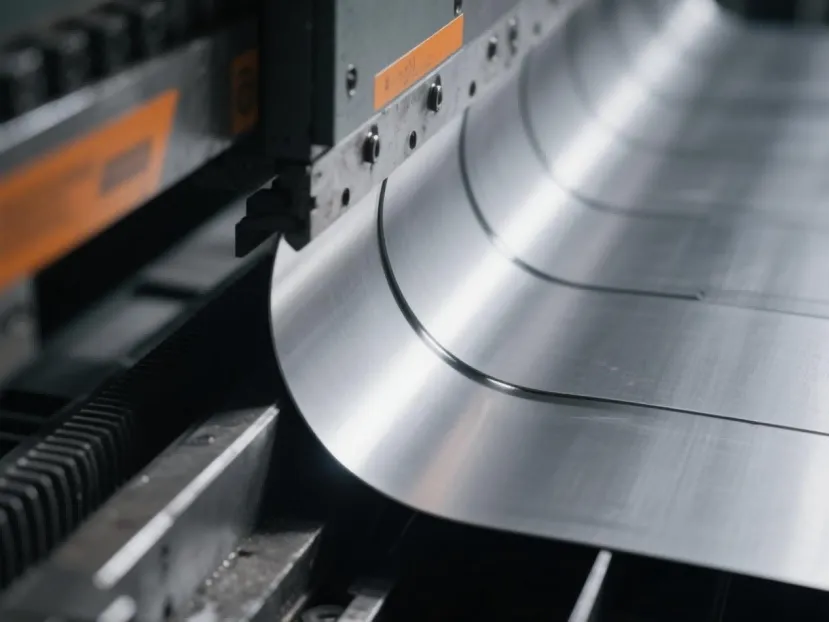
Selecting the right sheet metal fabrication supplier for telecommunication equipment requires careful evaluation of technical capabilities, quality standards, and delivery reliability. Telecommunication infrastructure demands precision manufacturing that meets strict industry specifications, and choosing the wrong supplier can compromise system performance, increase costs, and delay critical deployments. Your procurement decision directly impacts the success of network installations and long-term equipment durability.
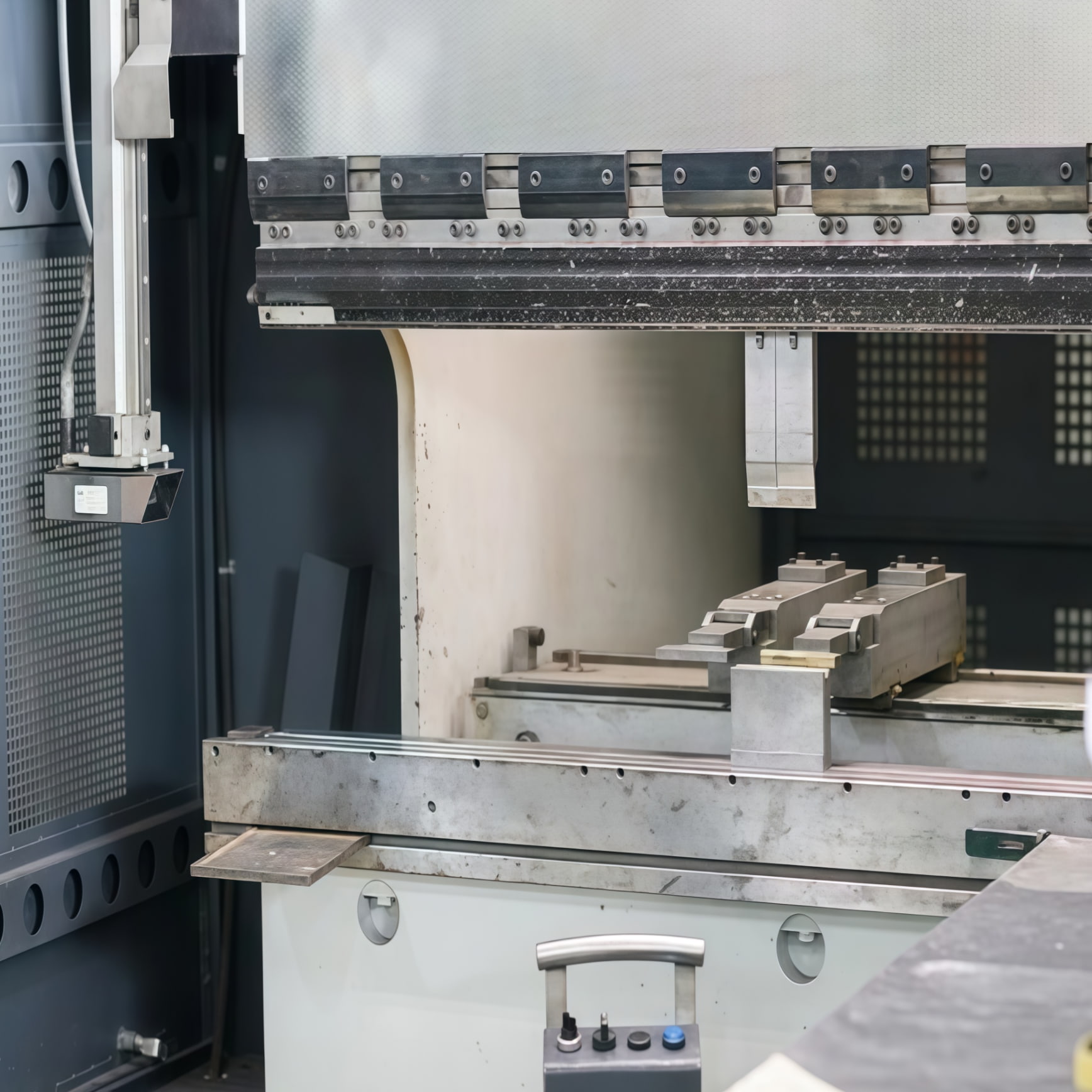
The telecommunication sector requires sheet metal fabrication suppliers who understand electromagnetic compatibility, environmental resilience, and dimensional tolerances. Equipment enclosures, mounting brackets, cable management systems, and structural components all demand precision that generic fabricators cannot reliably deliver. This guide walks you through the essential criteria for evaluating potential suppliers and making an informed choice that aligns with your project requirements and business objectives.
Technical Capabilities and Certification Requirements
Assessing Manufacturing Expertise
Evaluate whether the sheet metal fabrication supplier operates equipment capable of handling your specific tolerances and material specifications. Modern telecommunication housings often require tight dimensional accuracy, advanced joining methods, and specialized surface treatments. A qualified sheet metal fabrication provider should have progressive die stamping, laser cutting, CNC bending, and welding capabilities that match your design complexity. Request their equipment inventory and ask about machine calibration frequency and maintenance protocols.
Certifications and Industry Standards
Verify that your sheet metal fabrication supplier holds ISO 9001:2015 certification or equivalent quality management system recognition. Telecommunication equipment often requires compliance with IEC, UL, or FCC standards, and your supplier must demonstrate traceability and process control. Ask whether they maintain material certifications, perform in-process inspection, and have experience with RoHS and REACH compliance. A reputable sheet metal fabrication company will provide documented evidence of these credentials and undergo regular audits.
Quality Control and Reliability Performance
Defect Rates and Testing Protocols
Request defect rate documentation and understand the sheet metal fabrication supplier's inspection methodology. First-pass quality is critical in telecommunication manufacturing, where rework or recalls can damage reputation and project timelines. Ask about their statistical process control, first article inspection procedures, and traceability systems. A strong sheet metal fabrication partner will track key performance indicators and proactively communicate quality improvements.
Material Sourcing and Supply Chain Stability
Verify that the sheet metal fabrication supplier maintains approved material sources and inventory buffers for common alloys used in telecommunication enclosures. Material shortages can delay projects, so ask about their supply chain redundancy and relationships with raw material providers. A reliable sheet metal fabrication vendor will maintain quality agreements with their material suppliers and conduct periodic audits. Understanding their sourcing strategy protects your timeline and prevents unexpected cost escalations.
Delivery Capacity and Scalability
Production Lead Times and Flexibility
Discuss production schedules with your sheet metal fabrication supplier and clarify their lead time commitments for both prototype and volume runs. Telecommunication projects often have critical deployment windows, and delayed component delivery can cascade through your entire schedule. Ask about their capacity utilization, whether they maintain safety stock of popular components, and how they handle rush requests. A mature sheet metal fabrication partner can flex production without compromising quality.
Volume Growth and Tooling Investment
Evaluate whether the sheet metal fabrication supplier can scale production as your telecommunication equipment volume grows. Ask about their willingness to invest in dedicated tooling, progressive dies, or fixtures for your components. Some sheet metal fabrication companies offer cost-sharing arrangements on tooling, which can reduce your per-unit costs significantly at higher volumes. Clarify their approach to design optimization and value engineering that maintains quality while reducing manufacturing costs.
Cost Structure and Commercial Terms
Transparent Pricing Models
Request detailed quotes from multiple sheet metal fabrication suppliers that break down material, labor, and overhead costs. Compare pricing based on total cost of ownership rather than unit price alone, considering quality, delivery reliability, and technical support. A professional sheet metal fabrication vendor will explain their pricing logic and highlight where they can optimize your design for cost reduction. Avoid suppliers who cannot justify their pricing or lack transparency in their cost structure.
Contract Terms and Partnership Alignment
Establish clear contractual terms with your sheet metal fabrication supplier that define quality standards, delivery schedules, and change order procedures. Discuss pricing adjustments for raw material fluctuations, intellectual property protection for your designs, and dispute resolution processes. A collaborative sheet metal fabrication partner will be willing to negotiate terms that balance risk appropriately and build long-term alignment. Review references from existing customers to understand how well the supplier honors commitments under pressure.
Technical Support and Continuous Improvement
Design Assistance and Manufacturability Reviews
A proactive sheet metal fabrication supplier should offer design feedback before manufacturing begins, identifying potential manufacturability issues and cost optimization opportunities. Ask whether they conduct design for manufacturability (DFM) reviews and provide recommendations on material selection, bend radii, or tolerance specifications. This collaboration can prevent costly errors and reduce time-to-market for your telecommunication equipment. Sheet metal fabrication services that include design support demonstrate commitment to your success beyond simple component production.
Long-Term Partnership Potential
Evaluate the sheet metal fabrication supplier's track record with long-term customer relationships and their investment in process improvement. Ask about their innovation initiatives, adoption of new technologies like automation or advanced coating processes, and willingness to participate in continuous improvement programs with their customers. A mature sheet metal fabrication partner views your success as their success and will proactively identify ways to enhance quality, reduce cost, and accelerate delivery as your business grows.
FAQ
What certifications should a sheet metal fabrication supplier have for telecommunication equipment?
Your sheet metal fabrication supplier should hold ISO 9001:2015 certification and demonstrate compliance with relevant standards such as IEC, UL, or FCC depending on your equipment type. Material certifications, RoHS and REACH compliance documentation, and evidence of environmental testing protocols are essential. Ask for audit reports and third-party certification records to verify ongoing compliance with quality and environmental standards.
How can I evaluate quality performance from a sheet metal fabrication provider?
Request documented defect rates, first-pass yield metrics, and details of their statistical process control methods. A reputable sheet metal fabrication company will provide traceability for inspected parts, explain their first article inspection procedures, and discuss how they respond to quality issues. Customer references and site visits can reveal how seriously a supplier takes quality improvement and continuous process optimization.
What pricing factors should I consider when comparing sheet metal fabrication suppliers?
Compare total cost of ownership rather than unit price alone, including material costs, labor, overhead, delivery reliability, and technical support value. Ask how your sheet metal fabrication supplier adjusts pricing for raw material changes, volume commitments, and design optimization opportunities. Evaluate whether they offer tooling cost-sharing or volume-based pricing reductions that can significantly improve your economics at higher production quantities.