
 EN
EN
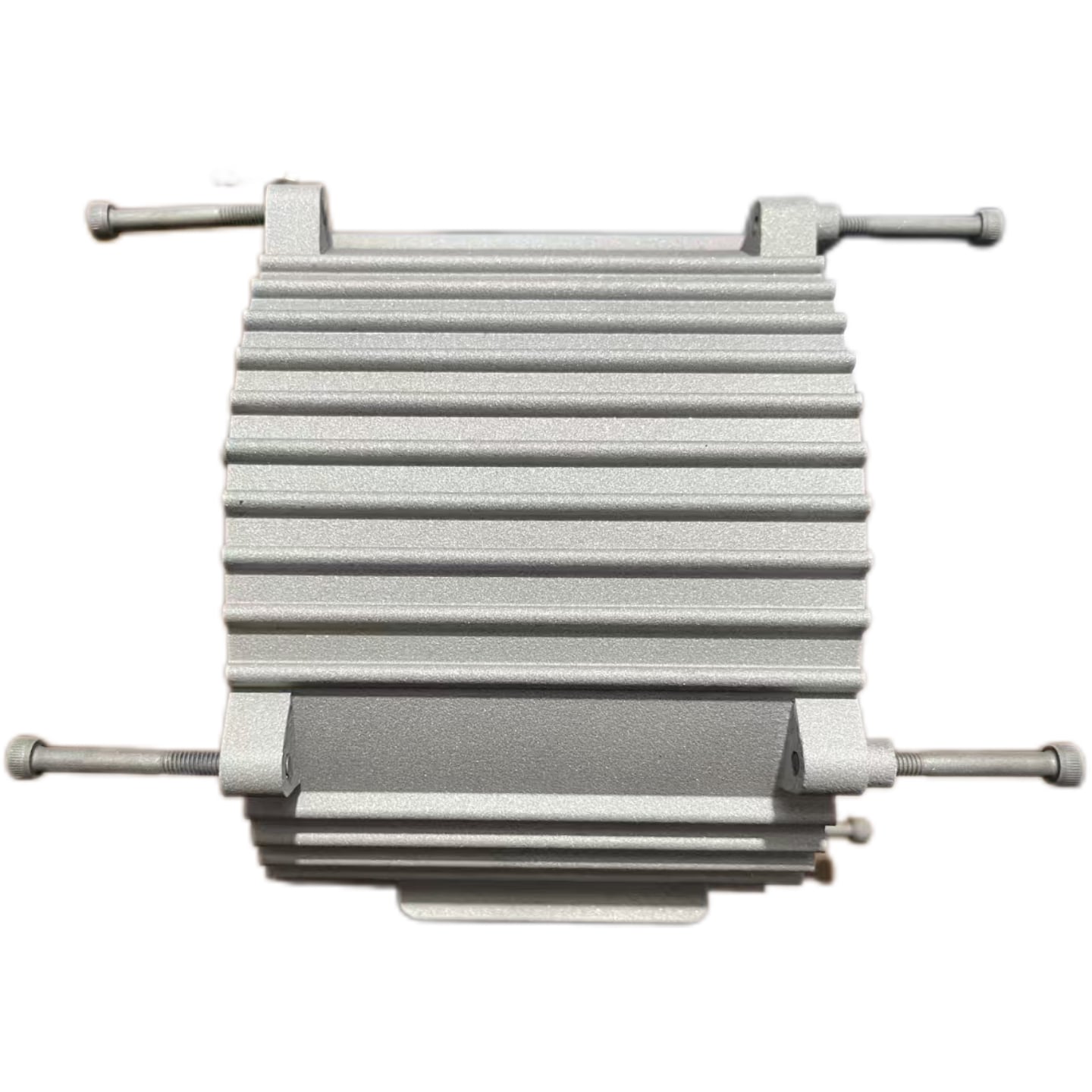
Global supply chains face unprecedented pressure to reduce costs, accelerate time-to-market, and maintain flexibility in an increasingly volatile environment. Traditional manufacturing models often require long lead times, minimum order quantities, and geographically dispersed production networks that complicate logistics and inflate expenses. A 3d printing service delivered directly from advanced manufacturing facilities offers a transformative alternative that fundamentally reshapes how companies source components, prototypes, and finished parts. By leveraging factory-direct 3d printing service capabilities, organizations can consolidate production closer to demand centers, eliminate supply chain redundancies, and respond to market changes with unprecedented agility.
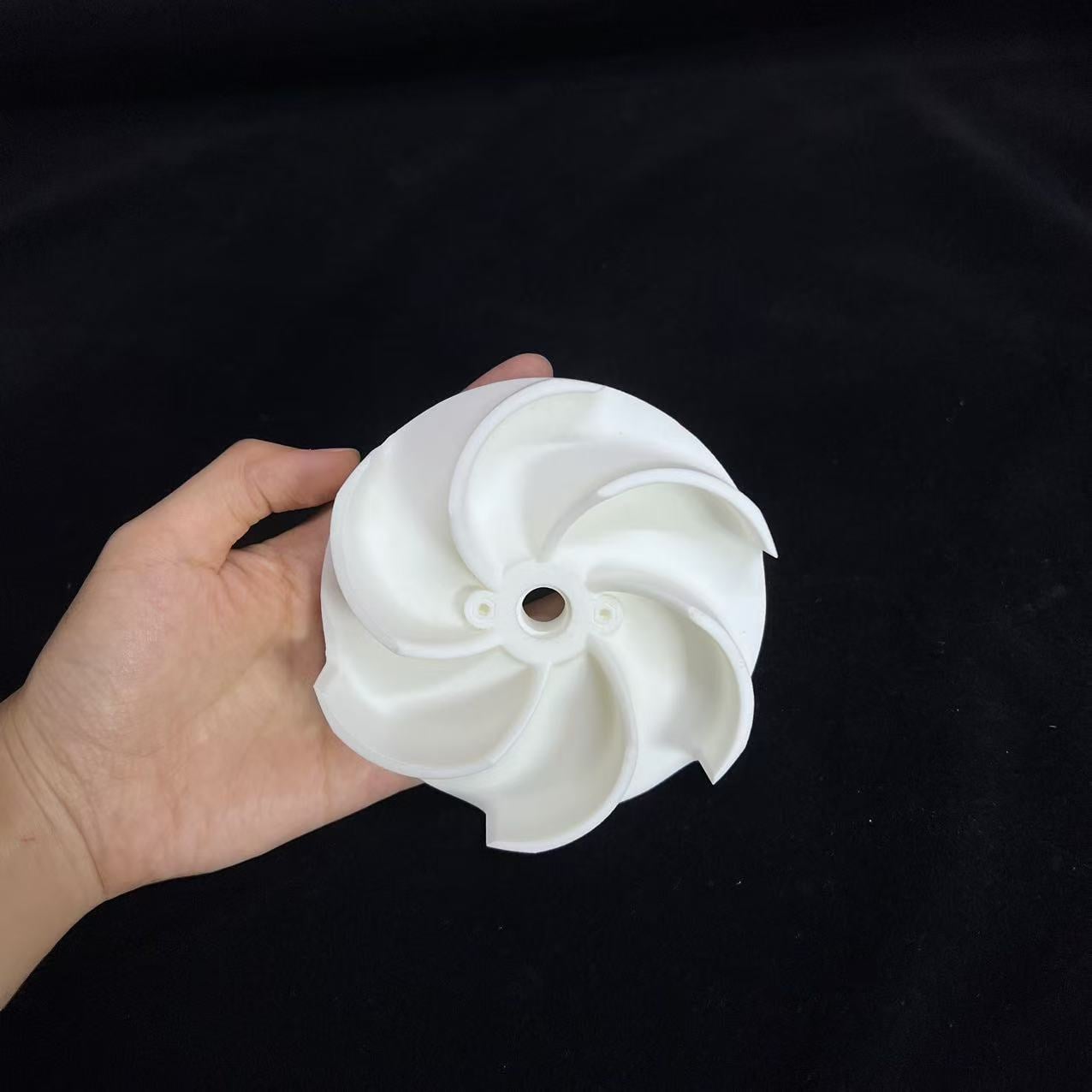
The integration of factory-direct 3d printing service into supply chain strategies represents more than a technology adoption; it fundamentally reorders cost structures, inventory models, and risk management across entire networks. Companies that embrace this production paradigm report significant reductions in warehousing expenses, obsolescence losses, and transportation overhead. The 3d printing service model enables businesses to manufacture on demand, responding instantly to customer orders without the financial burden of maintaining large physical inventories or contracting with distant overseas suppliers subject to extended shipping delays.
Cost Reduction Through Factory-Direct 3D Printing Service
Eliminating Traditional Manufacturing Overhead
Factory-direct 3d printing service eliminates many hidden costs embedded in conventional manufacturing workflows. Traditional subtractive manufacturing generates substantial material waste, requires expensive tooling investments, and necessitates significant setup time before production begins. By contrast, 3d printing service operates with minimal material waste, zero tooling requirements, and immediate production capability. Organizations leveraging factory-direct 3d printing service avoid the capital expenditure associated with custom molds, dies, and fixtures that lock companies into specific production runs. Each component produced through 3d printing service requires only digital design files that can be transmitted instantly across global networks, reducing administrative overhead and accelerating approval cycles.
Supply Chain Consolidation Benefits
Factory-direct 3d printing service providers operate centralized manufacturing hubs equipped with advanced additive technology, enabling companies to consolidate orders from multiple locations into single production batches. This consolidation reduces per-unit transportation costs and simplifies logistics coordination compared to managing relationships with numerous regional suppliers. The 3d printing service model allows businesses to negotiate volume pricing based on total additive manufacturing capacity rather than maintaining separate vendor relationships with different minimum order quantities. Additionally, companies utilizing factory-direct 3d printing service can optimize inventory levels by shifting from just-in-case stockpiling to precise just-in-time delivery models, freeing up capital previously trapped in warehouses and reducing carrying costs associated with obsolete or slow-moving inventory.
Speed and Flexibility Advantages of 3D Printing Service
Accelerated Time-to-Market with 3D Printing Service
Factory-direct 3d printing service fundamentally compresses product development and deployment cycles by eliminating traditional manufacturing constraints. Prototype iterations that require weeks or months through conventional channels complete in days using 3d printing service, enabling rapid design validation and market testing. Organizations can submit digital specifications to a 3d printing service provider and receive finished components within hours rather than waiting for international shipping, customs clearance, and local distribution. This acceleration is particularly valuable in industries where market windows are narrow and competitive advantage depends on being first to market. Companies employing factory-direct 3d printing service can launch new products faster, respond to design revisions immediately, and capitalize on emerging market opportunities before competitors mobilize traditional supply chains.
Responsive Production Capacity
Factory-direct 3d printing service provides unprecedented production flexibility by decoupling manufacturing capacity from fixed infrastructure investments. Unlike traditional facilities with capacity constraints tied to physical equipment, a 3d printing service provider can scale output by adding printers to its production floor without permanent capital commitments from the customer. When demand spikes, companies using 3d printing service can instantly access additional production capacity without negotiations, approvals, or capital allocation delays. Conversely, when demand softens, organizations maintain minimal commitments, paying only for actual production rather than underutilized contracted capacity. This flexibility is essential for companies serving markets with unpredictable demand patterns, seasonal fluctuations, or rapid product evolution cycles where traditional manufacturing models impose excessive financial risk.
Global Supply Chain Resilience Through 3D Printing Service
Distributed Production Network Strategy
Factory-direct 3d printing service enables organizations to implement distributed production networks that reduce dependency on single geographic sources while maintaining cost efficiency. By partnering with multiple 3d printing service providers positioned strategically across different continents, companies can source components from the facility closest to their assembly operations, minimizing transportation time and costs. This geographic diversification substantially mitigates risks associated with geopolitical disruptions, regional supply constraints, and transportation bottlenecks that plague traditional supply chains. The 3d printing service model allows companies to maintain redundancy in their supplier network without duplicating fixed manufacturing infrastructure, providing resilience against single points of failure that devastate conventional supply chains dependent on few overseas suppliers.
Risk Management and Business Continuity
Factory-direct 3d printing service strengthens business continuity by enabling rapid sourcing transitions when primary suppliers face disruption. Companies relying on 3d printing service can activate alternative providers by simply uploading digital files to different production facilities, eliminating the complex renegotiations and retooling required when traditional manufacturers face downtime or availability constraints. The digital nature of 3d printing service specifications means companies retain complete design documentation, production parameters, and quality standards that transfer seamlessly between providers. This portability protects organizations against supplier dependency risks while creating strategic flexibility to respond to market disruptions, pandemic-related constraints, or geopolitical complications. Additionally, factory-direct 3d printing service providers typically maintain backup production systems, redundant infrastructure, and documented disaster recovery protocols that exceed the reliability commitments of traditional regional suppliers.
FAQ
How does factory-direct 3D printing service reduce inventory carrying costs?
Factory-direct 3d printing service enables on-demand manufacturing, eliminating the need to maintain large safety stock buffers. Companies order exactly the quantities they need when they need them, with components delivered within days rather than months. This just-in-time model frees significant working capital previously tied up in warehousing, inventory management systems, and obsolescence reserves. The 3d printing service approach is particularly valuable for custom or low-volume components where traditional batch manufacturing forced companies to maintain expensive inventory or face extended lead times.
Can 3D printing service handle large production volumes in global supply chains?
Yes, factory-direct 3d printing service providers maintain production facilities with dozens or hundreds of printers capable of handling substantial volumes. While per-unit costs remain most competitive for low-to-medium volumes compared to injection molding, 3d printing service continues to offer advantages in lead time reduction, design flexibility, and supply chain consolidation even at higher quantities. For very high-volume production, companies often use 3d printing service for initial launches and custom variants while transitioning baseline components to traditional manufacturing once designs stabilize and volume justifies tooling investments.
What types of materials are available through factory-direct 3D printing service?
Modern factory-direct 3d printing service providers work with diverse materials including thermoplastics, resins, metals, and specialized composites suited to different industrial applications. A 3d printing service facility can typically produce components from standard engineering plastics for prototyping through aerospace-grade titanium alloys for critical applications. Customers should discuss material requirements with their 3d printing service provider to confirm capability and ensure final components meet performance specifications, regulatory compliance, and environmental operating conditions required by their specific applications.