
 EN
EN
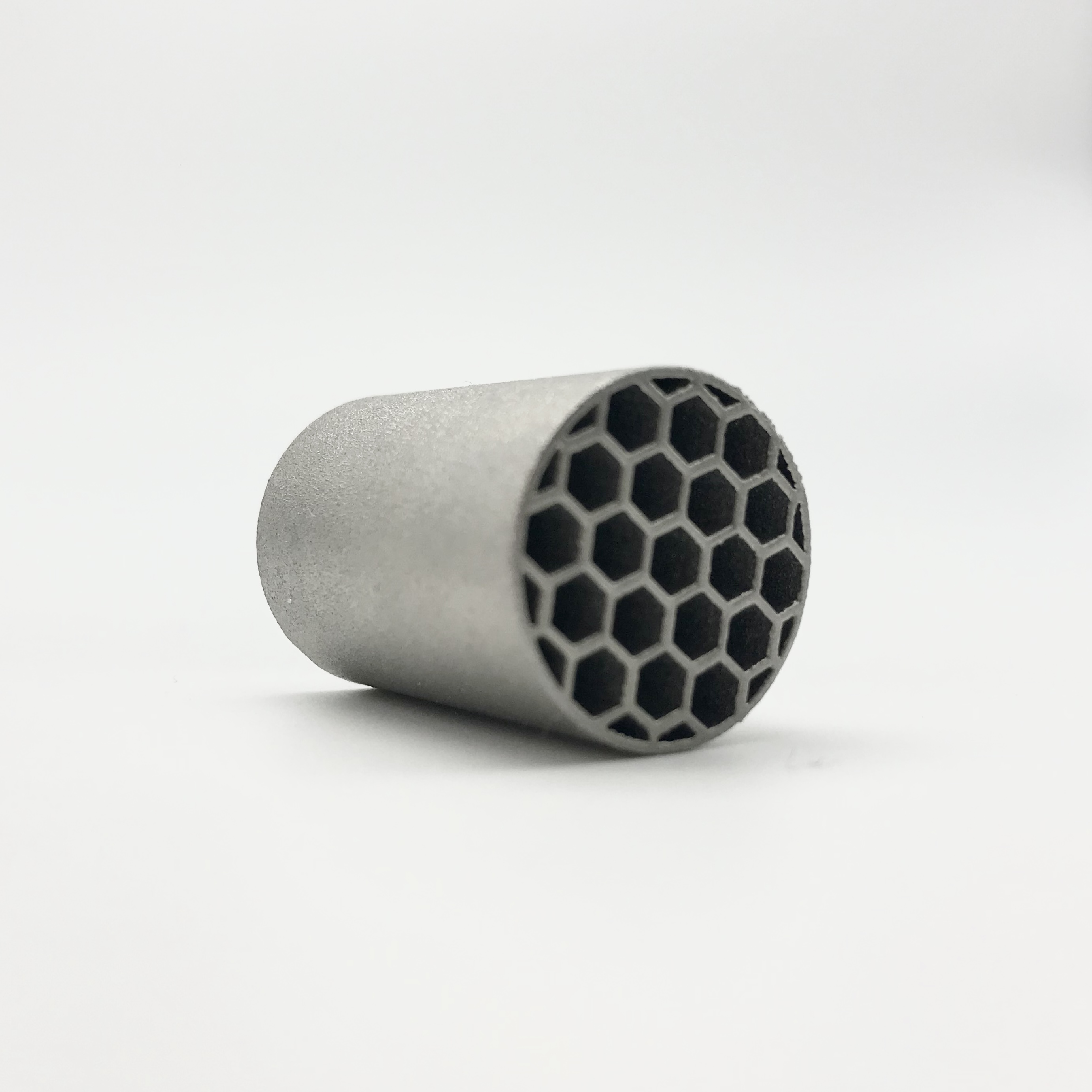
Medical device developers face intense pressure to accelerate product timelines while maintaining strict regulatory compliance and managing development costs. A strategic 3d printing service outsourcing approach can transform your prototyping workflow and significantly reduce time-to-market. Wholesale 3d printing service partnerships provide access to advanced manufacturing capabilities, specialized expertise, and production-scale infrastructure without the capital investment of in-house equipment and personnel.
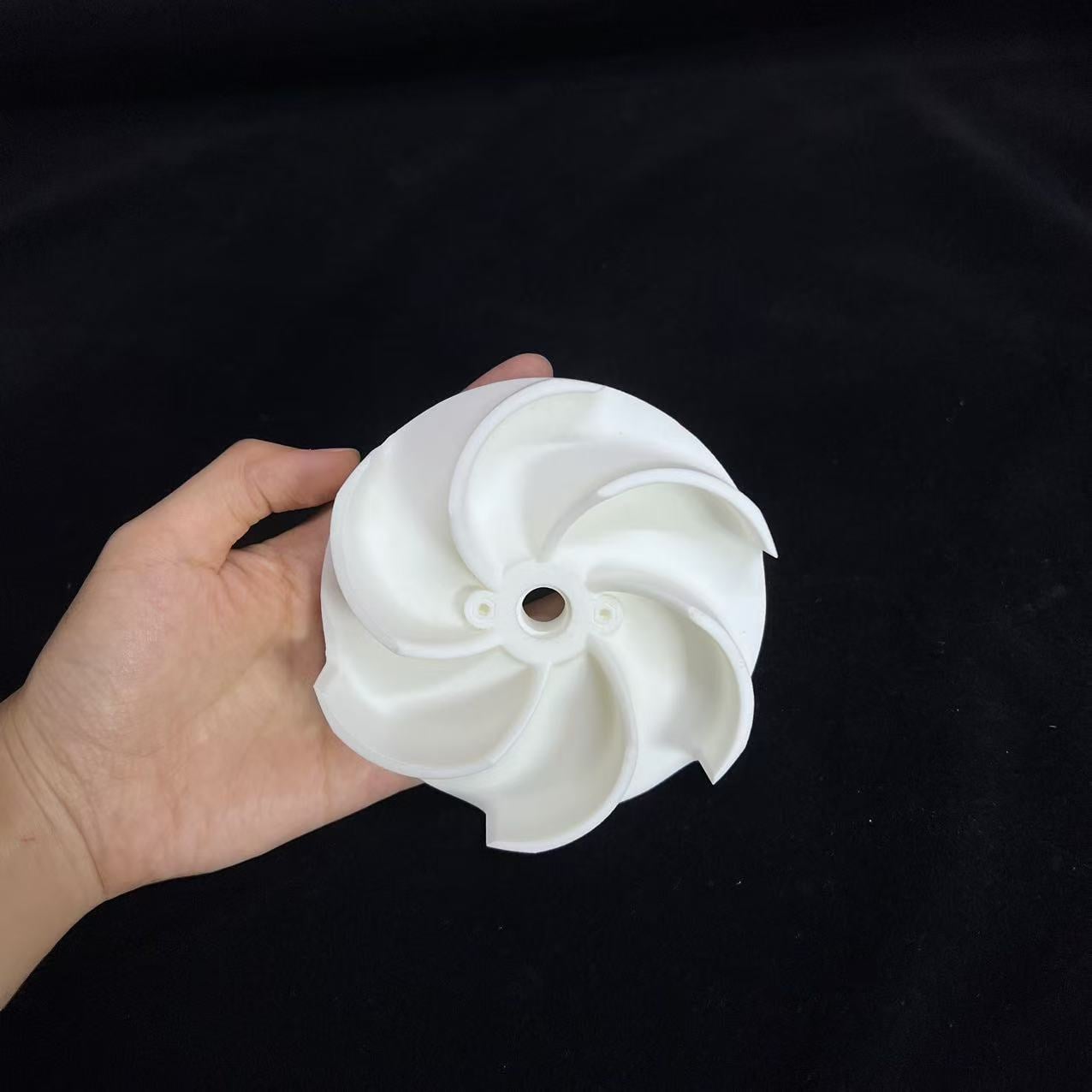
Choosing the right 3d printing service provider becomes a critical business decision that directly impacts product quality, regulatory pathway success, and overall development economics. Medical device companies increasingly recognize that leveraging wholesale 3d printing service capacity enables faster iteration cycles, higher design freedom, and faster validation of critical device components. This outsourcing model provides flexibility to scale production volumes as your device progresses through development stages without committing to expensive equipment or long-term facility investments.
Core Advantages of Wholesale 3D Printing Service Partnerships
Accelerated Prototyping and Design Validation
A professional 3d printing service dramatically reduces design-to-prototype timelines from weeks to days. Medical device developers can iterate rapidly through multiple design revisions, test functional performance, and validate manufacturing feasibility without waiting for traditional machining lead times. Wholesale 3d printing service providers maintain diverse material libraries and process capabilities, enabling you to match material properties to specific device requirements and performance criteria.
When working with an experienced 3d printing service partner, design feedback cycles become faster and more iterative. Teams can test ergonomic features, component fit and assembly, and user interaction patterns in physical prototypes before committing to expensive production tooling. This capability is particularly valuable for complex orthopedic implants, surgical instruments, and diagnostic device housings where form factor optimization directly impacts clinical outcomes.
Regulatory Compliance and Documentation Support
Leading wholesale 3d printing service providers understand the stringent documentation and traceability requirements for medical device manufacturing. Your 3d printing service partner should maintain comprehensive material certifications, process validations, and audit trails that support FDA submissions, ISO 13485 compliance verification, and post-market surveillance obligations. This built-in compliance infrastructure eliminates the regulatory knowledge gaps that often plague in-house prototyping attempts.
A reliable 3d printing service maintains detailed process records for each component batch, including material lot numbers, machine calibration data, and post-processing parameters. This documentation chain proves invaluable during regulatory inspections and when responding to FDA information requests. Working with a compliant 3d printing service reduces the risk of regulatory delays and supports smoother premarket approval pathways.
Cost Efficiency and Operational Flexibility
Eliminating Capital Equipment Investments
Medical device companies that pursue in-house 3d printing service capabilities often underestimate total cost of ownership. Equipment purchases, facility infrastructure modifications, staff training, maintenance contracts, and material waste accumulate rapidly. By outsourcing to a wholesale 3d printing service provider, you convert these fixed capital expenses into variable costs aligned with actual production volume and development progress.
The financial flexibility provided by a 3d printing service model proves especially valuable during early-stage development when production volumes remain uncertain. Your company avoids purchasing equipment that may become obsolete as design requirements evolve. Instead, the 3d printing service provider absorbs equipment depreciation and manages technology upgrades, allowing your team to focus resources on product innovation rather than manufacturing infrastructure management.
Scalability Without Facility Constraints
Production volume requirements for medical devices fluctuate dramatically across development stages. A professional 3d printing service provides inherent scalability, enabling your organization to produce five prototype units for clinical feasibility testing, expand to fifty units for design validation studies, and subsequently transition to hundreds or thousands of production components without facility expansion or equipment purchases.
This scalability eliminates manufacturing bottlenecks that commonly delay product launches. When your 3d printing service provider maintains multiple production systems and experienced operators, they can allocate capacity to accommodate sudden volume increases without compromising quality or delivery timelines. The flexibility to scale manufacturing capacity proportionally with market demand represents a significant competitive advantage in the fast-moving medical device sector.
Material Science and Process Expertise
Access to Specialized Material Options
Pharmaceutical-grade, biocompatible, and sterilizable materials required for medical device manufacturing demand specialized expertise and supply chain management. A comprehensive 3d printing service provider maintains inventory of validated materials, including biocompatible resins, medical-grade thermoplastics, and sterilizable composites. Your access to this materials library through a 3d printing service partnership eliminates extensive qualification studies and supplier validation timelines.
When your 3d printing service partner has already completed biocompatibility testing and sterilization compatibility validation for specific materials, you gain immediate regulatory approval leverage. Rather than conducting redundant testing, your organization can reference the 3d printing service provider's historical data and accelerate your device's regulatory pathway. This materialsexpertise represents substantial value, particularly for companies developing implantable or patient-contacting devices with stringent biocompatibility requirements.
Advanced Process Capabilities and Optimization
Professional 3d printing service providers maintain diverse manufacturing methodologies including stereolithography, selective laser sintering, fused deposition modeling, and polyjet technology. Each 3d printing service process offers distinct advantages for specific device geometries and material requirements. A knowledgeable service provider guides your selection of optimal 3d printing service processes based on dimensional accuracy, surface finish, mechanical properties, and production volume economics.
Experienced 3d printing service teams optimize print parameters, support structures, and post-processing workflows to maximize quality while minimizing material waste and production costs. This process expertise, developed through thousands of completed projects, delivers superior outcomes compared to learning-curve manufacturing attempts conducted in-house. Your 3d printing service provider brings institutional knowledge about material behavior, machine capabilities, and quality optimization that would require years to develop internally.
Strategic Implementation Considerations
Partner Selection and Relationship Management
Selecting the appropriate wholesale 3d printing service provider requires evaluating technical capabilities, quality certifications, regulatory experience, and communication responsiveness. Verify that your 3d printing service candidate maintains ISO 13485 certification, understands FDA guidance documents, and can articulate their design control processes. Request facility tours, review sample components produced by their 3d printing service, and discuss their approach to quality assurance and deviation management.
Establishing clear communication protocols and expectation alignment strengthens your 3d printing service partnership. Define turnaround times, cost structures, intellectual property protections, and escalation procedures before committing significant project volumes to your chosen 3d printing service provider. Regular performance review meetings ensure your 3d printing service relationship continues delivering value and remains aligned with your organization's evolving development timeline and market requirements.
Integration with Your Development Workflow
Successful outsourcing requires deliberate planning to integrate your 3d printing service provider into your product development process. Establish data exchange protocols, design file format standards, and approval workflows that enable efficient iteration cycles. Your 3d printing service provider should participate in design reviews and provide manufacturing feedback early in the development cycle when design modifications remain feasible.
This collaborative approach transforms your 3d printing service relationship from a transactional supplier arrangement into a strategic partnership. Your 3d printing service provider becomes an extended member of your development team, offering manufacturing insights that shape design decisions and accelerate your path to commercialization. Investing in clear communication and regular engagement with your 3d printing service partner yields compounding benefits across multiple projects and development cycles.
FAQ
What materials are available through wholesale 3D printing service providers?
Professional 3d printing service providers maintain extensive material portfolios including medical-grade thermoplastics, biocompatible resins, sterilizable elastomers, and composite materials. Most established 3d printing service companies can accommodate standard materials used across multiple manufacturing processes plus custom material formulations for specialized applications. Your 3d printing service provider should supply detailed material specifications, biocompatibility documentation, and sterilization compatibility data to support your regulatory submissions and clinical use requirements.
How does outsourcing to a 3D printing service affect intellectual property protection?
Your 3d printing service relationship should include robust confidentiality agreements and intellectual property protections. Reputable 3d printing service providers maintain secure facilities, restrict employee access to proprietary designs, and maintain detailed confidentiality protocols. Before engaging a 3d printing service partner, negotiate specific intellectual property terms addressing design ownership, non-disclosure obligations, and restrictions on competing device work. Clearly documented 3d printing service agreements protect your design innovation and competitive advantages.
Can wholesale 3D printing service providers support full-scale production volumes?
Many larger 3d printing service organizations maintain production-scale capabilities and can transition your device from development prototyping to commercial manufacturing quantities. However, capacity varies significantly among 3d printing service providers, so discuss anticipated volume requirements and timelines during partner evaluation. Some 3d printing service companies specialize exclusively in prototyping while others operate industrial-scale manufacturing facilities. Clarify your 3d printing service provider's production capacity, tooling capabilities, and long-term commitment to supporting your anticipated commercial volumes before finalizing partnership agreements.