Advanced 3D Printed Aerospace Parts: Revolutionary Manufacturing for Aviation Excellence

All Categories

Get a Free Quote

Our representative will contact you soon.
Email
Name
Company Name
Message
0/1000

3d printed aerospace parts

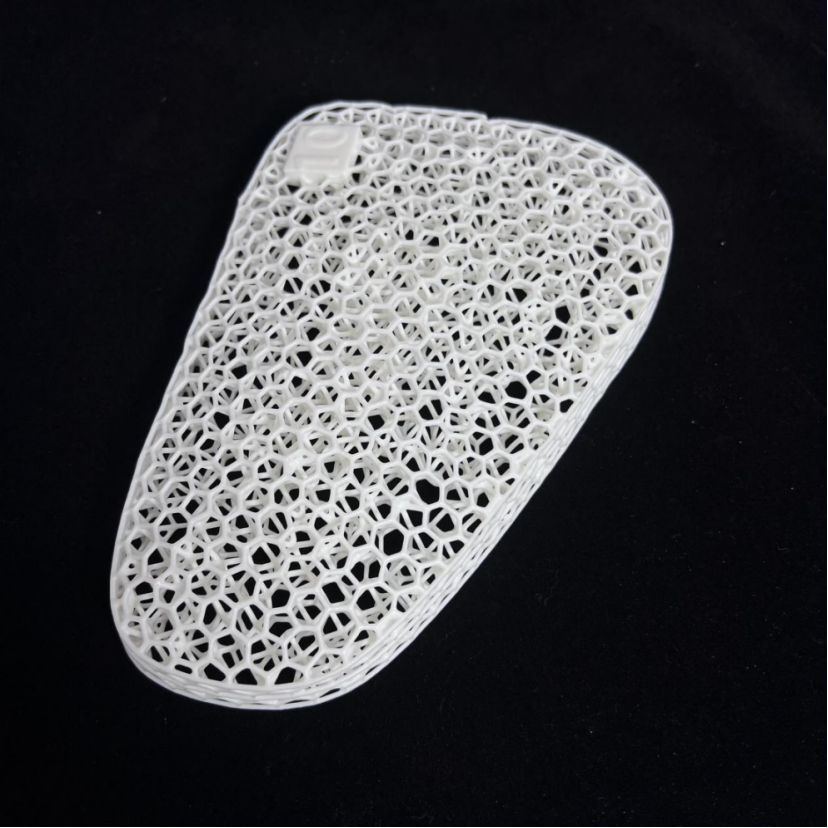
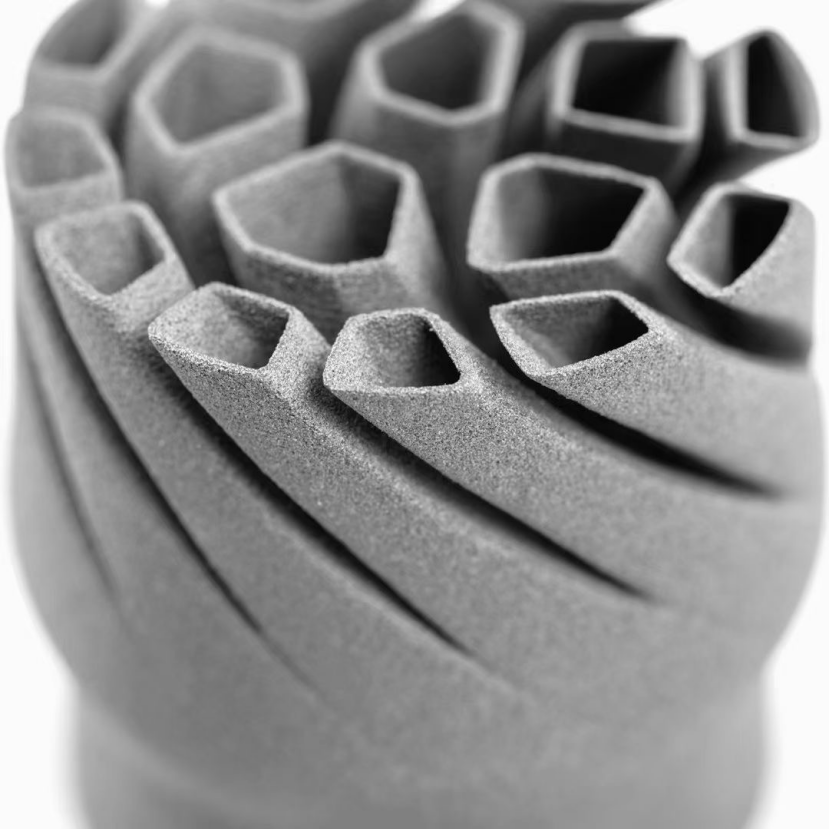
3D printed aerospace parts represent a revolutionary advancement in manufacturing technology, combining precision engineering with cutting-edge additive manufacturing processes. These components are created layer by layer using specialized materials such as titanium alloys, high-performance polymers, and advanced composites. The technology enables the production of complex geometries and internal structures that would be impossible or prohibitively expensive to manufacture using traditional methods. These parts serve various critical functions in aircraft and spacecraft, from structural components and engine parts to cabin interior elements and thermal protection systems. The manufacturing process involves sophisticated computer-aided design (CAD) software, powerful 3D printers, and rigorous quality control measures to ensure compliance with strict aerospace standards. The technology allows for rapid prototyping, design iteration, and the production of both small batches and large-scale components. Notable applications include fuel nozzles, brackets, ducting systems, and specialized tooling. The parts undergo extensive testing and certification processes to verify their mechanical properties, durability, and reliability in extreme conditions. This manufacturing approach has revolutionized the aerospace supply chain by reducing lead times, minimizing material waste, and enabling on-demand production of replacement parts.


New Product Releases

3D printed aerospace parts offer numerous compelling advantages that make them increasingly attractive to manufacturers and operators in the aviation industry. The most significant benefit is the substantial weight reduction achieved through optimized designs and innovative internal structures, leading to improved fuel efficiency and reduced operating costs. The manufacturing process eliminates the need for expensive tooling and molds, resulting in lower production costs for small to medium batch sizes. Lead times are dramatically shortened, often from months to weeks or even days, enabling faster product development and more responsive maintenance operations. The technology allows for part consolidation, where multiple components can be combined into a single printed piece, reducing assembly complexity and potential failure points. Material waste is minimized compared to traditional subtractive manufacturing methods, with unused powder materials being recyclable for future prints. Design flexibility is greatly enhanced, allowing engineers to create parts with complex geometries that optimize performance while maintaining structural integrity. The ability to produce parts on-demand reduces the need for large inventory storage and associated costs. Quality control is improved through digital manufacturing processes that ensure consistency across production runs. Customization becomes more feasible, enabling the creation of specialized parts for specific aircraft models or operating conditions. The technology also supports rapid iterative design improvements without significant additional tooling costs. Environmental impact is reduced through more efficient material usage and localized production capabilities.

Tips And Tricks

Unlocking the Potential of SLS 3D Printing: The Role of PA12 and PA12+GF30 in Advanced Manufacturing

19

Jun

Unlocking the Potential of SLS 3D Printing: The Role of PA12 and PA12+GF30 in Advanced Manufacturing

View More
3D Printing Empowers Embodied AI: Reshaping the Paradigm of Customized, Small-Batch Production for Humanoid Robots

19

Jun

3D Printing Empowers Embodied AI: Reshaping the Paradigm of Customized, Small-Batch Production for Humanoid Robots

View More
3D Printing & Rapid Prototyping: Transforming Small-Batch, Customized Production

19

Jun

3D Printing & Rapid Prototyping: Transforming Small-Batch, Customized Production

View More

Get a Free Quote

Our representative will contact you soon.
Email
Name
Company Name
Message
0/1000

3d printed aerospace parts

Advanced Material Optimization and Performance

Advanced Material Optimization and Performance

3D printed aerospace parts leverage cutting-edge materials science to achieve unprecedented levels of performance optimization. The manufacturing process allows for precise control over material distribution, enabling the creation of parts with variable density and mechanical properties within the same component. This sophisticated approach results in components that are not only lighter but also exhibit enhanced strength-to-weight ratios compared to traditionally manufactured parts. The ability to fine-tune material properties at different locations within a single part enables optimized stress distribution and improved thermal management characteristics. Engineers can strategically place materials to achieve specific performance requirements, such as heat resistance in certain areas while maintaining flexibility in others. This level of material control and optimization was previously impossible with conventional manufacturing methods.
Rapid Prototyping and Production Flexibility

Rapid Prototyping and Production Flexibility

The integration of 3D printing technology in aerospace manufacturing has revolutionized the product development cycle through unprecedented production flexibility. This capability enables manufacturers to move from concept to functional prototype in a matter of days rather than weeks or months. The rapid prototyping process allows for immediate testing and validation of design concepts, significantly reducing development time and costs. Teams can quickly iterate through multiple design versions, incorporating feedback and improvements with each iteration. This agility in the development process enables manufacturers to respond rapidly to changing requirements or identify and resolve potential issues early in the design phase. The technology also supports the production of both prototype and final production parts using the same equipment and processes, ensuring consistency between testing and final implementation.
Supply Chain Optimization and Cost Efficiency

Supply Chain Optimization and Cost Efficiency

3D printed aerospace parts introduce transformative benefits to supply chain management and overall cost efficiency. The technology enables on-demand manufacturing capabilities, dramatically reducing the need for large inventory storage and associated carrying costs. This shift from traditional stockpiling to just-in-time production minimizes obsolescence risks and improves cash flow management. The digital nature of the manufacturing process allows for decentralized production, with parts being manufactured closer to the point of need, reducing transportation costs and delivery times. The ability to produce complex components as single pieces rather than assemblies of multiple parts reduces assembly time, labor costs, and potential points of failure. Additionally, the digital inventory concept enables immediate production of replacement parts without physical storage requirements, significantly improving maintenance operations efficiency.

Get a Free Quote

Our representative will contact you soon.
Email
Name
Company Name
Message
0/1000