Advanced Aerospace Parts Manufacturing: Precision Engineering for Aviation Excellence

All Categories

Get a Free Quote

Our representative will contact you soon.
Email
Name
Company Name
Message
0/1000

aerospace parts manufacturing industry

The aerospace parts manufacturing industry represents a critical sector in modern aviation and space exploration, encompassing the production of essential components for aircraft, spacecraft, and satellites. This sophisticated industry combines precision engineering with cutting-edge manufacturing technologies to create parts that meet stringent safety and performance standards. Manufacturers utilize advanced materials like titanium alloys, composites, and high-grade aluminum to produce components ranging from turbine engines to landing gear systems. Computer-aided design (CAD) and computer-aided manufacturing (CAM) systems enable precise production processes, while quality control measures ensure compliance with international aviation regulations. The industry employs various manufacturing techniques, including CNC machining, 3D printing, and precision casting, to create components that can withstand extreme conditions while maintaining optimal performance. These facilities often operate under strict certification requirements, such as AS9100 aerospace quality management standards, ensuring consistency and reliability in production. The sector serves both commercial and military aviation needs, providing crucial parts for passenger aircraft, military vehicles, and space exploration missions. Modern aerospace parts manufacturing facilities integrate automation and smart manufacturing principles to enhance efficiency and maintain competitive advantages in the global market.


New Products

The aerospace parts manufacturing industry offers numerous compelling advantages that directly benefit customers across the aviation and space sectors. First, the industry's commitment to precision engineering ensures unparalleled product quality, reducing the risk of component failure and extending operational lifespan. Manufacturers employ state-of-the-art quality control systems that verify each part's conformity to exact specifications, providing customers with reliable components that meet or exceed industry standards. The use of advanced materials and manufacturing techniques results in lighter, stronger parts that improve fuel efficiency and reduce operational costs. Custom manufacturing capabilities allow for specialized solutions that address specific customer requirements, while rapid prototyping services accelerate product development cycles. The industry's robust supply chain management systems ensure timely delivery and minimize production disruptions. Comprehensive testing and certification processes guarantee that all components meet regulatory requirements, simplifying compliance procedures for customers. Modern aerospace manufacturers also offer valuable technical support and documentation, facilitating seamless integration of components into existing systems. The industry's focus on innovation drives continuous improvement in both products and processes, giving customers access to the latest technological advancements. Furthermore, established manufacturers maintain extensive quality management systems that provide complete traceability for each component, essential for maintenance and regulatory purposes.

Practical Tips

Unlocking the Potential of SLS 3D Printing: The Role of PA12 and PA12+GF30 in Advanced Manufacturing

19

Jun

Unlocking the Potential of SLS 3D Printing: The Role of PA12 and PA12+GF30 in Advanced Manufacturing

View More
3D Printing Empowers Embodied AI: Reshaping the Paradigm of Customized, Small-Batch Production for Humanoid Robots

19

Jun

3D Printing Empowers Embodied AI: Reshaping the Paradigm of Customized, Small-Batch Production for Humanoid Robots

View More
3D Printing & Rapid Prototyping: Transforming Small-Batch, Customized Production

19

Jun

3D Printing & Rapid Prototyping: Transforming Small-Batch, Customized Production

View More

Get a Free Quote

Our representative will contact you soon.
Email
Name
Company Name
Message
0/1000

aerospace parts manufacturing industry

Advanced Manufacturing Technologies

Advanced Manufacturing Technologies

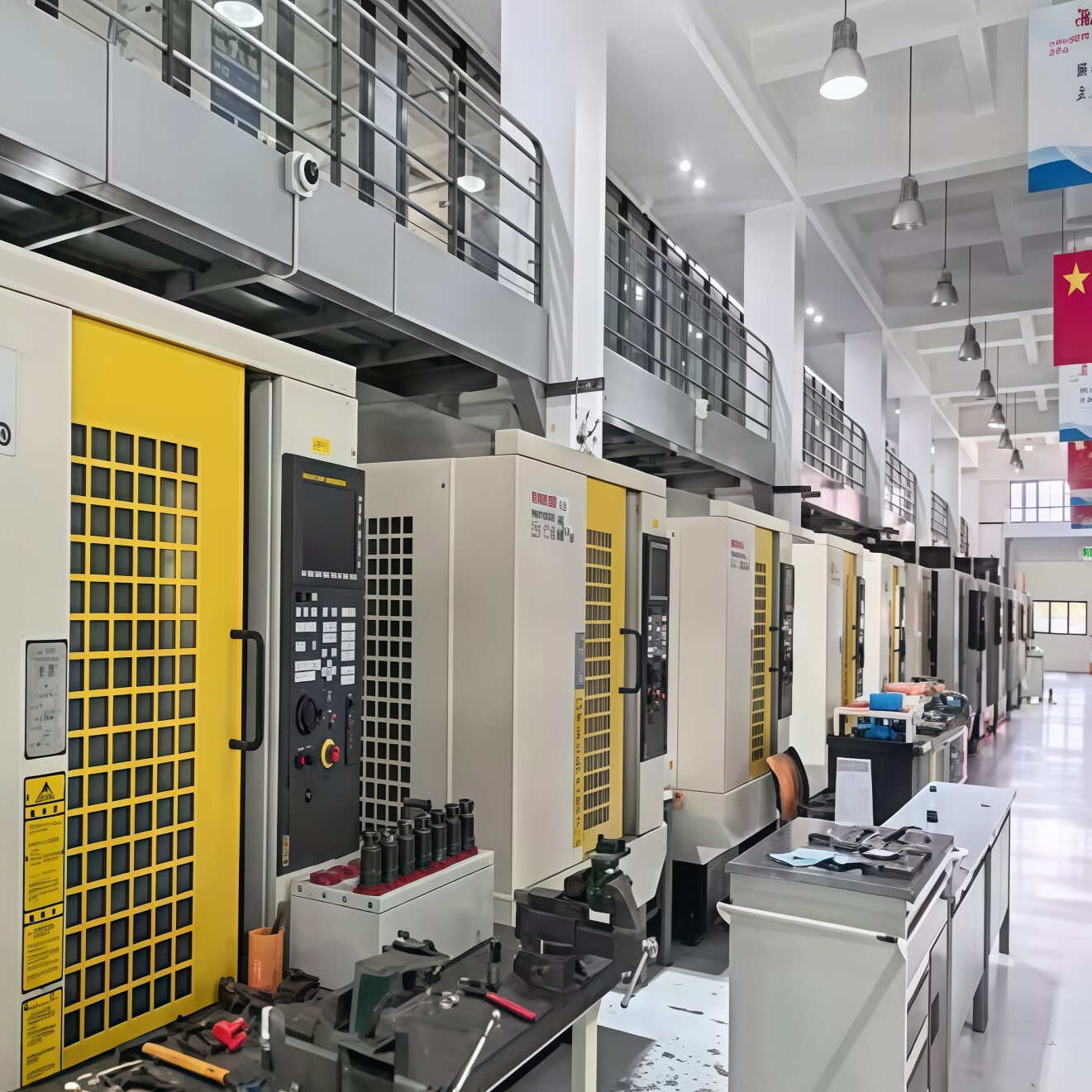
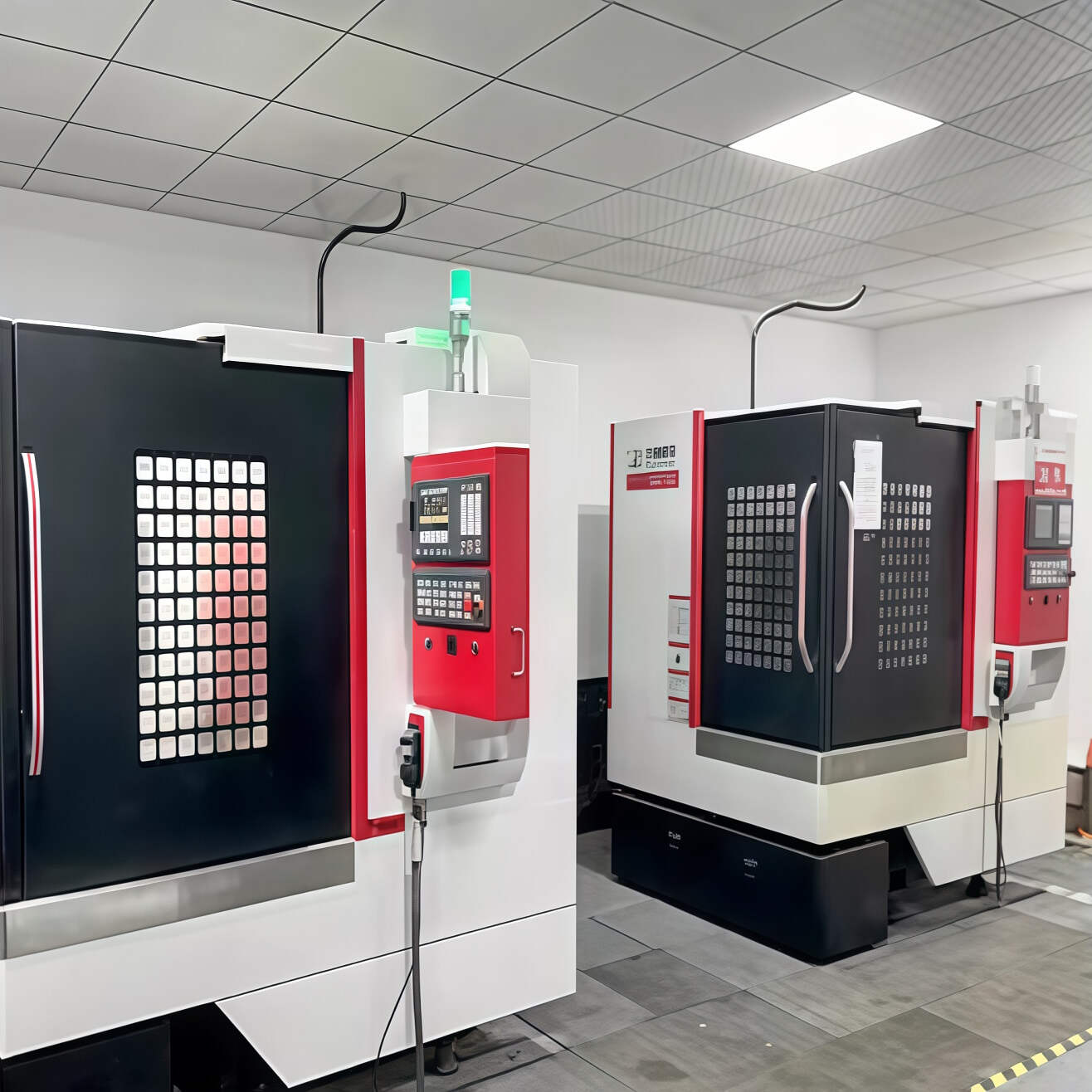
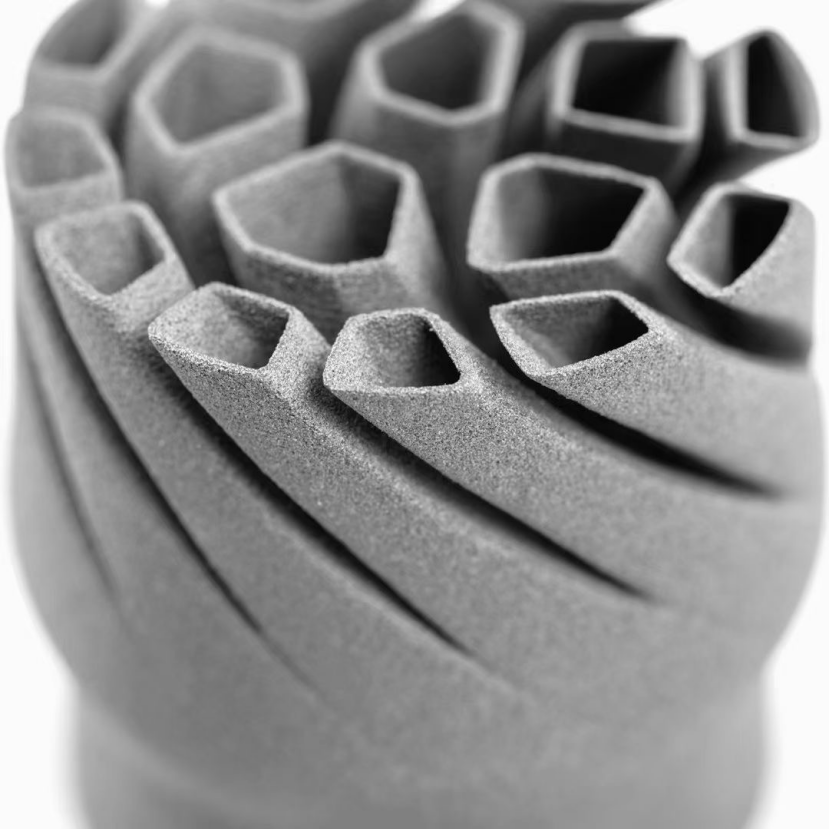
The aerospace parts manufacturing industry leverages cutting-edge manufacturing technologies that set new standards for precision and reliability. Computer Numerical Control (CNC) machining centers equipped with multi-axis capabilities can produce complex geometries with tolerances measured in microns. Advanced additive manufacturing systems, including metal 3D printing, enable the creation of previously impossible designs, reducing weight while maintaining structural integrity. These technologies are complemented by sophisticated measurement and inspection systems that ensure dimensional accuracy throughout the manufacturing process. Real-time monitoring and data analytics capabilities allow manufacturers to optimize production parameters and maintain consistent quality across large production runs. The integration of automation and robotics in manufacturing processes reduces human error while increasing productivity and repeatability.
Quality Assurance and Certification

Quality Assurance and Certification

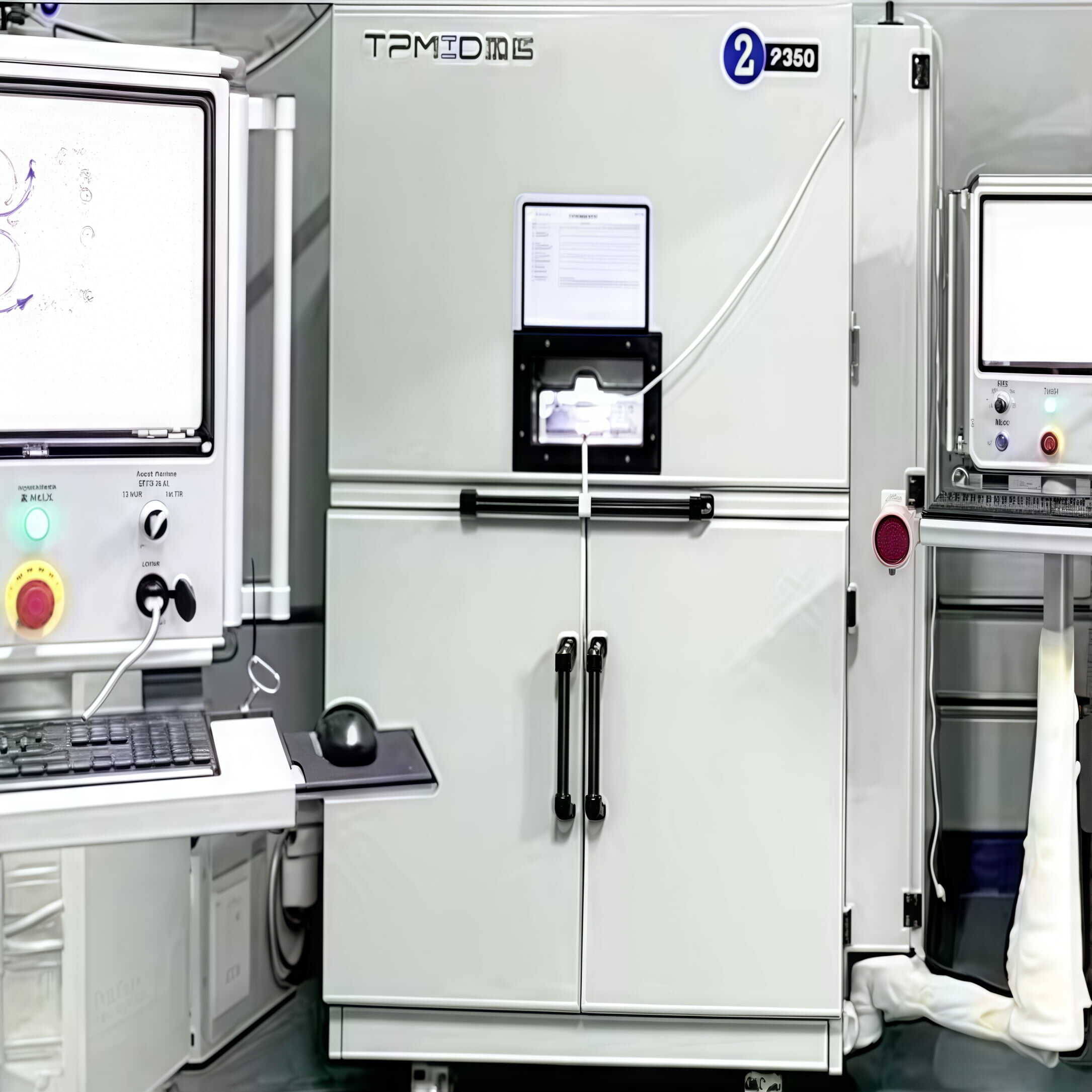
Quality assurance in aerospace parts manufacturing involves comprehensive systems and protocols that guarantee product reliability and safety. Manufacturers maintain AS9100 certification, the global quality management standard specific to the aerospace industry, ensuring consistent adherence to stringent quality requirements. Non-destructive testing methods, including ultrasonic and radiographic inspection, verify internal structural integrity without compromising the components. Each part undergoes multiple inspection stages using advanced metrology equipment, creating detailed documentation for complete traceability. Quality management systems incorporate risk assessment and mitigation strategies, while regular audits ensure continuous compliance with industry standards.
Material Innovation and Engineering

Material Innovation and Engineering

The aerospace parts manufacturing industry leads in material science innovation, developing and implementing advanced materials that push the boundaries of performance. High-strength aluminum alloys, titanium compounds, and carbon fiber composites offer superior strength-to-weight ratios, enabling the creation of lighter and more fuel-efficient aircraft components. Engineers work with specialized metallurgists to develop custom material solutions that meet specific performance requirements, such as heat resistance or fatigue strength. Advanced surface treatments and coatings extend component lifespan and improve resistance to corrosion and wear. The industry's material selection processes consider factors including thermal properties, mechanical strength, and environmental impact, ensuring optimal performance in demanding aerospace applications.

Get a Free Quote

Our representative will contact you soon.
Email
Name
Company Name
Message
0/1000