Medical Device Prototyping: Accelerating Healthcare Innovation through Advanced Design and Validation

All Categories

Get a Free Quote

Our representative will contact you soon.
Email
Name
Company Name
Message
0/1000

medical device prototyping

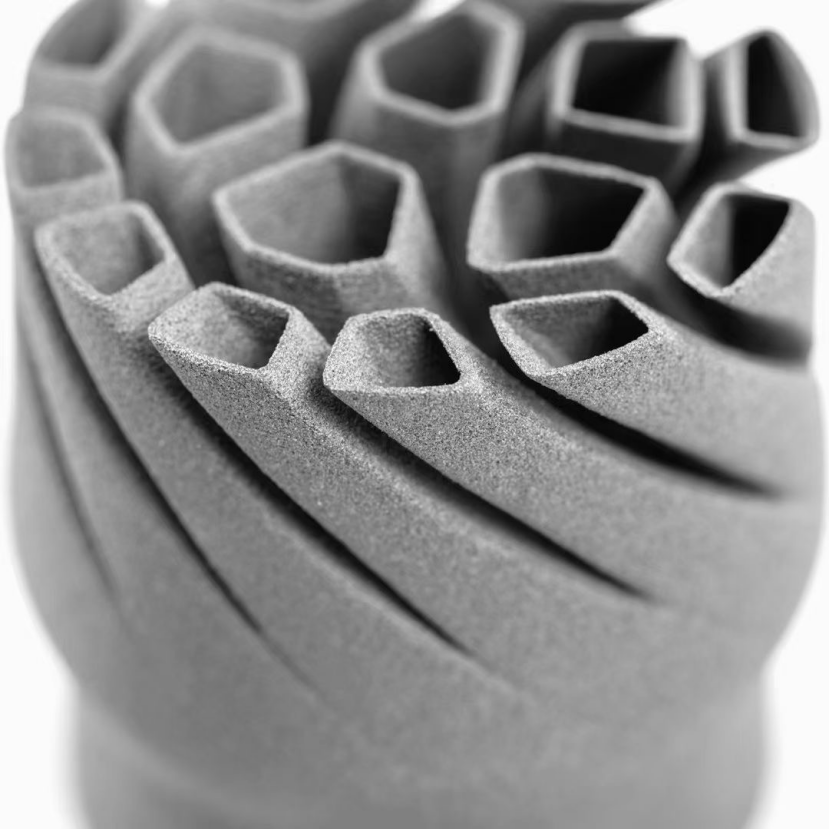
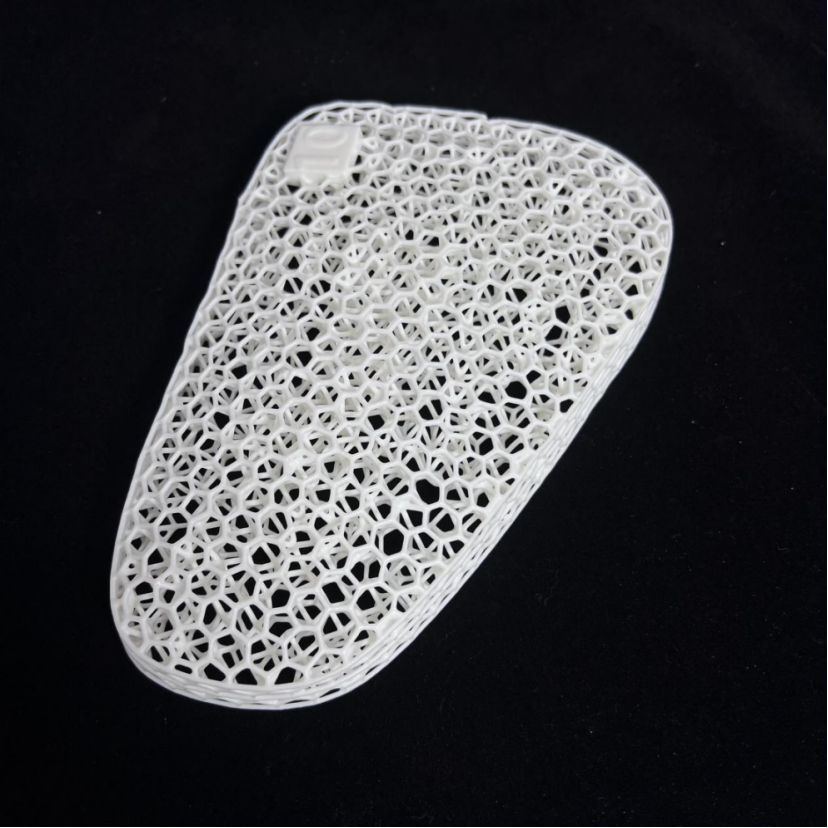
Medical device prototyping represents a critical phase in healthcare innovation, serving as a bridge between conceptual design and final product implementation. This sophisticated process involves creating functional models of medical devices to validate their design, functionality, and safety parameters before full-scale production. Modern medical device prototyping integrates advanced technologies including 3D printing, computer-aided design (CAD), and precision engineering to create accurate representations of the final product. These prototypes enable thorough testing of mechanical properties, ergonomic features, and user interaction aspects. The process encompasses multiple stages, from initial concept models to fully functional prototypes that undergo rigorous testing and validation. Medical device prototypes serve various applications, from surgical instruments and diagnostic equipment to implantable devices and monitoring systems. They play a crucial role in regulatory compliance, allowing manufacturers to demonstrate device safety and effectiveness to regulatory bodies. The prototyping process also facilitates early identification of design flaws, reducing development costs and accelerating time-to-market for innovative medical solutions.


Popular Products

Medical device prototyping offers numerous compelling advantages that significantly impact product development and market success. First, it substantially reduces development risks by allowing manufacturers to identify and address potential issues early in the design process, preventing costly modifications during later stages. The ability to create multiple iterations quickly enables rapid design optimization and validation, leading to more refined and effective final products. Prototyping also facilitates comprehensive user feedback collection, as healthcare professionals can interact with physical models and provide valuable insights for improvements. This user-centered approach results in more intuitive and practical medical devices. From a financial perspective, prototyping helps optimize manufacturing processes by identifying the most efficient production methods and materials before full-scale manufacturing begins. It enables accurate cost estimation and helps in securing investor funding by demonstrating proof of concept. Additionally, prototypes play a crucial role in regulatory compliance, providing tangible evidence for safety and effectiveness claims. They support the documentation required for regulatory submissions and help expedite the approval process. The ability to conduct thorough testing on prototypes ensures quality standards are met and reduces the likelihood of post-market issues. Furthermore, prototyping accelerates the innovation cycle by allowing parallel testing of multiple design variations, leading to faster market entry and competitive advantage.

Tips And Tricks

Unlocking the Potential of SLS 3D Printing: The Role of PA12 and PA12+GF30 in Advanced Manufacturing

19

Jun

Unlocking the Potential of SLS 3D Printing: The Role of PA12 and PA12+GF30 in Advanced Manufacturing

View More
3D Printing Empowers Embodied AI: Reshaping the Paradigm of Customized, Small-Batch Production for Humanoid Robots

19

Jun

3D Printing Empowers Embodied AI: Reshaping the Paradigm of Customized, Small-Batch Production for Humanoid Robots

View More
3D Printing & Rapid Prototyping: Transforming Small-Batch, Customized Production

19

Jun

3D Printing & Rapid Prototyping: Transforming Small-Batch, Customized Production

View More

Get a Free Quote

Our representative will contact you soon.
Email
Name
Company Name
Message
0/1000

medical device prototyping

Rapid Iteration and Design Optimization

Rapid Iteration and Design Optimization

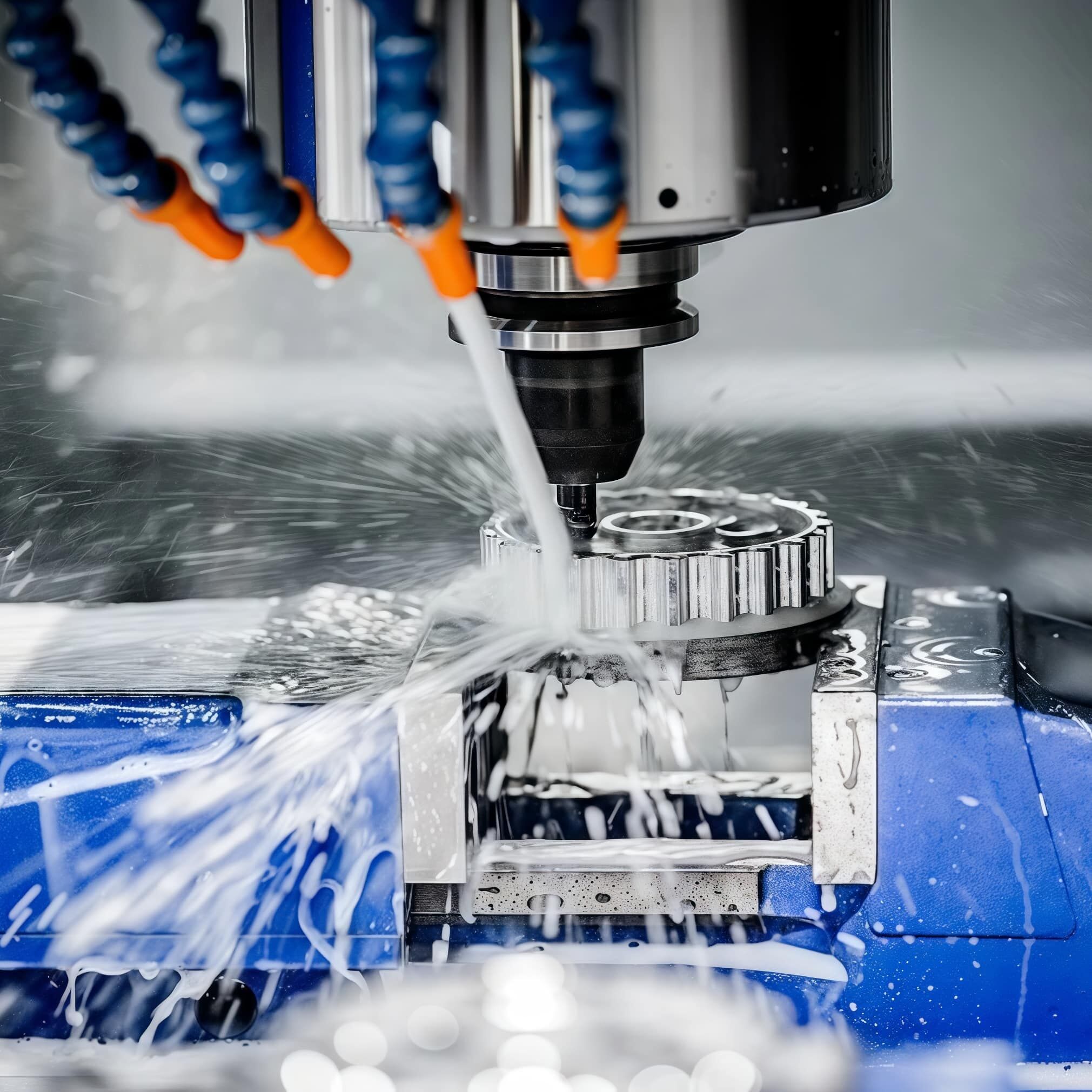
Medical device prototyping excels in enabling rapid iteration and design optimization, fundamentally transforming the product development lifecycle. This capability allows manufacturers to quickly produce multiple versions of a device, each incorporating improvements based on previous testing results. The process utilizes advanced manufacturing technologies that can generate new prototypes within days rather than weeks or months, significantly accelerating the development cycle. This rapid iteration capability enables immediate validation of design changes, ensuring that each modification enhances the device's functionality, safety, and user experience. The ability to quickly test and refine designs leads to more innovative solutions and helps identify optimal configurations before committing to final production. This approach also reduces the overall development costs by minimizing the risk of late-stage design changes.
Enhanced Regulatory Compliance and Safety Validation

Enhanced Regulatory Compliance and Safety Validation

The prototyping process plays a crucial role in achieving regulatory compliance and ensuring device safety. Through detailed prototyping, manufacturers can thoroughly evaluate their devices against regulatory requirements, conducting comprehensive safety testing and validation studies. This approach allows for the collection of essential data regarding material biocompatibility, mechanical strength, and operational safety. Prototypes provide tangible evidence for regulatory submissions, supporting claims about device performance and safety features. The ability to conduct extensive testing on prototypes helps identify potential risks and implement necessary safety measures before the device reaches the market. This proactive approach to compliance significantly reduces the likelihood of regulatory delays and ensures a smoother approval process.
User-Centered Design Validation

User-Centered Design Validation

Medical device prototyping enables thorough user-centered design validation, ensuring that the final product meets the actual needs of healthcare professionals and patients. Physical prototypes allow for hands-on testing in simulated clinical environments, providing valuable insights into the device's ergonomics, usability, and practical functionality. This direct user interaction helps identify potential usage issues that might not be apparent in digital models. Healthcare professionals can provide immediate feedback on the device's design, leading to improvements in user interface, handling characteristics, and overall effectiveness. This collaborative approach to design validation ensures that the final product is not only technically sound but also practical and user-friendly in real-world clinical settings.

Get a Free Quote

Our representative will contact you soon.
Email
Name
Company Name
Message
0/1000