medical devices rapid prototyping
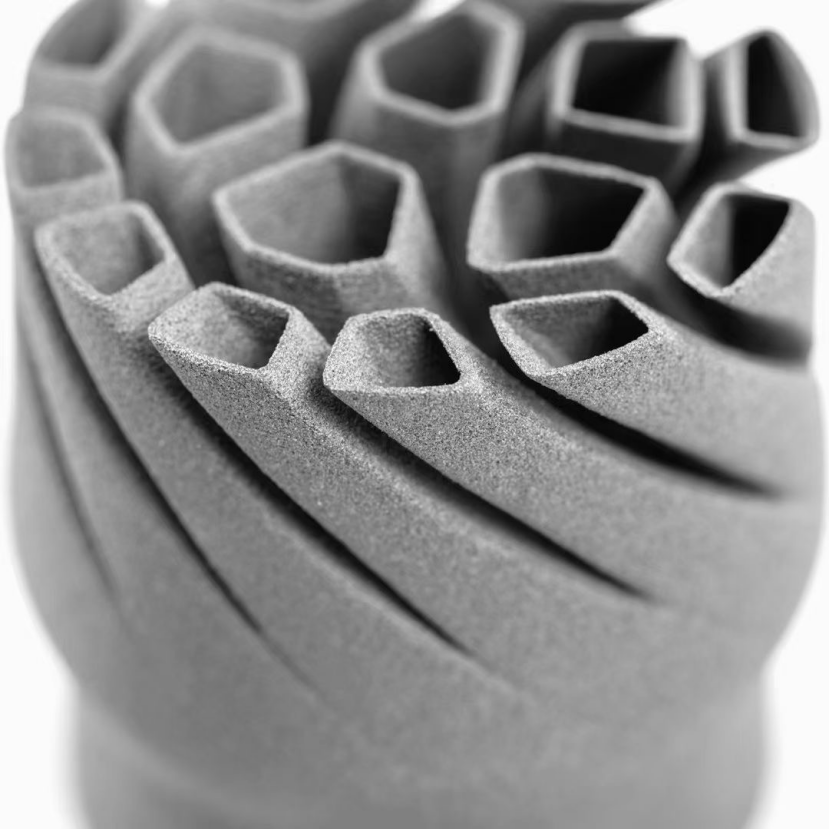
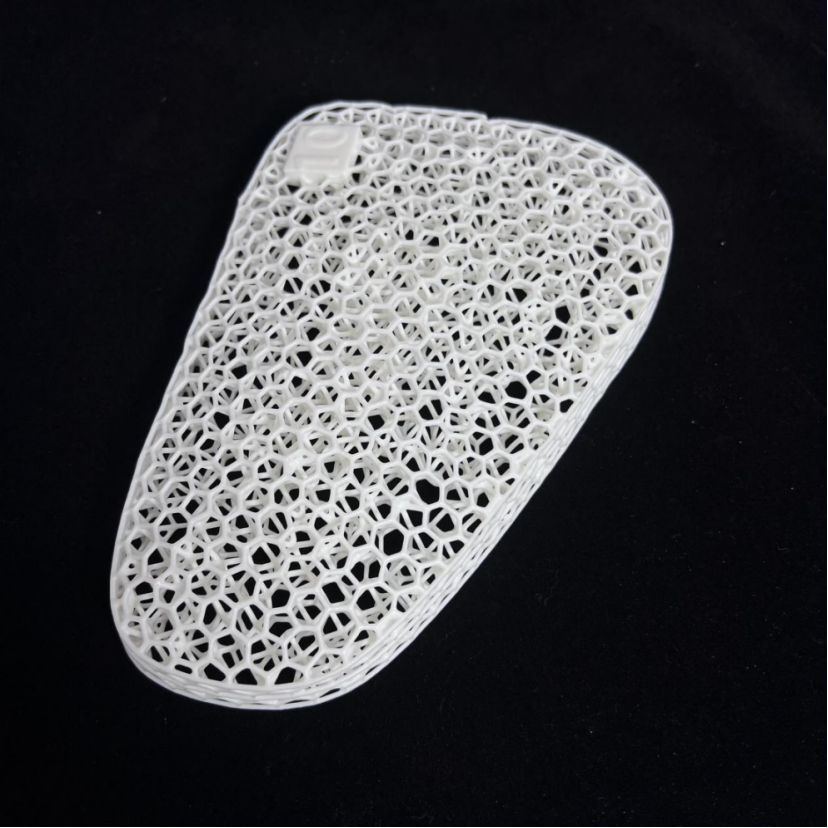
Medical devices rapid prototyping represents a groundbreaking advancement in healthcare technology development, enabling the swift creation of functional prototypes for medical equipment and devices. This innovative process combines advanced 3D printing technologies, computer-aided design (CAD), and specialized materials to produce precise medical device prototypes in a fraction of the traditional development time. The technology facilitates the creation of anatomically accurate models, surgical instruments, prosthetics, and customized medical tools with exceptional precision and detail. Using various materials including biocompatible plastics, metals, and composites, rapid prototyping allows manufacturers to iterate designs quickly, validate concepts, and optimize functionality before moving to full-scale production. The process encompasses multiple technologies such as stereolithography (SLA), selective laser sintering (SLS), and fused deposition modeling (FDM), each offering unique advantages for specific medical applications. This versatility enables the production of everything from simple surgical guides to complex medical devices with intricate internal structures. The technology also supports the development of patient-specific solutions, allowing healthcare providers to create customized medical devices tailored to individual patient needs, ultimately improving treatment outcomes and patient care quality.

 EN
EN