Advanced Sheet Metal Prototyping: Precision Manufacturing Solutions for Rapid Product Development

All Categories

Get a Free Quote

Our representative will contact you soon.
Email
Name
Company Name
Message
0/1000

sheet metal prototyping

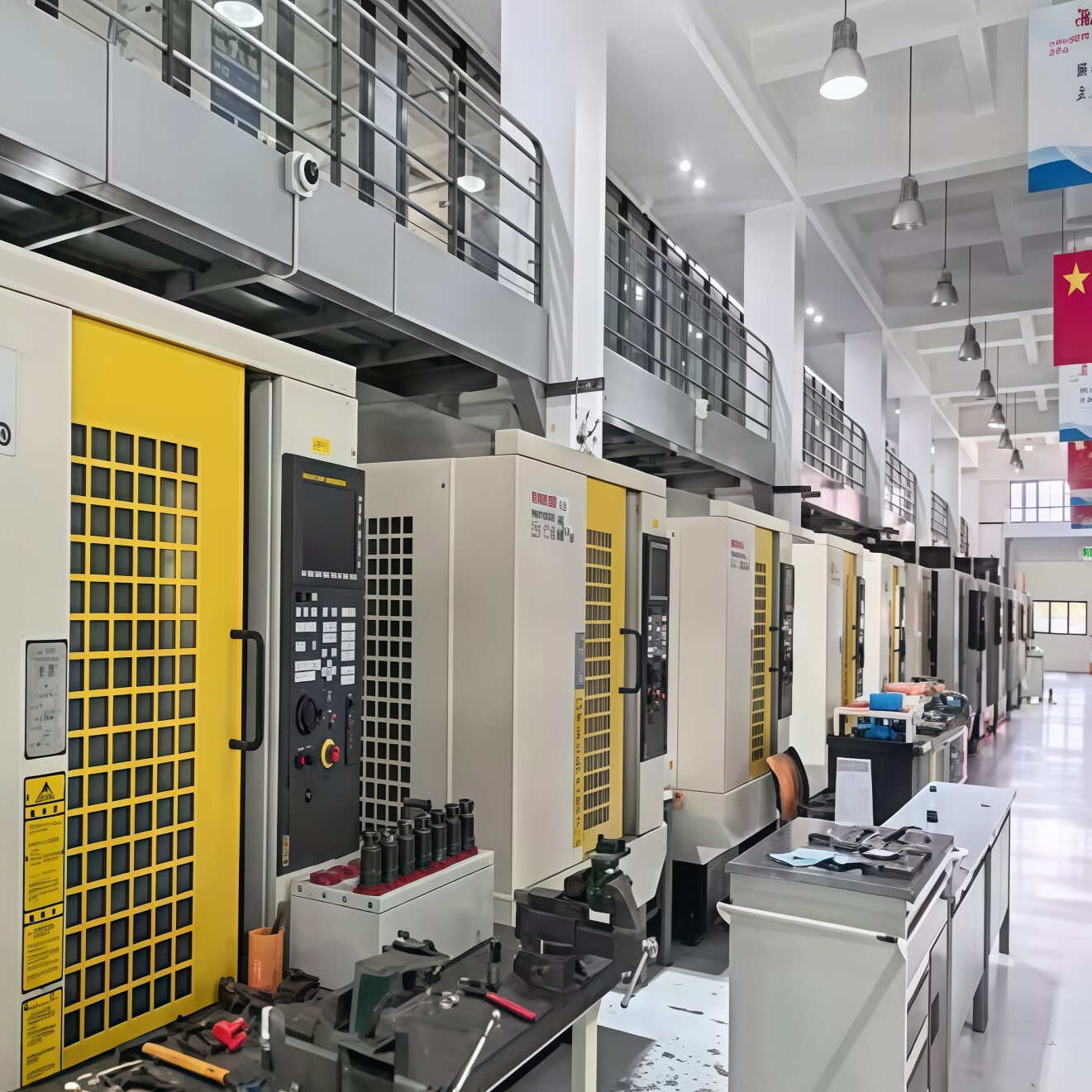
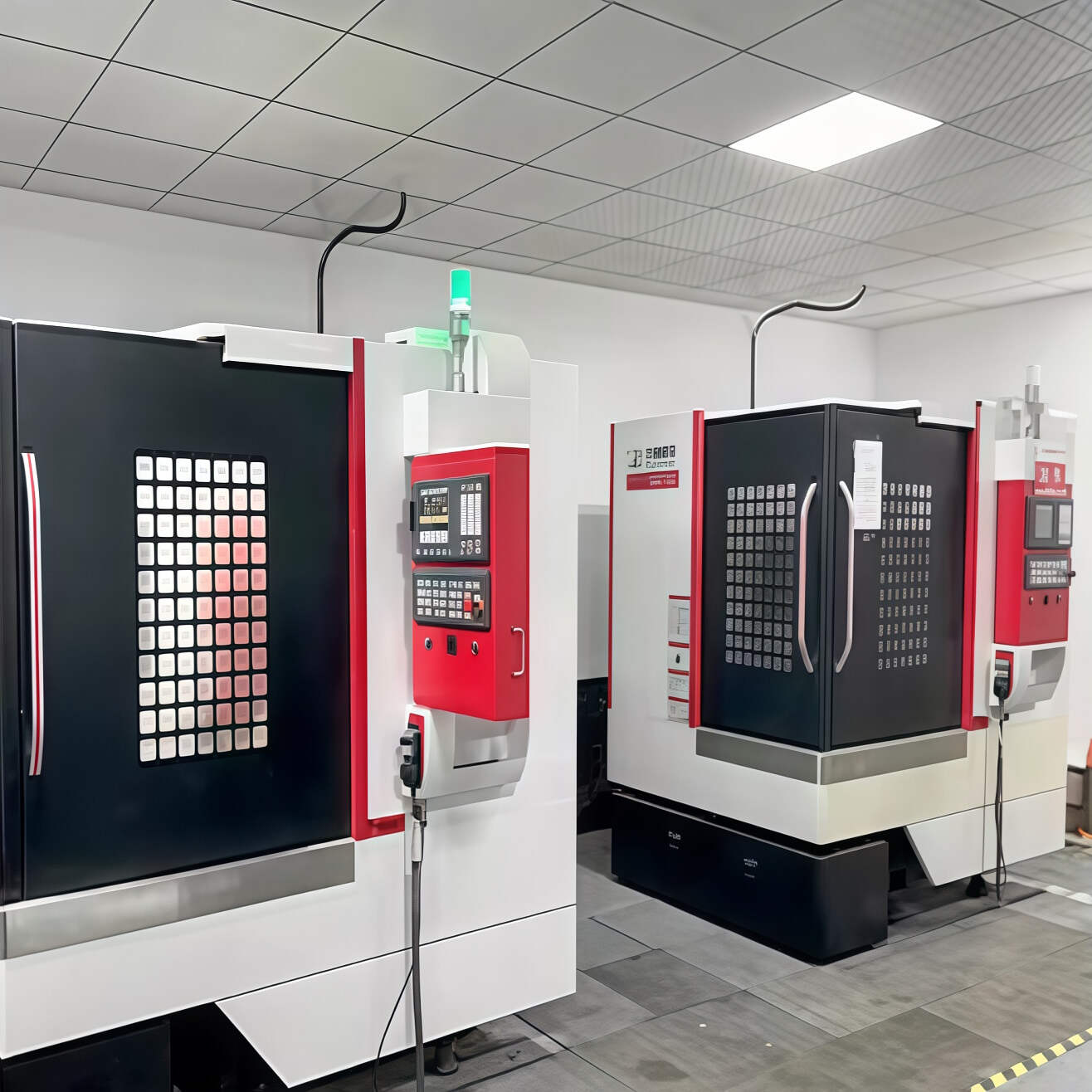
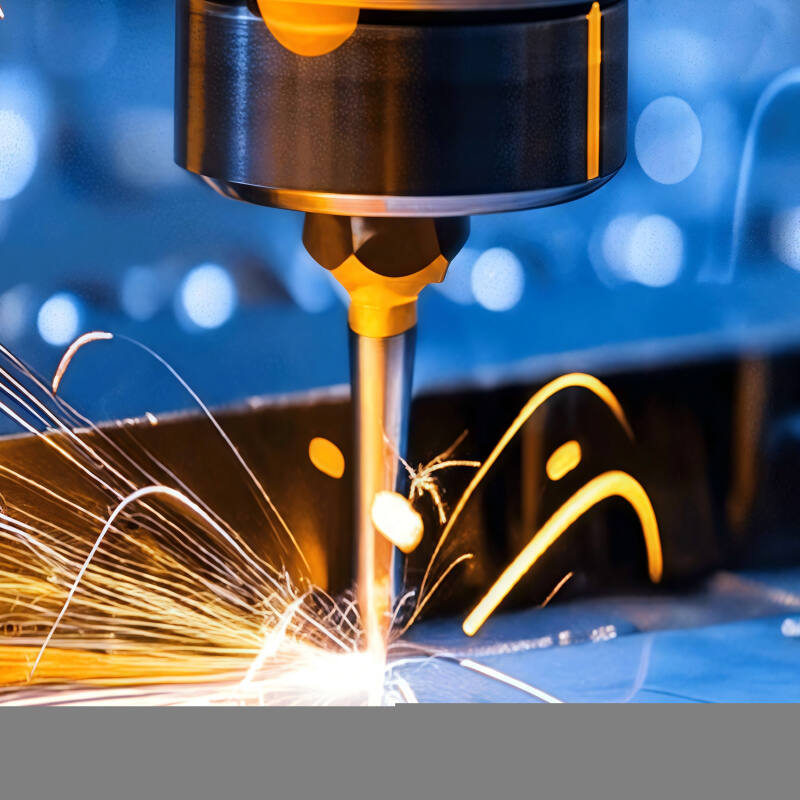
Sheet metal prototyping represents a crucial manufacturing process that enables the rapid creation of metal components through precise forming and cutting techniques. This sophisticated process involves transforming flat metal sheets into three-dimensional parts using various methods including bending, punching, and cutting. The technology employs advanced CNC machinery and CAD/CAM systems to ensure exceptional accuracy and repeatability in production. Sheet metal prototyping serves multiple industries, from automotive and aerospace to consumer electronics and medical devices. The process accommodates various materials including aluminum, steel, copper, and brass, with thickness ranges typically from 0.5mm to 6mm. Modern sheet metal prototyping facilities utilize laser cutting, precision folding, and automated welding systems to create complex geometries while maintaining tight tolerances. This manufacturing method proves particularly valuable in the product development cycle, allowing engineers and designers to validate designs, test functionality, and make necessary modifications before full-scale production. The versatility of sheet metal prototyping enables the creation of both simple brackets and complex enclosures, making it an indispensable tool in modern manufacturing.


Popular Products

Sheet metal prototyping offers numerous compelling advantages that make it a preferred choice for manufacturers and product developers. First, it provides exceptional speed-to-market capabilities, allowing companies to move from design to functional prototype in days rather than weeks. The process offers remarkable cost-effectiveness, particularly for low-volume production runs and prototype development, eliminating the need for expensive tooling and molds. The precision of modern sheet metal prototyping ensures consistently high quality, with parts maintaining dimensional accuracy across multiple iterations. The process demonstrates outstanding flexibility in design modifications, enabling quick adjustments without significant cost implications. Material versatility represents another key advantage, as the technology accommodates various metals and thicknesses to meet diverse project requirements. Sheet metal prototyping also excels in producing structurally robust components with excellent strength-to-weight ratios. The process supports design validation through functional prototypes that accurately represent final production parts. Environmental benefits include minimal material waste through optimized nesting and material utilization. The technology enables the creation of complex geometries while maintaining tight tolerances, ensuring parts fit and function as intended. Additionally, sheet metal prototyping facilitates seamless scaling from prototype to production, maintaining consistent quality and specifications throughout the manufacturing process.

Practical Tips

Unlocking the Potential of SLS 3D Printing: The Role of PA12 and PA12+GF30 in Advanced Manufacturing

19

Jun

Unlocking the Potential of SLS 3D Printing: The Role of PA12 and PA12+GF30 in Advanced Manufacturing

View More
3D Printing Empowers Embodied AI: Reshaping the Paradigm of Customized, Small-Batch Production for Humanoid Robots

19

Jun

3D Printing Empowers Embodied AI: Reshaping the Paradigm of Customized, Small-Batch Production for Humanoid Robots

View More
3D Printing & Rapid Prototyping: Transforming Small-Batch, Customized Production

19

Jun

3D Printing & Rapid Prototyping: Transforming Small-Batch, Customized Production

View More

Get a Free Quote

Our representative will contact you soon.
Email
Name
Company Name
Message
0/1000

sheet metal prototyping

Advanced Manufacturing Precision

Advanced Manufacturing Precision

Sheet metal prototyping achieves unprecedented levels of manufacturing precision through the integration of cutting-edge CNC technology and sophisticated CAD/CAM systems. This advanced precision enables the creation of complex components with tolerances as tight as +/- 0.1mm, ensuring exceptional fit and functionality in final assemblies. The precision extends to various operations including cutting, bending, and forming, maintaining consistency across multiple iterations of prototypes. Modern laser cutting systems employed in sheet metal prototyping can achieve clean, precise cuts with minimal heat affected zones, preserving material properties and ensuring optimal component performance. This level of precision proves particularly valuable in industries requiring exact specifications, such as aerospace and medical device manufacturing.
Rapid Design Iteration Capability

Rapid Design Iteration Capability

The rapid design iteration capability of sheet metal prototyping represents a game-changing advantage in product development. This feature enables designers and engineers to quickly validate and refine designs through multiple iterations, significantly reducing development time and costs. The process allows for swift implementation of design changes, with new prototypes typically produced within days of modification requests. This quick turnaround facilitates aggressive development schedules and enables companies to respond rapidly to market demands or customer feedback. The ability to quickly iterate designs also helps identify and resolve potential manufacturing issues early in the development process, preventing costly modifications during full-scale production.
Cost-Efficient Production Flexibility

Cost-Efficient Production Flexibility

Sheet metal prototyping offers remarkable cost-efficient production flexibility, adapting seamlessly to varying production volumes and design requirements. This flexibility enables manufacturers to produce anywhere from single prototypes to small production runs without significant tooling investments or setup costs. The process accommodates rapid scaling of production volumes, allowing companies to adjust manufacturing output based on market demand or project requirements. The cost efficiency extends to material utilization, with advanced nesting software maximizing material usage and minimizing waste. This flexibility also supports just-in-time manufacturing strategies, reducing inventory costs and improving cash flow management.

Get a Free Quote

Our representative will contact you soon.
Email
Name
Company Name
Message
0/1000