Advanced Stainless Steel 3D Printing: Revolutionary Metal Manufacturing Technology

All Categories

Get a Free Quote

Our representative will contact you soon.
Email
Name
Company Name
Message
0/1000

stainless steel printing

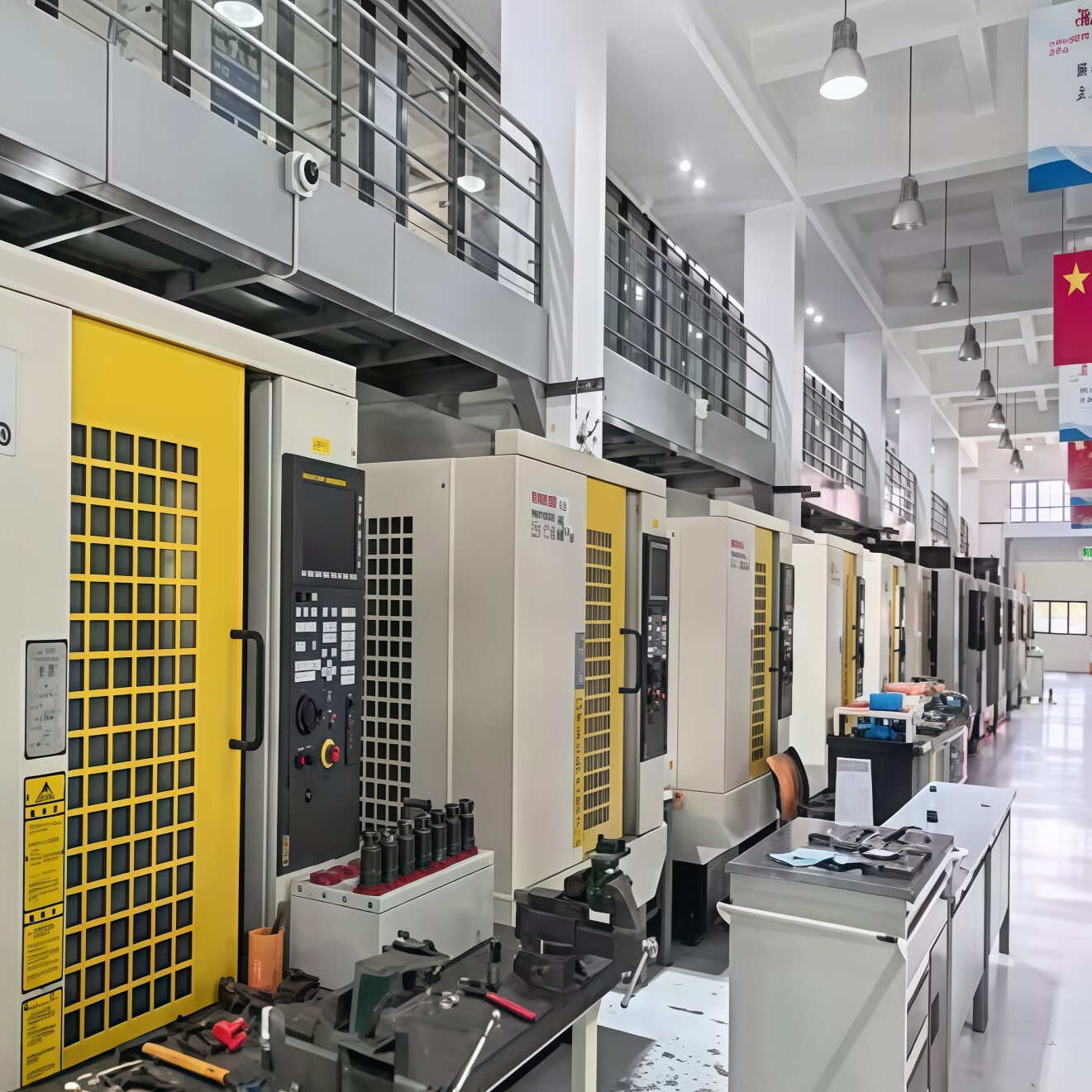
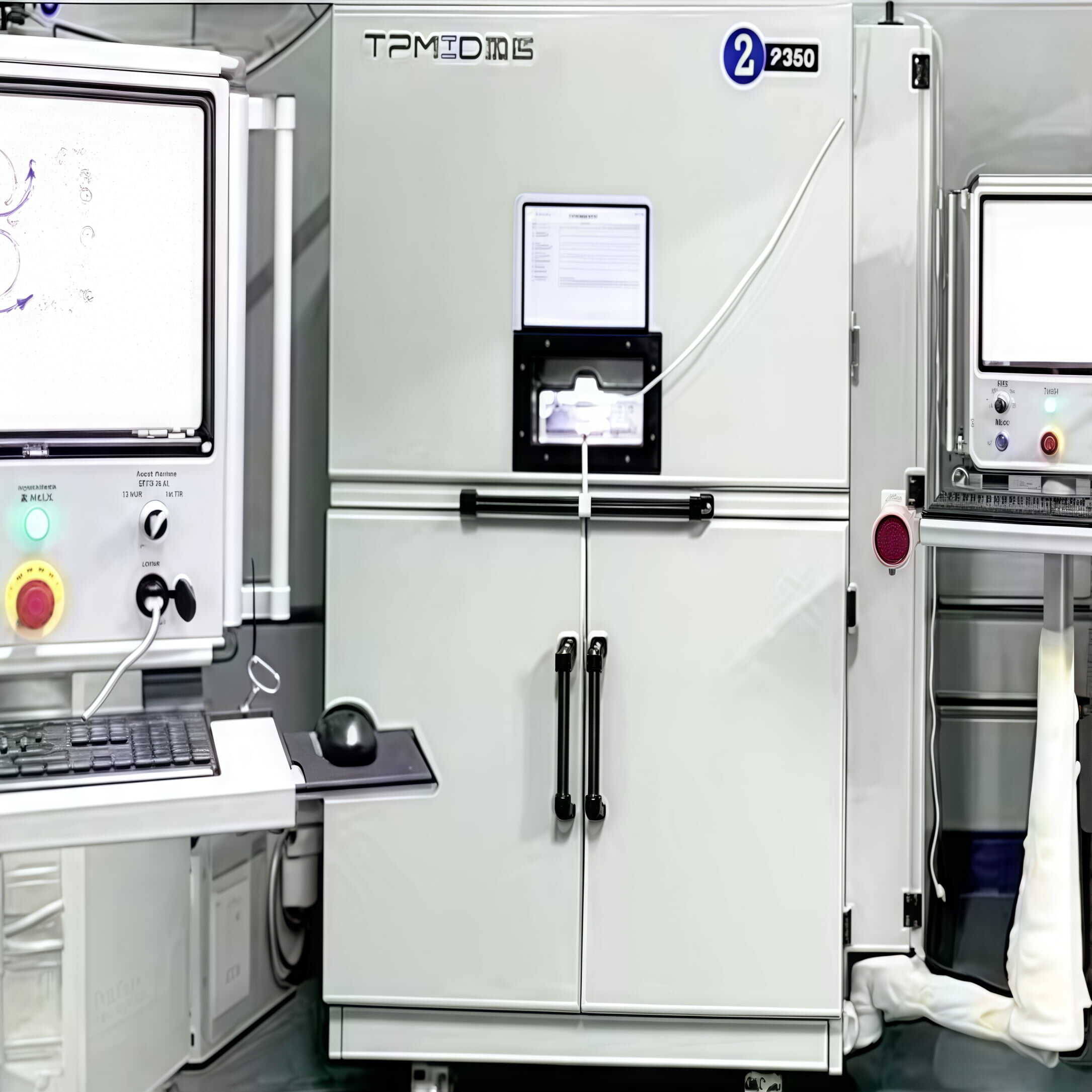
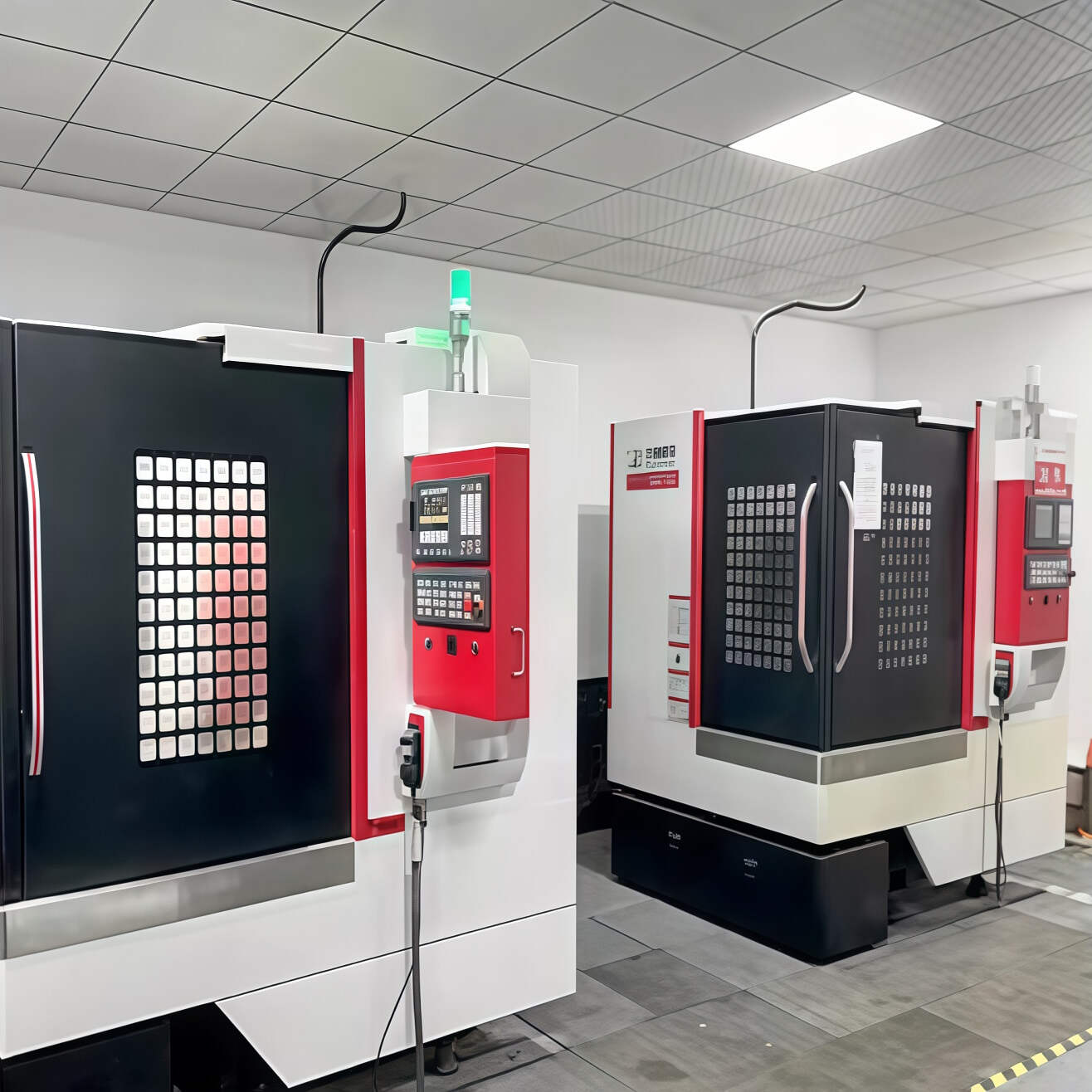
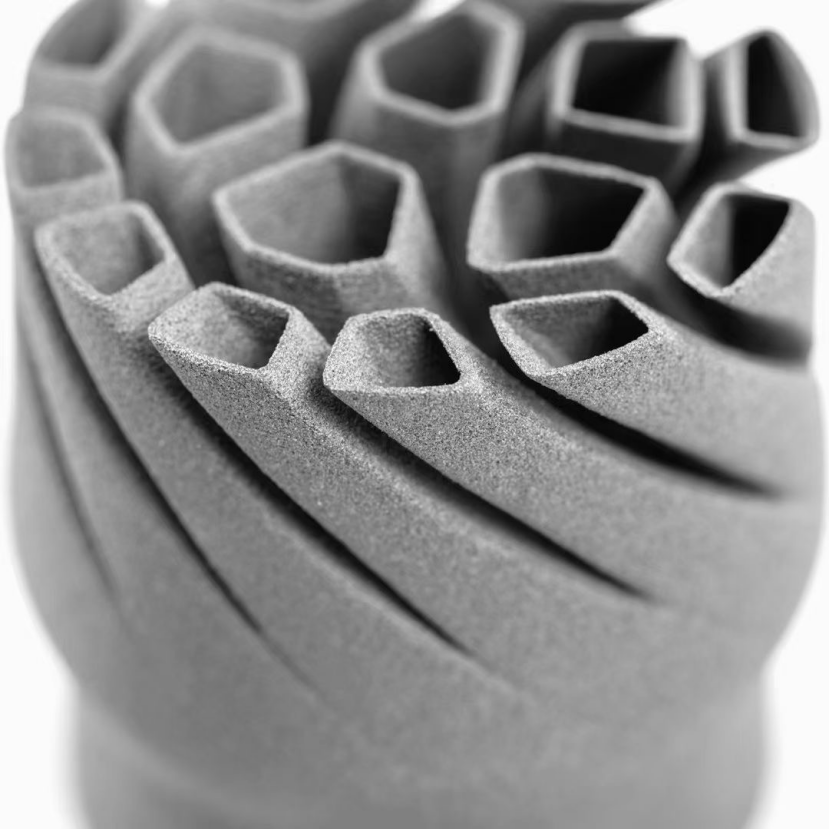
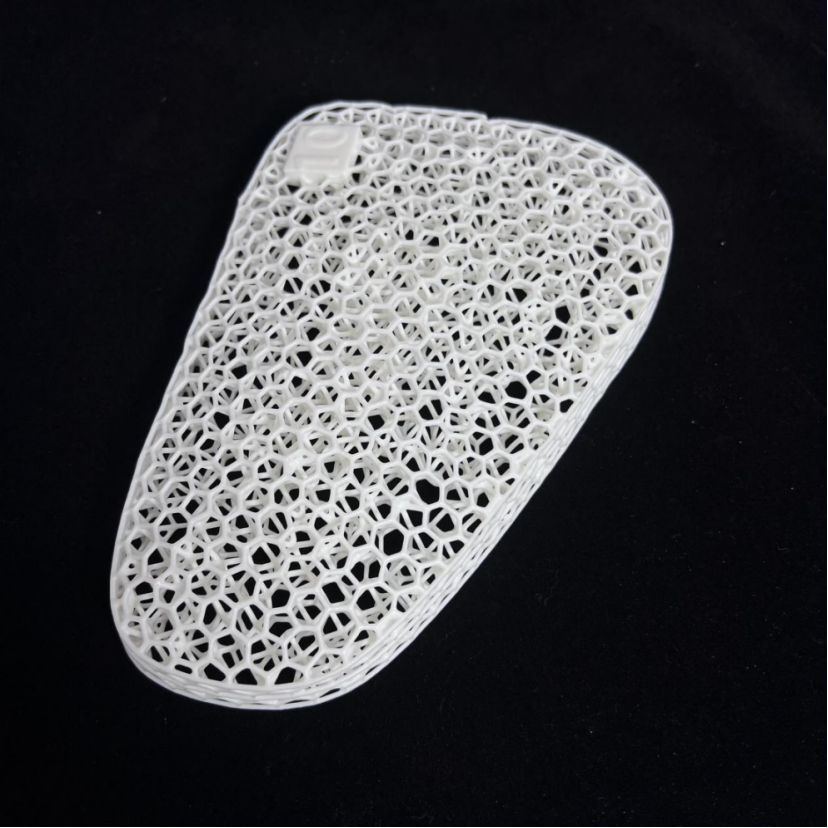
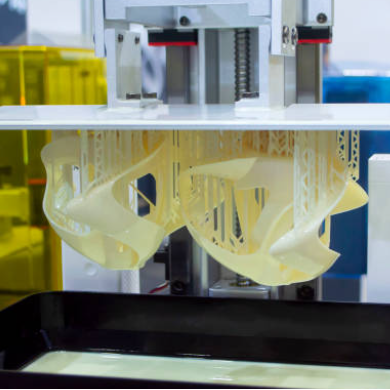
Stainless steel printing represents a groundbreaking advancement in metal fabrication technology, combining precision engineering with innovative additive manufacturing techniques. This process enables the creation of complex stainless steel components through layer-by-layer deposition, utilizing specialized metal powders and high-powered lasers or electron beams. The technology excels in producing intricate geometries and internal structures that would be impossible or cost-prohibitive using traditional manufacturing methods. The process begins with a detailed 3D model, which is then sliced into thousands of horizontal layers. Each layer is selectively melted and fused using advanced thermal processes, resulting in fully dense metal parts with exceptional mechanical properties. This technology serves various industries, including aerospace, medical device manufacturing, automotive, and industrial applications. The ability to create customized, complex parts without tooling or molds makes it particularly valuable for prototyping and small-batch production. The precision of stainless steel printing allows for the creation of components with internal channels, lattice structures, and other complex features that optimize weight, strength, and functionality.


New Products

Stainless steel printing offers numerous compelling advantages that revolutionize traditional manufacturing approaches. First, it enables unprecedented design freedom, allowing engineers to create complex geometries and internal structures that were previously impossible to manufacture. This design flexibility leads to optimized components with improved performance characteristics and reduced weight. The technology eliminates the need for expensive tooling and molds, making it cost-effective for small production runs and prototypes. Additionally, the process significantly reduces material waste compared to subtractive manufacturing methods, as it only uses the material needed for the final part. The quick turnaround time from design to production accelerates product development cycles and reduces time-to-market. The technology supports part consolidation, where multiple components can be combined into a single printed piece, reducing assembly requirements and potential failure points. The printed parts exhibit excellent mechanical properties, including high strength, corrosion resistance, and durability. The process allows for rapid design iterations and customization without additional tooling costs, making it ideal for specialized applications. Furthermore, the digital nature of the process ensures consistent quality and repeatability, while enabling distributed manufacturing and digital inventory management.

Latest News

Unlocking the Potential of SLS 3D Printing: The Role of PA12 and PA12+GF30 in Advanced Manufacturing

19

Jun

Unlocking the Potential of SLS 3D Printing: The Role of PA12 and PA12+GF30 in Advanced Manufacturing

View More
3D Printing Empowers Embodied AI: Reshaping the Paradigm of Customized, Small-Batch Production for Humanoid Robots

19

Jun

3D Printing Empowers Embodied AI: Reshaping the Paradigm of Customized, Small-Batch Production for Humanoid Robots

View More
3D Printing & Rapid Prototyping: Transforming Small-Batch, Customized Production

19

Jun

3D Printing & Rapid Prototyping: Transforming Small-Batch, Customized Production

View More

Get a Free Quote

Our representative will contact you soon.
Email
Name
Company Name
Message
0/1000

stainless steel printing

Superior Design Flexibility and Complexity

Superior Design Flexibility and Complexity

Stainless steel printing revolutionizes manufacturing by enabling unprecedented design freedom and complexity. This technology allows engineers to create intricate internal channels, complex lattice structures, and organic shapes that would be impossible to achieve through traditional manufacturing methods. The ability to produce such complex geometries without additional cost penalties opens new possibilities for component optimization and functional integration. Engineers can design parts that are lighter yet stronger, incorporating features like conformal cooling channels or internal support structures. This design freedom enables the creation of topology-optimized components that maximize performance while minimizing material usage. The technology supports the production of parts with variable wall thicknesses, undercuts, and hollow sections, all within a single piece. This capability is particularly valuable in industries requiring high-performance components with specific weight-to-strength ratios.
Cost-Effective Production and Rapid Prototyping

Cost-Effective Production and Rapid Prototyping

The economic advantages of stainless steel printing are particularly evident in small to medium production runs and prototyping applications. By eliminating the need for expensive tooling and molds, this technology significantly reduces initial setup costs and lead times. The digital nature of the process allows for rapid design iterations without additional tooling expenses, enabling faster product development cycles. Companies can test multiple design variations quickly and cost-effectively, reducing the risk and expense associated with traditional product development. The technology also minimizes material waste, as it only uses the exact amount of material needed for the final part. This efficiency, combined with the ability to produce complex parts in a single piece, reduces overall production costs and simplifies supply chain management.
Enhanced Material Properties and Quality Control

Enhanced Material Properties and Quality Control

Stainless steel printing produces components with exceptional material properties and consistent quality. The layer-by-layer building process, combined with precise thermal control, results in fully dense parts with excellent mechanical characteristics. The technology enables fine control over the microstructure of the material, leading to superior strength, durability, and corrosion resistance. Advanced process monitoring and quality control systems ensure consistency and reliability in every print. The ability to adjust process parameters allows for optimization of material properties for specific applications. Parts produced through this method often exhibit better performance characteristics than their traditionally manufactured counterparts, particularly in applications requiring complex geometries or specialized material properties.

Get a Free Quote

Our representative will contact you soon.
Email
Name
Company Name
Message
0/1000