
 EN
EN
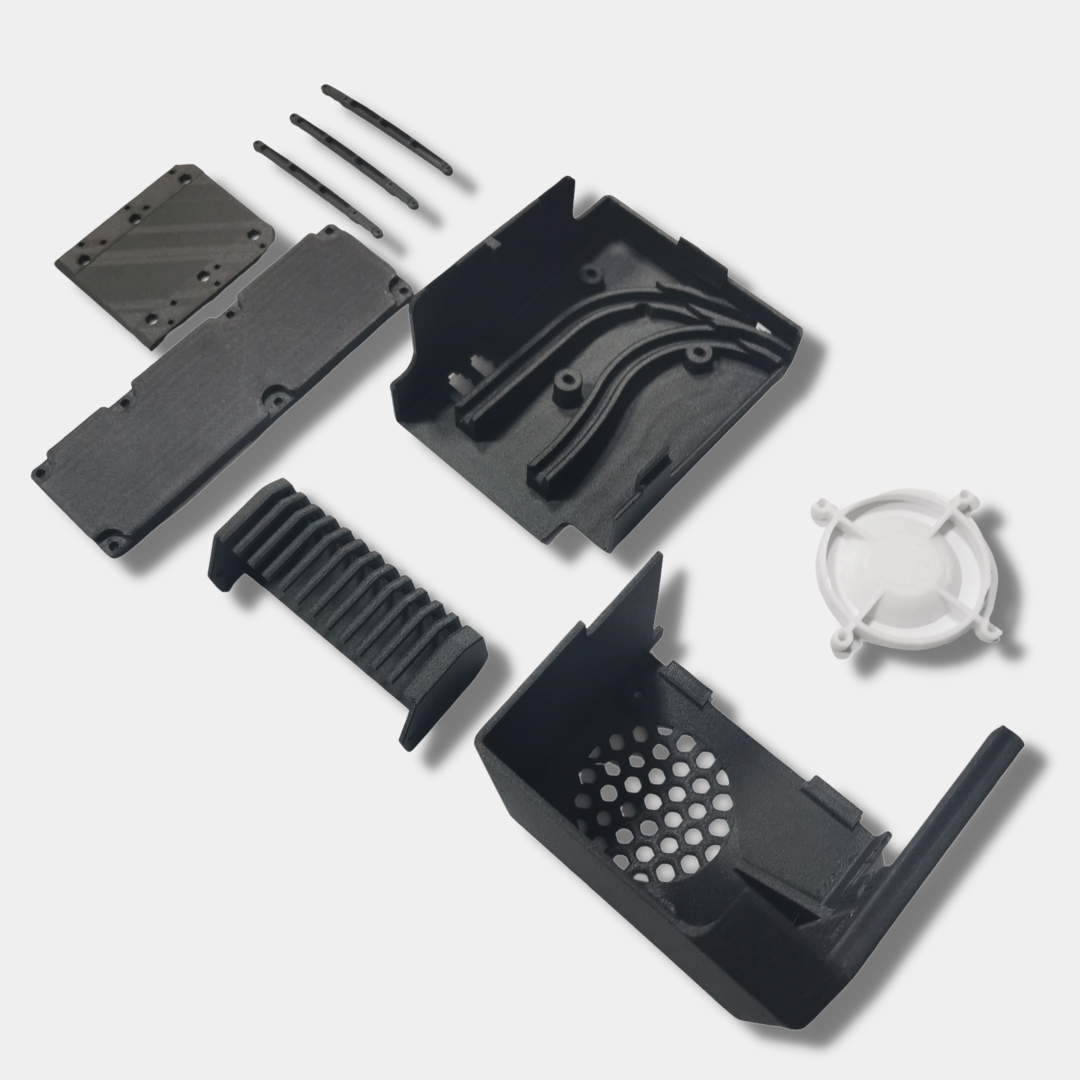
The healthcare industry stands at the forefront of technological innovation, where precision and efficiency in development cycles can mean the difference between life-saving breakthroughs and missed opportunities. Modern medical device prototyping has evolved dramatically with the integration of advanced 3D printing technologies, transforming how engineers and designers approach product development. This revolutionary approach enables rapid iteration, cost-effective testing, and accelerated time-to-market for critical medical devices that improve patient outcomes worldwide.
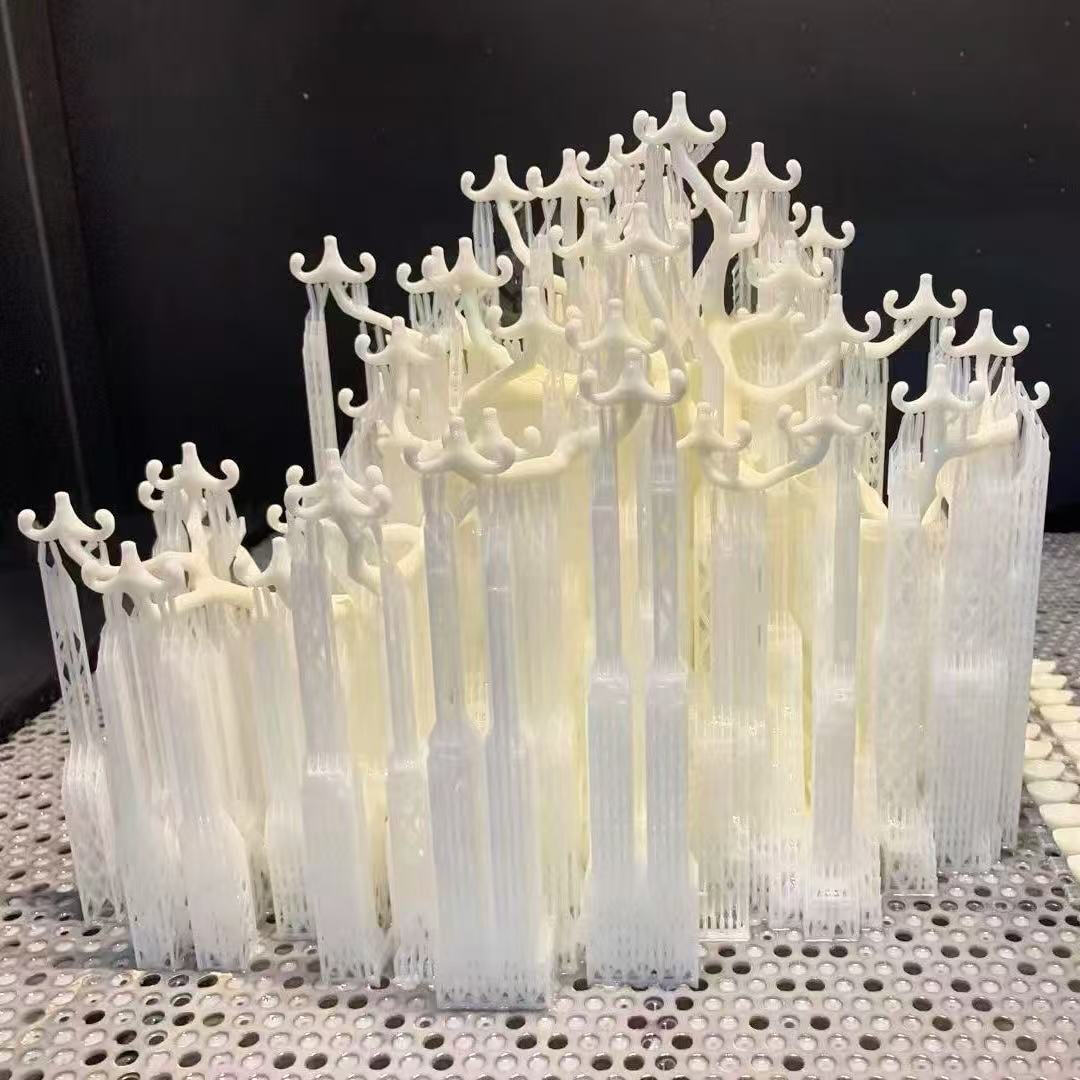
Revolutionary Impact of 3D Printing in Healthcare Development
Transforming Traditional Manufacturing Paradigms
Traditional medical device manufacturing relied heavily on expensive tooling, lengthy lead times, and complex supply chains that often delayed critical innovations. The emergence of additive manufacturing has fundamentally disrupted these conventional approaches, offering unprecedented flexibility in design iterations. Engineers can now produce functional prototypes within hours rather than weeks, enabling rapid validation of concepts and immediate feedback incorporation. This paradigm shift has democratized innovation, allowing smaller medical technology companies to compete effectively with established industry giants.
The precision achievable through modern 3D printing technologies matches or exceeds traditional manufacturing methods for many applications. Layer-by-layer construction enables the creation of complex internal geometries impossible to achieve through conventional machining or molding techniques. Medical devices requiring intricate internal channels, lattice structures, or patient-specific customizations can now be produced with remarkable accuracy and repeatability. This capability has opened new possibilities for innovative device designs that were previously considered impractical or impossible to manufacture.
Cost-Effectiveness and Resource Optimization
The economic advantages of implementing 3D printing in medical device prototyping extend far beyond initial material costs. Development teams can eliminate expensive tooling requirements, reduce inventory overhead, and minimize waste generation throughout the prototyping phase. Multiple design iterations can be tested simultaneously, accelerating the optimization process while maintaining strict budget controls. This economic efficiency allows companies to allocate more resources toward research and development rather than manufacturing overhead.
Furthermore, the ability to produce small batches or single units economically has transformed how medical device companies approach market testing and regulatory approval processes. Clinical trials can begin sooner with prototype devices that closely represent final production units, reducing overall development timelines and associated costs. The elimination of minimum order quantities enables more targeted testing strategies and reduces financial risk during the validation phase.
Advanced Material Sciences in Medical Applications
Biocompatible Materials and Safety Standards
The selection of appropriate materials represents a critical aspect of successful medical device prototyping, particularly when considering biocompatibility requirements and regulatory compliance. Modern 3D printing technologies support an expanding range of FDA-approved and ISO-certified materials specifically designed for medical applications. These advanced materials exhibit properties ranging from flexible elastomers mimicking human tissue to rigid ceramics suitable for structural implants. The continuous development of new biocompatible formulations ensures that prototyping capabilities keep pace with evolving medical device requirements.
Sterilization compatibility has become a fundamental consideration in material selection, as prototypes often require validation under actual clinical conditions. Advanced photopolymers and thermoplastics now offer excellent sterilization resistance while maintaining dimensional stability and mechanical properties. This capability enables comprehensive testing protocols that closely simulate real-world operating conditions, providing valuable data for regulatory submissions and clinical evaluations.
Mechanical Properties and Performance Validation
The mechanical characteristics of 3D printed medical device prototypes must closely match those of final production units to ensure meaningful testing results. Modern printing materials exhibit impressive strength-to-weight ratios, fatigue resistance, and durability under cyclic loading conditions. These properties enable comprehensive mechanical testing that accurately predicts long-term performance and reliability. Engineers can validate design assumptions early in the development process, identifying potential failure modes before committing to expensive production tooling.
Surface finish quality has improved dramatically with advances in printing resolution and post-processing techniques. Medical devices often require smooth surfaces to minimize particle generation, reduce bacterial adhesion, or enhance patient comfort. Contemporary 3D printing processes can achieve surface finishes comparable to traditional machining operations, eliminating the need for extensive post-processing in many applications. This capability enables realistic evaluation of device performance characteristics during prototype testing phases.
Regulatory Compliance and Quality Assurance
FDA Guidelines and Documentation Requirements
Navigating regulatory pathways for medical device approval requires comprehensive documentation of design, manufacturing, and testing processes. The FDA has established clear guidelines for incorporating 3D printing technologies into medical device development workflows, emphasizing the importance of validated processes and consistent quality controls. Medical device prototyping using additive manufacturing must adhere to these guidelines from the earliest development stages to ensure smooth regulatory approval processes. Proper documentation of printing parameters, material certifications, and quality control measures becomes essential for successful submissions.
Risk management protocols must account for the unique characteristics of additively manufactured prototypes, including potential variations in mechanical properties and surface finish quality. ISO 14971 requirements apply equally to prototype devices used in clinical settings, necessitating comprehensive risk assessments and mitigation strategies. The ability to rapidly produce multiple design iterations through 3D printing actually enhances risk management capabilities by enabling thorough testing of alternative approaches and failure mode analysis.
Quality Control and Process Validation
Establishing robust quality control procedures for 3D printed medical device prototypes requires careful attention to process parameters, material handling, and post-processing operations. Statistical process control methods must be adapted to account for the layer-by-layer manufacturing approach inherent in additive technologies. Temperature profiles, cure rates, and environmental conditions all influence final part quality and must be carefully monitored and documented. This level of process control ensures consistent prototype quality and provides confidence in test results.
Dimensional accuracy verification becomes particularly important when prototypes must interface with existing medical systems or patient anatomy. Advanced metrology techniques, including coordinate measuring machines and optical scanning systems, enable comprehensive dimensional validation of complex geometries. These quality assurance measures ensure that prototype testing results accurately reflect the performance characteristics of final production devices.
Clinical Testing and Validation Protocols
Prototype Performance in Clinical Environments
The transition from laboratory testing to clinical evaluation represents a critical milestone in medical device development, where prototype performance under real-world conditions validates design assumptions and identifies areas for improvement. Clinical testing protocols must be carefully designed to maximize the information gathered while ensuring patient safety and regulatory compliance. The rapid iteration capabilities enabled by 3D printing allow for quick modifications based on clinical feedback, accelerating the optimization process significantly compared to traditional development approaches.
Healthcare professionals participating in clinical evaluations provide invaluable insights into device usability, ergonomics, and functional performance that cannot be fully assessed through laboratory testing alone. Their feedback often reveals unexpected use cases, environmental challenges, or integration issues that influence final design decisions. The ability to rapidly produce modified prototypes enables responsive design improvements that address clinical concerns while maintaining development momentum.
Data Collection and Analysis Strategies
Comprehensive data collection during prototype testing phases provides the foundation for evidence-based design decisions and regulatory submissions. Modern medical device prototyping incorporates sophisticated sensing technologies and data logging capabilities that enable continuous monitoring of device performance parameters. This real-time data collection provides insights into usage patterns, stress distributions, and failure modes that inform both immediate design improvements and long-term reliability predictions.
Statistical analysis of prototype testing data must account for the inherent variability in additive manufacturing processes while identifying meaningful performance trends. Advanced analytics techniques, including machine learning algorithms and predictive modeling, help extract actionable insights from complex datasets. These analytical approaches enable more accurate predictions of final product performance and help optimize design parameters for maximum effectiveness and reliability.
Future Trends and Technological Advancements
Emerging Technologies and Integration Opportunities
The convergence of 3D printing with other advanced technologies continues to expand possibilities for medical device prototyping applications. Integration with artificial intelligence and machine learning algorithms enables automated design optimization based on performance requirements and manufacturing constraints. Smart materials with programmable properties offer new possibilities for adaptive medical devices that respond to changing physiological conditions. These technological synergies promise to further accelerate development timelines while improving device performance and patient outcomes.
Hybrid manufacturing approaches that combine additive and subtractive technologies enable the production of prototypes with properties and features impossible to achieve through either method alone. Multi-material printing capabilities allow for the integration of electronic components, sensors, and mechanical elements within single prototyping operations. These advanced capabilities reduce assembly requirements and enable more compact, integrated device designs that improve functionality while reducing manufacturing complexity.
Industry Standardization and Best Practices
The medical device industry continues to develop standardized approaches for incorporating 3D printing technologies into established development and manufacturing workflows. Industry organizations, regulatory bodies, and standards committees collaborate to establish best practices that ensure consistent quality and safety across different applications and manufacturers. These standardization efforts provide clarity for device developers while maintaining the flexibility needed for innovative applications and emerging technologies.
Professional training and certification programs for medical device prototyping professionals help ensure that technical teams possess the specialized knowledge required for successful implementation of additive manufacturing technologies. These educational initiatives cover material science, process optimization, quality control, and regulatory compliance topics specific to medical device applications. The availability of qualified personnel supports industry growth and helps maintain high standards for prototype development and testing.
FAQ
What are the primary advantages of using 3D printing for medical device prototyping compared to traditional methods?
3D printing offers significant advantages including rapid iteration capabilities, cost-effective small-batch production, complex geometry manufacturing, and elimination of expensive tooling requirements. Development teams can produce functional prototypes within hours, test multiple design variations simultaneously, and incorporate feedback quickly. The technology enables the creation of internal structures and patient-specific customizations impossible with conventional manufacturing methods, while reducing overall development costs and timeframes.
How does regulatory compliance work for 3D printed medical device prototypes?
Regulatory compliance for 3D printed prototypes follows established FDA guidelines and ISO standards, requiring comprehensive documentation of processes, materials, and quality controls. Manufacturers must validate printing processes, use certified biocompatible materials, and maintain detailed records of all parameters affecting part quality. Risk management protocols must address additive manufacturing-specific considerations, and prototype testing must demonstrate equivalence to final production devices for meaningful regulatory submissions.
What materials are available for medical device prototyping applications?
A wide range of FDA-approved and ISO-certified materials are available for medical device prototyping, including biocompatible photopolymers, thermoplastics, and specialized composites. These materials offer properties ranging from flexible elastomers mimicking human tissue to rigid ceramics suitable for structural applications. All materials must meet biocompatibility requirements, sterilization compatibility, and mechanical property specifications appropriate for their intended use in medical devices.
How do quality control requirements differ for 3D printed prototypes versus traditionally manufactured parts?
Quality control for 3D printed prototypes requires additional attention to layer adhesion, dimensional accuracy across complex geometries, and material property consistency throughout the build volume. Process parameters including temperature profiles, cure rates, and environmental conditions must be carefully monitored and documented. Statistical process control methods must be adapted for additive manufacturing characteristics, and comprehensive dimensional verification using advanced metrology techniques ensures prototype accuracy and reliability.
Table of Contents
- Revolutionary Impact of 3D Printing in Healthcare Development
- Advanced Material Sciences in Medical Applications
- Regulatory Compliance and Quality Assurance
- Clinical Testing and Validation Protocols
- Future Trends and Technological Advancements
-
FAQ
- What are the primary advantages of using 3D printing for medical device prototyping compared to traditional methods?
- How does regulatory compliance work for 3D printed medical device prototypes?
- What materials are available for medical device prototyping applications?
- How do quality control requirements differ for 3D printed prototypes versus traditionally manufactured parts?