
 EN
EN
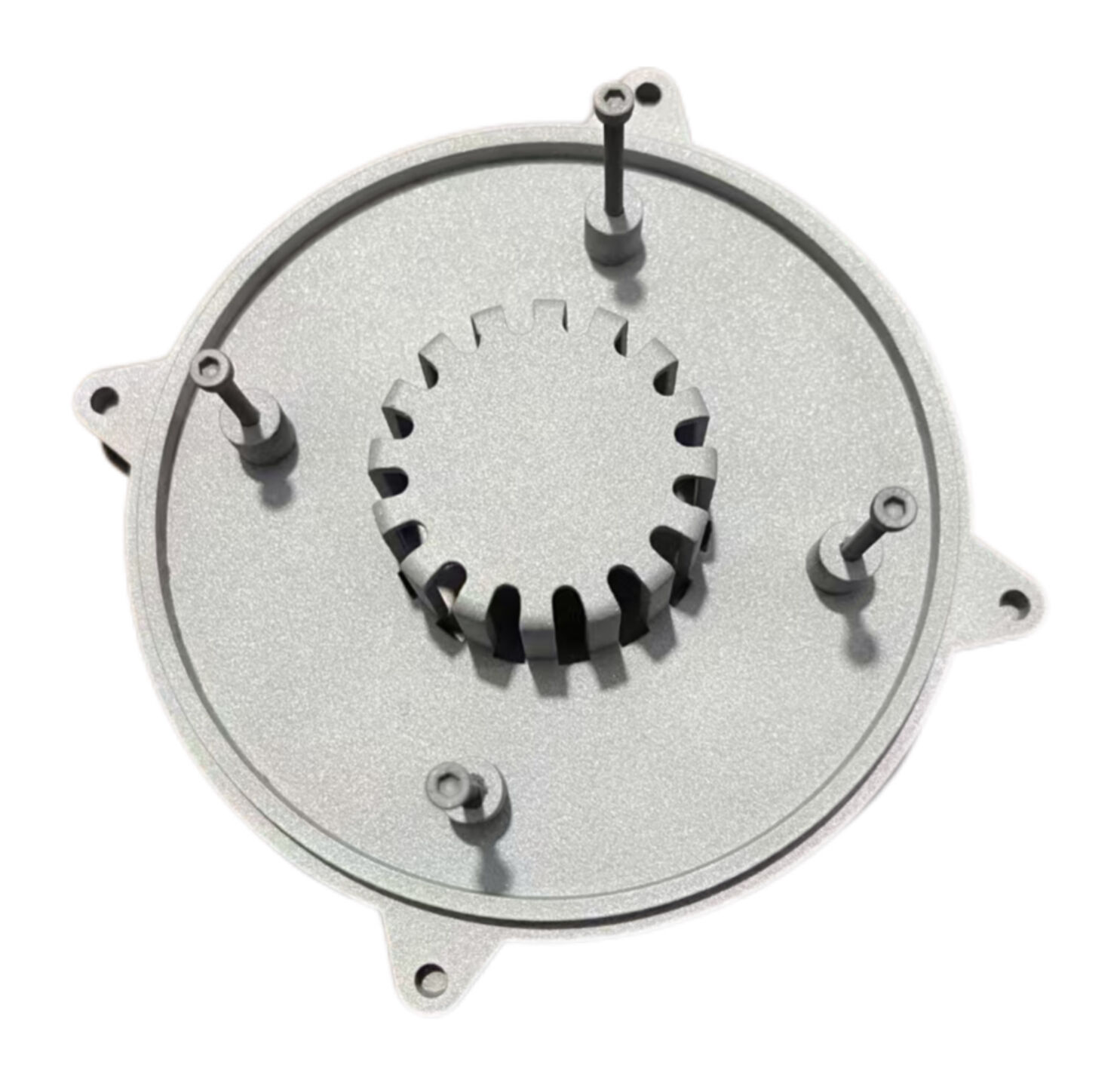
Manufacturing industries today demand unprecedented precision and detail in their prototyping and production processes. When conventional manufacturing methods fall short of delivering intricate geometries and smooth surface finishes, advanced additive manufacturing technologies step in to bridge the gap. Among these cutting-edge solutions, one technology stands out for its ability to create highly detailed parts with exceptional accuracy and superior surface quality that meets the most demanding industrial specifications.
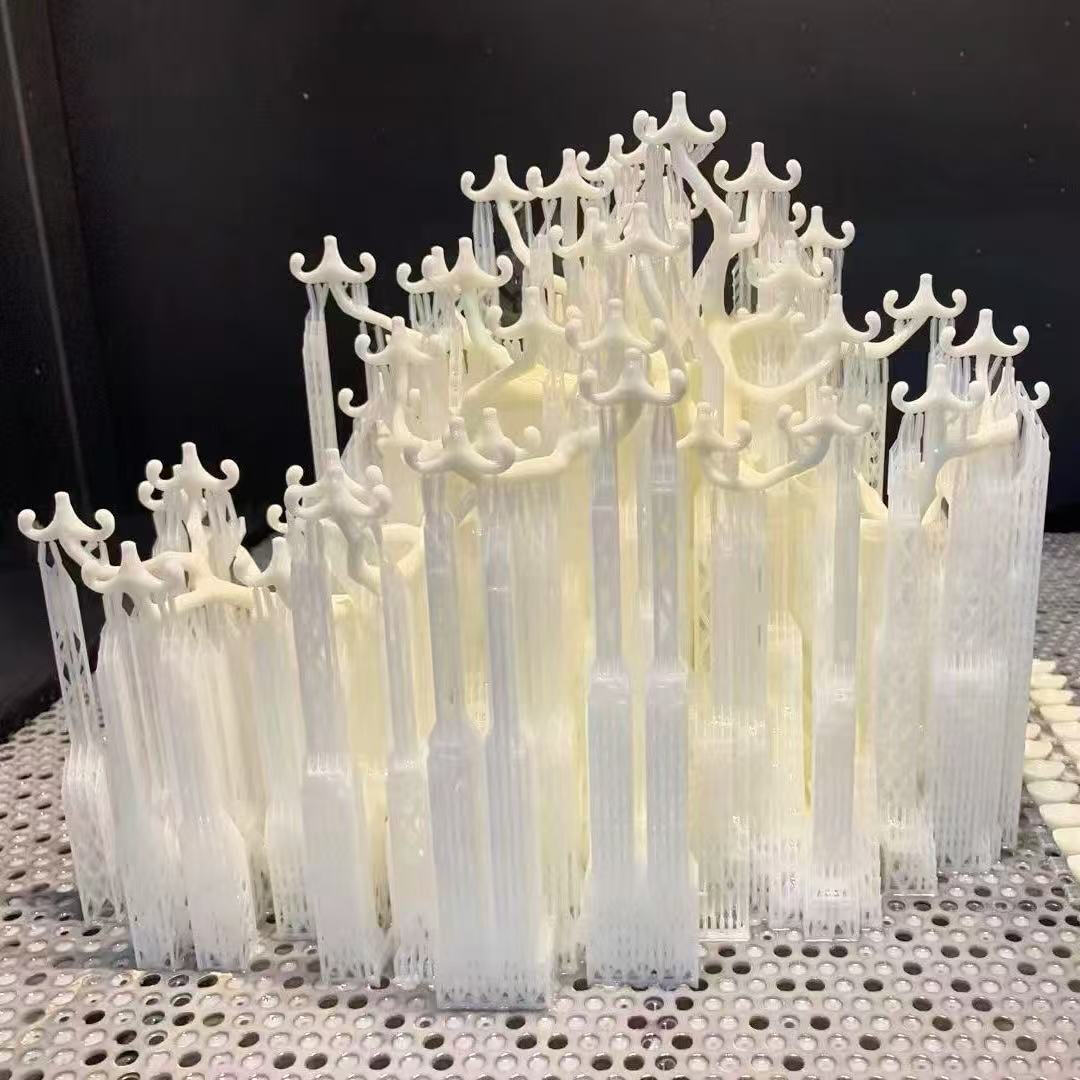
The evolution of three-dimensional printing has revolutionized how industries approach complex part fabrication, enabling manufacturers to produce components that were previously impossible or cost-prohibitive using traditional methods. This technological advancement has opened new possibilities for industries ranging from aerospace and automotive to medical devices and consumer electronics, where precision and detail are non-negotiable requirements.
Understanding Advanced Resin-Based Manufacturing Technology
Photopolymer Processing Fundamentals
At its core, this advanced manufacturing process utilizes liquid photopolymer resins that undergo rapid curing when exposed to specific wavelengths of ultraviolet light. The precision of this light-based curing process enables the creation of parts with layer heights as thin as 0.025 millimeters, resulting in surface finishes that often require minimal post-processing. This level of detail makes it ideal for applications requiring smooth surfaces, fine features, and complex internal geometries.
The build platform moves incrementally downward into a vat of liquid resin, where each layer is selectively cured using a laser or digital light projector. This bottom-up approach ensures consistent layer adhesion and maintains dimensional accuracy throughout the entire build process. The controlled environment and precise light exposure patterns contribute to the technology's reputation for producing parts with exceptional detail reproduction and surface quality.
Material Properties and Applications
Modern photopolymer resins offer a wide range of mechanical properties, from flexible elastomers to rigid, high-temperature materials. These specialized formulations can mimic the properties of traditional thermoplastics, ceramics, and even metals in certain applications. The availability of biocompatible, transparent, and castable resins expands the technology's applicability across diverse industrial sectors.
Temperature resistance, chemical compatibility, and mechanical strength characteristics vary significantly among different resin formulations. Engineers can select materials based on specific application requirements, whether they need parts for functional prototyping, end-use production, or specialized testing environments. This material versatility, combined with the technology's precision capabilities, makes it an invaluable tool for modern manufacturing operations.
Precision Capabilities and Technical Specifications
Dimensional Accuracy and Resolution
The stereolithography SLA process achieves dimensional tolerances typically ranging from ±0.1% to ±0.3%, depending on part geometry and size. This level of accuracy surpasses many traditional manufacturing methods and enables the production of functional parts that require tight tolerances for proper assembly and operation. The technology's ability to maintain these tolerances across complex geometries sets it apart from other additive manufacturing processes.
Layer resolution capabilities allow for the creation of features as small as 0.1 millimeters, with some advanced systems achieving even finer detail. This precision enables manufacturers to produce intricate textures, fine threads, and delicate mechanical features that would be challenging or impossible to achieve through conventional machining or molding processes. The consistent layer bonding ensures structural integrity throughout the entire part.
Surface Quality and Finish Characteristics
Parts produced using this technology exhibit surface roughness values typically between Ra 0.05 to Ra 0.15 micrometers when properly processed. This smooth surface finish often eliminates the need for extensive post-processing operations, reducing overall production time and costs. The quality of the surface finish directly correlates with the intended application, whether for visual prototypes, functional testing, or end-use parts.
The layer-by-layer construction process, when optimized correctly, minimizes visible layer lines and step artifacts common in other additive manufacturing technologies. This characteristic makes the technology particularly suitable for applications where aesthetic appearance is crucial, such as consumer product prototypes, architectural models, and medical devices that require smooth surfaces for patient comfort and hygiene.
Industrial Applications and Use Cases
Aerospace and Defense Manufacturing
The aerospace industry leverages this precision manufacturing technology for creating complex ducting systems, lightweight structural components, and intricate assemblies that would be prohibitively expensive to produce using traditional methods. The ability to create internal cooling channels, honeycomb structures, and organic geometries optimized through topology analysis provides significant weight savings and performance improvements in critical applications.
Quality requirements in aerospace applications demand exceptional precision and repeatability, characteristics that this technology delivers consistently. From turbine blade prototypes to satellite components, manufacturers can produce parts that meet strict dimensional tolerances while maintaining the complex geometries necessary for optimal performance. The technology also enables rapid iteration during the design phase, accelerating product development cycles.
Medical Device and Healthcare Applications
Healthcare applications benefit tremendously from the precision and biocompatibility options available with advanced photopolymer systems. Surgical guides, dental aligners, prosthetics, and anatomical models require the exceptional detail and smooth surfaces that this technology provides. The ability to create patient-specific devices based on medical imaging data revolutionizes personalized healthcare delivery.
Biocompatible resin formulations enable the production of temporary implants, surgical instruments, and diagnostic tools that meet stringent medical device regulations. The precision manufacturing capabilities ensure proper fit and function for critical medical applications where patient safety depends on exact dimensional specifications and surface quality requirements.
Process Optimization and Quality Control
Build Preparation and Support Strategies
Successful implementation requires careful attention to build orientation, support structure design, and layer exposure parameters. Optimal part orientation minimizes support material usage while maximizing surface quality on critical features. Strategic placement of support structures ensures adequate drainage of uncured resin while maintaining part stability throughout the build process.
Advanced software algorithms analyze part geometry to determine optimal printing parameters, including layer thickness, exposure times, and support placement. These automated optimization tools reduce setup time while improving overall part quality and success rates. Proper parameter selection directly impacts dimensional accuracy, surface finish, and mechanical properties of the finished parts.
Post-Processing and Finishing Techniques
Post-processing workflows typically include washing in appropriate solvents, UV curing for complete polymerization, and support removal using specialized tools. Each step requires careful control to maintain dimensional accuracy and surface quality. Automated washing and curing systems ensure consistent processing conditions and reduce handling time for production environments.
Secondary finishing operations such as sanding, polishing, or coating may be employed depending on application requirements. The inherently smooth surface finish often minimizes the extent of post-processing needed, reducing overall production costs and lead times. Quality control procedures at each stage ensure that finished parts meet specified dimensional and aesthetic requirements.
Economic Advantages and Production Efficiency
Cost-Effectiveness for Complex Geometries
Traditional manufacturing methods often struggle with complex internal geometries, undercuts, and intricate details that significantly increase tooling costs and production complexity. This additive approach treats geometric complexity as a design opportunity rather than a manufacturing constraint, enabling cost-effective production of parts that would be expensive or impossible to create using conventional methods.
The elimination of tooling requirements for prototype and low-volume production runs provides substantial cost savings, particularly during product development phases. Companies can iterate designs rapidly without the financial burden of creating new molds or fixtures for each design modification. This flexibility accelerates time-to-market for new products while reducing overall development costs.
Scalability and Production Planning
Modern systems offer excellent scalability options, from desktop units for small-scale prototyping to large industrial platforms capable of producing multiple parts simultaneously. Build volume optimization techniques allow manufacturers to maximize throughput while maintaining consistent quality across all parts in a build. Strategic nesting and orientation planning can significantly increase production efficiency.
Production planning benefits from the technology's predictable build times and consistent quality output. Unlike traditional manufacturing processes that may require extensive setup and changeover times, this approach enables seamless transitions between different part designs and materials. This flexibility supports lean manufacturing principles and just-in-time production strategies.
Future Developments and Technology Trends
Advanced Material Innovations
Research and development in photopolymer chemistry continues to expand the range of available materials with enhanced properties. New formulations target specific application requirements such as higher temperature resistance, improved chemical compatibility, and enhanced mechanical strength. These material advances open new application possibilities in industries previously limited by material constraints.
Composite material systems incorporating ceramic particles, carbon fibers, and metal powders are extending the technology's capabilities into new performance categories. These advanced materials maintain the precision and surface quality advantages while offering properties approaching those of traditionally manufactured parts. The development of recyclable and sustainable resin options addresses environmental concerns while maintaining performance standards.
Process Integration and Automation
Integration with automated material handling systems, robotic post-processing, and quality inspection equipment creates comprehensive manufacturing cells capable of lights-out operation. These automated workflows reduce labor requirements while improving consistency and throughput. Real-time monitoring systems provide process feedback and enable predictive maintenance scheduling.
Artificial intelligence and machine learning algorithms optimize printing parameters based on part geometry and material properties, continuously improving quality and efficiency. These smart systems learn from production data to predict optimal settings for new parts and identify potential issues before they impact quality. Such advances position the technology as a cornerstone of Industry 4.0 manufacturing strategies.
FAQ
What level of detail can be achieved with high-precision resin-based printing
High-precision resin-based printing can achieve features as small as 0.1 millimeters with layer heights down to 0.025 millimeters. Surface roughness typically ranges from Ra 0.05 to Ra 0.15 micrometers, providing smooth finishes that often require minimal post-processing. Dimensional tolerances of ±0.1% to ±0.3% are achievable depending on part geometry and size.
How does material selection impact part performance and applications
Material selection significantly influences mechanical properties, temperature resistance, and chemical compatibility of finished parts. Standard resins offer good general-purpose properties, while specialized formulations provide enhanced characteristics such as flexibility, transparency, biocompatibility, or high-temperature resistance. Selecting appropriate materials ensures parts meet specific application requirements and performance standards.
What are the primary advantages over traditional manufacturing methods
Key advantages include the ability to produce complex geometries without tooling, rapid prototyping capabilities, excellent surface finish quality, and cost-effectiveness for low to medium volume production. The technology eliminates many design constraints associated with traditional manufacturing, enabling optimization for functionality rather than manufacturing limitations. Setup times are minimal compared to conventional machining or molding processes.
How should parts be oriented and supported for optimal results
Optimal part orientation minimizes support material requirements while maximizing surface quality on critical features. Critical surfaces should face away from the build platform when possible, and overhangs greater than 45 degrees typically require support structures. Strategic support placement ensures adequate resin drainage while maintaining part stability throughout the printing process. Automated software tools assist in determining optimal orientation and support strategies.