
 EN
EN
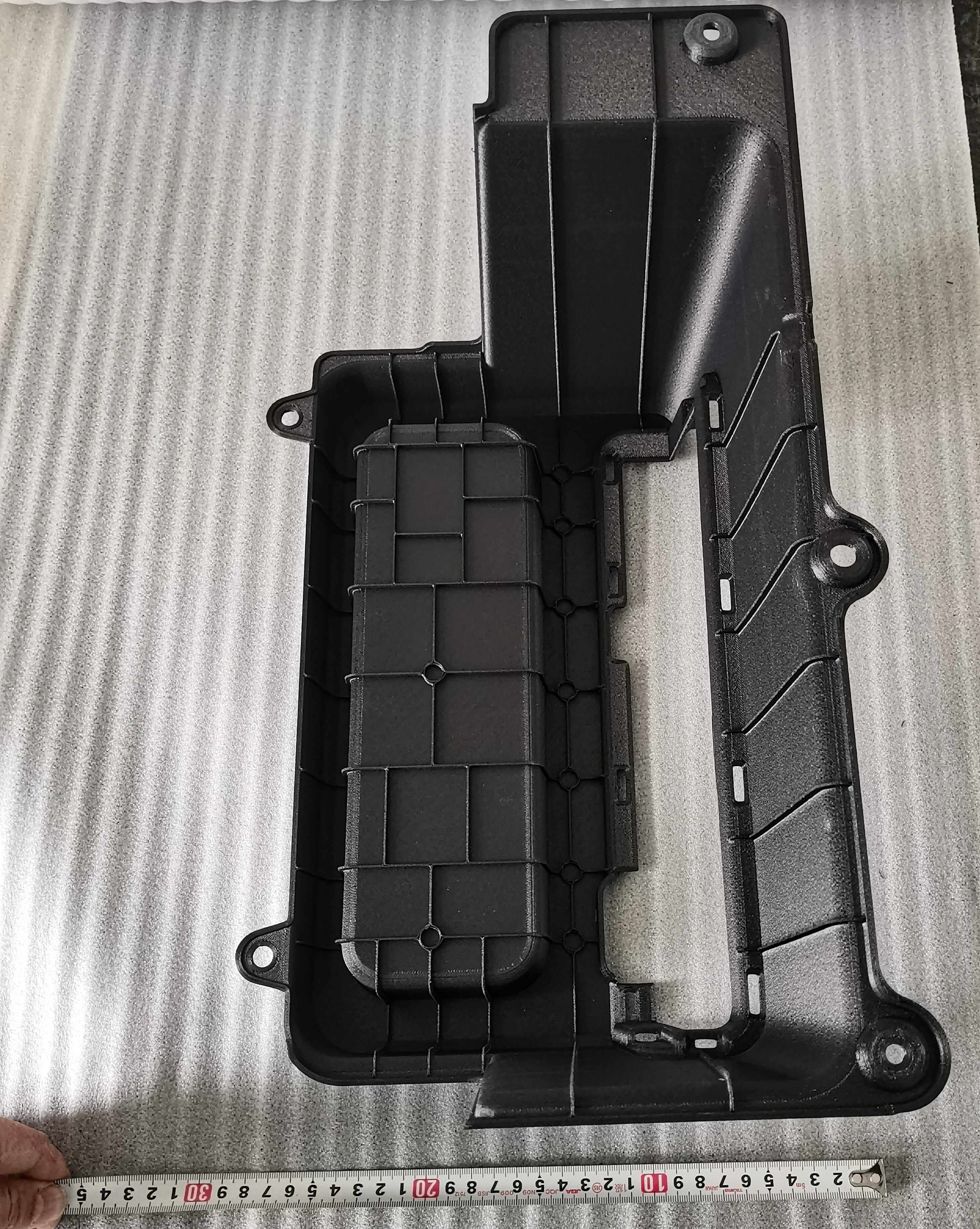
Manufacturing industries worldwide are increasingly turning to advanced production technologies that deliver both speed and cost-effectiveness. Among these technologies, fused deposition modeling has emerged as a game-changing solution for companies seeking rapid prototyping and small-batch production capabilities. This additive manufacturing process offers manufacturers the ability to produce complex geometries, custom tooling, and functional parts without the traditional constraints of conventional manufacturing methods.

The adoption of FDM technology in factory environments has revolutionized how manufacturers approach production challenges. From automotive suppliers to aerospace manufacturers, companies are leveraging this technology to create jigs, fixtures, and small production runs that would otherwise require expensive tooling or lengthy lead times. The flexibility and accessibility of FDM systems make them particularly valuable for operations requiring quick turnaround times and cost-effective solutions for low-volume manufacturing needs.
Understanding FDM Technology in Manufacturing Environments
Core Principles of Fused Deposition Modeling
Fused deposition modeling operates on a relatively straightforward principle that makes it accessible to manufacturing facilities of all sizes. The process involves heating thermoplastic filaments to their melting point and depositing them layer by layer to build three-dimensional objects. This layer-by-layer approach allows for the creation of complex internal geometries and undercuts that would be impossible or extremely expensive to achieve through traditional manufacturing methods.
The precision and repeatability of modern FDM systems have reached levels that satisfy many industrial applications. Advanced extruder designs, heated build chambers, and sophisticated control systems enable manufacturers to produce parts with consistent dimensional accuracy and surface finish quality. The technology has evolved from simple prototyping applications to become a viable production method for end-use parts in various industries.
Material Capabilities and Industrial Applications
Today's FDM 3D printing factory operations utilize an extensive range of engineering-grade thermoplastics that meet demanding industrial requirements. Materials such as ABS, PETG, nylon, and specialized composites offer properties including chemical resistance, high-temperature performance, and enhanced mechanical strength. These material options enable manufacturers to select the optimal polymer for specific application requirements.
The versatility of available materials extends beyond basic thermoplastics to include carbon fiber-reinforced filaments, metal-filled composites, and even dissolvable support materials. This diversity allows manufacturing facilities to address a wide spectrum of production challenges while maintaining the speed and cost advantages that make FDM technology attractive for industrial applications.
Advantages of FDM Technology for Industrial Manufacturing
Cost-Effectiveness and Economic Benefits
One of the most compelling aspects of implementing FDM technology in manufacturing environments is the significant reduction in tooling costs. Traditional manufacturing methods often require expensive molds, dies, or fixtures that can cost thousands of dollars and take weeks to produce. FDM systems can produce functional tooling and fixtures directly from digital files, eliminating these upfront investments and dramatically reducing time-to-market for new products or production processes.
The economic advantages extend beyond initial tooling costs to include reduced inventory requirements and improved cash flow management. Manufacturers can produce jigs and fixtures on-demand rather than maintaining large inventories of specialized tooling. This approach reduces storage costs, minimizes the risk of obsolete inventory, and allows for rapid adaptation to changing production requirements without significant financial investments.
Speed and Flexibility in Production Workflows
The rapid turnaround capabilities of FDM systems provide manufacturers with unprecedented flexibility in responding to production challenges and opportunities. Complex fixtures that might take weeks to machine using traditional methods can often be printed overnight, allowing production teams to quickly adapt to new requirements or address unexpected issues. This speed advantage is particularly valuable in industries with short product lifecycles or rapidly changing customer demands.
Manufacturing facilities benefit from the ability to iterate and optimize tooling designs quickly and cost-effectively. When a fixture or jig requires modifications to improve functionality or accommodate design changes, engineers can update the digital file and produce a revised version within hours. This iterative capability enables continuous improvement in manufacturing processes without the time and cost penalties associated with traditional tooling modifications.
Applications in Jigs and Fixtures Manufacturing
Custom Tooling Solutions
Manufacturing operations frequently require specialized jigs and fixtures to ensure consistent quality and efficient production processes. FDM technology excels in producing these custom tooling solutions because it can accommodate complex geometries and incorporate features that would be difficult or impossible to machine using conventional methods. Ergonomic considerations, integrated clamping mechanisms, and part-specific guidance features can all be incorporated directly into the printed design.
The ability to produce lightweight yet durable fixtures is particularly valuable in assembly operations where workers handle tooling throughout their shifts. FDM-produced fixtures can incorporate internal structures that optimize the strength-to-weight ratio, reducing worker fatigue while maintaining the rigidity required for accurate part positioning. Additionally, the design freedom afforded by additive manufacturing allows for the integration of multiple functions into single fixtures, simplifying workflows and reducing setup times.
Assembly and Quality Control Applications
Quality control processes in manufacturing environments often require specialized gauges, templates, and inspection fixtures tailored to specific parts or assemblies. FDM technology enables the rapid production of these quality control tools, allowing manufacturers to implement comprehensive inspection protocols without the lead times and costs associated with traditional gauge manufacturing. These printed inspection tools can incorporate complex contours and multiple measurement points that would be challenging to achieve through conventional machining.
Assembly operations benefit significantly from FDM-produced positioning fixtures and alignment tools. These devices can be designed to accommodate the specific characteristics of components while providing clear visual and tactile feedback to assembly workers. The ability to quickly produce and test different fixture designs allows manufacturing engineers to optimize assembly processes and reduce the potential for errors or quality issues.
Small Batch Production Capabilities
Bridge Manufacturing Solutions
FDM technology serves as an excellent bridge manufacturing solution for companies transitioning between product development and full-scale production. During this critical phase, manufacturers often need small quantities of end-use parts while traditional tooling is being developed or while market demand is being validated. FDM systems can produce functional parts that meet performance requirements while providing the flexibility to make design refinements based on real-world testing and customer feedback.
This bridge manufacturing capability is particularly valuable for companies launching new products or entering new markets where demand volumes are uncertain. Rather than investing in expensive tooling based on projections, manufacturers can use FDM technology to supply initial market demand while gathering data to inform future production decisions. This approach reduces financial risk while ensuring that customer needs are met without delays.
Low-Volume Production Economics
Traditional manufacturing methods often become economically unfavorable for very low-volume production runs due to setup costs and minimum order quantities. FDM technology eliminates many of these economic barriers by providing consistent per-part costs regardless of batch size. This characteristic makes it possible for manufacturers to economically produce small quantities of specialized parts or to offer customized products without requiring minimum order quantities that might exclude potential customers.
The economics of FDM production also support more responsive manufacturing strategies that align production closely with demand. Rather than producing large batches to achieve acceptable per-unit costs, manufacturers can produce smaller quantities more frequently, reducing inventory carrying costs and improving cash flow. This approach also minimizes the risk of obsolete inventory when product designs change or market conditions shift.
Implementation Strategies for Manufacturing Facilities
Equipment Selection and Setup Considerations
Successful implementation of FDM technology in manufacturing environments requires careful consideration of equipment capabilities and facility requirements. Industrial-grade FDM systems offer features such as enclosed build chambers, automatic bed leveling, and multi-material capabilities that enhance reliability and expand application possibilities. The selection process should evaluate factors including build volume requirements, material compatibility, and integration capabilities with existing manufacturing systems.
Facility preparation for FDM operations involves considerations beyond just equipment installation. Proper ventilation systems ensure safe operation when printing with engineering materials, while environmental controls maintain the temperature and humidity conditions necessary for consistent print quality. Additionally, establishing secure file management and version control systems ensures that production teams can reliably access current design files while maintaining intellectual property protection.
Workflow Integration and Training Programs
Integrating FDM technology into existing manufacturing workflows requires thoughtful planning and employee training to maximize the benefits of the technology. Successful implementations typically involve cross-functional teams that include design engineers, production supervisors, and quality control personnel. These teams work together to identify opportunities where FDM technology can provide the greatest value while establishing protocols for design file management, print job scheduling, and quality verification.
Training programs should address both technical operation of FDM equipment and strategic application of the technology to manufacturing challenges. Operators need to understand material handling procedures, print parameter optimization, and troubleshooting techniques. Meanwhile, engineers and supervisors benefit from training on design guidelines for additive manufacturing and methods for evaluating when FDM technology offers advantages over traditional manufacturing approaches.
Quality Control and Standards Compliance
Process Validation and Documentation
Manufacturing facilities implementing FDM technology must establish robust quality control procedures that ensure consistent part quality and compliance with relevant industry standards. Process validation involves documenting and verifying the parameters that affect part quality, including material properties, environmental conditions, and machine settings. This documentation creates a foundation for reproducible results and provides the traceability required in regulated industries.
Quality control procedures for FDM operations typically include incoming material inspection, process monitoring during printing, and finished part verification. Automated monitoring systems can track critical parameters such as extruder temperature, build chamber conditions, and layer adhesion quality throughout the printing process. Post-processing inspection procedures verify dimensional accuracy, surface finish quality, and mechanical properties as required by application specifications.
Material Traceability and Certification
Industries with strict material requirements, such as aerospace and medical device manufacturing, require comprehensive material traceability and certification protocols. FDM materials used in these applications must meet specific performance standards and provide documented material properties and batch information. Manufacturers must establish procedures for material storage, handling, and documentation that maintain the integrity of material certifications throughout the production process.
Material management systems for FDM operations should track material lot numbers, expiration dates, and storage conditions to ensure that only qualified materials are used in production. Additionally, maintaining detailed records of material usage allows manufacturers to correlate part performance with specific material batches, supporting continuous improvement efforts and providing data for failure analysis when necessary.
FAQ
What types of materials can be used in an FDM 3D printing factory environment
Industrial FDM systems support a wide range of engineering-grade thermoplastics including ABS, PETG, nylon, polycarbonate, and specialized composites. Advanced materials such as carbon fiber-reinforced filaments, metal-filled polymers, and high-temperature plastics like PEEK are also available for demanding applications. Material selection depends on the specific requirements for mechanical properties, chemical resistance, temperature performance, and regulatory compliance for the intended application.
How does FDM technology compare to traditional manufacturing methods for small batch production
FDM technology offers significant advantages for small batch production including elimination of tooling costs, rapid turnaround times, and consistent per-part economics regardless of batch size. Traditional manufacturing methods often require expensive setup costs that make small batches economically unfavorable, while FDM provides the same cost per part whether producing one piece or one hundred pieces. Additionally, design changes can be implemented immediately without tooling modifications, providing greater flexibility for iterative improvements.
What quality control measures are necessary when implementing FDM technology in manufacturing
Effective quality control for FDM operations includes material qualification and traceability, process parameter validation, real-time monitoring during printing, and comprehensive finished part inspection. Critical parameters such as dimensional accuracy, surface finish, and mechanical properties must be verified according to application requirements. Documentation systems should maintain records of material batches, process parameters, and inspection results to support continuous improvement and regulatory compliance when required.
Can FDM-produced parts meet the durability requirements of industrial applications
Modern FDM technology produces parts with mechanical properties that satisfy many industrial applications, particularly when using engineering-grade materials and optimized print parameters. Part durability depends on factors including material selection, print orientation, layer adhesion, and post-processing treatments. While FDM parts may not match the properties of injection-molded components in all applications, they often provide sufficient performance for tooling, fixtures, and functional prototypes while offering significant advantages in cost and lead time.
Table of Contents
- Understanding FDM Technology in Manufacturing Environments
- Advantages of FDM Technology for Industrial Manufacturing
- Applications in Jigs and Fixtures Manufacturing
- Small Batch Production Capabilities
- Implementation Strategies for Manufacturing Facilities
- Quality Control and Standards Compliance
-
FAQ
- What types of materials can be used in an FDM 3D printing factory environment
- How does FDM technology compare to traditional manufacturing methods for small batch production
- What quality control measures are necessary when implementing FDM technology in manufacturing
- Can FDM-produced parts meet the durability requirements of industrial applications