
 EN
EN
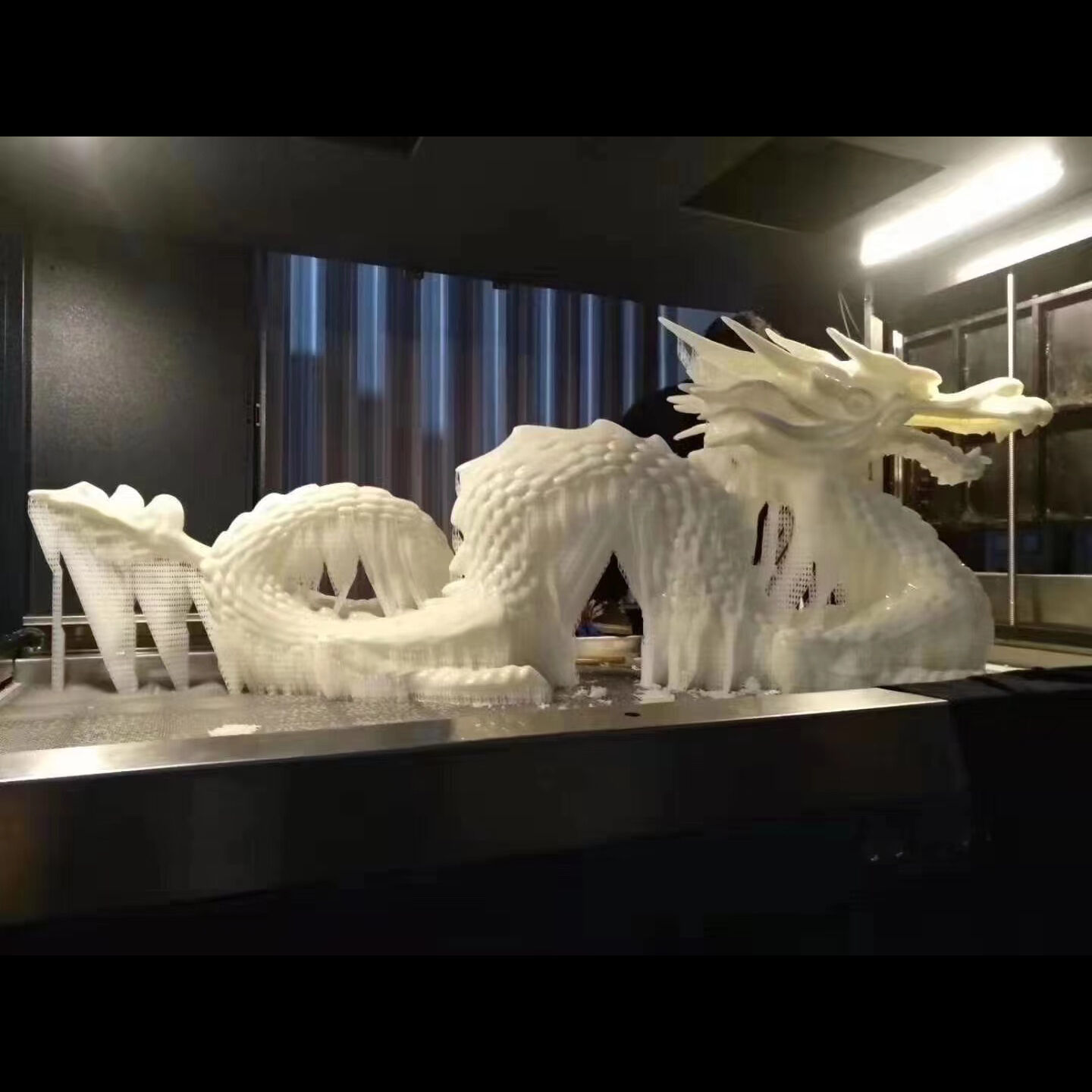
In today's competitive manufacturing landscape, selecting the optimal rapid prototyping method can determine the success of product development cycles. Engineers and designers face a critical decision when choosing between 3D printing and CNC machining for rapid prototyping applications. Both technologies offer distinct advantages, yet understanding their capabilities, limitations, and ideal use cases remains essential for making informed decisions that impact project timelines, costs, and final product quality.

Understanding 3D Printing Technology for Rapid Prototyping
Additive Manufacturing Fundamentals
3D printing revolutionized rapid prototyping by building parts layer upon layer from digital designs. This additive manufacturing approach allows engineers to create complex geometries that would be impossible or extremely expensive using traditional manufacturing methods. The technology excels at producing intricate internal structures, organic shapes, and multi-component assemblies in a single build process.
Various 3D printing technologies serve different rapid prototyping needs, including Fused Deposition Modeling (FDM), Stereolithography (SLA), and Selective Laser Sintering (SLS). Each method offers unique material properties, surface finishes, and dimensional accuracies that influence their suitability for specific prototyping applications. Understanding these variations helps designers select the most appropriate technology for their project requirements.
Material Options and Properties
Modern 3D printing supports an extensive range of materials for rapid prototyping applications. Thermoplastics like PLA, ABS, and PETG provide excellent mechanical properties for functional testing, while engineering-grade materials such as Nylon, PC, and PEEK offer enhanced strength and temperature resistance. Metal 3D printing enables rapid prototyping of components requiring high strength-to-weight ratios or specific metallurgical properties.
Material selection significantly impacts the rapid prototyping process, affecting print parameters, post-processing requirements, and final part characteristics. Advanced composite materials incorporating carbon fiber, glass fiber, or ceramic particles expand the possibilities for creating functional prototypes that closely match production material properties. This material diversity allows engineers to validate design concepts under realistic operating conditions.
CNC Machining Capabilities in Rapid Prototyping
Subtractive Manufacturing Precision
CNC machining delivers exceptional precision and surface quality in rapid prototyping applications through computer-controlled subtractive manufacturing. This technology removes material from solid blocks to create precise geometric features with tight tolerances, making it ideal for prototypes requiring high dimensional accuracy. The process ensures consistent results across multiple iterations, enabling reliable testing and validation of design concepts.
Multi-axis CNC machines expand the geometric possibilities for rapid prototyping, allowing complex features and undercuts that enhance prototype functionality. Advanced tooling strategies and high-speed machining techniques reduce cycle times while maintaining superior surface finishes. This precision makes CNC machining particularly valuable for prototypes requiring assembly with existing components or serving as master patterns for subsequent manufacturing processes.
Material Versatility and Availability
CNC machining offers unparalleled material versatility for rapid prototyping, working with virtually any machinable material including metals, plastics, composites, and ceramics. This flexibility enables engineers to create prototypes using the exact production materials, providing authentic testing conditions and accurate performance validation. Standard material availability ensures consistent supply chains and predictable material properties throughout the prototyping process.
The ability to machine production-grade materials allows for comprehensive testing of mechanical properties, chemical resistance, and thermal performance during rapid prototyping phases. Exotic materials like titanium, Inconel, or specialized polymers can be machined to create prototypes for aerospace, medical, or automotive applications where material certification and traceability are critical requirements.
Cost Analysis and Economic Considerations
Initial Investment and Setup Costs
The economic landscape of rapid prototyping varies significantly between 3D printing and CNC machining technologies. 3D printing typically requires lower initial capital investment, with desktop systems starting at modest price points and professional-grade machines offering reasonable entry costs for small to medium enterprises. The setup process remains relatively straightforward, requiring minimal specialized infrastructure or extensive operator training.
CNC machining demands higher initial investments in equipment, tooling, and facility preparation for effective rapid prototyping operations. Professional CNC machines require substantial capital commitment, along with investments in cutting tools, workholding fixtures, and safety systems. However, these higher upfront costs often translate to lower per-part costs for larger production runs and higher material utilization efficiency in rapid prototyping applications.
Operating Costs and Efficiency
Operating costs for 3D printing in rapid prototyping include material consumption, energy usage, and post-processing requirements. While material costs can be relatively high per kilogram, the additive nature minimizes waste and eliminates the need for expensive tooling changes between different prototype designs. Labor requirements remain minimal during printing, allowing unattended operation and efficient resource utilization.
CNC machining operating costs encompass tooling wear, material waste, and skilled operator requirements for effective rapid prototyping. While raw material costs may be lower than 3D printing filaments or resins, the subtractive process generates waste material that impacts overall project economics. However, faster cycle times for simple geometries and the ability to produce multiple parts simultaneously can offset these cost factors in appropriate applications.
Speed and Timeline Considerations
Design to Prototype Timeline
3D printing excels in rapid prototyping scenarios requiring quick turnaround from digital design to physical part. The direct translation from CAD models to printed components eliminates toolpath programming and setup complexities, enabling same-day prototype delivery for many applications. This speed advantage becomes particularly valuable during iterative design phases where multiple design variations need evaluation within compressed timelines.
Complex geometries with internal features, lattice structures, or organic shapes can be produced through 3D printing without additional setup time or specialized tooling considerations. This capability streamlines the rapid prototyping workflow, allowing designers to focus on design optimization rather than manufacturing constraints. Build preparation software automates much of the process setup, further reducing time between design completion and prototype availability.
Production Volume Scaling
CNC machining demonstrates superior scalability for rapid prototyping projects requiring multiple identical parts or transitioning from prototype to small-batch production. Once programming and setup are complete, subsequent parts can be produced with minimal additional preparation time. This efficiency makes CNC machining attractive for rapid prototyping applications where design validation requires multiple test specimens or functional prototypes.
The ability to run CNC machines continuously with minimal operator intervention enables efficient overnight production for urgent rapid prototyping requirements. Automated tool changing and workpiece handling systems further enhance productivity, allowing complex parts to be completed without manual intervention. This capability proves valuable for time-critical rapid prototyping projects where prototype availability directly impacts project schedules.
Quality and Precision Requirements
Dimensional Accuracy and Tolerance
Precision requirements significantly influence technology selection for rapid prototyping applications. CNC machining consistently achieves tight tolerances, typically within ±0.025mm for most geometries, making it ideal for prototypes requiring precise fits or critical dimensions. This accuracy level supports functional testing scenarios where prototype performance must closely match production part specifications.
3D printing accuracy varies considerably based on technology selection, with high-end SLA systems achieving excellent detail reproduction while FDM systems may require post-processing for critical dimensions. Layer-based manufacturing introduces inherent surface texture and potential dimensional variations that must be considered during rapid prototyping planning. Understanding these limitations helps establish realistic expectations and appropriate applications for each technology.
Surface Finish and Post-Processing
Surface finish requirements play a crucial role in rapid prototyping technology selection. CNC machining produces superior surface finishes directly from the manufacturing process, often eliminating the need for extensive post-processing. This characteristic proves valuable for prototypes requiring smooth surfaces for aerodynamic testing, aesthetic evaluation, or functional sliding interfaces.
3D printed parts frequently require post-processing to achieve desired surface qualities for rapid prototyping applications. Support material removal, sanding, and chemical smoothing add time and cost to the prototyping process but enable surface finish improvements. Advanced 3D printing technologies like SLA can produce excellent surface quality directly, while metal 3D printing may require machining operations for critical surfaces in rapid prototyping applications.
Design Complexity and Geometric Limitations
Manufacturing Constraints and Opportunities
Design complexity considerations fundamentally differ between 3D printing and CNC machining for rapid prototyping applications. 3D printing excels at producing complex internal geometries, undercuts, and organic shapes that would be impossible or prohibitively expensive using traditional manufacturing methods. This freedom enables innovative design approaches and consolidation of multiple components into single printed assemblies during rapid prototyping phases.
CNC machining limitations include tool access requirements, minimum feature sizes dictated by cutting tool dimensions, and geometric constraints imposed by workholding systems. However, these limitations are well-understood and predictable, allowing designers to optimize parts for efficient machining during rapid prototyping. The ability to achieve sharp corners, precise threads, and smooth curved surfaces makes CNC ideal for prototypes requiring specific geometric features.
Multi-Material and Assembly Considerations
Advanced 3D printing systems enable multi-material rapid prototyping, allowing creation of prototypes with varying material properties, colors, or mechanical characteristics within a single build process. This capability supports testing of complex assemblies, overmolded components, or parts requiring multiple material zones without assembly operations. Multi-material printing streamlines the rapid prototyping workflow for complex products requiring diverse material properties.
CNC machining typically requires separate operations for different materials in rapid prototyping applications, necessitating assembly operations to create multi-material prototypes. However, this approach allows use of production-grade materials with certified properties, providing authentic testing conditions. Insert molding, press-fitting, and mechanical fastening enable robust multi-material prototype assemblies that closely replicate production construction methods.
Industry Applications and Use Cases
Aerospace and Automotive Rapid Prototyping
Aerospace and automotive industries demand rigorous testing and validation during rapid prototyping phases, often requiring parts that closely match production material properties and manufacturing processes. CNC machining serves these applications well by enabling prototypes from flight-qualified materials like titanium, aluminum alloys, or certified plastics. The precision and surface finish achievable through CNC supports wind tunnel testing, fit validation, and functional verification critical to these industries.
3D printing finds growing acceptance in aerospace and automotive rapid prototyping for complex geometries, lightweight structures, and rapid design iteration. Metal 3D printing enables prototypes of intricate heat exchangers, brackets, or housings that would be difficult to machine. The ability to consolidate assemblies and create internal cooling channels or weight-reduction features makes 3D printing valuable for advanced rapid prototyping applications in these demanding sectors.
Medical Device and Consumer Product Development
Medical device rapid prototyping often requires biocompatible materials, precise dimensions, and smooth surfaces for human interface components. Both technologies serve this market, with CNC machining providing excellent surface finish for ergonomic testing and 3D printing enabling rapid iteration of complex anatomical interfaces. The choice depends on specific testing requirements, material constraints, and regulatory considerations affecting the rapid prototyping process.
Consumer product development benefits from both technologies during different phases of the rapid prototyping process. Early conceptual prototypes leverage 3D printing for quick design exploration, while later functional prototypes may require CNC machining for production-representative testing. The aesthetic requirements, mechanical performance, and cost targets of consumer products influence technology selection throughout the development cycle.
Future Trends and Technology Evolution
Advancing 3D Printing Capabilities
Emerging 3D printing technologies continue expanding rapid prototyping possibilities through improved materials, faster build speeds, and enhanced precision. Multi-jet fusion, continuous liquid interface production, and metal binder jetting offer new approaches to rapid prototyping with reduced post-processing requirements and improved mechanical properties. These advances make 3D printing increasingly competitive for applications traditionally dominated by CNC machining.
Advanced materials development includes high-performance polymers, metal alloys, and composite materials specifically designed for 3D printing applications. These materials enable rapid prototyping of parts with properties approaching or exceeding traditionally manufactured components. Smart materials, dissolvable supports, and multi-property printing expand the design possibilities for complex rapid prototyping applications across various industries.
CNC Technology Innovation
CNC machining evolution focuses on increased automation, improved precision, and expanded material capabilities for enhanced rapid prototyping efficiency. Five-axis simultaneous machining, adaptive machining strategies, and AI-powered optimization reduce cycle times while maintaining superior quality. These advances make CNC increasingly attractive for rapid prototyping applications requiring high precision and excellent surface finish.
Hybrid manufacturing systems combining additive and subtractive processes offer new possibilities for rapid prototyping workflows. These systems can 3D print near-net shapes and finish-machine critical surfaces, combining the geometric freedom of additive manufacturing with the precision of CNC machining. This integration optimizes material usage, reduces cycle times, and expands the range of feasible geometries for advanced rapid prototyping applications.
FAQ
What factors should determine my choice between 3D printing and CNC for rapid prototyping?
The choice between 3D printing and CNC for rapid prototyping depends on several key factors including geometric complexity, precision requirements, material needs, timeline constraints, and cost considerations. 3D printing excels for complex internal geometries, quick turnaround, and design iteration, while CNC machining provides superior precision, surface finish, and material variety. Consider your specific prototype requirements, testing objectives, and production transition plans when making this decision.
How do material costs compare between 3D printing and CNC machining for rapid prototyping?
Material costs vary significantly between technologies and applications in rapid prototyping. 3D printing materials typically cost more per kilogram but generate minimal waste, while CNC machining uses less expensive raw materials but creates waste through the subtractive process. For small, complex parts, 3D printing often proves more cost-effective, while larger, simpler geometries may favor CNC machining. Consider total material utilization, not just raw material costs, when evaluating rapid prototyping economics.
Can I achieve production-quality results with rapid prototyping methods?
Both 3D printing and CNC machining can achieve production-quality results in rapid prototyping applications, depending on the specific requirements and technology selection. CNC machining consistently delivers production-grade precision and surface finish using identical materials to final production. Advanced 3D printing technologies like SLA, SLS, or metal printing can also produce parts meeting production specifications, though material properties and post-processing requirements must be carefully considered for critical applications.
How do lead times compare between the two technologies for urgent rapid prototyping projects?
Lead times for rapid prototyping vary based on part complexity, size, and technology selection. 3D printing typically offers faster turnaround for complex geometries, with many parts completed within hours of design finalization. CNC machining may require additional setup time and programming but can produce simple parts very quickly once setup is complete. For urgent projects, consider the specific geometry requirements, available equipment capacity, and any necessary post-processing when estimating delivery timelines for your rapid prototyping needs.
Table of Contents
- Understanding 3D Printing Technology for Rapid Prototyping
- CNC Machining Capabilities in Rapid Prototyping
- Cost Analysis and Economic Considerations
- Speed and Timeline Considerations
- Quality and Precision Requirements
- Design Complexity and Geometric Limitations
- Industry Applications and Use Cases
- Future Trends and Technology Evolution
-
FAQ
- What factors should determine my choice between 3D printing and CNC for rapid prototyping?
- How do material costs compare between 3D printing and CNC machining for rapid prototyping?
- Can I achieve production-quality results with rapid prototyping methods?
- How do lead times compare between the two technologies for urgent rapid prototyping projects?