
 EN
EN

Engineering professionals consistently turn to CNC machining service solutions when developing prototypes and conducting functional testing across diverse industrial applications. This preference stems from the unparalleled precision, repeatability, and material versatility that modern CNC machining service providers deliver. Unlike traditional manufacturing methods, CNC machining service enables engineers to create exact replicas of production parts while maintaining strict dimensional tolerances essential for accurate testing scenarios. The ability to work with production-grade materials ensures that test results accurately reflect real-world performance characteristics.
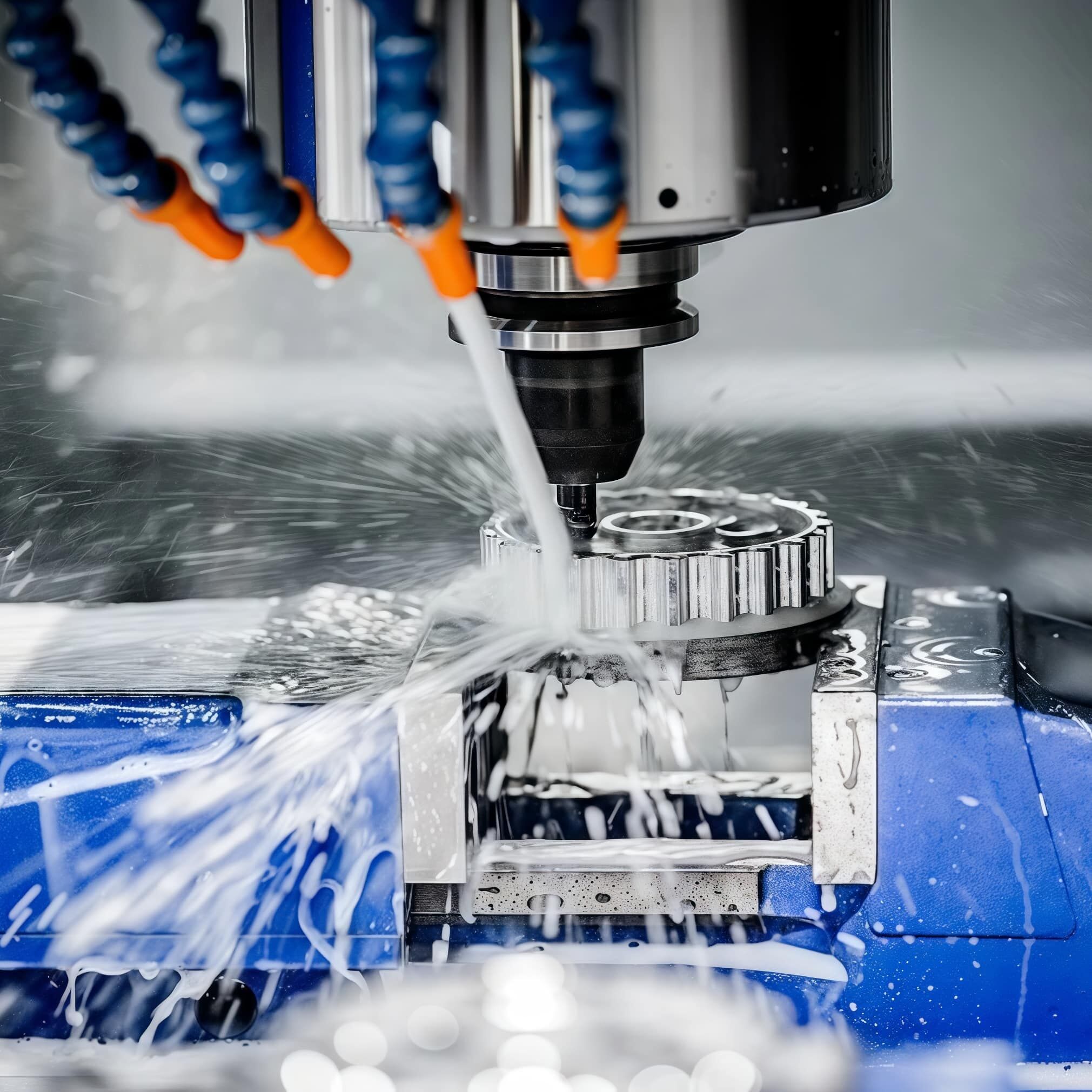
The evolution of CNC machining service technology has transformed how engineers approach functional testing methodologies. Modern facilities equipped with advanced multi-axis machines can produce complex geometries that would be impossible or cost-prohibitive using conventional methods. This capability allows engineering teams to validate designs under realistic conditions before committing to expensive production tooling. The speed at which CNC machining service can deliver functional prototypes significantly accelerates product development cycles, giving companies competitive advantages in rapidly evolving markets.
Precision Requirements in Functional Testing
Dimensional Accuracy Standards
Functional testing demands components that mirror production specifications exactly, making CNC machining service the preferred choice for creating test parts. Modern CNC equipment routinely achieves tolerances within ±0.001 inches across various materials, ensuring test results accurately represent production performance. Engineers rely on this precision to validate critical dimensions, fits, and clearances that directly impact product functionality. The consistency of CNC machining service eliminates variables that could skew testing outcomes, providing reliable baseline data for design optimization.
Quality control measures integrated into professional CNC machining service operations include coordinate measuring machine verification, surface finish analysis, and material property confirmation. These comprehensive inspection protocols guarantee that test components meet specified requirements before reaching engineering teams. The documentation provided with precision-machined parts enables engineers to correlate test results with exact dimensional parameters, facilitating more accurate analysis and design refinements.
Surface Finish Considerations
Surface quality plays a crucial role in functional testing scenarios, particularly for components involving fluid dynamics, wear resistance, or aesthetic evaluation. CNC machining service providers offer various finishing options, from standard machined surfaces to mirror-polished finishes, depending on testing requirements. Engineers can specify exact surface roughness parameters to match production conditions, ensuring test results accurately reflect real-world performance characteristics.
Advanced CNC machining service capabilities include specialized tooling and techniques for achieving specific surface textures required for functional testing. This includes controlled roughness patterns for improved adhesion, micro-machined features for enhanced fluid flow, and precision-ground surfaces for optical applications. The ability to replicate production surface conditions during testing phases eliminates uncertainties that could affect final product performance.
Material Versatility for Testing Applications
Engineering Grade Materials
Professional CNC machining service facilities maintain extensive material inventories specifically selected for engineering applications. This includes high-performance alloys, engineering plastics, composites, and specialized materials that match production specifications exactly. The ability to machine test parts from identical materials ensures that mechanical properties, thermal characteristics, and chemical resistance match production expectations precisely.
Material traceability provided by established CNC machining service providers includes detailed certifications documenting chemical composition, mechanical properties, and heat treatment status. This documentation enables engineers to correlate test results with specific material characteristics, supporting more accurate performance predictions. The availability of certified materials eliminates concerns about material variations affecting test validity, providing confidence in functional testing outcomes.
Specialized Alloy Processing
Advanced CNC machining service operations specialize in processing difficult-to-machine materials commonly used in aerospace, medical, and automotive applications. These include titanium alloys, Inconel, hardened steels, and exotic materials requiring specialized tooling and machining parameters. Engineers working on high-performance applications rely on these capabilities to create functional test parts that accurately represent production challenges.
Temperature control, cutting fluid selection, and tool path optimization represent critical aspects of specialized material processing within CNC machining service operations. These factors directly influence material properties in finished parts, affecting test result validity. Professional service providers maintain expertise in optimizing machining parameters for each material type, ensuring consistent results that support reliable functional testing protocols.
Speed and Efficiency Advantages
Rapid Prototyping Capabilities
Time-to-market pressures drive engineering teams to seek CNC machining service providers capable of delivering functional test parts within compressed timeframes. Modern facilities operating multiple shifts can often produce complex components within 24-48 hours, enabling rapid design iteration cycles. This speed advantage allows engineers to conduct multiple testing phases without significantly impacting project schedules, supporting more thorough validation processes.
Streamlined workflows within professional CNC machining service operations include automated programming systems, tool management protocols, and quality control procedures designed for efficiency. These systems reduce setup times, minimize programming errors, and ensure consistent quality across multiple iterations of test parts. Engineers benefit from predictable delivery schedules that support systematic testing approaches and design optimization cycles.
Scalability for Testing Programs
Comprehensive functional testing often requires multiple test specimens to validate statistical significance and account for material variations. CNC machining service providers can efficiently scale production from single prototypes to dozens of test parts while maintaining consistent quality standards. This scalability supports robust testing methodologies that provide statistically meaningful results for design validation.
Batch processing capabilities within CNC machining service operations enable cost-effective production of test part families, reducing per-unit costs for extensive testing programs. Standardized fixtures, proven programming, and optimized tool paths support efficient production of similar components with varying specifications. This efficiency enables engineering teams to conduct comprehensive testing within reasonable budget constraints.
Quality Control and Documentation
Inspection Protocols
Professional CNC machining service providers implement comprehensive quality control systems that support functional testing requirements. This includes incoming material inspection, in-process monitoring, and final dimensional verification using calibrated measuring equipment. Detailed inspection reports accompany each test part, providing engineers with complete dimensional data that supports test result analysis and design optimization decisions.
Advanced metrology equipment integrated into CNC machining service operations includes coordinate measuring machines, optical comparators, and surface finish analyzers. These instruments provide measurement capabilities that exceed typical production requirements, ensuring test parts meet the most demanding specifications. The availability of detailed measurement data enables engineers to correlate test results with exact component specifications, supporting accurate performance predictions.
Traceability Requirements
Engineering applications often require complete traceability from raw material through final inspection, making comprehensive documentation a critical aspect of CNC machining service selection. Professional providers maintain detailed records including material certifications, machining parameters, inspection results, and handling procedures. This documentation supports regulatory compliance requirements and enables thorough investigation of any performance issues discovered during testing.
Digital documentation systems employed by leading CNC machining service providers ensure that all relevant information remains accessible throughout product development cycles. This includes revision control for engineering drawings, parameter tracking for machining operations, and correlation data linking test results with specific part batches. Such comprehensive record-keeping supports continuous improvement initiatives and facilitates knowledge transfer between engineering teams.
Cost Considerations and Value Analysis
Initial Investment Comparison
While CNC machining service may appear more expensive than alternative prototype methods on a per-part basis, comprehensive cost analysis reveals significant advantages for functional testing applications. The elimination of tooling costs, reduced lead times, and superior quality reduce overall project expenses while providing more reliable test results. Engineers can justify premium costs through improved testing accuracy and reduced risk of costly design changes discovered late in development cycles.
Total cost of ownership calculations for CNC machining service include factors beyond initial part costs, such as reduced testing time, elimination of test result uncertainties, and decreased need for multiple design iterations. When these factors are considered, CNC machining service often provides superior value compared to lower-cost alternatives that may compromise test validity or require additional validation cycles.
Long-term Project Benefits
The precision and repeatability offered by professional CNC machining service providers deliver long-term value through reduced product development risks and improved design confidence. Accurate functional testing enabled by high-quality test parts reduces the likelihood of expensive design modifications discovered during production phases. This risk reduction provides substantial value that extends beyond immediate prototype costs.
Knowledge gained through comprehensive functional testing using precision CNC machining service parts supports future product development initiatives. Design databases built on reliable test data enable faster development of related products and reduce engineering uncertainty in similar applications. This accumulated knowledge represents significant competitive advantages that justify initial investments in premium prototyping services.
FAQ
What makes CNC machining service superior to other prototyping methods for functional testing
CNC machining service provides unmatched dimensional accuracy, material consistency, and surface finish control compared to alternative prototyping methods. The ability to machine parts from production-grade materials with tolerances matching final specifications ensures test results accurately reflect real-world performance. This precision eliminates testing uncertainties associated with approximate prototyping methods, providing engineers with reliable validation data for design optimization decisions.
How quickly can CNC machining service providers deliver functional test parts
Professional CNC machining service facilities typically deliver functional test parts within 24-72 hours depending on complexity and material requirements. Rush services are often available for critical testing deadlines, with some providers offering same-day delivery for simple geometries. This rapid turnaround enables engineering teams to maintain aggressive development schedules while conducting thorough functional validation testing.
What documentation should I expect with CNC machined test parts
Comprehensive CNC machining service providers deliver detailed inspection reports documenting all critical dimensions, surface finish measurements, and material certifications. This documentation includes measurement data from calibrated instruments, photographs showing surface conditions, and traceability information linking parts to specific material lots. Such thorough documentation supports test result analysis and provides audit trails required for regulatory compliance in many industries.
Can CNC machining service handle specialized materials required for advanced testing applications
Professional CNC machining service providers maintain capabilities for processing a wide range of specialized materials including titanium alloys, Inconel, hardened steels, and engineering plastics. These facilities invest in specialized tooling, cutting fluids, and machining parameters optimized for difficult materials commonly used in aerospace, medical, and automotive applications. The expertise required for processing these materials ensures that test parts accurately represent production material properties and performance characteristics.
Table of Contents
- Precision Requirements in Functional Testing
- Material Versatility for Testing Applications
- Speed and Efficiency Advantages
- Quality Control and Documentation
- Cost Considerations and Value Analysis
-
FAQ
- What makes CNC machining service superior to other prototyping methods for functional testing
- How quickly can CNC machining service providers deliver functional test parts
- What documentation should I expect with CNC machined test parts
- Can CNC machining service handle specialized materials required for advanced testing applications