
 EN
EN
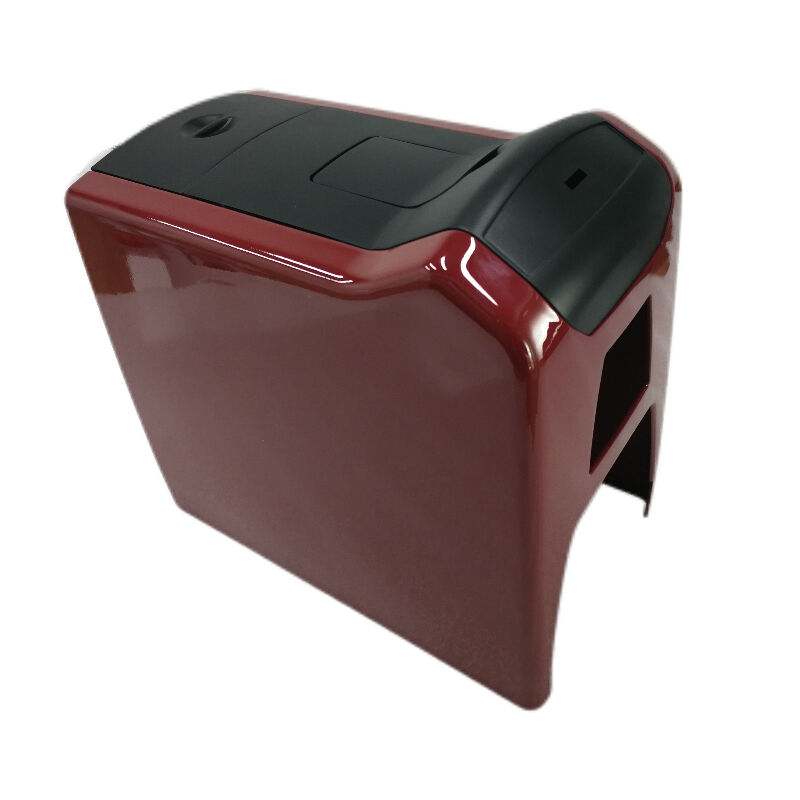
Selecting the right rapid prototyping service requires understanding the fundamental technologies that drive modern manufacturing capabilities. Companies across industries rely on these services to accelerate product development cycles and validate design concepts before full-scale production. The technology landscape in rapid prototyping continues evolving rapidly, with new innovations emerging that reshape how businesses approach product development. Understanding which technologies matter most helps organizations make informed decisions that align with their specific project requirements and budget constraints.

Additive Manufacturing Technologies in Rapid Prototyping
Fused Deposition Modeling Excellence
Fused Deposition Modeling represents one of the most widely adopted technologies in the rapid prototyping service industry. This technology builds parts layer by layer using thermoplastic materials, offering exceptional versatility for functional prototypes. FDM technology excels at producing durable parts with complex geometries that traditional manufacturing methods struggle to achieve. The material selection available through FDM processes continues expanding, with engineering-grade plastics providing mechanical properties suitable for end-use applications.
Professional rapid prototyping service providers leverage advanced FDM systems capable of precise dimensional accuracy and smooth surface finishes. These systems incorporate heated build chambers and sophisticated material handling capabilities that ensure consistent part quality. The technology supports various thermoplastics including ABS, PLA, PETG, and specialized engineering materials like carbon fiber composites. This material diversity enables prototyping applications across automotive, aerospace, medical device, and consumer product industries.
Stereolithography Precision Applications
Stereolithography technology delivers exceptional surface finish quality and dimensional precision that makes it invaluable for detailed prototype development. SLA processes use photopolymer resins cured by precise laser systems to create parts with smooth surfaces and intricate details. This technology particularly excels in applications requiring high visual fidelity and complex internal features. The layer resolution capabilities of modern SLA systems enable prototyping of miniaturized components and precision assemblies.
Advanced rapid prototyping service providers utilize industrial-grade SLA equipment capable of processing various photopolymer formulations. These materials range from standard resins for concept models to specialized formulations mimicking production plastics. Biocompatible resins enable medical device prototyping while high-temperature materials support automotive and aerospace applications. The post-processing capabilities associated with SLA technology include precision cleaning and UV curing systems that ensure optimal part performance.
Material Selection Considerations for Prototype Development
Engineering Plastics and Performance Characteristics
Material selection significantly impacts the effectiveness of any rapid prototyping service engagement and determines prototype functionality. Engineering plastics offer mechanical properties that closely match production materials, enabling meaningful testing and validation. These materials provide chemical resistance, thermal stability, and mechanical strength necessary for functional prototyping applications. The availability of filled materials incorporating glass fibers, carbon fibers, and mineral additives extends performance capabilities even further.
Modern rapid prototyping service capabilities include processing advanced thermoplastics like PEEK, PEI, and PSU that offer exceptional performance characteristics. These materials enable prototyping for demanding applications in aerospace, medical, and automotive industries where material performance is critical. The processing expertise required for these materials distinguishes professional service providers from basic prototyping operations. Understanding material behavior during processing and final part performance helps optimize prototype design and functionality.
Metal Additive Manufacturing Integration
Metal additive manufacturing technologies increasingly complement traditional plastic-based rapid prototyping service offerings. Direct Metal Laser Sintering and Electron Beam Melting processes enable prototyping with production-grade metals including titanium, aluminum, and steel alloys. These technologies support functional testing of metal components and assemblies that require authentic material properties. The geometric freedom offered by metal additive manufacturing enables prototype designs impossible through conventional machining methods.
Professional rapid prototyping service providers integrate metal additive capabilities with comprehensive post-processing services including heat treatment, machining, and surface finishing. These additional processes ensure metal prototypes meet dimensional tolerances and surface quality requirements for meaningful testing. The combination of additive manufacturing with traditional machining creates hybrid manufacturing workflows that optimize both geometric complexity and precision. This integration approach enables rapid iteration of metal component designs while maintaining production-relevant material properties.
Quality Control and Dimensional Accuracy Standards
Measurement and Inspection Technologies
Quality control capabilities distinguish professional rapid prototyping service providers from basic 3D printing operations through comprehensive measurement and inspection technologies. Coordinate Measuring Machines provide precise dimensional verification that ensures prototypes meet design specifications. Optical scanning systems enable rapid geometric analysis and comparison with original CAD models. These measurement capabilities support design validation and manufacturing process optimization throughout prototype development cycles.
Advanced rapid prototyping service facilities incorporate automated inspection systems that streamline quality verification processes. Vision systems and laser measurement technologies provide real-time feedback during production and post-processing operations. Statistical process control methodologies ensure consistent part quality across multiple prototype iterations. The integration of measurement data with design feedback loops enables continuous improvement of prototype accuracy and functionality.
Surface Finishing and Post-Processing Excellence
Surface finishing capabilities significantly impact the effectiveness of rapid prototyping service deliverables and prototype functionality. Professional post-processing operations include mechanical finishing, chemical smoothing, and coating applications that enhance both appearance and performance. These processes transform raw additive manufactured parts into presentation-quality prototypes suitable for customer evaluation and testing. The expertise required for consistent finishing results distinguishes experienced service providers from basic operations.
Comprehensive rapid prototyping service offerings include specialized finishing techniques tailored to specific materials and applications. Vapor smoothing processes improve surface quality of printed plastics while maintaining dimensional accuracy. Electroplating and coating services provide additional functionality including conductivity, corrosion resistance, and aesthetic enhancement. The selection and application of appropriate finishing techniques requires deep understanding of material behavior and prototype requirements.
Digital Workflow Integration and Design Optimization
CAD to Manufacturing Process Streamlining
Digital workflow integration capabilities determine how efficiently rapid prototyping service providers can process design files and deliver finished prototypes. Advanced data processing systems automatically optimize part orientation, support structure generation, and build parameter selection. These automated processes reduce lead times while ensuring optimal part quality and material utilization. The sophistication of digital workflow management directly impacts project turnaround times and cost effectiveness.
Professional rapid prototyping service providers invest in advanced software systems that enable seamless integration from design to manufacturing. Digital twin technologies provide simulation capabilities that predict part performance and identify potential manufacturing issues before production. Cloud-based project management systems enable real-time collaboration between customers and service providers throughout the development process. These digital capabilities enhance communication and reduce the likelihood of design iterations and delays.
Design for Additive Manufacturing Expertise
Design for Additive Manufacturing expertise enables rapid prototyping service providers to optimize customer designs for specific manufacturing processes. Understanding the geometric limitations and opportunities of different additive technologies helps maximize prototype functionality while minimizing production complexity. This expertise includes knowledge of support structure requirements, material flow considerations, and post-processing implications. Professional service providers offer design consulting services that improve prototype success rates and reduce development costs.
Advanced rapid prototyping service capabilities include topology optimization and generative design tools that enhance prototype performance. These computational design approaches create lightweight structures with optimal strength-to-weight ratios impossible through traditional design methods. The integration of simulation tools with manufacturing constraints enables exploration of design alternatives that leverage additive manufacturing advantages. This comprehensive approach to design optimization distinguishes professional service providers from basic manufacturing operations.
Industry-Specific Applications and Requirements
Medical Device Prototyping Considerations
Medical device applications place unique demands on rapid prototyping service providers through biocompatibility requirements and regulatory compliance needs. FDA-approved materials and processing environments ensure prototypes meet medical industry standards for safety and performance. Cleanroom manufacturing capabilities prevent contamination that could compromise prototype testing or regulatory submission. The traceability and documentation requirements for medical prototypes require sophisticated quality management systems.
Specialized rapid prototyping service providers maintain medical device quality certifications including ISO 13485 and FDA registration. These certifications demonstrate compliance with medical industry manufacturing standards and regulatory requirements. The material selection for medical prototypes includes USP Class VI certified plastics and biocompatible metals suitable for direct patient contact. Understanding regulatory pathways and testing requirements helps medical device companies navigate prototype development more effectively.
Aerospace and Defense Prototype Standards
Aerospace and defense applications require rapid prototyping service providers to meet stringent material specifications and manufacturing standards. AS9100 certification demonstrates compliance with aerospace quality management requirements while ITAR registration enables processing of controlled technology information. The material traceability and testing documentation required for aerospace prototypes exceeds standard commercial requirements. Processing capabilities for advanced materials like titanium alloys and carbon fiber composites support demanding aerospace applications.
Professional rapid prototyping service providers serving aerospace markets maintain specialized equipment and expertise for processing high-performance materials. Environmental testing capabilities including thermal cycling, vibration, and chemical exposure support prototype validation for aerospace applications. The documentation and certification requirements for aerospace prototypes require comprehensive quality management systems and trained personnel. This specialized expertise enables aerospace companies to accelerate development cycles while maintaining regulatory compliance.
Cost Optimization and Project Management Strategies
Build Volume Efficiency and Material Utilization
Build volume efficiency significantly impacts the cost-effectiveness of rapid prototyping service engagements through optimized part nesting and material utilization. Professional service providers use advanced software tools to maximize the number of parts produced in each build cycle. Strategic part orientation and nesting reduces material waste while maintaining part quality and dimensional accuracy. The ability to combine multiple customer orders in single build cycles helps distribute fixed costs across multiple projects.
Experienced rapid prototyping service providers offer guidance on design modifications that improve manufacturing efficiency without compromising prototype functionality. Hollow part designs reduce material consumption while maintaining structural integrity for many applications. Standardized material selection and processing parameters enable batch production efficiencies that reduce per-part costs. Understanding these optimization opportunities helps customers balance prototype performance requirements with budget constraints.
Lead Time Management and Production Scheduling
Production scheduling capabilities determine how quickly rapid prototyping service providers can deliver finished prototypes to customers. Advanced manufacturing execution systems enable real-time visibility into production status and delivery timelines. Flexible scheduling accommodates rush orders and changing customer priorities while maintaining overall operational efficiency. The ability to provide accurate delivery commitments helps customers plan product development timelines more effectively.
Professional rapid prototyping service providers maintain buffer capacity and backup equipment to ensure reliable delivery performance. Predictive maintenance programs minimize equipment downtime that could impact customer deliveries. Strategic material inventory management ensures availability of commonly used materials while minimizing carrying costs. These operational capabilities enable consistent delivery performance that supports customer product development schedules.
FAQ
What factors should I consider when selecting a rapid prototyping service provider?
When selecting a rapid prototyping service provider, evaluate their technology capabilities, material selection, quality control processes, and industry experience. Consider their ability to handle your specific material requirements and dimensional tolerances. Review their certifications and compliance capabilities if your industry has specific regulatory requirements. Assess their digital workflow integration and project management capabilities to ensure smooth collaboration throughout your project.
How do different additive manufacturing technologies compare for prototype development?
Different additive manufacturing technologies offer unique advantages for prototype development. FDM excels for functional testing with engineering plastics while SLA provides superior surface finish and detail resolution. Metal additive manufacturing enables prototyping with production-grade metals for demanding applications. The optimal technology selection depends on your prototype requirements including material properties, dimensional accuracy, surface finish, and intended testing applications.
What role does material selection play in rapid prototyping service success?
Material selection critically impacts prototype functionality and testing validity. Engineering plastics provide mechanical properties similar to production materials while specialized formulations offer specific characteristics like chemical resistance or biocompatibility. The material selection should align with your testing requirements and end-use application demands. Professional service providers can recommend optimal materials based on your specific prototype objectives and performance requirements.
How can I optimize costs while maintaining prototype quality?
Cost optimization involves balancing prototype requirements with manufacturing efficiency considerations. Design modifications like hollow parts and optimized geometries can reduce material consumption without compromising functionality. Batch ordering multiple prototypes or iterations can improve cost efficiency through shared setup costs. Working with experienced service providers who understand design for additive manufacturing principles helps optimize both cost and performance outcomes.
Table of Contents
- Additive Manufacturing Technologies in Rapid Prototyping
- Material Selection Considerations for Prototype Development
- Quality Control and Dimensional Accuracy Standards
- Digital Workflow Integration and Design Optimization
- Industry-Specific Applications and Requirements
- Cost Optimization and Project Management Strategies
-
FAQ
- What factors should I consider when selecting a rapid prototyping service provider?
- How do different additive manufacturing technologies compare for prototype development?
- What role does material selection play in rapid prototyping service success?
- How can I optimize costs while maintaining prototype quality?