3d printing for metal casting
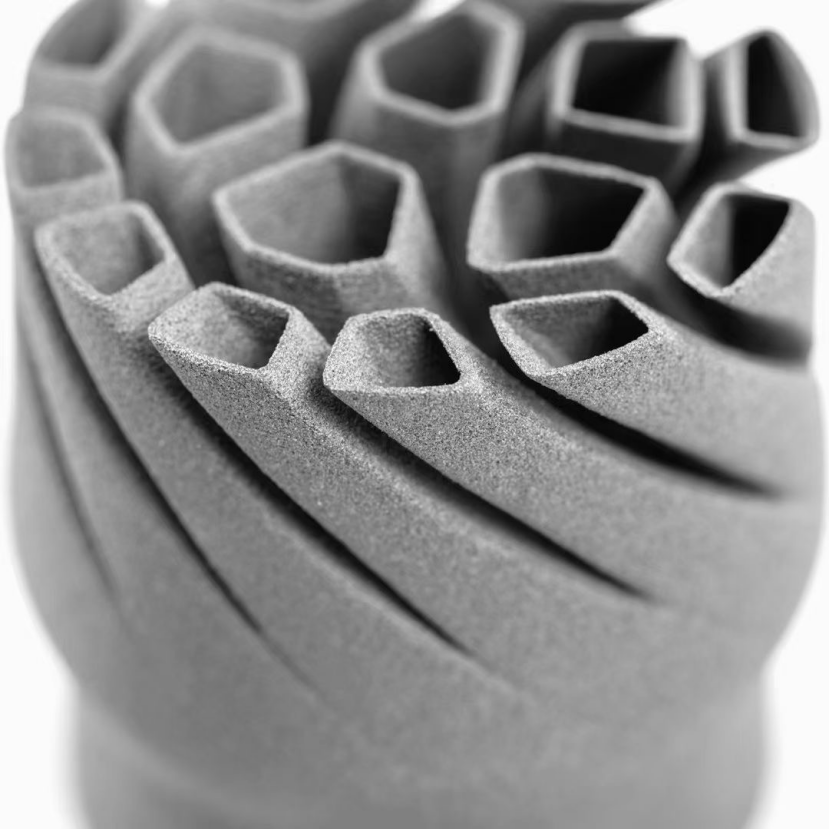
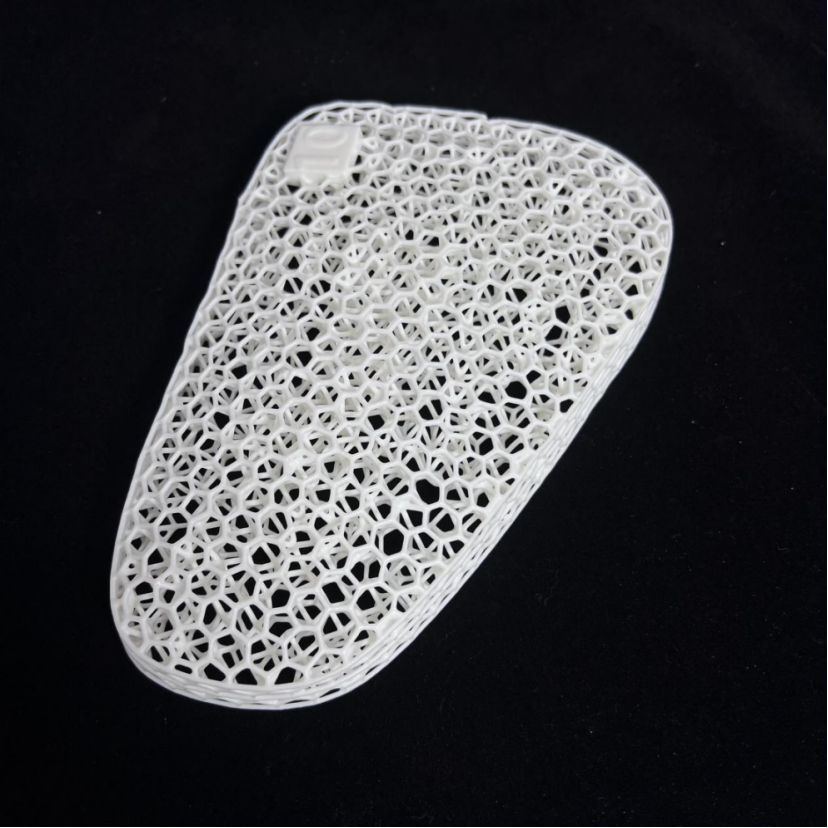
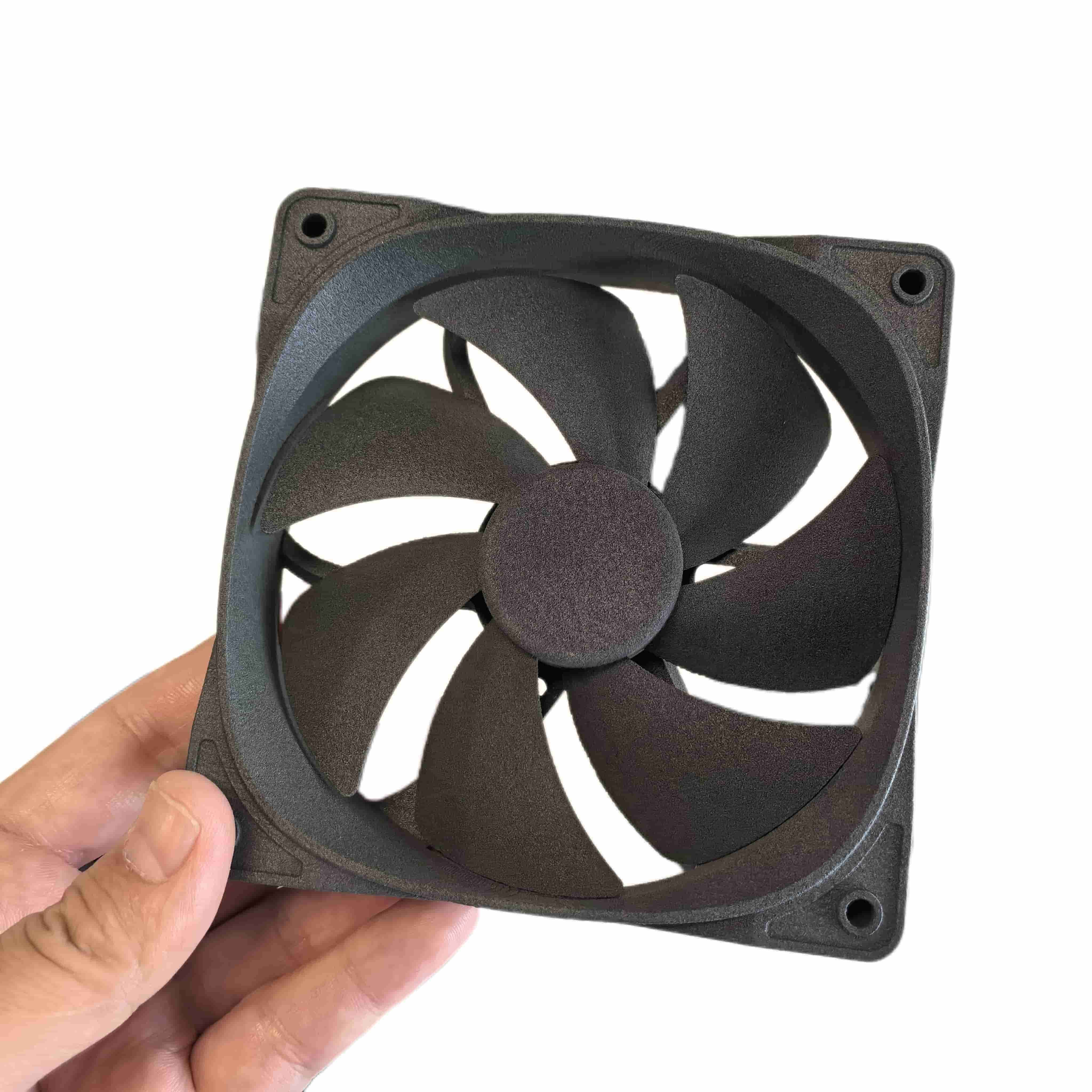
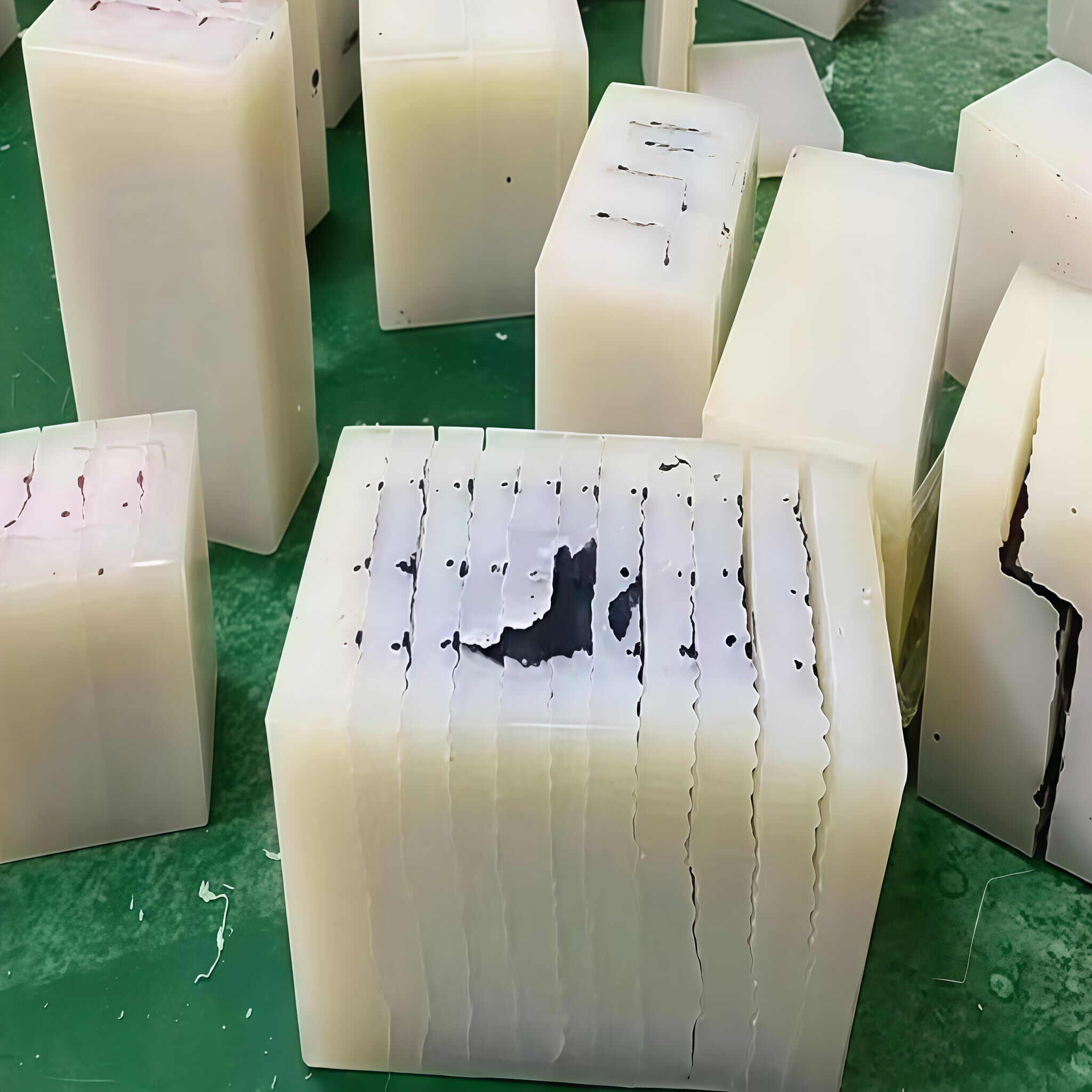
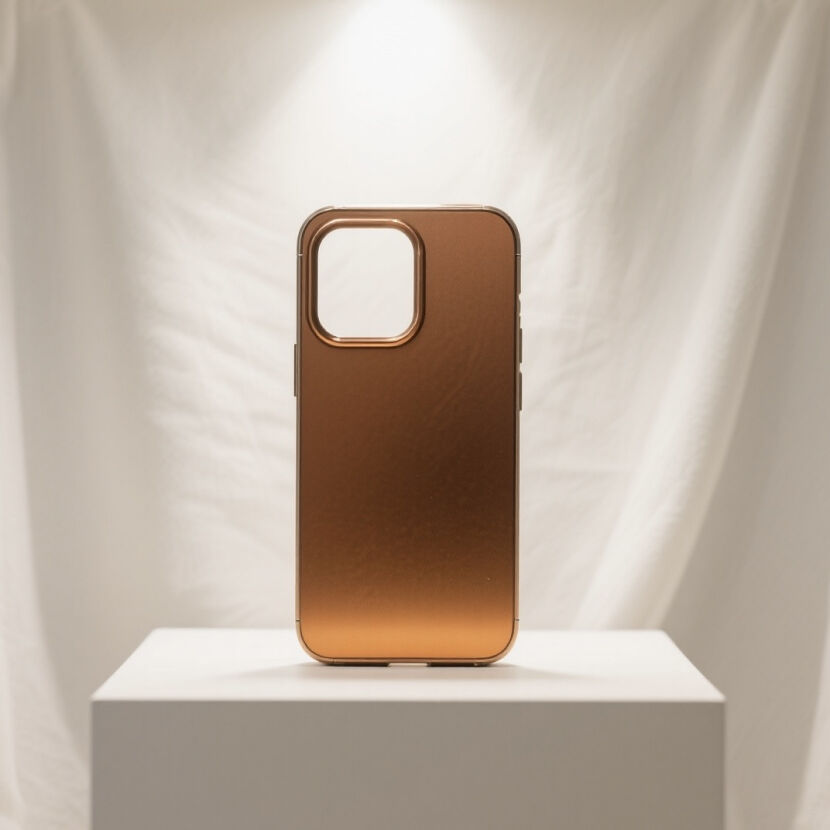
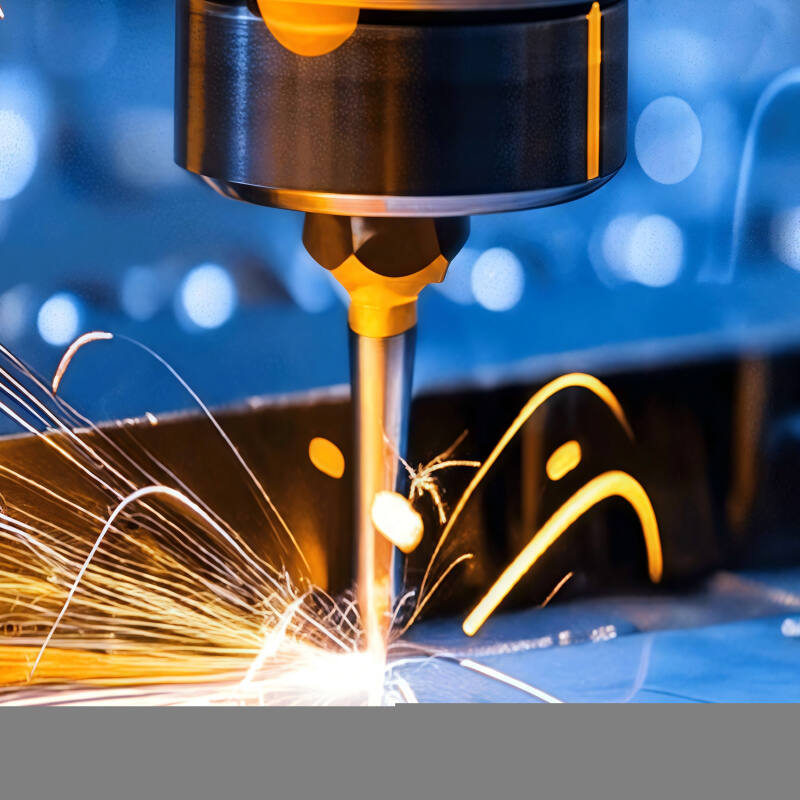
3D printing for metal casting represents a revolutionary advancement in manufacturing technology, combining traditional foundry methods with modern digital fabrication. This innovative process involves creating complex patterns and molds using 3D printing technology, which are then used in the metal casting process. The technology enables manufacturers to produce intricate metal components with unprecedented precision and efficiency. The process typically begins with creating a digital 3D model, which is then printed using materials suitable for casting, such as special waxes or resins. These printed patterns serve as sacrificial models in the investment casting process, where they're coated with ceramic material to create molds. Once the mold is prepared, molten metal is poured in, replacing the printed pattern and solidifying to form the final metal component. This technology has found widespread applications across various industries, including aerospace, automotive, medical devices, and custom manufacturing. It particularly excels in producing complex geometries, internal channels, and detailed features that would be difficult or impossible to achieve through traditional casting methods. The integration of 3D printing with metal casting has significantly reduced lead times, lowered tooling costs, and enabled rapid prototyping capabilities, making it an invaluable tool for modern manufacturing.

 EN
EN