Industrial Metal 3D Printing: Advanced Manufacturing Solutions for Complex Metal Components

All Categories

Get a Free Quote

Our representative will contact you soon.
Email
Name
Company Name
Message
0/1000

industrial metal 3d printing

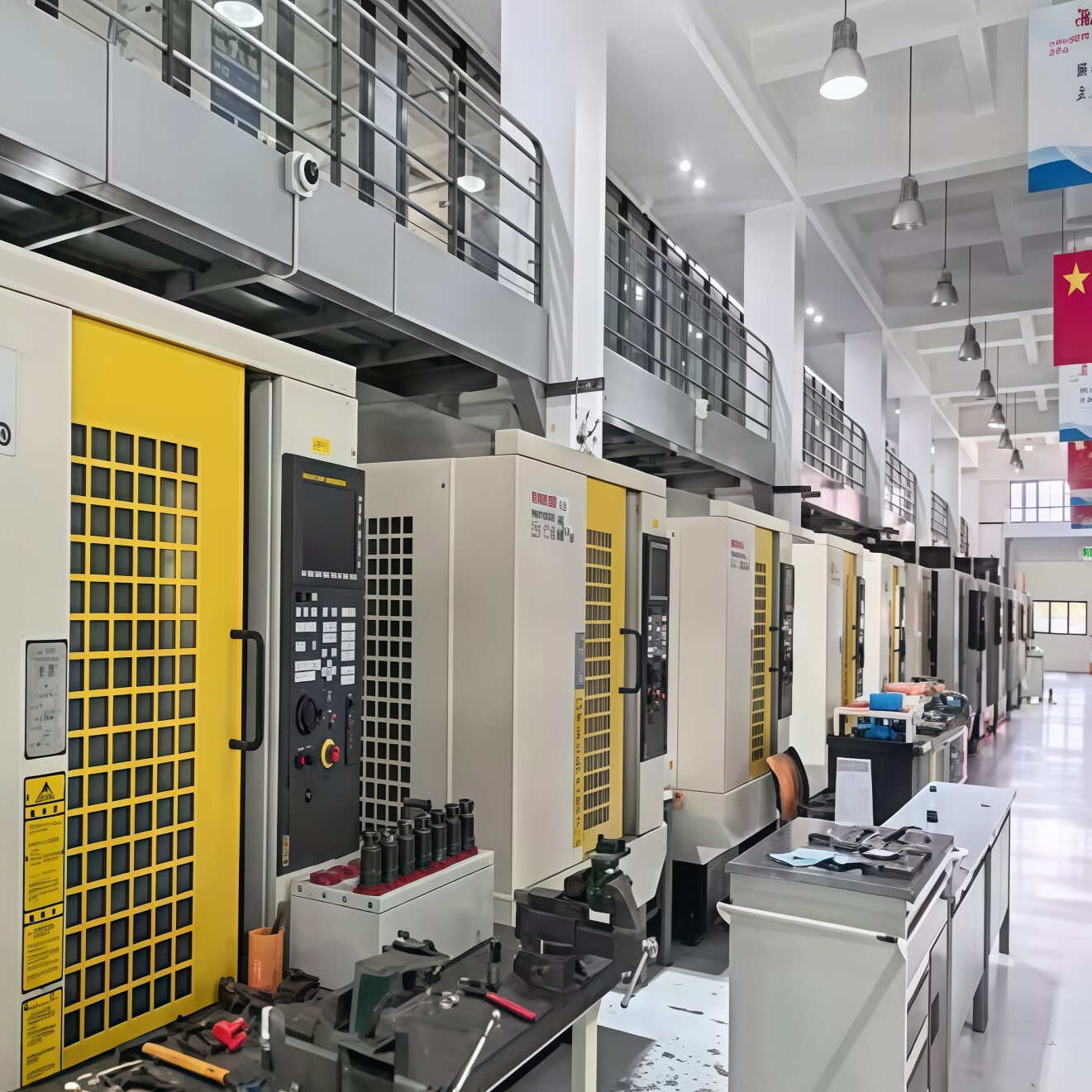
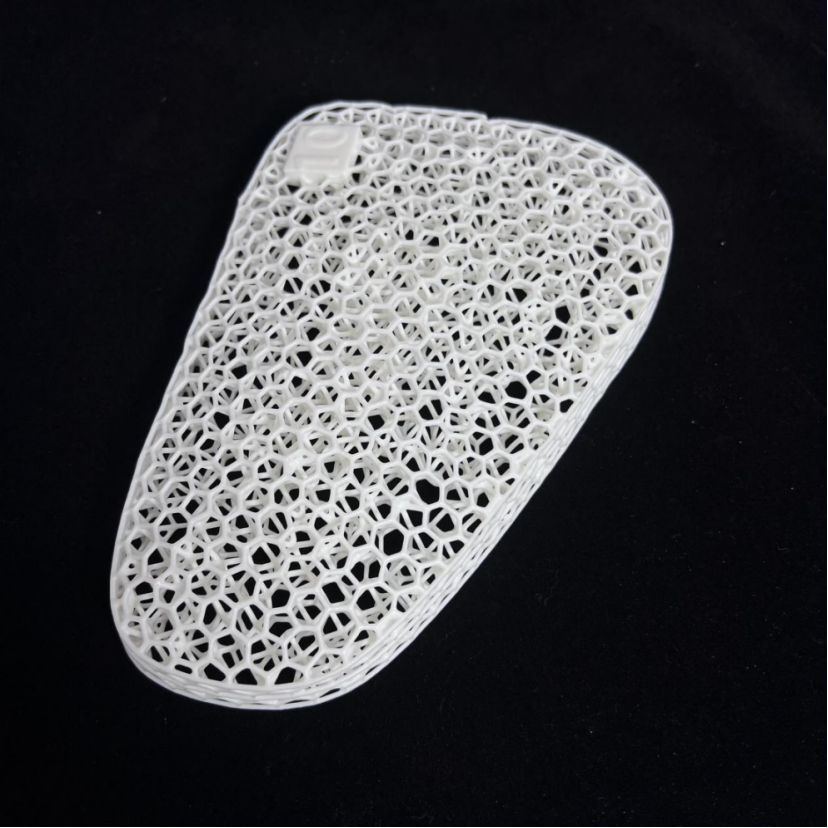
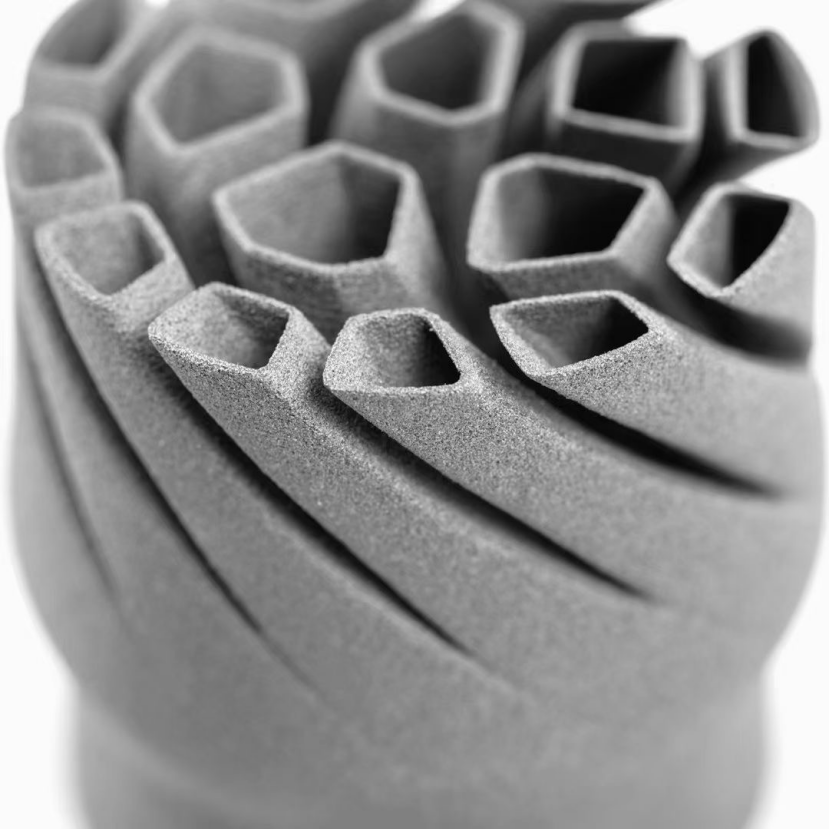
Industrial metal 3D printing, also known as metal additive manufacturing, represents a revolutionary advancement in manufacturing technology. This process creates three-dimensional metal objects directly from digital models by depositing metal materials layer by layer. The technology employs various methods, including powder bed fusion, directed energy deposition, and binder jetting. These systems use high-powered lasers or electron beams to melt and fuse metal powders, creating complex geometries that would be impossible or extremely difficult to achieve through traditional manufacturing methods. The technology accommodates a wide range of metals, including titanium, aluminum, stainless steel, and nickel alloys, making it suitable for diverse industrial applications. Industrial metal 3D printing has found significant applications in aerospace, automotive, medical, and tooling industries, where it enables the production of lightweight yet strong components, customized medical implants, and complex tooling solutions. The technology excels in producing intricate internal structures, conformal cooling channels, and topology-optimized designs that enhance product performance while reducing material waste.


Popular Products

Industrial metal 3D printing offers numerous compelling advantages that transform traditional manufacturing paradigms. First, it enables unprecedented design freedom, allowing engineers to create complex geometries and internal structures that optimize component performance and reduce weight without compromising strength. This design flexibility leads to improved product functionality and enhanced performance characteristics. Second, the technology significantly reduces material waste compared to subtractive manufacturing methods, as it only uses the material needed for the final part. This efficiency not only reduces costs but also promotes sustainability in manufacturing processes. Third, metal 3D printing enables rapid prototyping and iteration, dramatically shortening product development cycles and time-to-market. Companies can quickly test and refine designs without the lengthy setup times associated with traditional manufacturing methods. Fourth, the technology allows for part consolidation, where multiple components can be combined into a single, more efficient design, reducing assembly requirements and potential failure points. Fifth, it enables on-demand manufacturing, eliminating the need for large inventory storage and reducing supply chain complexities. Additionally, the technology offers the ability to produce spare parts on-demand, extending the lifecycle of existing products and reducing downtime in critical operations. Finally, metal 3D printing enables mass customization at a reasonable cost, allowing manufacturers to produce personalized products without significant additional tooling or setup expenses.

Practical Tips

Unlocking the Potential of SLS 3D Printing: The Role of PA12 and PA12+GF30 in Advanced Manufacturing

19

Jun

Unlocking the Potential of SLS 3D Printing: The Role of PA12 and PA12+GF30 in Advanced Manufacturing

View More
3D Printing Empowers Embodied AI: Reshaping the Paradigm of Customized, Small-Batch Production for Humanoid Robots

19

Jun

3D Printing Empowers Embodied AI: Reshaping the Paradigm of Customized, Small-Batch Production for Humanoid Robots

View More
3D Printing & Rapid Prototyping: Transforming Small-Batch, Customized Production

19

Jun

3D Printing & Rapid Prototyping: Transforming Small-Batch, Customized Production

View More

Get a Free Quote

Our representative will contact you soon.
Email
Name
Company Name
Message
0/1000

industrial metal 3d printing

Advanced Material Processing Capabilities

Advanced Material Processing Capabilities

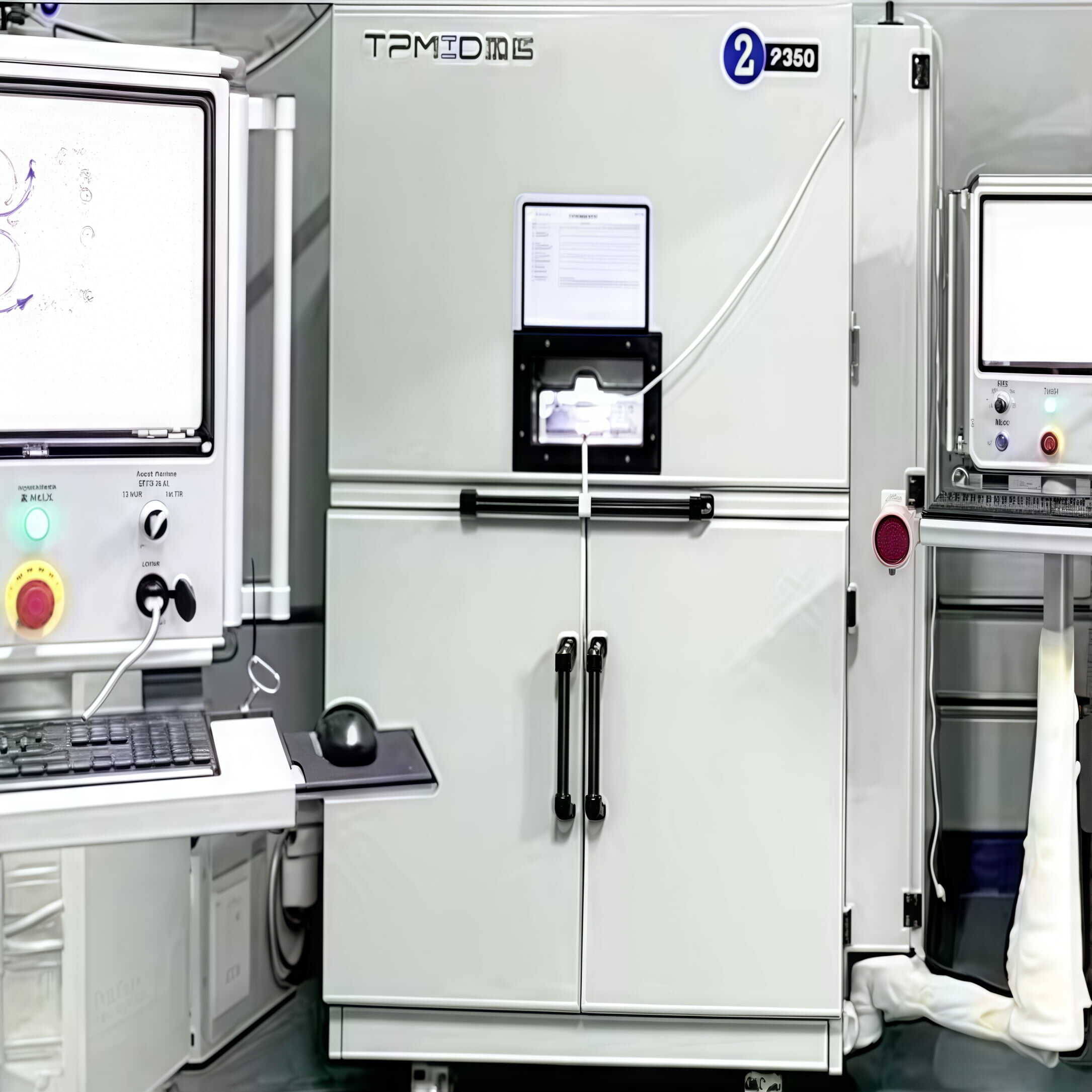
Industrial metal 3D printing systems incorporate sophisticated material processing technologies that ensure exceptional part quality and reliability. The advanced powder handling systems maintain material integrity throughout the printing process, while intelligent monitoring systems continuously track and adjust processing parameters in real-time. These systems utilize precise thermal control mechanisms to maintain optimal melting conditions, resulting in consistent material properties throughout the printed part. The technology also enables the processing of a wide range of metal alloys, including high-performance materials that are difficult to process through conventional methods. This versatility in material processing opens up new possibilities for innovative applications across various industries.
Integrated Quality Assurance Systems

Integrated Quality Assurance Systems

Modern industrial metal 3D printers feature comprehensive quality assurance systems that monitor and validate every aspect of the printing process. These systems employ advanced sensors and cameras to track layer-by-layer build progress, detecting and addressing potential issues in real-time. Machine learning algorithms analyze process data to optimize printing parameters and predict potential defects before they occur. The integration of in-situ monitoring capabilities ensures consistent part quality and provides complete documentation for regulatory compliance. This sophisticated quality control approach significantly reduces the need for post-build inspection and increases confidence in the printed parts' reliability.
Enhanced Production Efficiency

Enhanced Production Efficiency

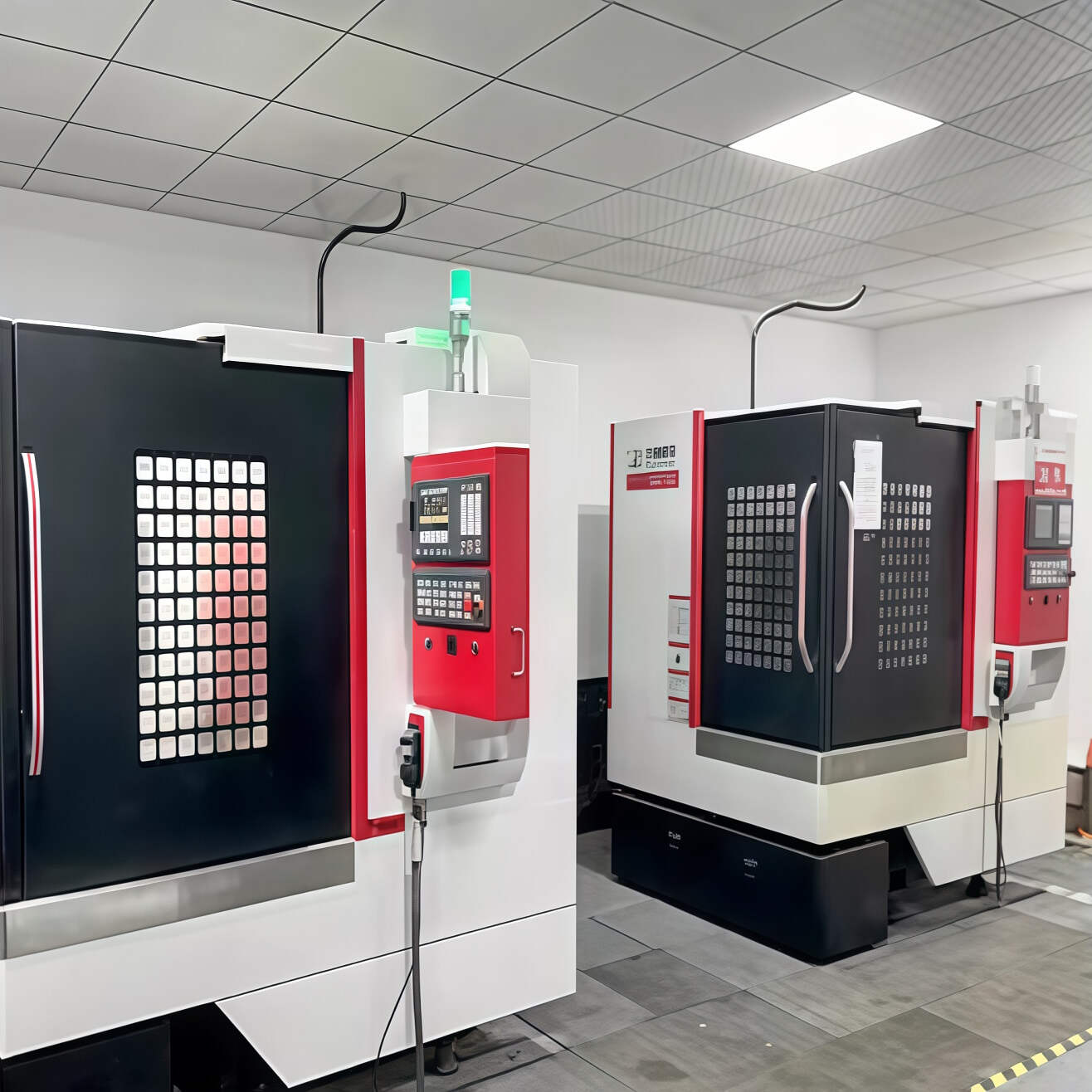
Industrial metal 3D printing systems are designed to maximize production efficiency through various innovative features. Multi-laser systems significantly increase build speeds while maintaining precise control over the printing process. Automated powder handling and recycling systems minimize material waste and operator intervention. Advanced build plate management systems enable continuous production operations, reducing downtime between builds. The systems also feature intelligent job scheduling and nesting capabilities that optimize build space utilization and production planning. These efficiency-focused features, combined with minimal setup requirements and quick changeover capabilities, enable manufacturers to achieve higher throughput and better resource utilization.

Get a Free Quote

Our representative will contact you soon.
Email
Name
Company Name
Message
0/1000