Precision Aerospace Parts Machining: Advanced Manufacturing Solutions for Aviation Excellence

All Categories

Get a Free Quote

Our representative will contact you soon.
Email
Name
Company Name
Message
0/1000

aerospace parts machining

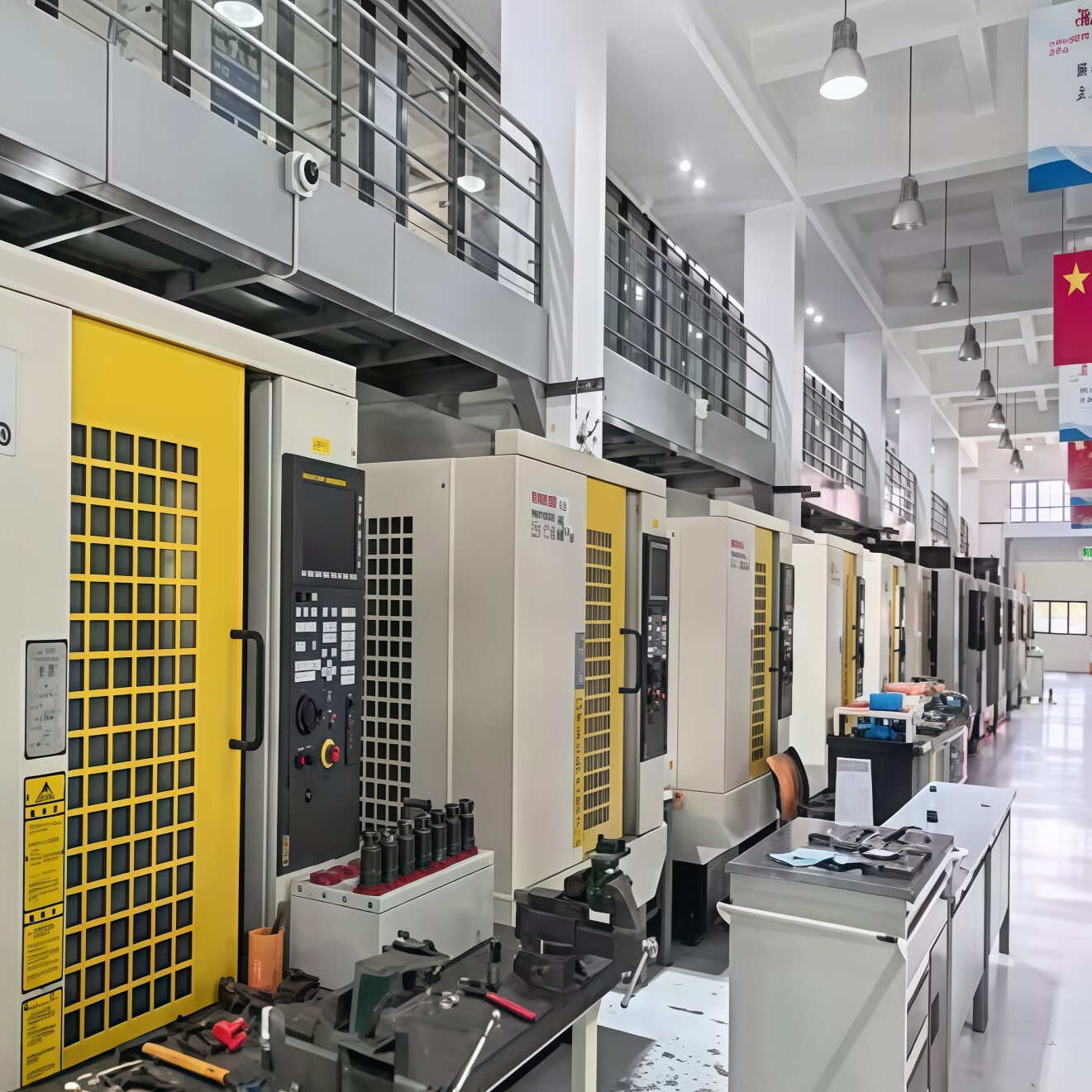
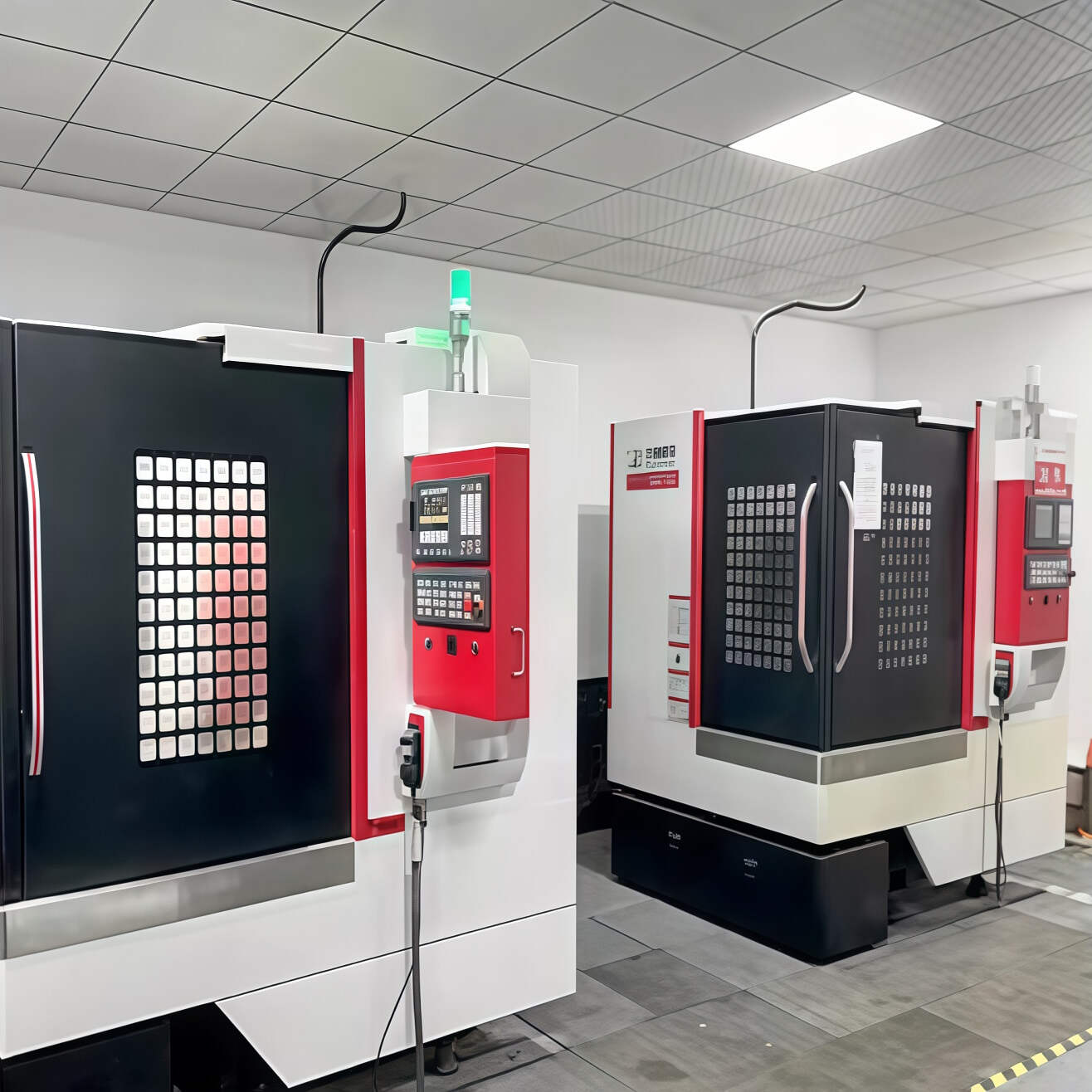
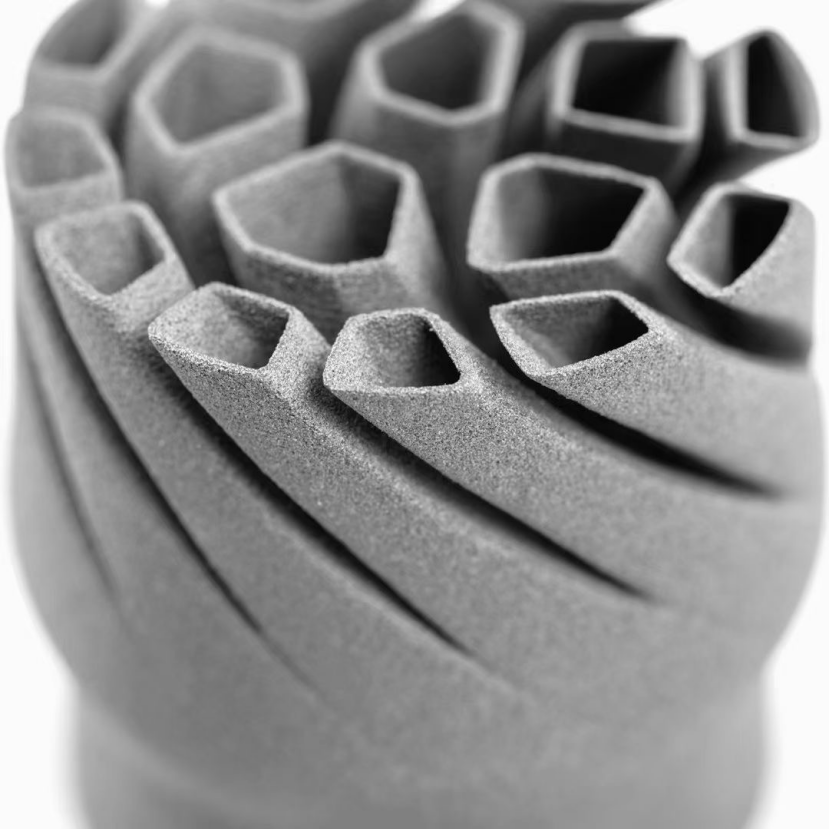
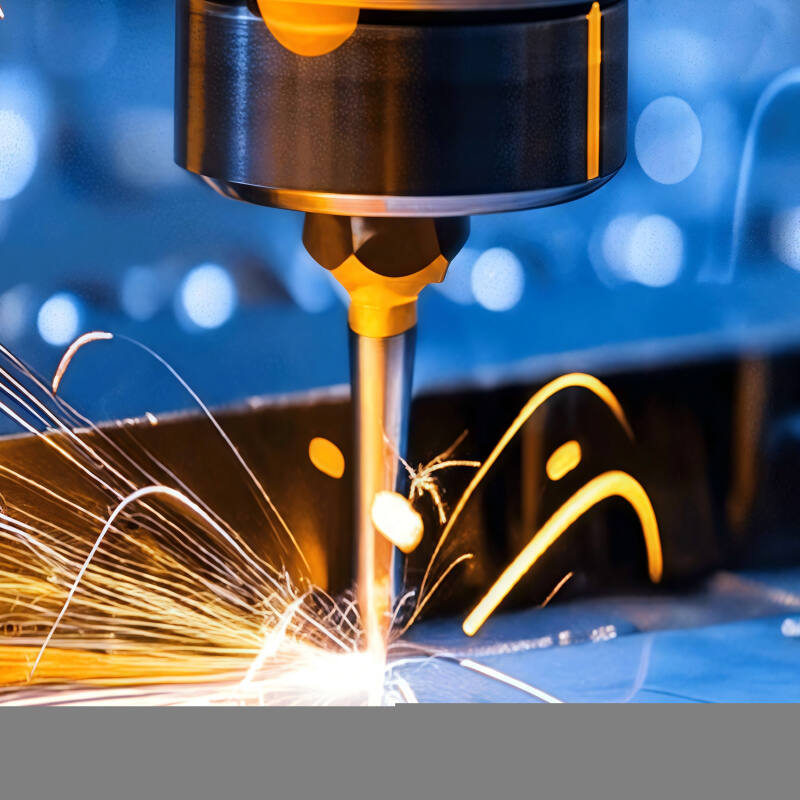
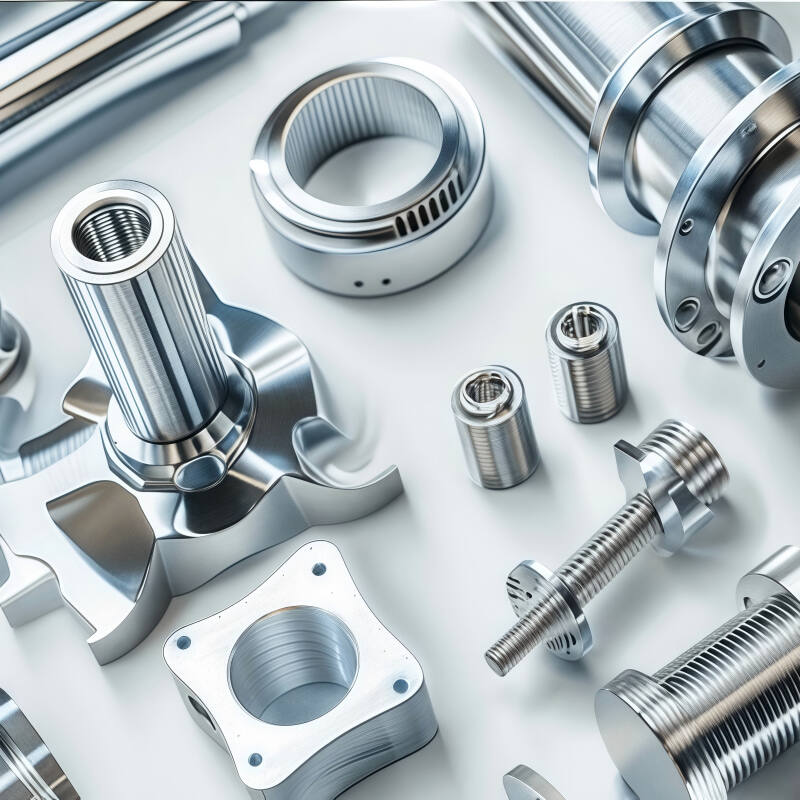
Aerospace parts machining represents a highly specialized segment of precision manufacturing that focuses on producing components for aircraft, spacecraft, and related equipment. This intricate process combines advanced CNC machining technology, superior quality materials, and expert engineering to create parts that meet the stringent requirements of the aerospace industry. Modern aerospace machining utilizes multi-axis CNC machines capable of producing complex geometries with tolerances often measured in microns. The process encompasses various techniques including milling, turning, drilling, and grinding, all performed under strict quality control protocols. These operations are essential for manufacturing critical components such as turbine blades, landing gear components, structural elements, and engine parts. What sets aerospace machining apart is its emphasis on maintaining exceptional precision while working with challenging materials like titanium alloys, high-temperature steels, and composite materials. The process requires sophisticated measurement and inspection systems to ensure compliance with aerospace standards and regulations. Additionally, aerospace parts machining often incorporates advanced surface treatments and finishing processes to enhance component performance and durability in extreme operating conditions.


Popular Products

Aerospace parts machining offers numerous compelling advantages that make it indispensable in modern aviation manufacturing. First and foremost, it provides unparalleled precision and repeatability, ensuring that each component meets exact specifications every time. This consistency is crucial for aircraft safety and performance. The process allows for the creation of complex geometries that would be impossible to achieve through conventional manufacturing methods. Advanced CNC technology enables the production of lightweight yet durable components, which is essential for fuel efficiency and aircraft performance. The ability to work with specialized aerospace materials, including heat-resistant alloys and composites, ensures that components can withstand extreme operating conditions. Quality control is integrated throughout the entire manufacturing process, with comprehensive testing and verification procedures that meet or exceed industry standards. The automation capabilities of modern aerospace machining systems reduce human error while increasing production efficiency. This results in shorter lead times and more cost-effective manufacturing processes. The flexibility of CNC machining allows for rapid prototyping and design modifications, enabling faster product development cycles. Furthermore, aerospace parts machining facilities often maintain detailed documentation and traceability records, which is crucial for regulatory compliance and quality assurance. The process also supports sustainable manufacturing practices through optimal material utilization and the ability to recycle metal chips and coolants.

Tips And Tricks

Unlocking the Potential of SLS 3D Printing: The Role of PA12 and PA12+GF30 in Advanced Manufacturing

19

Jun

Unlocking the Potential of SLS 3D Printing: The Role of PA12 and PA12+GF30 in Advanced Manufacturing

View More
3D Printing Empowers Embodied AI: Reshaping the Paradigm of Customized, Small-Batch Production for Humanoid Robots

19

Jun

3D Printing Empowers Embodied AI: Reshaping the Paradigm of Customized, Small-Batch Production for Humanoid Robots

View More
3D Printing & Rapid Prototyping: Transforming Small-Batch, Customized Production

19

Jun

3D Printing & Rapid Prototyping: Transforming Small-Batch, Customized Production

View More

Get a Free Quote

Our representative will contact you soon.
Email
Name
Company Name
Message
0/1000

aerospace parts machining

Precision Engineering Excellence

Precision Engineering Excellence

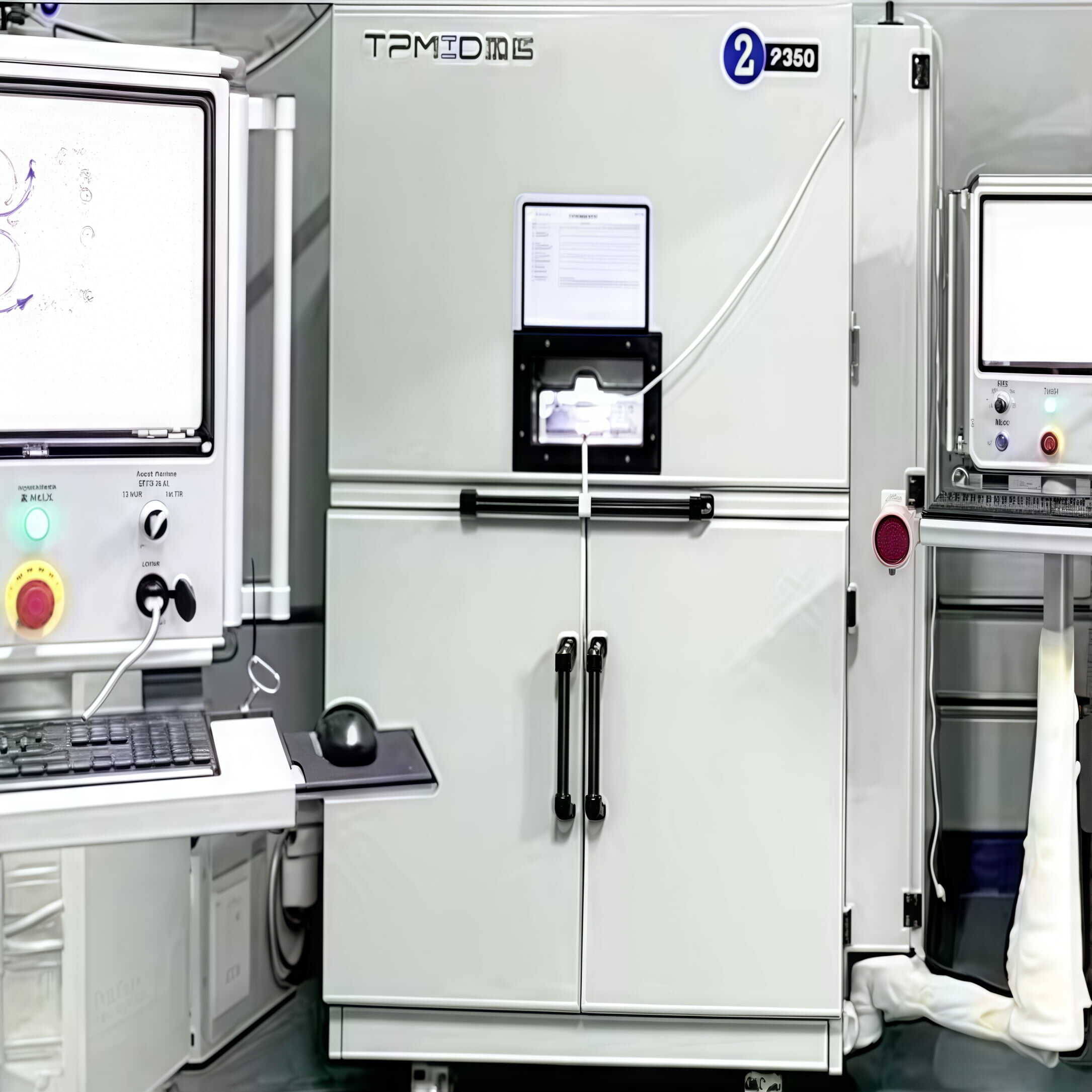
Aerospace parts machining achieves extraordinary levels of precision through advanced multi-axis CNC technology and sophisticated quality control systems. These machines can maintain tolerances as tight as ±0.0001 inches, ensuring perfect fit and function of critical components. The precision engineering process incorporates real-time measurement and verification systems that continuously monitor cutting parameters and part dimensions. This level of accuracy is essential for components that must perform reliably under extreme conditions, such as engine parts and flight control systems. Advanced CAD/CAM software enables programmers to optimize tool paths and cutting strategies, resulting in superior surface finishes and dimensional accuracy. The integration of coordinate measuring machines (CMMs) and other inspection technologies ensures that every part meets exact specifications before leaving the facility.
Material Processing Expertise

Material Processing Expertise

The capability to machine diverse aerospace materials sets this process apart in the manufacturing industry. Specialists possess deep knowledge of working with challenging materials like titanium alloys, Inconel, and high-strength aluminum alloys. Advanced cutting tools and optimized machining parameters ensure efficient material removal while maintaining the material's inherent properties. Temperature control and specialized coolant systems prevent thermal damage during machining of heat-sensitive materials. The expertise extends to understanding material grain structures and stress patterns, crucial for maintaining component integrity. This knowledge enables the production of parts with optimal strength-to-weight ratios, essential for aerospace applications where weight reduction is critical.
Quality Assurance and Certification

Quality Assurance and Certification

Aerospace parts machining maintains rigorous quality control standards that exceed typical manufacturing requirements. Each facility implements comprehensive quality management systems that comply with AS9100 aerospace standards. The process includes detailed documentation of all manufacturing steps, material certifications, and inspection results. Non-destructive testing methods such as X-ray and ultrasonic inspection ensure internal part integrity. Every machine operator undergoes extensive training and certification to maintain consistent quality standards. Regular calibration of measuring equipment and validation of machining processes ensure continued accuracy. The quality system includes full traceability from raw material to finished product, essential for regulatory compliance and safety assurance.

Get a Free Quote

Our representative will contact you soon.
Email
Name
Company Name
Message
0/1000