high speed sintering 3d printing
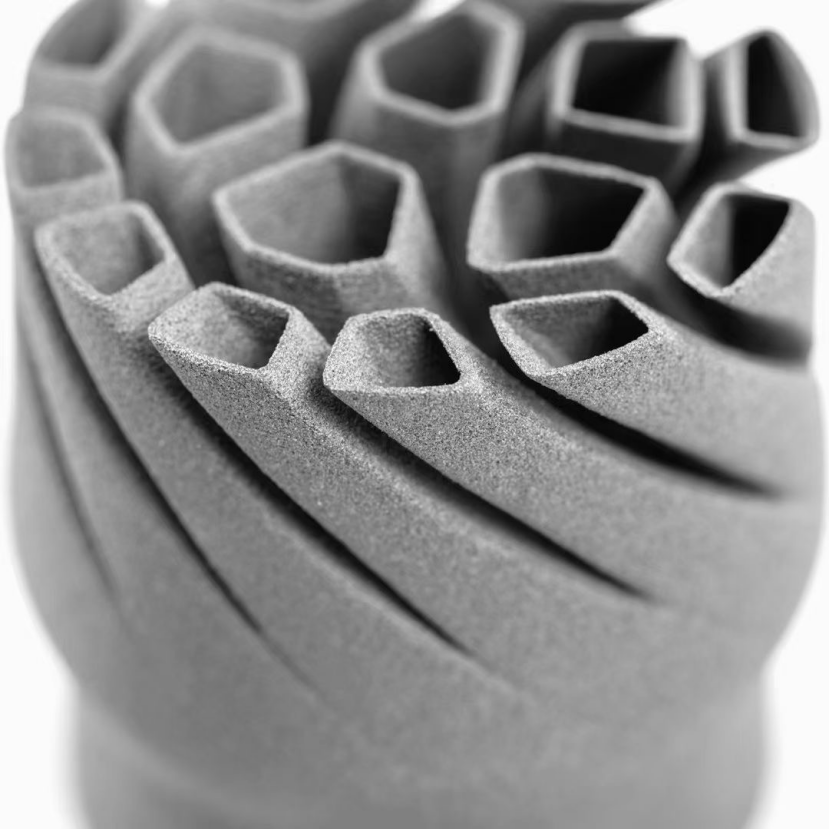
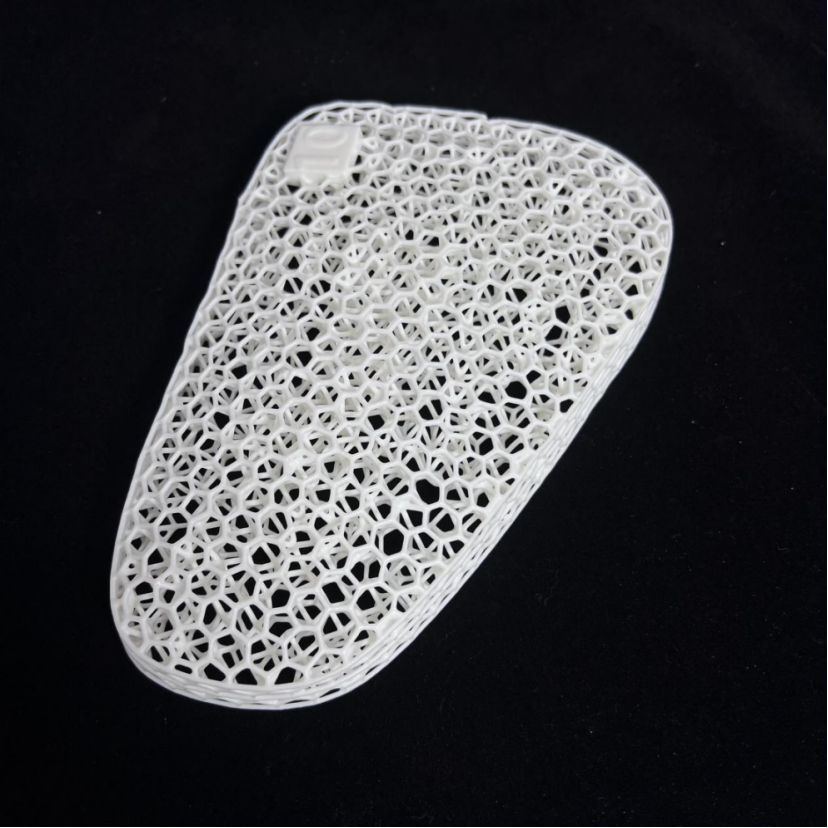
High Speed Sintering (HSS) 3D printing represents a groundbreaking advancement in additive manufacturing technology, combining the speed of traditional manufacturing with the flexibility of 3D printing. This innovative process uses infrared heat and specialized ink to selectively fuse powder materials, creating complex parts layer by layer. The technology employs a thermal printhead to deposit radiation-absorbing ink onto a bed of powder material, followed by exposure to infrared radiation that precisely sinters the powder particles where the ink was deposited. Unlike traditional 3D printing methods, HSS can process entire layers simultaneously, dramatically reducing production time. The process is particularly effective with polymer materials, enabling the creation of functional parts with mechanical properties comparable to injection molded components. HSS technology finds applications across various industries, including aerospace, automotive, and consumer goods manufacturing. It excels in producing both prototype and end-use parts, offering the capability to create complex geometries while maintaining high dimensional accuracy. The technology also supports a wide range of materials, from common polymers to advanced composites, making it versatile for different manufacturing requirements.

 EN
EN