Laser Sintering 3D Printer Price: Advanced Manufacturing Solutions and ROI Analysis

All Categories

Get a Free Quote

Our representative will contact you soon.
Email
Name
Company Name
Message
0/1000

laser sintering 3d printer price

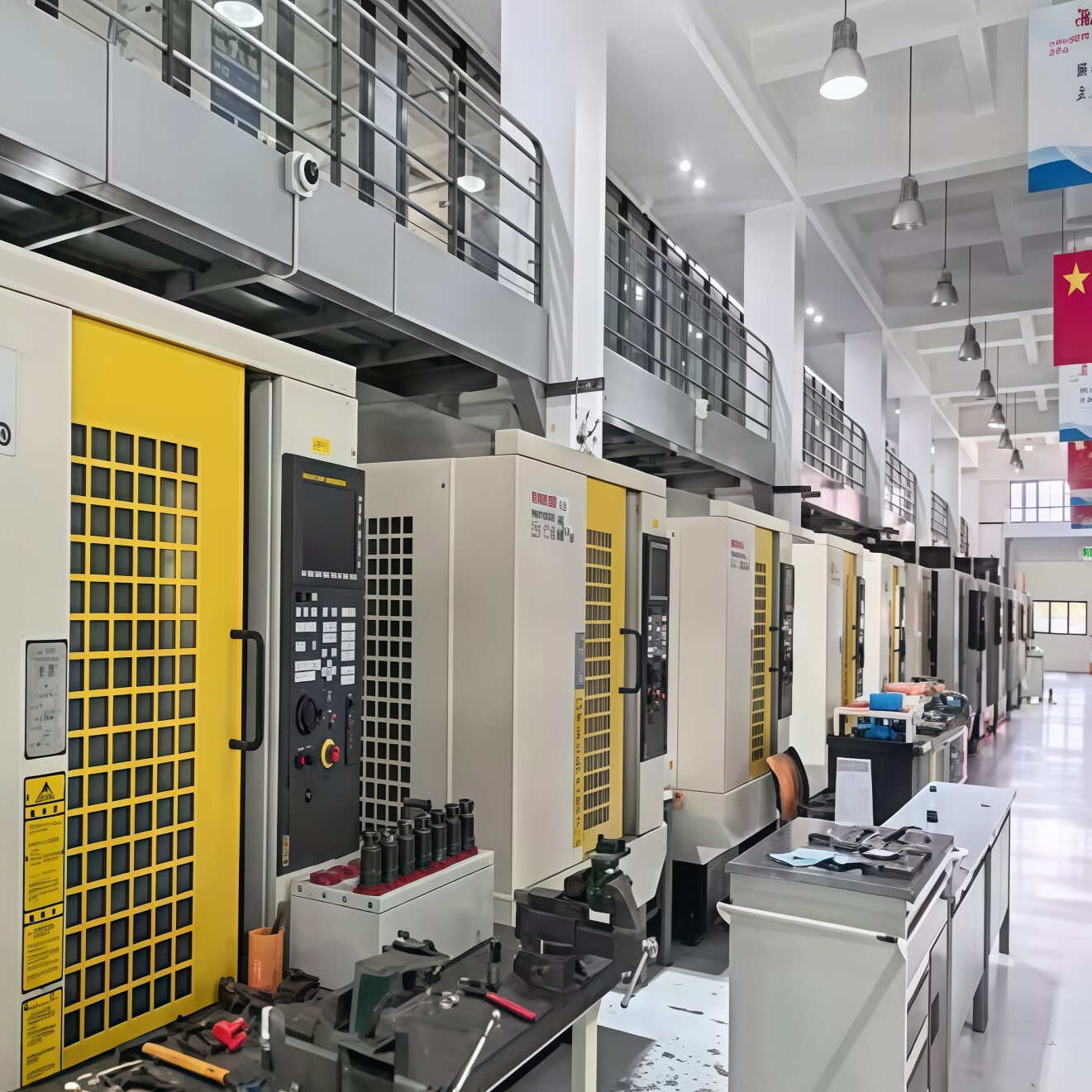
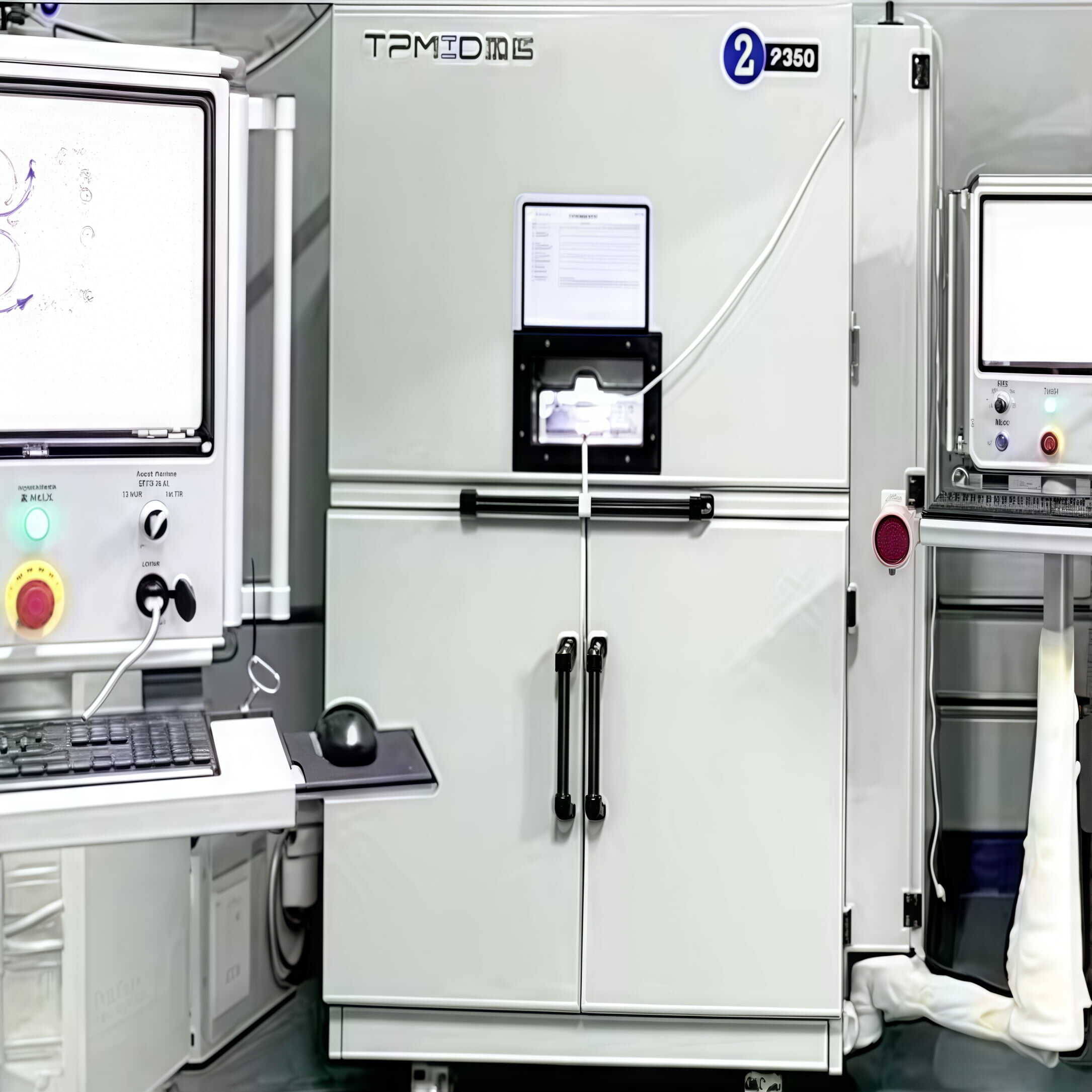
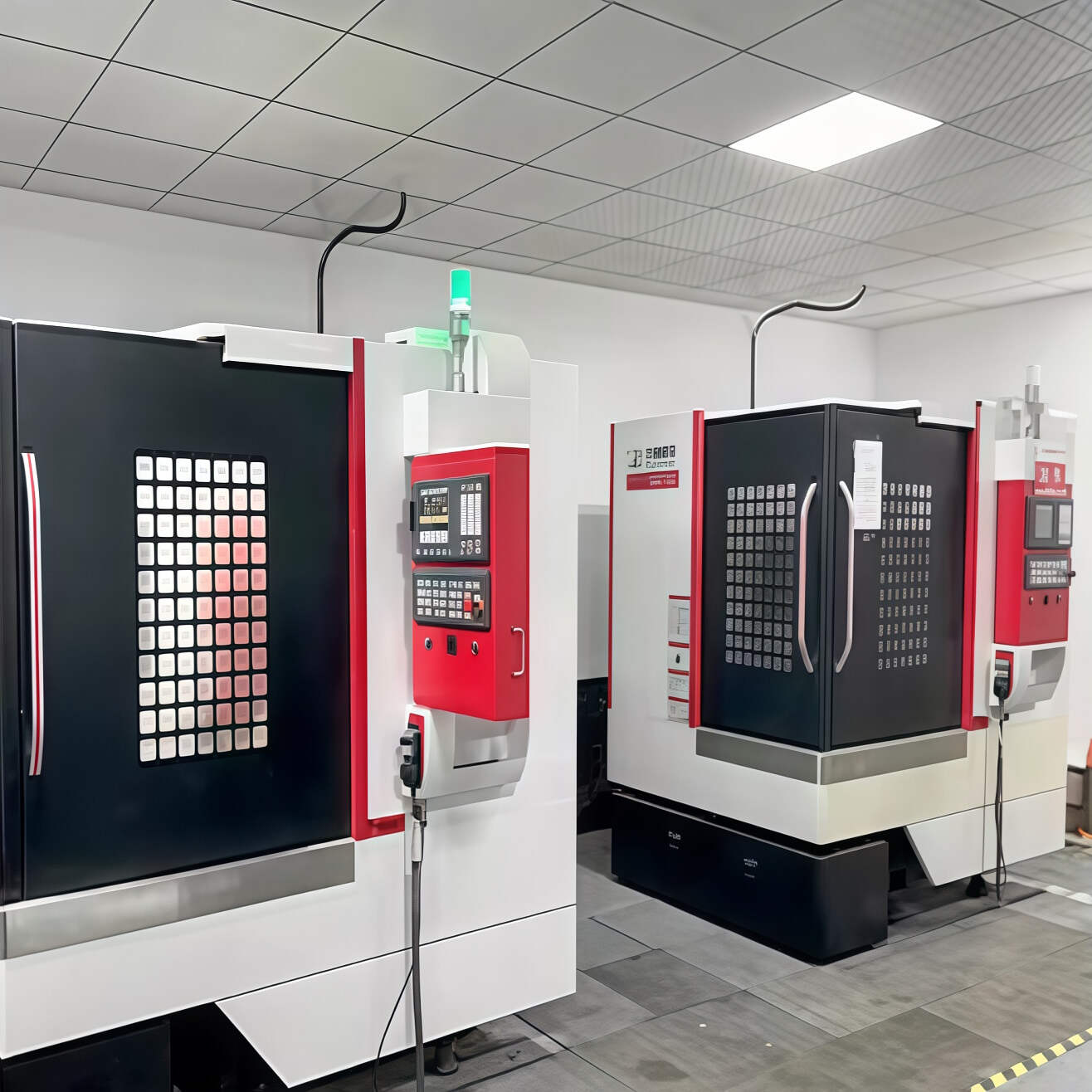
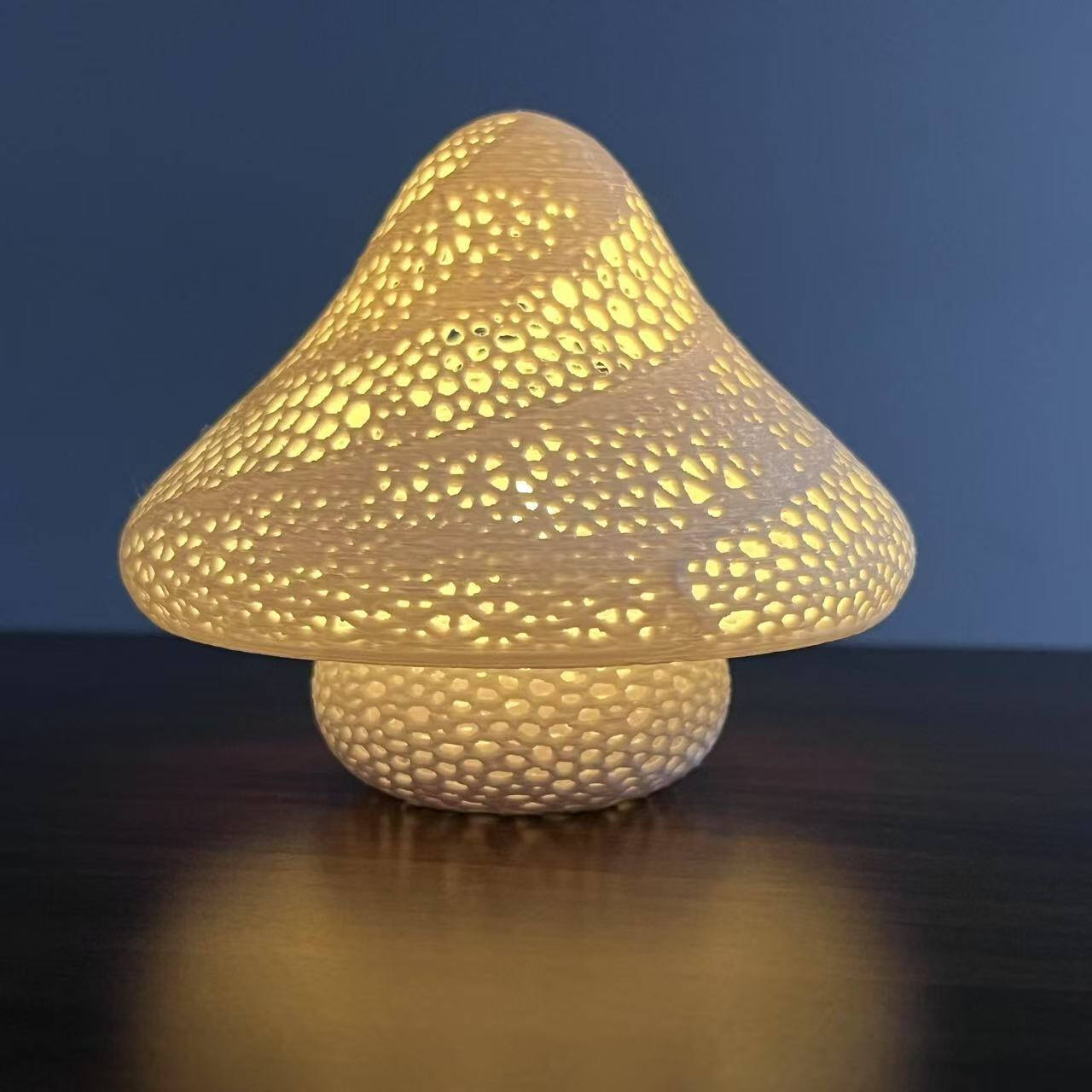
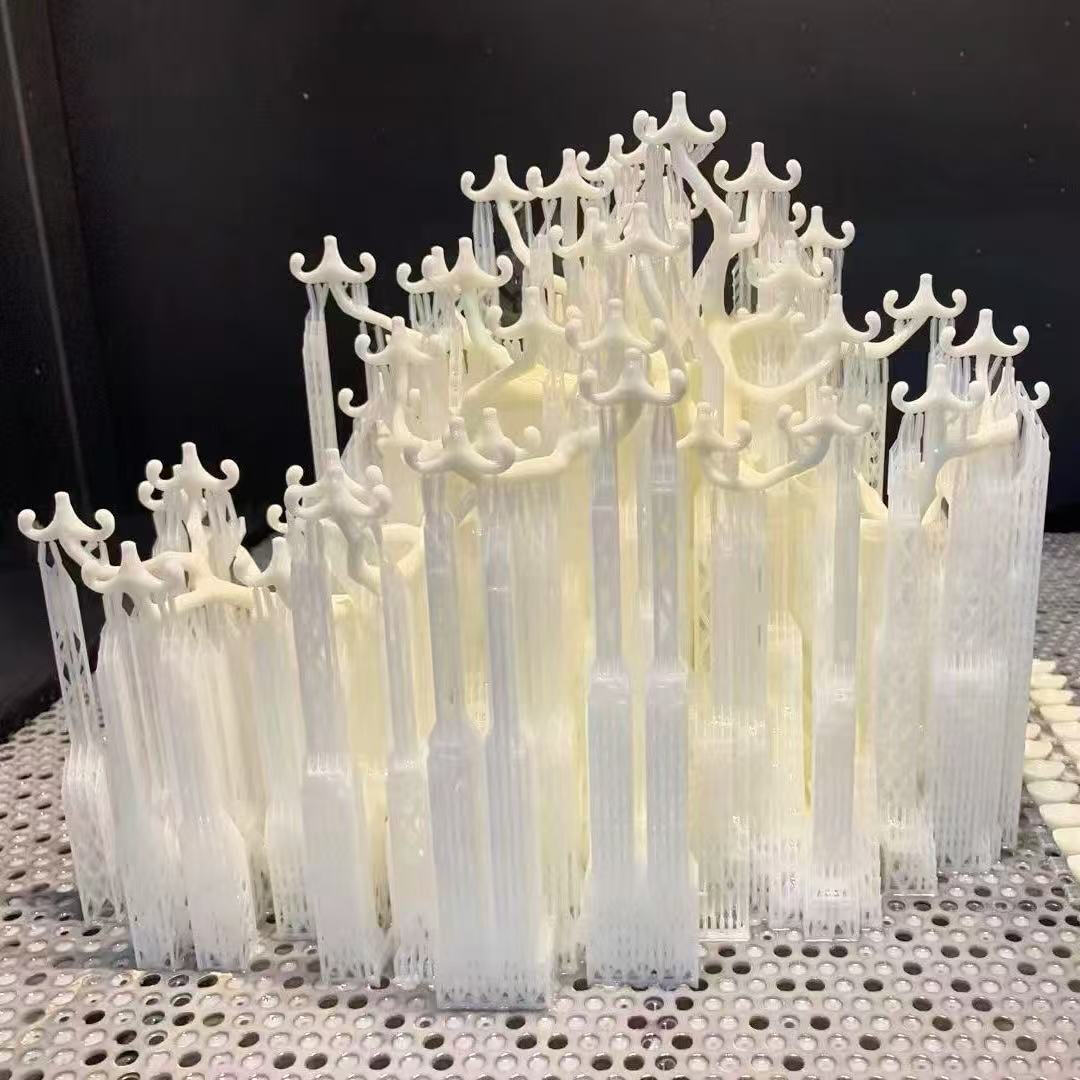
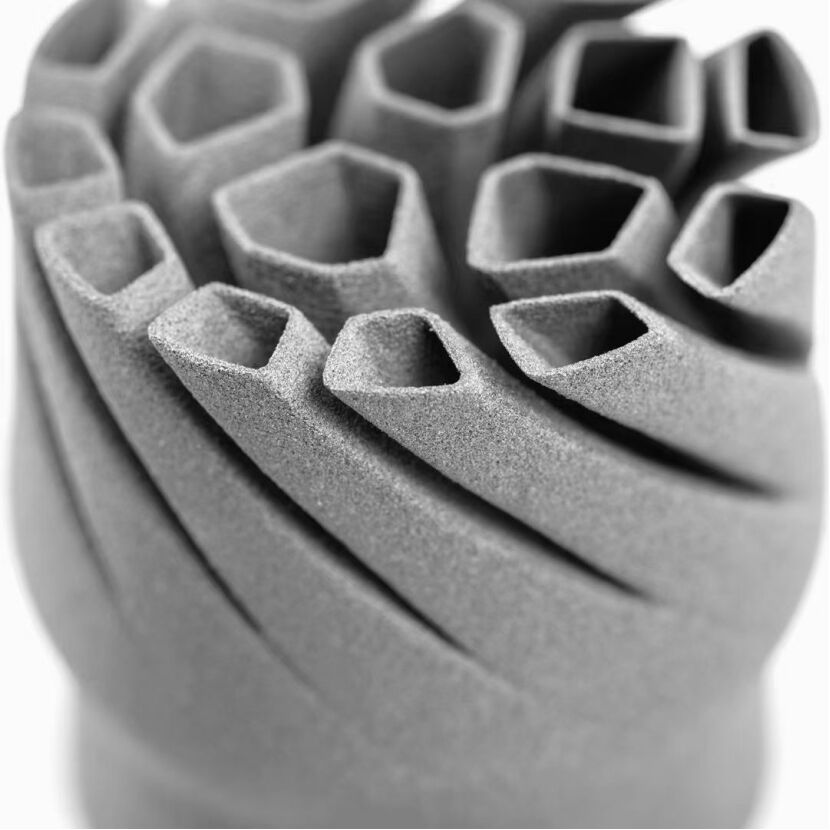
Laser sintering 3D printer prices represent a significant investment in advanced manufacturing technology, typically ranging from $100,000 to $1,000,000 depending on specifications and capabilities. These industrial-grade machines utilize powerful laser systems to selectively fuse powder materials, layer by layer, creating complex three-dimensional objects with exceptional precision and durability. The price point reflects the sophisticated technology incorporated, including high-power lasers, precise thermal control systems, and advanced powder handling mechanisms. Modern laser sintering printers offer various build volumes, multiple material compatibility, and automated features that enhance productivity. The price structure often correlates with build volume capacity, laser power, and scanning speed capabilities. Entry-level industrial systems start around $100,000, while advanced systems with larger build volumes and higher throughput capabilities can exceed $500,000. Additional factors influencing price include software integration capabilities, powder recycling systems, and post-processing equipment. These systems are particularly valued in aerospace, automotive, and medical industries where the ability to produce complex geometries and functional prototypes justifies the investment.


Popular Products

The investment in laser sintering 3D printer technology, despite its premium price point, offers numerous compelling advantages that justify the cost for many organizations. First, these systems enable the production of complex geometries that would be impossible or prohibitively expensive to manufacture using traditional methods. The technology allows for the creation of intricate internal structures, consolidated parts, and optimized designs that can significantly reduce weight while maintaining structural integrity. The ability to produce parts without tooling eliminates costly mold creation and storage, making small-batch production economically viable. Furthermore, the technology supports rapid prototyping and iteration, accelerating product development cycles and reducing time-to-market. Material versatility is another key advantage, as these systems can process a wide range of materials including various polymers, metals, and composites. The high accuracy and repeatability ensure consistent part quality, crucial for regulated industries like aerospace and medical device manufacturing. From an operational perspective, the automated nature of laser sintering systems reduces labor costs and human error. The technology also enables on-demand production, reducing inventory costs and improving supply chain efficiency. These advantages often result in a positive return on investment through reduced manufacturing costs, improved product performance, and increased market responsiveness.

Practical Tips

Unlocking the Potential of SLS 3D Printing: The Role of PA12 and PA12+GF30 in Advanced Manufacturing

19

Jun

Unlocking the Potential of SLS 3D Printing: The Role of PA12 and PA12+GF30 in Advanced Manufacturing

View More
3D Printing Empowers Embodied AI: Reshaping the Paradigm of Customized, Small-Batch Production for Humanoid Robots

19

Jun

3D Printing Empowers Embodied AI: Reshaping the Paradigm of Customized, Small-Batch Production for Humanoid Robots

View More
3D Printing & Rapid Prototyping: Transforming Small-Batch, Customized Production

19

Jun

3D Printing & Rapid Prototyping: Transforming Small-Batch, Customized Production

View More

Get a Free Quote

Our representative will contact you soon.
Email
Name
Company Name
Message
0/1000

laser sintering 3d printer price

Cost-Effective Production Scaling

Cost-Effective Production Scaling

Laser sintering 3D printer pricing structures enable remarkable cost-effectiveness in production scaling. Unlike traditional manufacturing methods that require significant tooling investments for each design iteration, the initial printer investment allows for unlimited design flexibility without additional tooling costs. This becomes particularly advantageous when producing complex parts in small to medium batch sizes. The technology eliminates the need for minimum order quantities, enabling just-in-time production that reduces inventory costs and storage requirements. The ability to nest multiple parts in a single build maximizes machine utilization and reduces per-part costs. Additionally, the high degree of automation reduces labor costs and minimizes human error, further contributing to cost efficiency in long-term operations.
Advanced Material Processing Capabilities

Advanced Material Processing Capabilities

The price point of laser sintering systems reflects their sophisticated material processing capabilities. These machines can process a wide range of materials including engineering-grade polymers, metals, and composites, offering exceptional mechanical properties and surface finishes. The technology enables precise control over material parameters, ensuring consistent part quality and properties. Advanced thermal management systems maintain optimal processing conditions throughout the build chamber, preventing warpage and ensuring dimensional accuracy. The ability to recycle unused powder material significantly reduces waste and operating costs, while integrated quality control systems monitor and adjust processing parameters in real-time to maintain optimal build conditions.
Industry-Leading Build Quality and Precision

Industry-Leading Build Quality and Precision

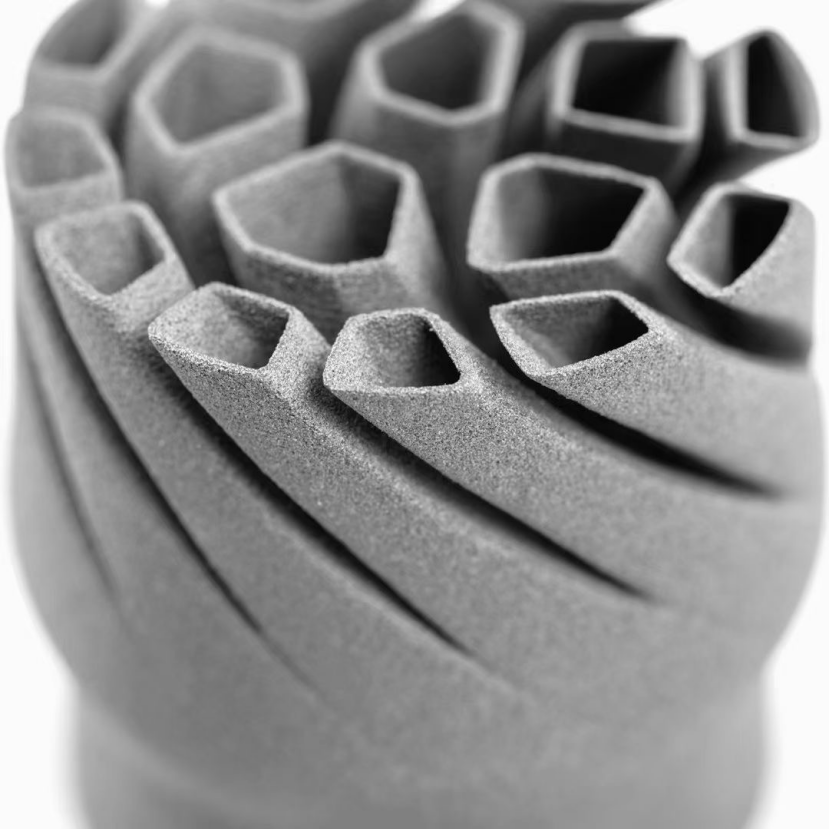
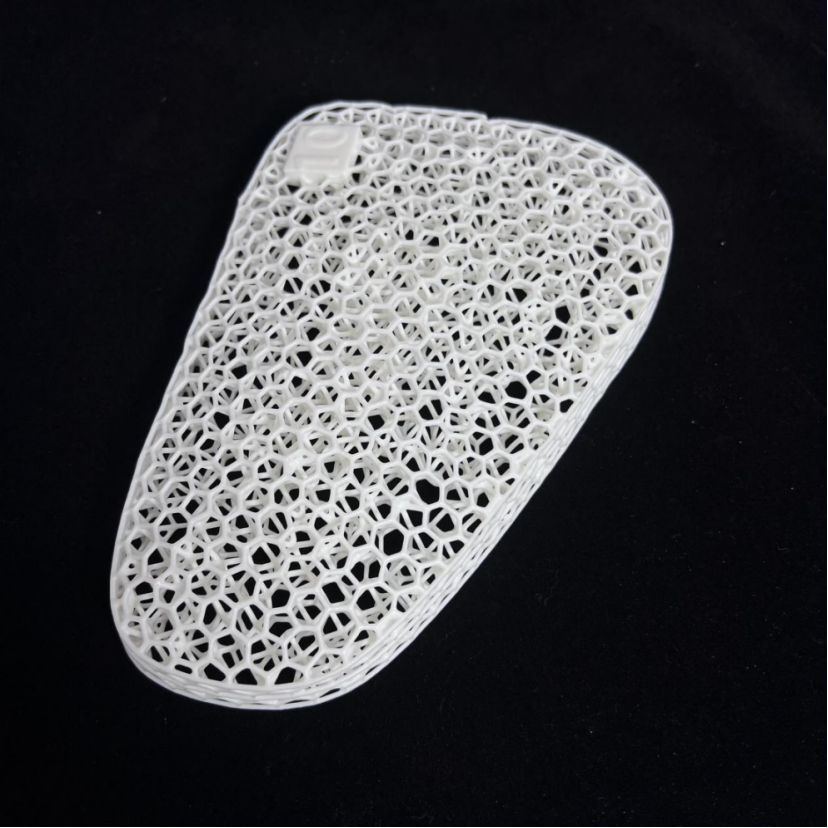
The investment in laser sintering technology delivers industry-leading build quality and precision that justifies the price point. These systems achieve exceptional dimensional accuracy, typically within ±0.1mm, making them suitable for the most demanding applications. The layer-by-layer building process, combined with precise laser control, enables the creation of complex internal features and geometries impossible with traditional manufacturing methods. Advanced scanning systems ensure uniform energy distribution across the build area, resulting in consistent material properties throughout the part. The technology also supports the production of fully dense parts with mechanical properties comparable to or exceeding those of traditionally manufactured components.

Get a Free Quote

Our representative will contact you soon.
Email
Name
Company Name
Message
0/1000