Metal 3D Printing Sintering: Advanced Manufacturing Technology for Complex Metal Components

All Categories

Get a Free Quote

Our representative will contact you soon.
Email
Name
Company Name
Message
0/1000

metal 3d printing sintering

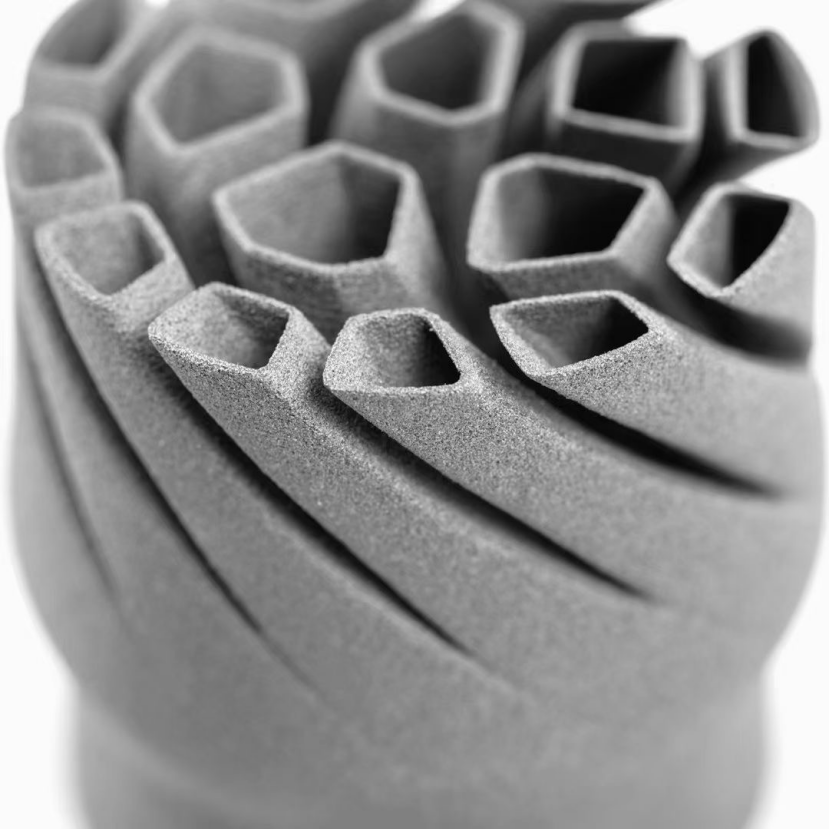
Metal 3D printing sintering, also known as selective laser sintering (SLS) for metals, represents a groundbreaking advancement in additive manufacturing technology. This process involves using high-powered lasers to selectively fuse metal powder particles layer by layer, creating complex three-dimensional objects from digital designs. The sintering process occurs in a controlled environment where metal powder is heated to just below its melting point, causing the particles to bond together at a molecular level. This technology enables the production of intricate geometries that would be impossible or prohibitively expensive to manufacture using traditional methods. The process begins with a CAD model being sliced into thin layers, which guides the laser's path as it systematically fuses the metal powder. Each layer is typically between 20 to 100 microns thick, allowing for exceptional precision in the final product. The technology finds extensive applications in aerospace, automotive, medical, and industrial sectors, where complex metal parts with high performance requirements are essential. The process can work with various metals including titanium, aluminum, stainless steel, and nickel alloys, making it versatile for different industry needs.


New Product Releases

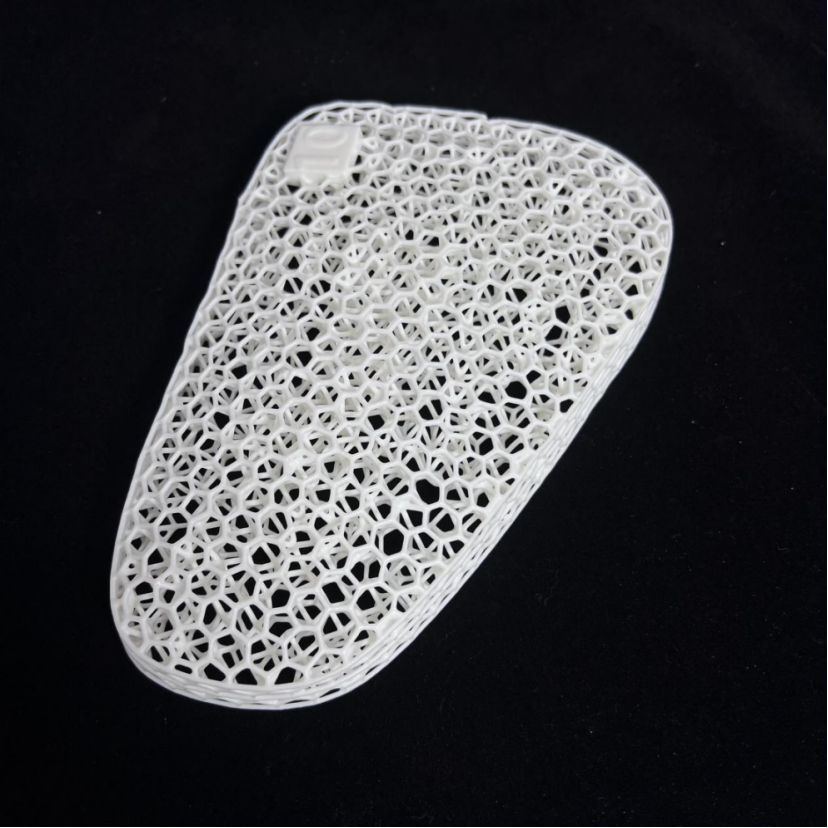
Metal 3D printing sintering offers numerous compelling advantages that revolutionize manufacturing capabilities. First, it enables the creation of highly complex geometries that would be impossible to achieve through traditional manufacturing methods. This includes internal channels, lattice structures, and optimized topologies that can significantly improve product performance while reducing weight. The technology also allows for part consolidation, where multiple components can be combined into a single printed piece, reducing assembly requirements and potential failure points. Cost efficiency is another significant advantage, particularly for small to medium production runs, as it eliminates the need for expensive tooling and molds. The process generates minimal material waste compared to subtractive manufacturing methods, as unused powder can be recycled for future prints. Additionally, the technology offers remarkable design flexibility, allowing for rapid prototyping and design iterations without significant cost penalties. The ability to produce parts on-demand reduces inventory costs and lead times, while also enabling mass customization at scale. Quality control is enhanced through digital consistency, ensuring each part meets exact specifications. The process also allows for the creation of lightweight yet strong structures through advanced design optimization, particularly beneficial in aerospace and automotive applications. Furthermore, the technology enables local manufacturing, reducing supply chain dependencies and transportation costs.

Practical Tips

Unlocking the Potential of SLS 3D Printing: The Role of PA12 and PA12+GF30 in Advanced Manufacturing

19

Jun

Unlocking the Potential of SLS 3D Printing: The Role of PA12 and PA12+GF30 in Advanced Manufacturing

View More
3D Printing Empowers Embodied AI: Reshaping the Paradigm of Customized, Small-Batch Production for Humanoid Robots

19

Jun

3D Printing Empowers Embodied AI: Reshaping the Paradigm of Customized, Small-Batch Production for Humanoid Robots

View More
3D Printing & Rapid Prototyping: Transforming Small-Batch, Customized Production

19

Jun

3D Printing & Rapid Prototyping: Transforming Small-Batch, Customized Production

View More

Get a Free Quote

Our representative will contact you soon.
Email
Name
Company Name
Message
0/1000

metal 3d printing sintering

Superior Material Properties and Performance

Superior Material Properties and Performance

Metal 3D printing sintering produces parts with exceptional mechanical properties, often matching or exceeding those of traditionally manufactured components. The layer-by-layer fusion process creates highly dense structures with minimal porosity, resulting in excellent strength-to-weight ratios. The controlled sintering environment ensures consistent material properties throughout the part, while the precise thermal control during the process allows for optimal grain structure development. This results in superior fatigue resistance and durability compared to cast or machined parts. The technology also enables the creation of gradient materials and functionally graded properties within a single component, offering unprecedented design possibilities for specialized applications.
Design Freedom and Geometric Complexity

Design Freedom and Geometric Complexity

One of the most significant advantages of metal 3D printing sintering is the unprecedented design freedom it offers. Engineers can now create components with complex internal structures, conformal cooling channels, and organic shapes that optimize performance while minimizing material usage. This capability enables the design of parts that are perfectly suited to their function, without the constraints of traditional manufacturing methods. The technology allows for the integration of multiple features into a single component, reducing assembly requirements and improving reliability. Additionally, the ability to create lightweight structures through topology optimization leads to significant weight reductions while maintaining structural integrity.
Manufacturing Efficiency and Cost Effectiveness

Manufacturing Efficiency and Cost Effectiveness

Metal 3D printing sintering transforms the manufacturing landscape by offering significant improvements in production efficiency and cost effectiveness. The technology eliminates the need for expensive tooling and molds, making it particularly economical for low to medium volume production runs. The digital nature of the process ensures consistent quality across production batches and enables rapid design iterations without additional tooling costs. The ability to produce parts on-demand reduces inventory costs and improves supply chain flexibility. Moreover, the process minimizes material waste as unused powder can be recycled, contributing to both cost savings and environmental sustainability.

Get a Free Quote

Our representative will contact you soon.
Email
Name
Company Name
Message
0/1000