Laser Sintering 3D Printing: Advanced Manufacturing Solution for Complex, Functional Parts

All Categories

Get a Free Quote

Our representative will contact you soon.
Email
Name
Company Name
Message
0/1000

laser sintering 3d printing

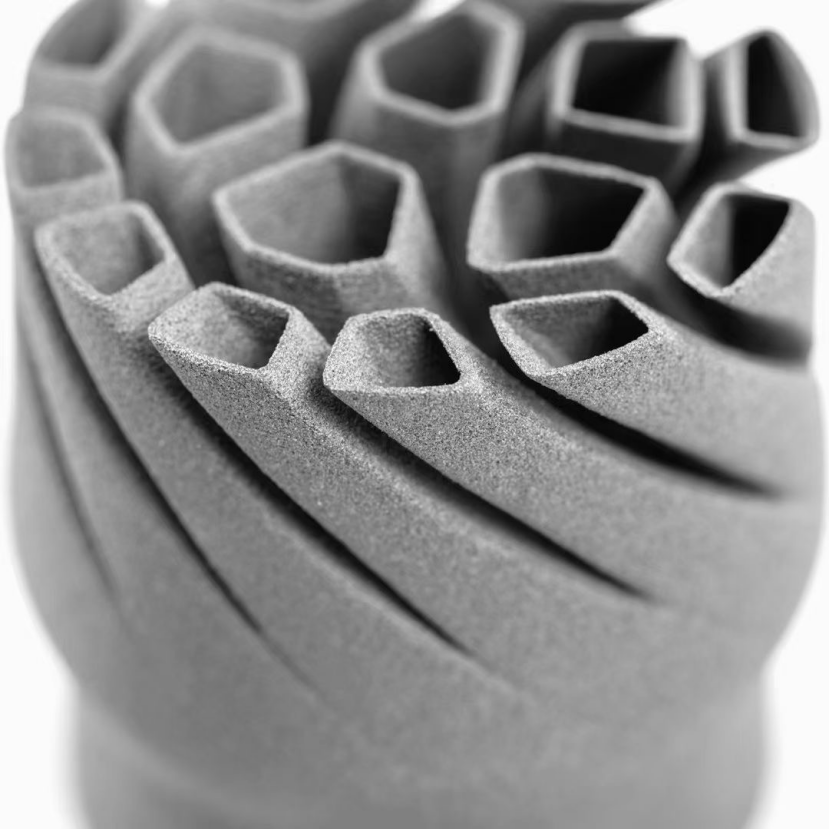
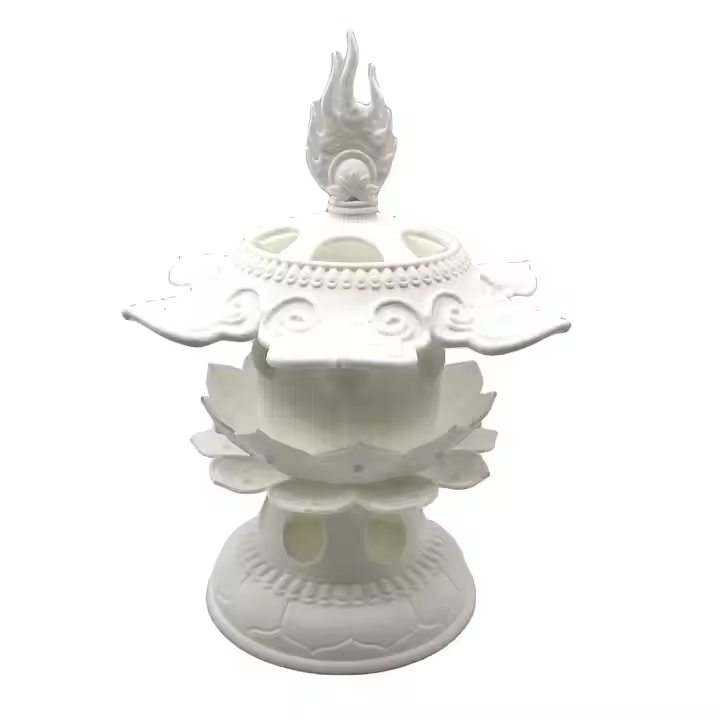
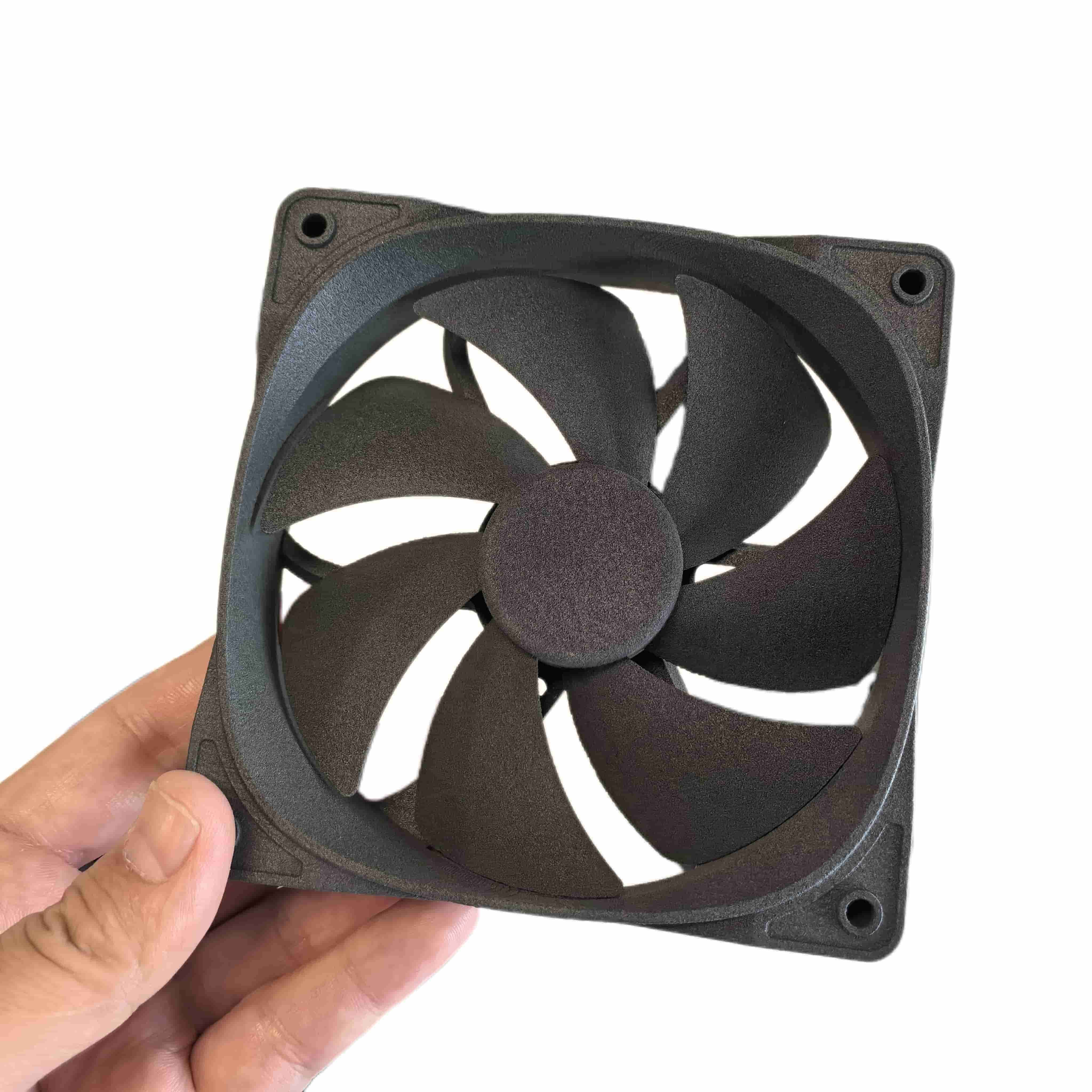
Laser sintering 3D printing, also known as Selective Laser Sintering (SLS), represents a groundbreaking additive manufacturing technology that uses high-powered lasers to fuse powdered materials into solid objects. This advanced process begins with a bed of fine powder material, typically nylon or other thermoplastics, where a powerful laser beam selectively fuses the particles according to the digital design data. As each layer is completed, the build platform lowers incrementally, and a new layer of powder is spread across the surface, allowing the process to continue layer by layer until the final object emerges. The technology stands out for its ability to produce complex geometries without requiring support structures, as the unfused powder naturally supports the part during printing. One of the most remarkable aspects of laser sintering is its capacity to create fully functional, end-use parts with excellent mechanical properties. The technology enables the production of both prototypes and final products, making it particularly valuable across industries such as aerospace, automotive, and medical device manufacturing. The process allows for the creation of intricate internal structures and complex assemblies that would be impossible to manufacture using traditional methods. With its high accuracy and ability to maintain consistent quality across production runs, laser sintering has become an indispensable tool in modern manufacturing.


New Product Releases

Laser sintering 3D printing offers numerous compelling advantages that set it apart in the additive manufacturing landscape. First and foremost, the technology enables unparalleled design freedom, allowing engineers and designers to create complex geometries that would be impossible or prohibitively expensive to produce using traditional manufacturing methods. The absence of required support structures means that designers can focus on functionality rather than manufacturing constraints, leading to more efficient and innovative solutions. The technology excels in producing highly durable parts with consistent mechanical properties throughout the entire structure. This uniformity ensures reliable performance in end-use applications, making it ideal for functional prototypes and production parts. Another significant advantage is the ability to nest multiple parts in a single build, maximizing the use of the build volume and reducing production costs. The powder bed process also allows for the creation of assemblies that would typically require multiple parts to be joined together, simplifying production and improving product reliability. The technology supports a wide range of materials, from flexible elastomers to rigid engineering plastics, providing versatility across different applications. Parts produced through laser sintering exhibit excellent chemical resistance and can withstand high temperatures, making them suitable for demanding environments. The process also offers significant cost advantages for small to medium production runs, as it eliminates the need for expensive tooling and molds. Additionally, the digital nature of the process ensures perfect repeatability, allowing for consistent quality across production batches while maintaining the flexibility to modify designs without incurring additional tooling costs.

Practical Tips

Unlocking the Potential of SLS 3D Printing: The Role of PA12 and PA12+GF30 in Advanced Manufacturing

19

Jun

Unlocking the Potential of SLS 3D Printing: The Role of PA12 and PA12+GF30 in Advanced Manufacturing

View More
3D Printing Empowers Embodied AI: Reshaping the Paradigm of Customized, Small-Batch Production for Humanoid Robots

19

Jun

3D Printing Empowers Embodied AI: Reshaping the Paradigm of Customized, Small-Batch Production for Humanoid Robots

View More
3D Printing & Rapid Prototyping: Transforming Small-Batch, Customized Production

19

Jun

3D Printing & Rapid Prototyping: Transforming Small-Batch, Customized Production

View More

Get a Free Quote

Our representative will contact you soon.
Email
Name
Company Name
Message
0/1000

laser sintering 3d printing

Superior Material Properties and Performance

Superior Material Properties and Performance

Laser sintering 3D printing stands out for its ability to produce parts with exceptional material properties that rival or exceed those of traditionally manufactured components. The layer-by-layer fusion process creates fully dense parts with isotropic mechanical properties, meaning they exhibit uniform strength in all directions. This characteristic is particularly valuable in applications requiring consistent performance under stress. The technology enables the use of high-performance materials, including engineering-grade thermoplastics and composites, resulting in parts that demonstrate excellent durability, heat resistance, and chemical stability. The sintering process also allows for fine control over material properties, enabling the creation of parts with specific characteristics tailored to their intended application.
Design Freedom and Complexity Without Cost Penalty

Design Freedom and Complexity Without Cost Penalty

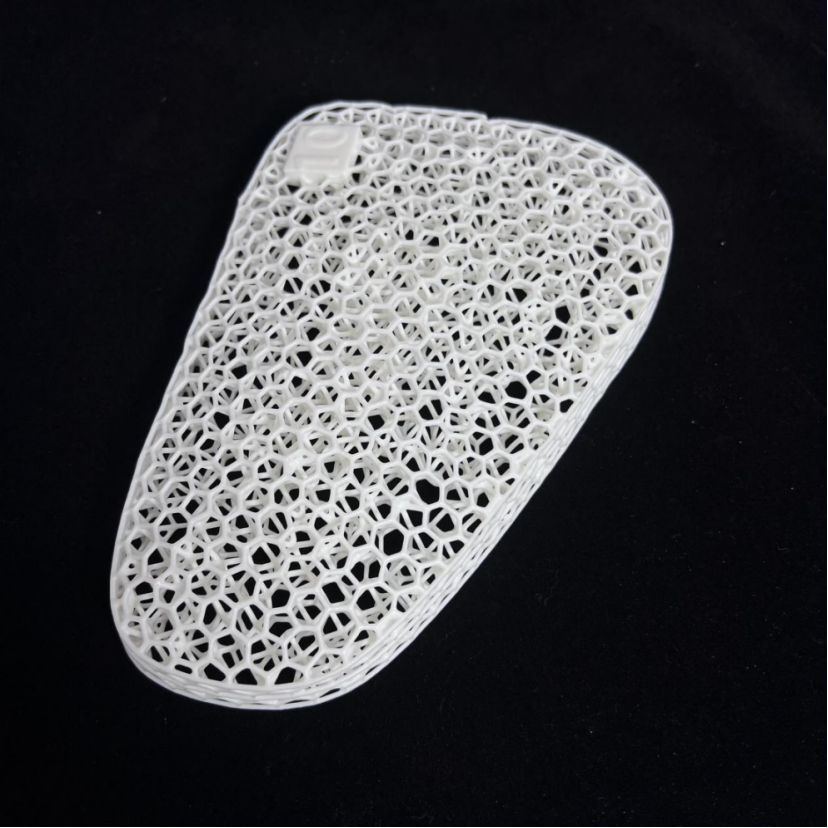
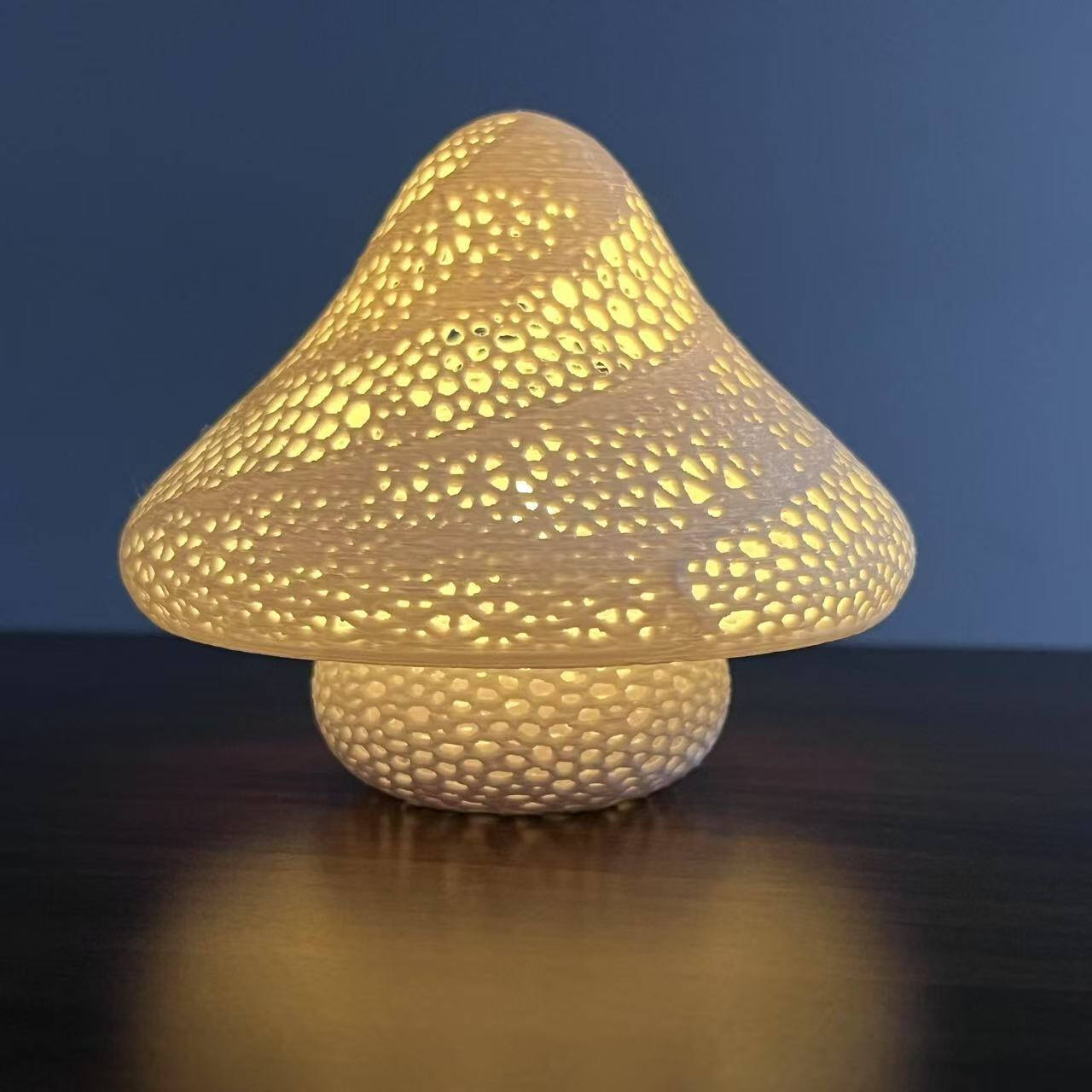
One of the most revolutionary aspects of laser sintering is its ability to produce complex geometries without the traditional cost penalties associated with increased complexity. Unlike conventional manufacturing methods, where more complex designs typically result in higher production costs, laser sintering allows for the creation of intricate structures at no additional expense. This feature enables designers to optimize parts for performance rather than manufacturability, leading to more efficient and innovative solutions. The technology excels in producing internal channels, lattice structures, and organic shapes that would be impossible to create through traditional manufacturing methods. This design freedom extends to the ability to consolidate multiple components into a single part, reducing assembly requirements and improving overall product reliability.
Cost-Effective Production and Scalability

Cost-Effective Production and Scalability

Laser sintering 3D printing offers significant economic advantages, particularly for small to medium production volumes. The technology eliminates the need for expensive tooling and molds, reducing initial investment costs and enabling faster time-to-market. The digital nature of the process allows for immediate design modifications without additional tooling expenses, making it ideal for iterative development and customization. The ability to nest multiple parts in a single build volume maximizes production efficiency and reduces per-part costs. Furthermore, the technology supports just-in-time manufacturing, reducing inventory costs and allowing for more flexible production scheduling. The scalability of laser sintering means that manufacturers can easily adjust production volumes based on demand without incurring significant additional costs.

Get a Free Quote

Our representative will contact you soon.
Email
Name
Company Name
Message
0/1000