Industrial 3D Metal Printing: Advanced Manufacturing Solutions for Complex Metal Components

All Categories

Get a Free Quote

Our representative will contact you soon.
Email
Name
Company Name
Message
0/1000

industrial 3d metal printing

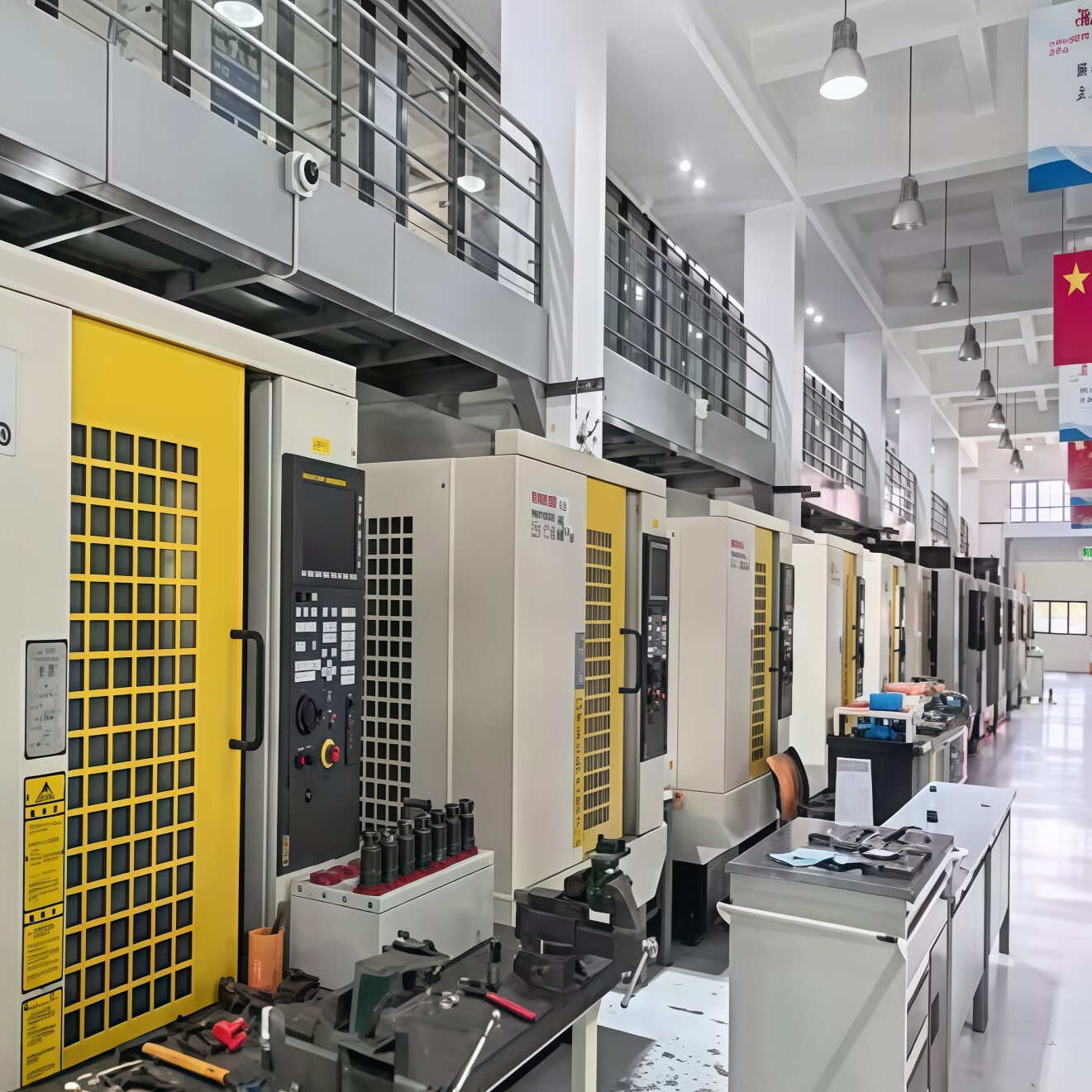
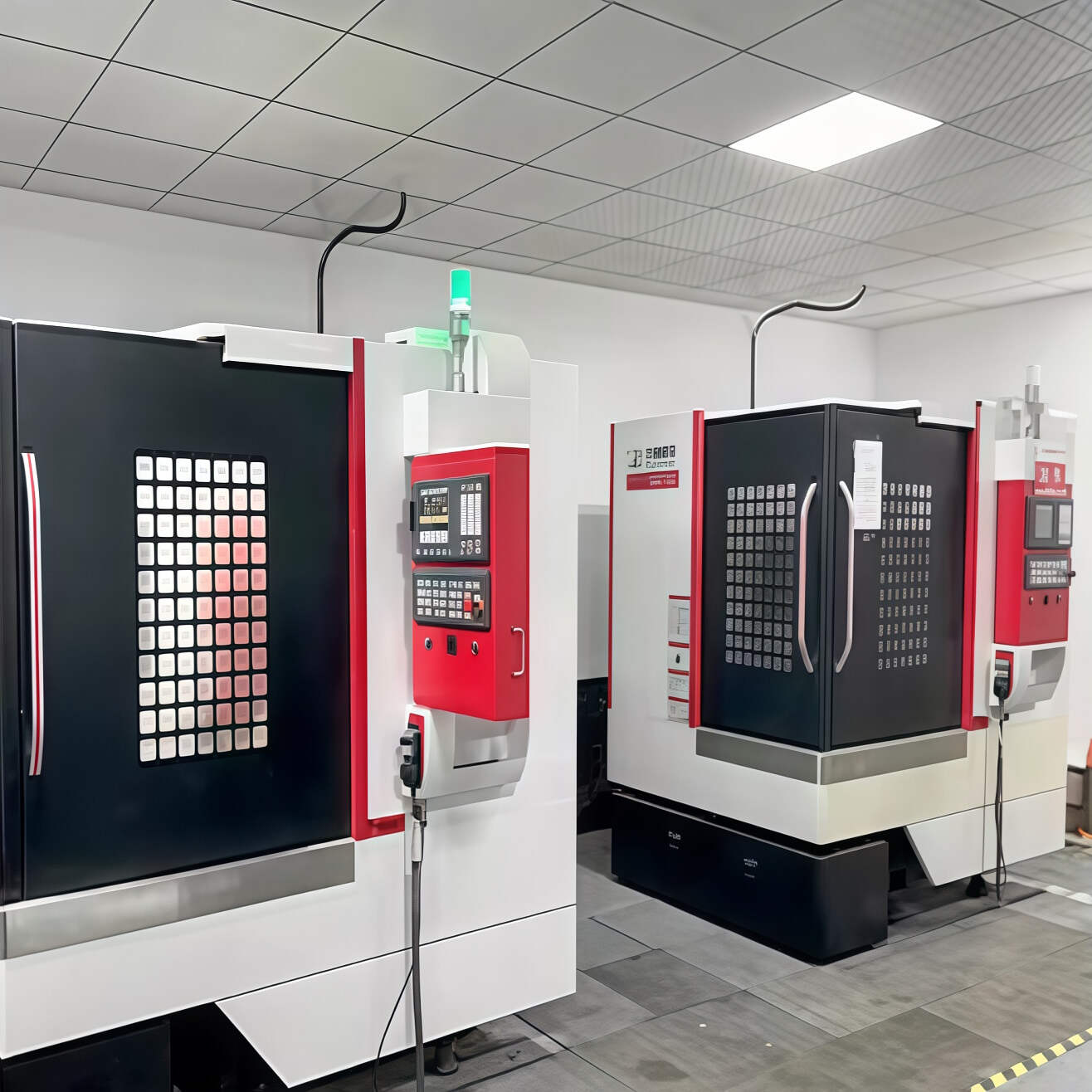
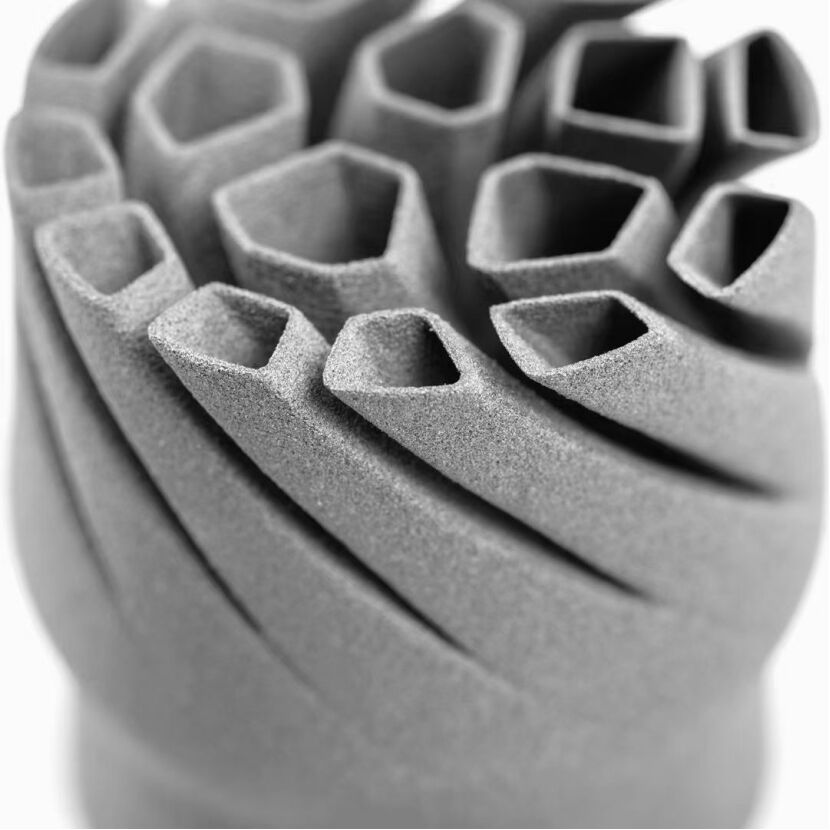
Industrial 3D metal printing, also known as metal additive manufacturing, represents a groundbreaking advancement in manufacturing technology. This innovative process creates three-dimensional metal objects by depositing material layer by layer using digital models as blueprints. The technology employs various methods, including Direct Metal Laser Sintering (DMLS), Selective Laser Melting (SLM), and Electron Beam Melting (EBM), each offering unique capabilities for different applications. The process begins with metal powder or wire feedstock, which is systematically melted and fused using high-powered lasers or electron beams. This precise layering technique allows for the creation of complex geometries that would be impossible or prohibitively expensive to produce using traditional manufacturing methods. Industrial 3D metal printing has found applications across numerous sectors, including aerospace, automotive, medical devices, and tooling industries. The technology excels in producing lightweight yet strong components, custom medical implants, complex heat exchangers, and specialized tooling solutions. Modern systems incorporate advanced monitoring systems, ensuring quality control throughout the printing process, while sophisticated software enables design optimization for additive manufacturing.


New Product Recommendations

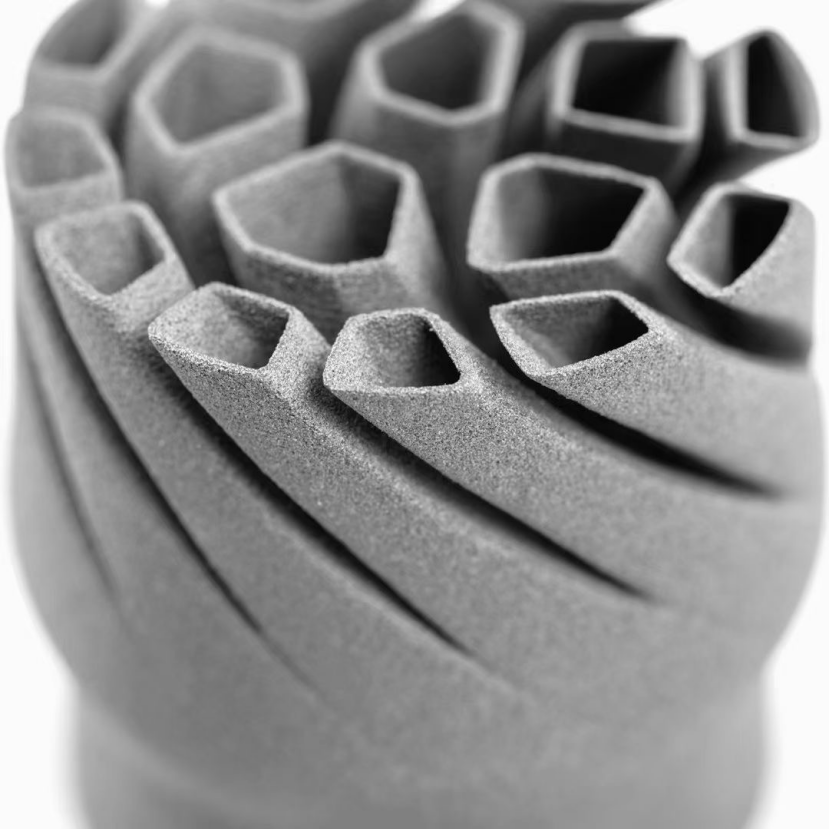
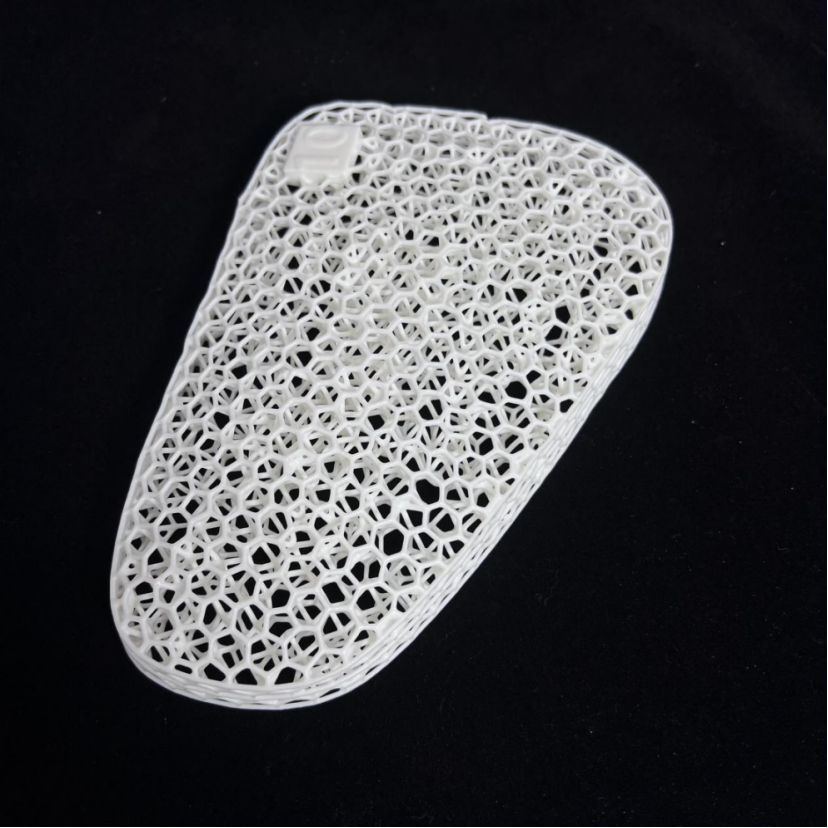
Industrial 3D metal printing offers numerous compelling advantages that revolutionize manufacturing capabilities. First, it enables unprecedented design freedom, allowing engineers to create complex geometries, internal channels, and lattice structures that optimize component performance while reducing weight. This design flexibility leads to improved product functionality and enhanced material efficiency. The technology significantly reduces lead times compared to traditional manufacturing methods, enabling rapid prototyping and faster time-to-market for new products. By eliminating the need for tooling and reducing setup times, it proves particularly valuable for low-volume production and customized parts. Cost efficiency is achieved through reduced material waste, as the additive process only uses the material needed for the final part. The technology also enables on-demand manufacturing, reducing inventory costs and warehouse space requirements. Quality assurance is enhanced through integrated monitoring systems that ensure consistency and reliability in the production process. The ability to consolidate multiple components into single parts reduces assembly requirements and potential failure points. Environmental benefits include reduced carbon footprint through optimized material usage and the ability to produce parts closer to the point of use, reducing transportation needs. The technology also supports the repair and remanufacturing of existing components, extending product lifecycles and reducing waste.

Practical Tips

Unlocking the Potential of SLS 3D Printing: The Role of PA12 and PA12+GF30 in Advanced Manufacturing

19

Jun

Unlocking the Potential of SLS 3D Printing: The Role of PA12 and PA12+GF30 in Advanced Manufacturing

View More
3D Printing Empowers Embodied AI: Reshaping the Paradigm of Customized, Small-Batch Production for Humanoid Robots

19

Jun

3D Printing Empowers Embodied AI: Reshaping the Paradigm of Customized, Small-Batch Production for Humanoid Robots

View More
3D Printing & Rapid Prototyping: Transforming Small-Batch, Customized Production

19

Jun

3D Printing & Rapid Prototyping: Transforming Small-Batch, Customized Production

View More

Get a Free Quote

Our representative will contact you soon.
Email
Name
Company Name
Message
0/1000

industrial 3d metal printing

Advanced Material Capabilities

Advanced Material Capabilities

Industrial 3D metal printing showcases exceptional versatility in material processing, supporting a wide range of metals and alloys including titanium, aluminum, stainless steel, and nickel-based superalloys. This technology enables the creation of parts with superior mechanical properties through precise control of the microstructure during the building process. The ability to work with such diverse materials opens up new possibilities in various industries, particularly in aerospace and medical applications where specific material properties are crucial. Advanced parameter control allows for optimization of material properties, resulting in parts with excellent strength-to-weight ratios, enhanced heat resistance, and improved durability. The technology also enables the development of custom alloy compositions tailored to specific applications.
Precision and Quality Control

Precision and Quality Control

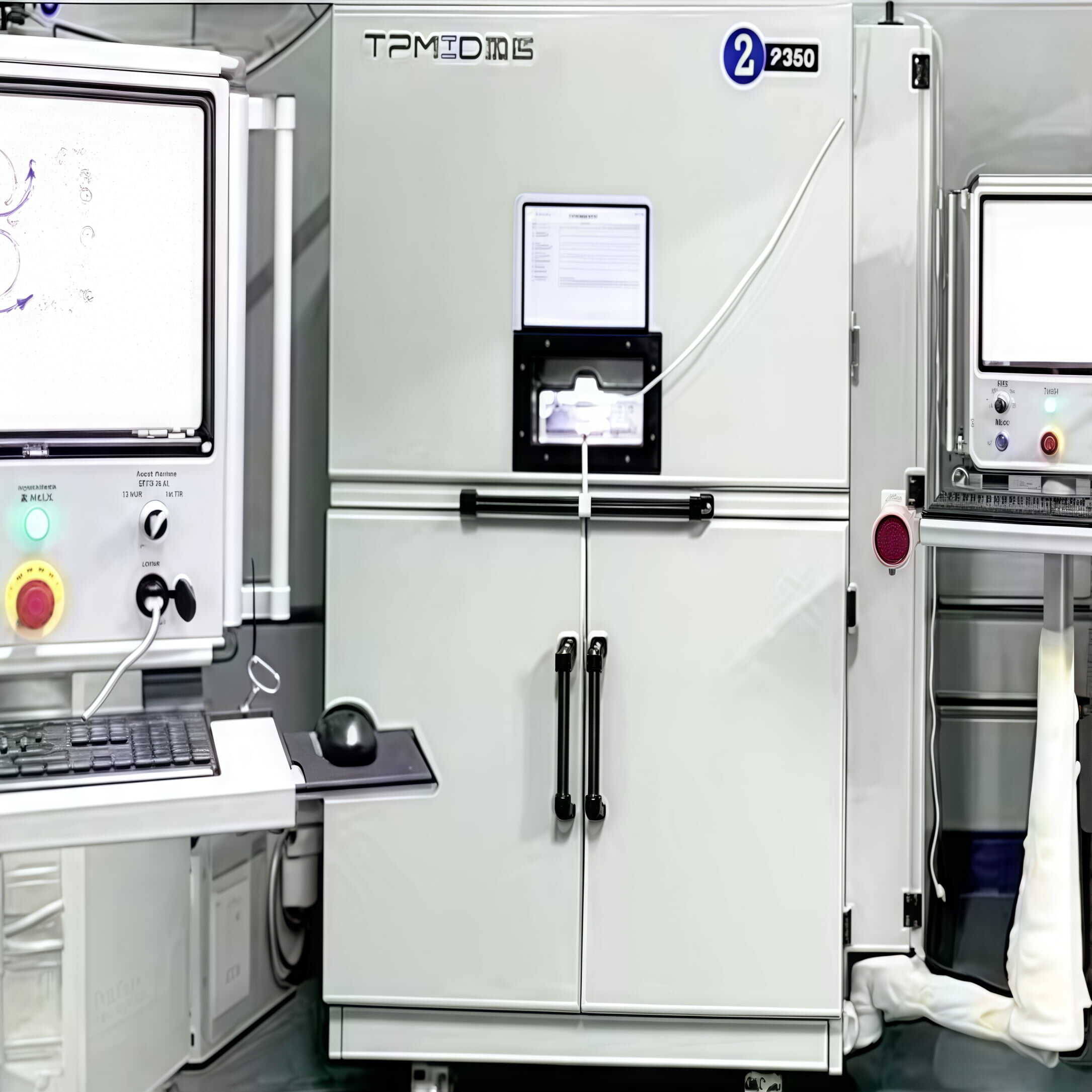
The integration of sophisticated monitoring systems and quality control measures ensures exceptional precision in industrial 3D metal printing. Real-time process monitoring using cameras, sensors, and advanced software enables continuous verification of build quality. This comprehensive monitoring system tracks crucial parameters such as melt pool dynamics, layer uniformity, and thermal conditions throughout the printing process. The technology incorporates closed-loop control systems that can automatically adjust printing parameters to maintain optimal build conditions. These quality control measures result in highly consistent parts with verified mechanical properties and dimensional accuracy.
Cost-Effective Manufacturing Solution

Cost-Effective Manufacturing Solution

Industrial 3D metal printing presents a compelling economic advantage for specialized manufacturing needs. The technology eliminates the requirement for expensive tooling and molds, making it particularly cost-effective for low to medium production volumes and customized parts. The reduction in material waste through the additive process contributes significantly to cost savings, especially when working with expensive metals like titanium. The ability to consolidate multiple components into single parts reduces assembly costs and inventory requirements. Additionally, the technology enables local production capabilities, reducing logistics costs and lead times. The combination of these factors makes industrial 3D metal printing an increasingly attractive option for manufacturers seeking to optimize their production costs while maintaining high quality standards.

Get a Free Quote

Our representative will contact you soon.
Email
Name
Company Name
Message
0/1000