Low Volume Plastic Manufacturing: Precision Solutions for Custom Production Needs

All Categories

Get a Free Quote

Our representative will contact you soon.
Email
Name
Company Name
Message
0/1000

low volume plastic manufacturing

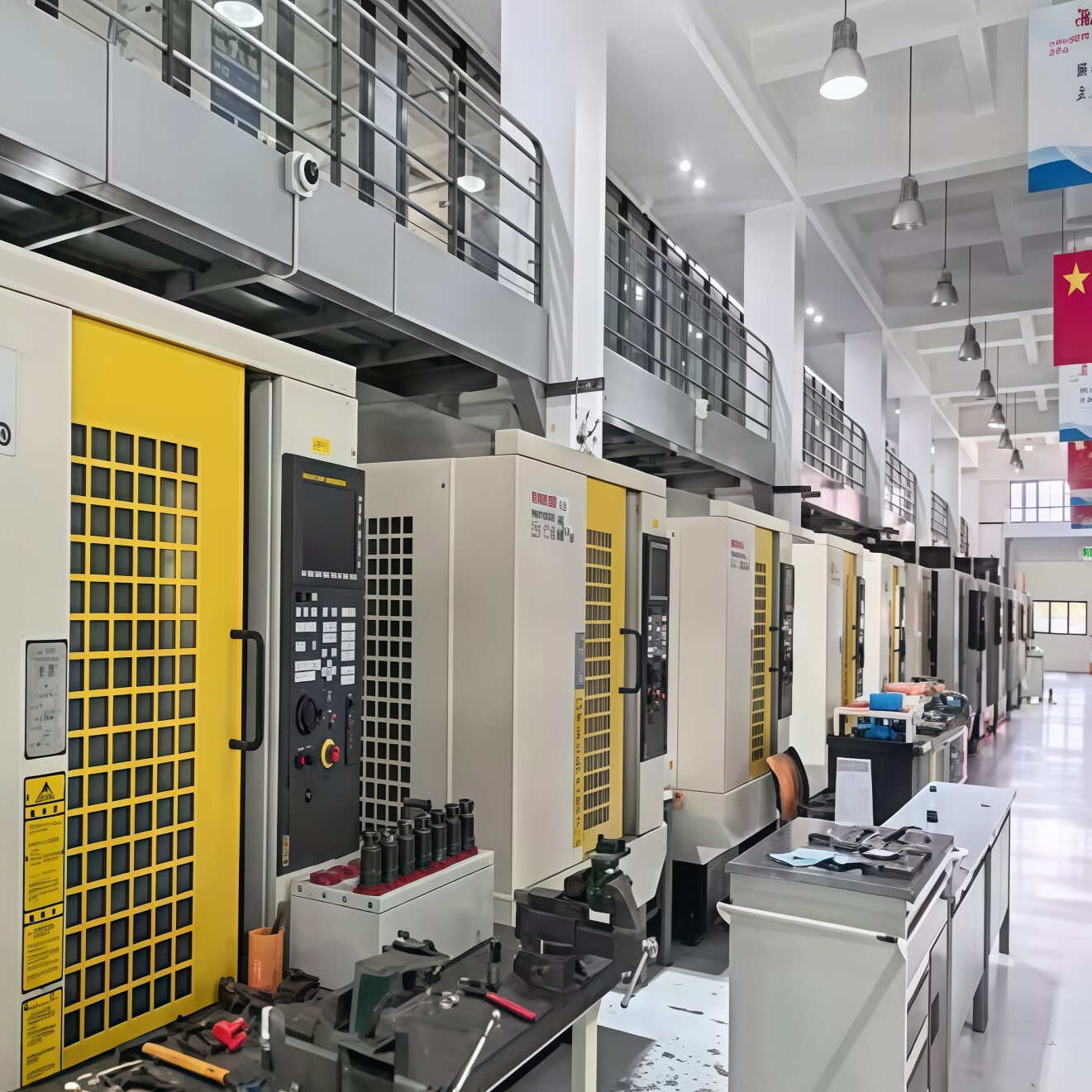
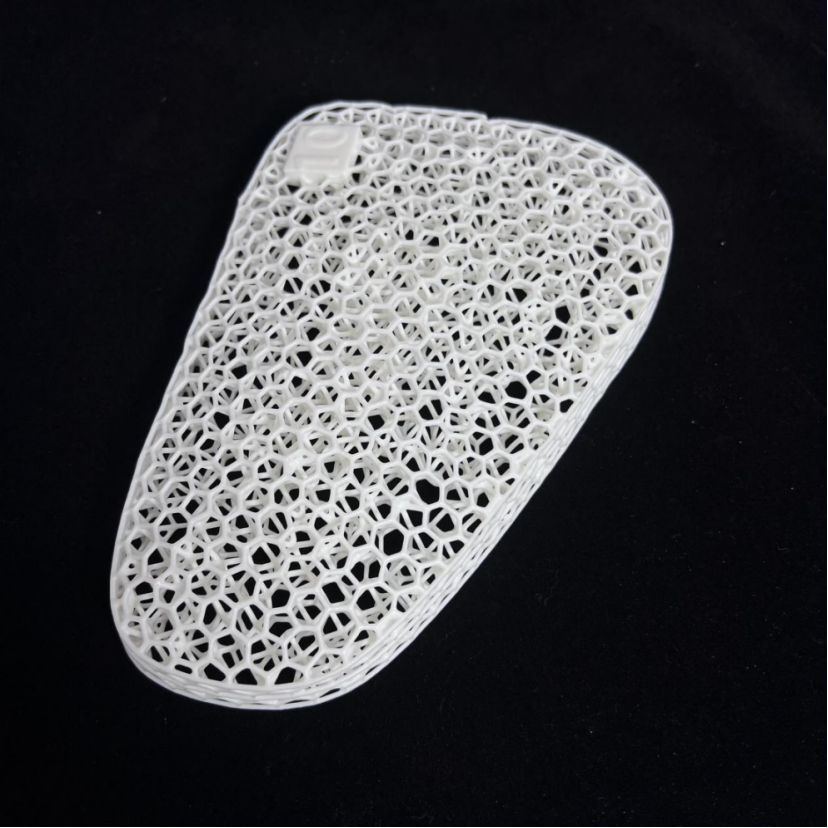
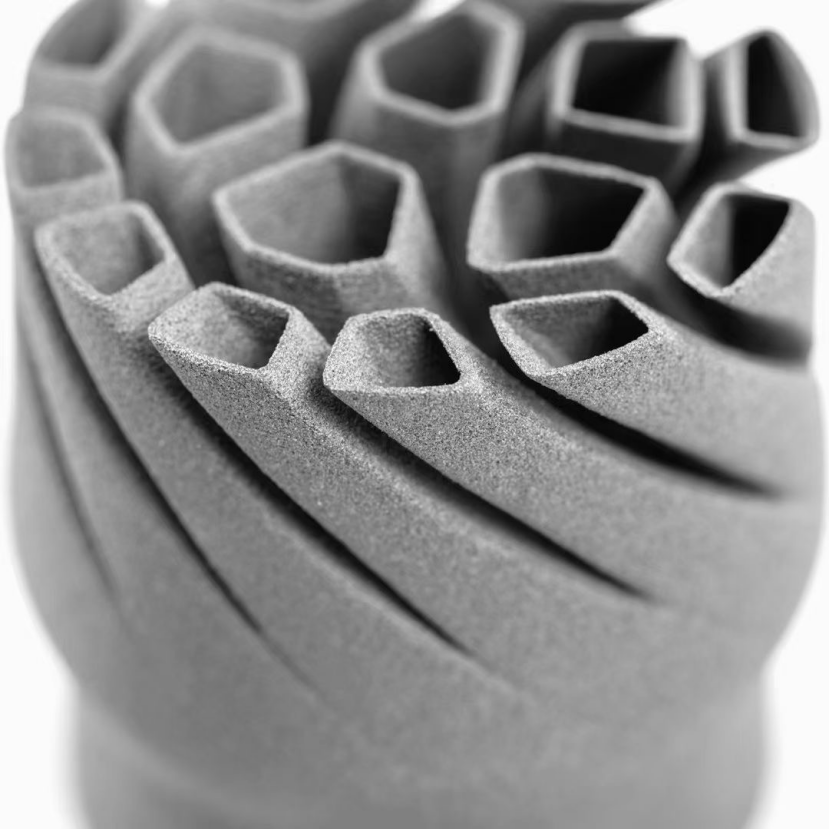
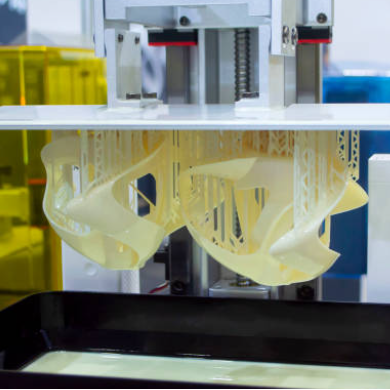
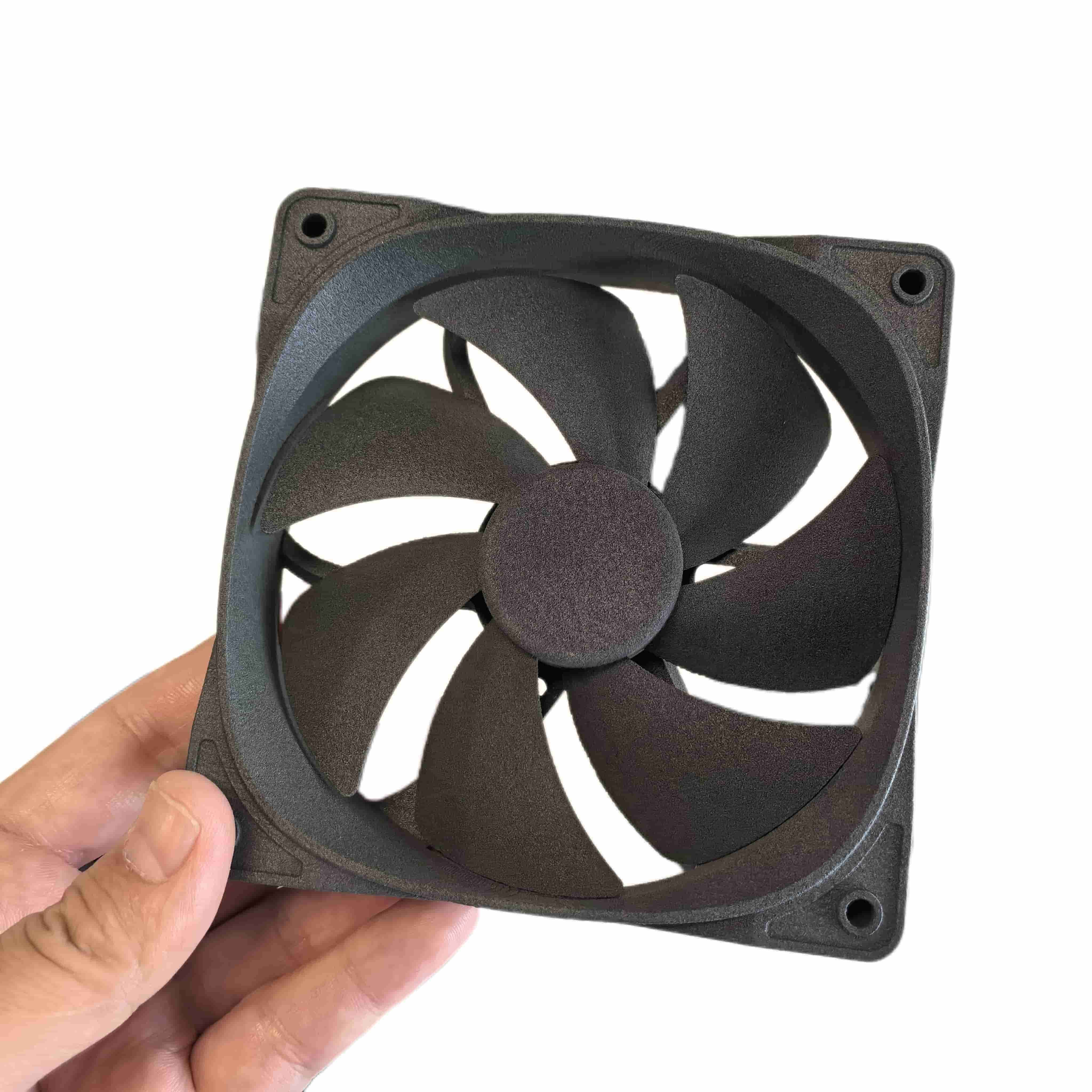
Low volume plastic manufacturing represents a specialized production approach designed for creating smaller quantities of plastic components with high precision and flexibility. This manufacturing method employs advanced technologies such as injection molding, thermoforming, and 3D printing to produce plastic parts in quantities typically ranging from a few dozen to several thousand units. The process utilizes sophisticated CAD/CAM systems and rapid prototyping technologies to ensure accurate production while maintaining cost-effectiveness for smaller batch sizes. This manufacturing approach is particularly valuable for businesses requiring product development, prototype testing, or limited production runs. The technology accommodates various plastic materials, including thermoplastics and engineering-grade polymers, allowing for diverse applications across multiple industries. The process incorporates quality control measures at every stage, from material selection to final inspection, ensuring consistent product quality. Low volume plastic manufacturing proves especially beneficial in sectors such as medical device manufacturing, automotive parts production, consumer electronics, and custom product development where precision and flexibility are paramount. The methodology allows for quick design iterations and modifications, making it ideal for product testing and market validation phases.


New Product Recommendations

Low volume plastic manufacturing offers numerous compelling advantages that make it an attractive option for businesses across various sectors. First, it provides significant cost benefits by eliminating the need for expensive tooling and large minimum order quantities typically associated with traditional mass production methods. This approach allows companies to test market response with minimal financial risk. The flexibility in production scheduling enables quick response to market demands and easy implementation of design modifications without substantial additional costs. Another key advantage is the reduced inventory requirements, as smaller batch productions help minimize storage costs and obsolescence risks. The manufacturing process also allows for rapid prototyping and testing, enabling faster product development cycles and quicker time-to-market. Quality control is enhanced in low volume production, as each piece can receive more detailed attention during manufacturing and inspection processes. The ability to produce small batches makes it easier to implement design improvements and address quality issues without affecting large quantities of products. Additionally, this manufacturing method supports sustainable practices by reducing material waste and energy consumption compared to large-scale production runs. The versatility in material selection and finishing options provides greater design freedom and customization possibilities. Companies can also benefit from shorter lead times and more flexible production scheduling, allowing them to respond quickly to changing market demands or customer requirements.

Tips And Tricks

Unlocking the Potential of SLS 3D Printing: The Role of PA12 and PA12+GF30 in Advanced Manufacturing

19

Jun

Unlocking the Potential of SLS 3D Printing: The Role of PA12 and PA12+GF30 in Advanced Manufacturing

View More
3D Printing Empowers Embodied AI: Reshaping the Paradigm of Customized, Small-Batch Production for Humanoid Robots

19

Jun

3D Printing Empowers Embodied AI: Reshaping the Paradigm of Customized, Small-Batch Production for Humanoid Robots

View More
3D Printing & Rapid Prototyping: Transforming Small-Batch, Customized Production

19

Jun

3D Printing & Rapid Prototyping: Transforming Small-Batch, Customized Production

View More

Get a Free Quote

Our representative will contact you soon.
Email
Name
Company Name
Message
0/1000

low volume plastic manufacturing

Advanced Technology Integration

Advanced Technology Integration

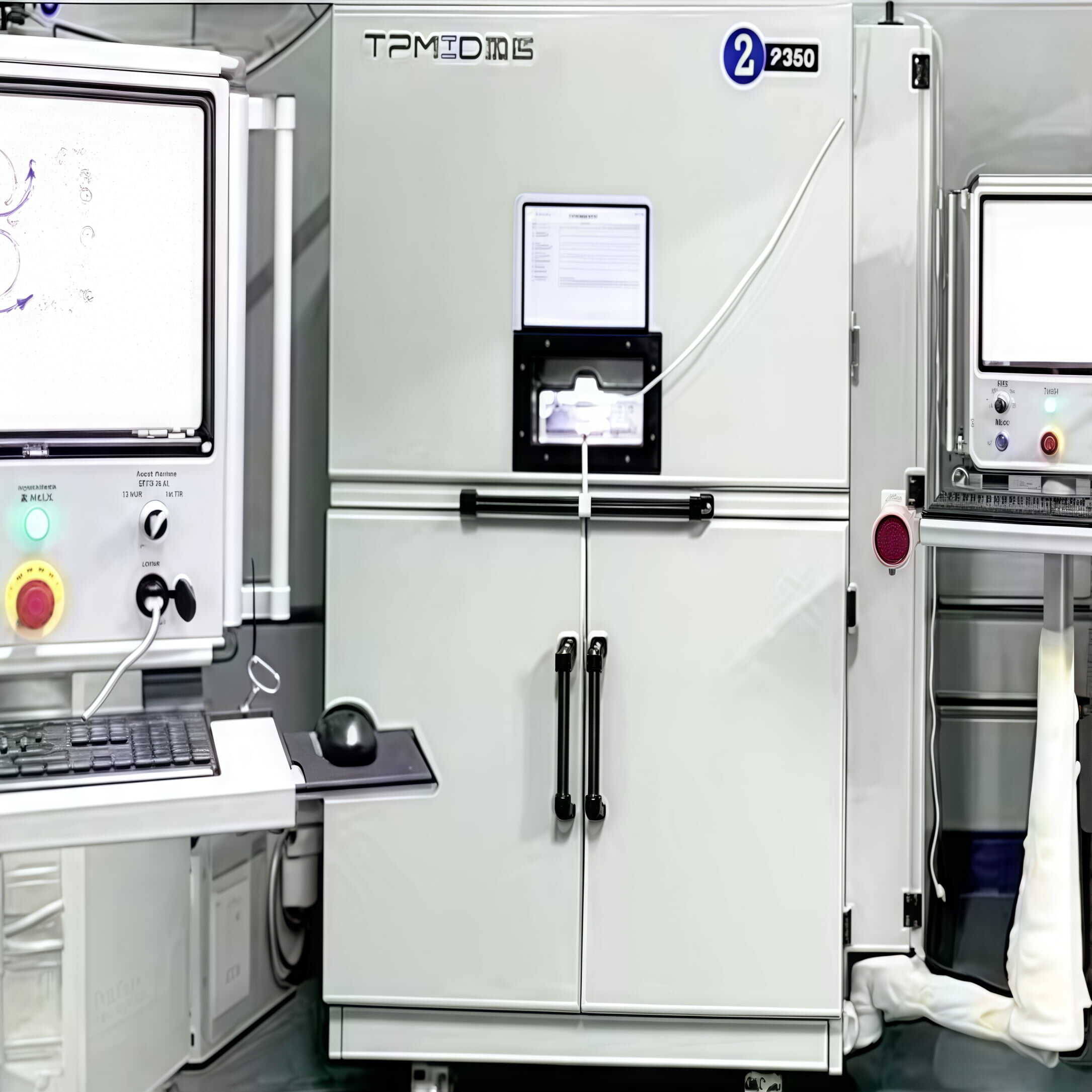
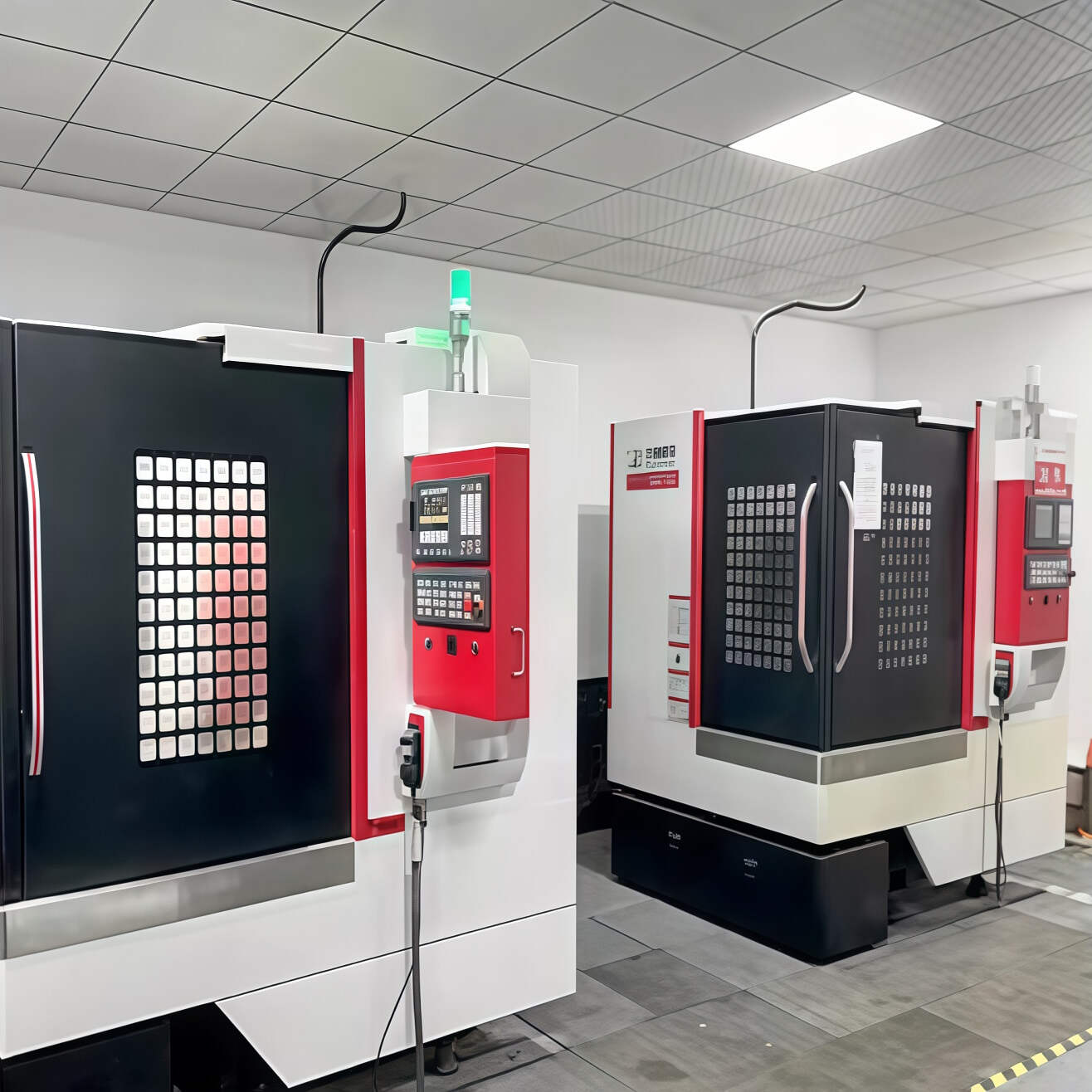
Low volume plastic manufacturing leverages cutting-edge technology to deliver precise and consistent results. The integration of advanced CAD/CAM systems enables highly accurate design implementation and production control. Modern injection molding equipment, equipped with sophisticated pressure and temperature monitoring systems, ensures optimal processing conditions for each production run. The manufacturing process incorporates smart sensors and real-time quality control systems that monitor various parameters throughout the production cycle, maintaining consistent product quality. This technological foundation allows for complex geometries and intricate design features that would be challenging to achieve through traditional manufacturing methods.
Customization and Flexibility

Customization and Flexibility

The inherent flexibility of low volume plastic manufacturing allows for unprecedented levels of customization and adaptation. This manufacturing approach enables rapid design modifications and material changes without significant tooling costs or production delays. Manufacturers can easily switch between different product variants or implement design improvements based on market feedback or customer requirements. The ability to produce small batches of customized products opens up new market opportunities and allows businesses to serve niche markets effectively. This flexibility extends to material selection, finishing options, and quality control processes, ensuring that each production run meets specific customer requirements.
Cost-Effective Production Solutions

Cost-Effective Production Solutions

Low volume plastic manufacturing provides a cost-effective solution for businesses requiring smaller production quantities without compromising on quality. The reduced initial investment in tooling and setup costs makes it an attractive option for startups and companies launching new products. The ability to produce parts on-demand helps minimize inventory costs and reduces the financial risks associated with large production runs. This manufacturing approach also offers significant savings in terms of material waste reduction and energy efficiency. The combination of modern production techniques and efficient resource utilization results in competitive per-unit costs, even for smaller quantities, making it an economically viable option for various applications.

Get a Free Quote

Our representative will contact you soon.
Email
Name
Company Name
Message
0/1000