On-Demand Manufacturing: Revolutionary Production Solutions for Modern Business Needs

All Categories

Get a Free Quote

Our representative will contact you soon.
Email
Name
Company Name
Message
0/1000

on-demand manufacturing

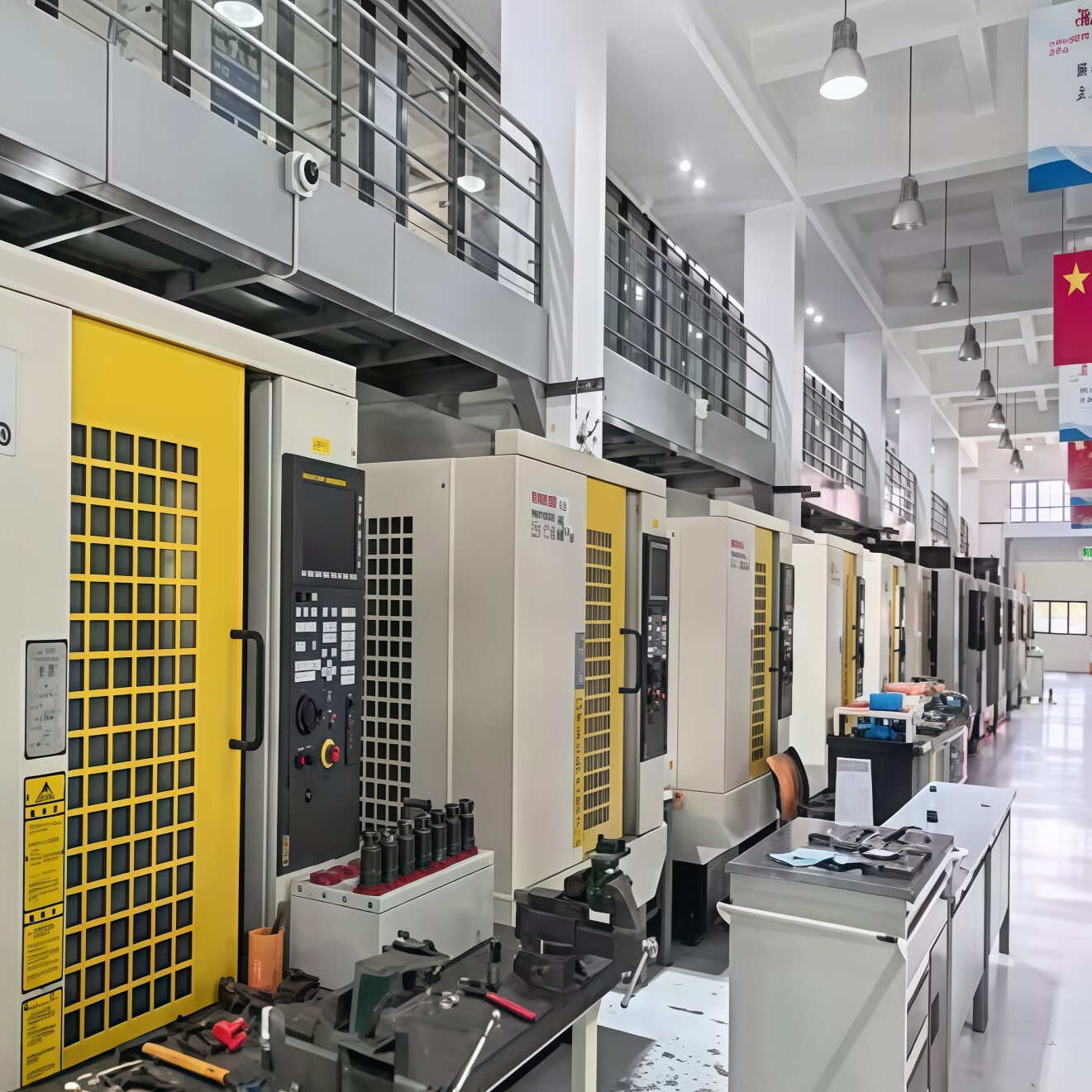
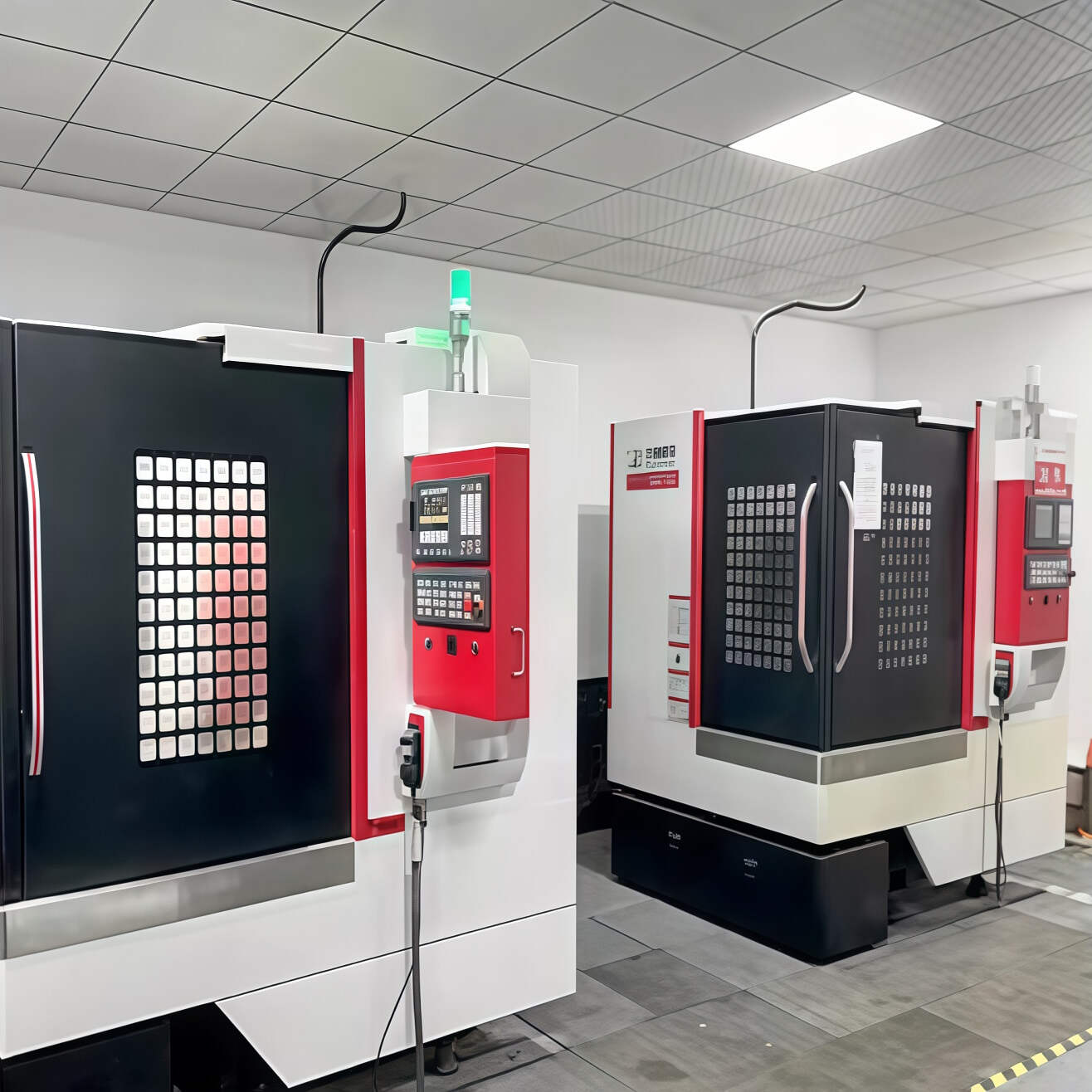
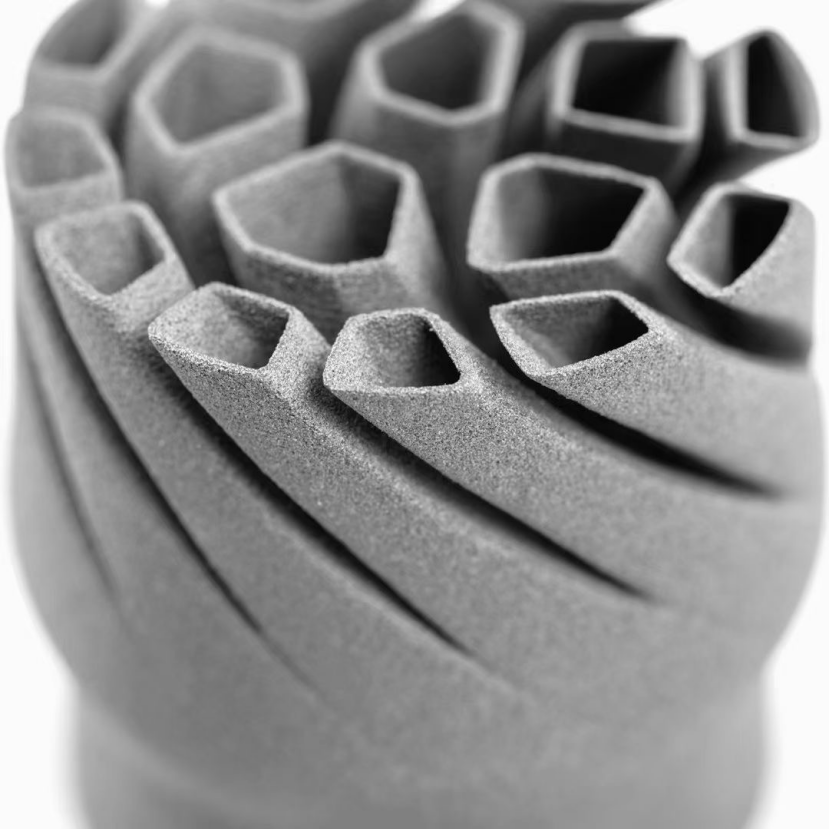
On-demand manufacturing represents a revolutionary approach to production that fundamentally transforms traditional manufacturing processes. This modern methodology enables businesses to produce items only when there is actual demand, effectively eliminating excess inventory and reducing waste. The system integrates advanced technologies including 3D printing, computer-aided design (CAD), and automated production systems to create products with unprecedented precision and efficiency. The process begins when a customer places an order, triggering an automated workflow that includes design verification, material selection, production planning, and quality control. This approach particularly shines in industries requiring customization, such as aerospace, medical devices, and consumer products. The technology employs sophisticated software systems that manage the entire production pipeline, from order processing to final delivery, ensuring optimal resource allocation and production scheduling. By leveraging cloud computing and industrial Internet of Things (IoT) devices, on-demand manufacturing facilities can maintain real-time monitoring of production status and quality metrics, enabling quick adjustments and optimizations as needed.


New Product Recommendations

On-demand manufacturing offers numerous compelling advantages that make it an attractive option for businesses across various sectors. First, it dramatically reduces inventory costs by eliminating the need to maintain large stocks of finished products. Companies can allocate resources more efficiently, investing only in materials and production capacity that align with actual customer demands. The system's flexibility allows for rapid product modifications and updates without the risk of obsolete inventory, enabling businesses to stay agile in fast-changing markets. Quality control is enhanced through automated monitoring and real-time adjustments, ensuring consistent product excellence. The reduction in waste and energy consumption makes on-demand manufacturing environmentally sustainable, appealing to eco-conscious consumers and helping companies meet environmental regulations. Cost efficiency is achieved through optimized resource utilization and reduced storage requirements. The ability to produce customized products without significant cost penalties opens new market opportunities and enhances customer satisfaction. Lead times are typically shorter compared to traditional manufacturing, as production begins immediately upon order placement. The system also enables better cash flow management by aligning production costs with actual sales. For businesses operating globally, on-demand manufacturing can reduce shipping costs and delivery times by allowing production closer to the end customer.

Practical Tips

Unlocking the Potential of SLS 3D Printing: The Role of PA12 and PA12+GF30 in Advanced Manufacturing

19

Jun

Unlocking the Potential of SLS 3D Printing: The Role of PA12 and PA12+GF30 in Advanced Manufacturing

View More
3D Printing Empowers Embodied AI: Reshaping the Paradigm of Customized, Small-Batch Production for Humanoid Robots

19

Jun

3D Printing Empowers Embodied AI: Reshaping the Paradigm of Customized, Small-Batch Production for Humanoid Robots

View More
3D Printing & Rapid Prototyping: Transforming Small-Batch, Customized Production

19

Jun

3D Printing & Rapid Prototyping: Transforming Small-Batch, Customized Production

View More

Get a Free Quote

Our representative will contact you soon.
Email
Name
Company Name
Message
0/1000

on-demand manufacturing

Advanced Digital Integration and Control

Advanced Digital Integration and Control

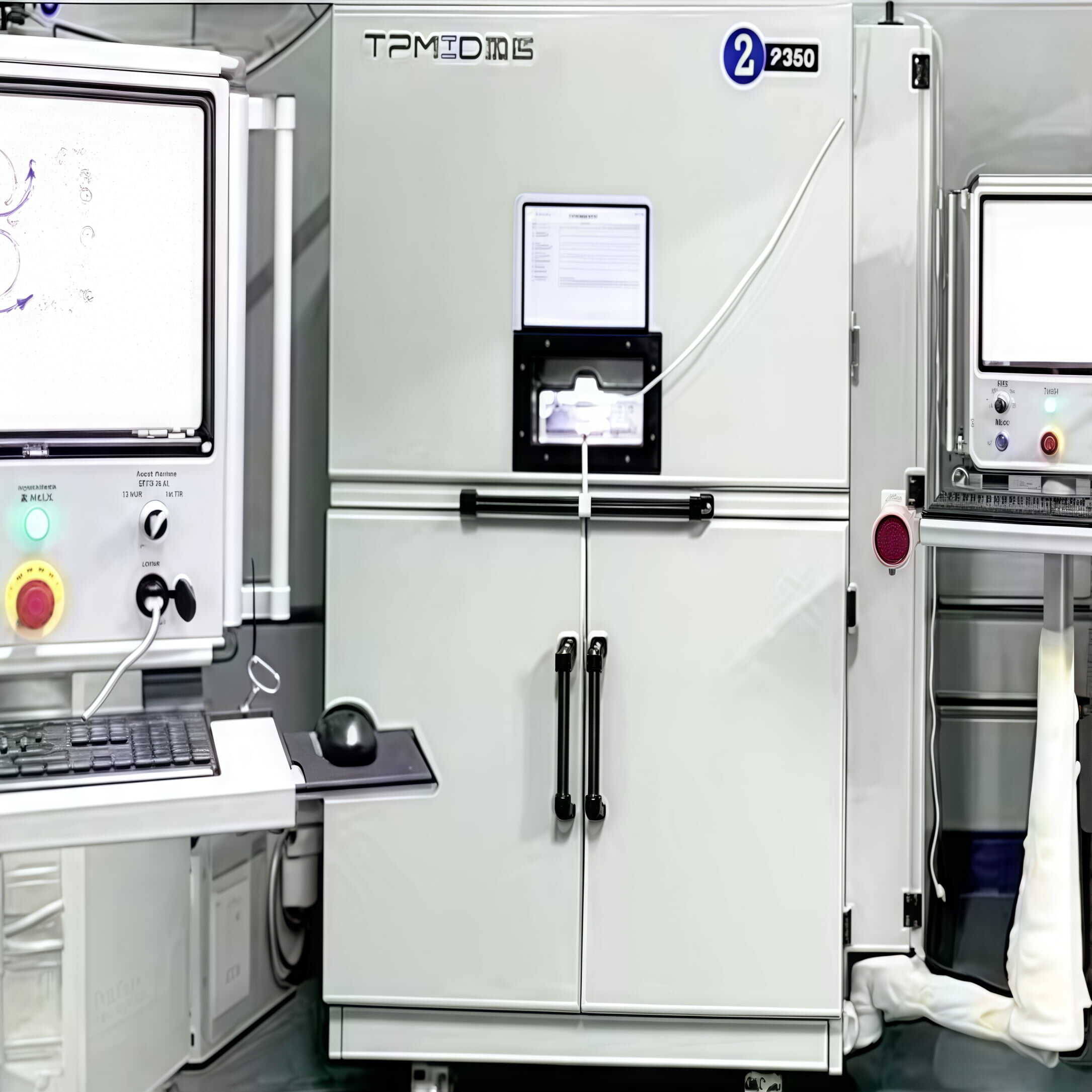
On-demand manufacturing excels through its sophisticated digital integration, combining multiple technological innovations into a seamless production system. The platform utilizes advanced automation and machine learning algorithms to optimize production schedules and resource allocation. Real-time monitoring systems track every aspect of the manufacturing process, from material usage to machine performance, ensuring maximum efficiency and quality control. The digital infrastructure enables instant communication between different production stages, reducing delays and minimizing errors. This integration extends to quality assurance, where automated inspection systems use computer vision and sensor technologies to maintain consistent product quality. The system's ability to collect and analyze production data leads to continuous improvement in processes and outcomes.
Customization and Flexibility

Customization and Flexibility

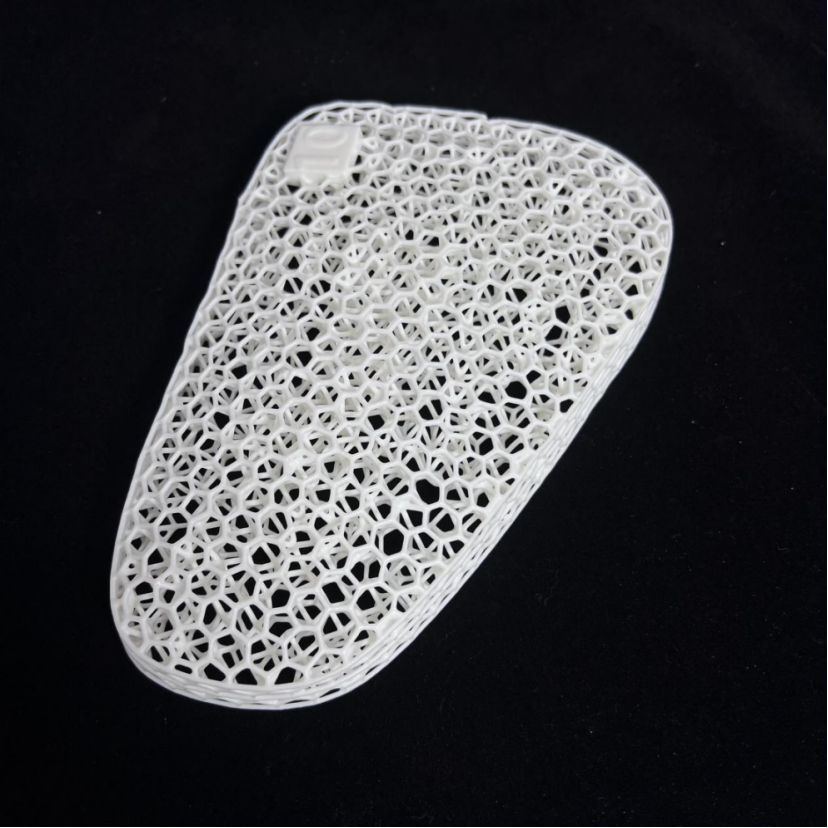
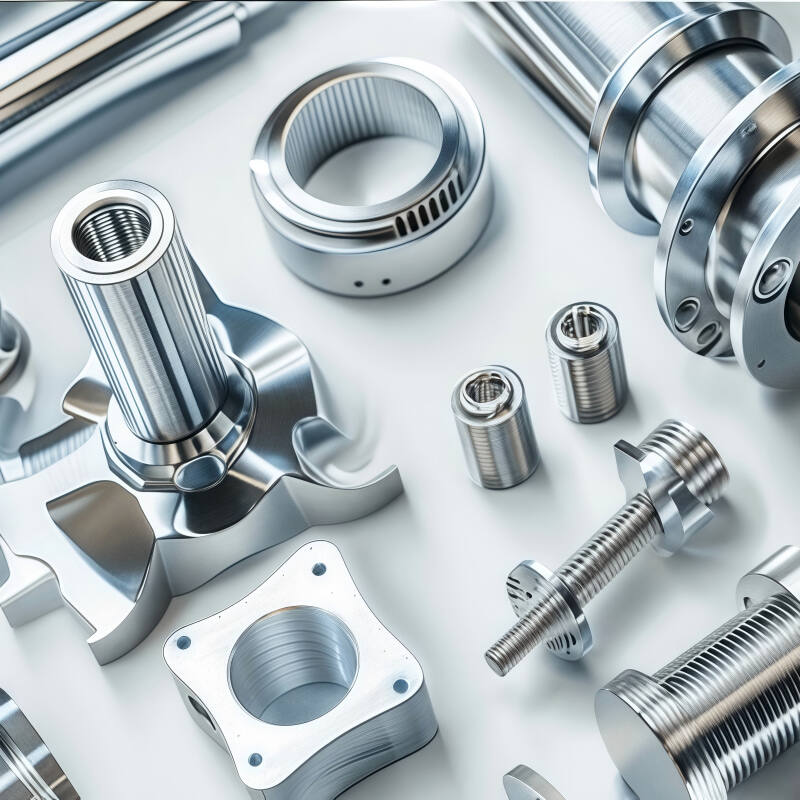
The system's remarkable flexibility enables unprecedented levels of product customization without sacrificing efficiency or cost-effectiveness. Each product can be modified to meet specific customer requirements while maintaining consistent quality standards. The platform supports rapid prototyping and iteration, allowing businesses to test and refine designs quickly. Advanced CAD systems integrate seamlessly with production equipment, enabling smooth transitions from design to manufacturing. This flexibility extends to material selection and finishing options, providing customers with extensive choices while maintaining production efficiency. The system can switch between different products or variations with minimal setup time, maximizing production capacity utilization.
Sustainable and Cost-Efficient Production

Sustainable and Cost-Efficient Production

On-demand manufacturing represents a significant advancement in sustainable production practices while maintaining strong cost efficiency. The system minimizes material waste through precise production planning and execution, reducing environmental impact and material costs. Energy consumption is optimized by running production equipment only when needed, contributing to both environmental goals and cost savings. The reduction in inventory storage requirements decreases the need for large warehouse spaces, reducing facility costs and environmental footprint. The localized production capability reduces transportation distances and associated emissions. Advanced materials management ensures efficient use of resources, while automated quality control systems minimize defects and rework, further reducing waste and costs.

Get a Free Quote

Our representative will contact you soon.
Email
Name
Company Name
Message
0/1000