Automotive Sheet Metal Parts: Advanced Engineering for Safety, Efficiency, and Performance

All Categories

Get a Free Quote

Our representative will contact you soon.
Email
Name
Company Name
Message
0/1000

sheet metal parts in car

Sheet metal parts play a crucial role in modern automotive manufacturing, serving as the fundamental building blocks that form a vehicle's structure and appearance. These components, typically manufactured through processes like stamping, bending, and forming, are essential elements that make up approximately 30% of a car's total structure. The primary functions include providing structural integrity, impact protection, and aerodynamic properties while maintaining the vehicle's aesthetic appeal. These parts encompass various components such as the hood, doors, fenders, roof panels, trunk lid, and numerous internal structural elements. Modern sheet metal parts are engineered using advanced computer-aided design (CAD) systems and manufactured with high-precision equipment, ensuring optimal strength-to-weight ratios and perfect fit. The materials used range from traditional mild steel to advanced high-strength steel (AHSS) and aluminum alloys, chosen based on specific requirements for strength, weight reduction, and corrosion resistance. These components undergo rigorous quality control processes, including dimensional accuracy checks and material property testing, to ensure they meet strict automotive industry standards and safety regulations.


Popular Products

Sheet metal parts in automotive applications offer numerous compelling advantages that make them indispensable in modern vehicle manufacturing. First, these components provide an excellent balance between strength and weight, allowing manufacturers to create vehicles that are both robust and fuel-efficient. The versatility of sheet metal allows for complex shapes and designs, enabling aerodynamic profiles that enhance vehicle performance and fuel economy. Another significant advantage is the cost-effectiveness of sheet metal manufacturing processes, which can be easily automated for high-volume production while maintaining consistent quality. The durability of modern sheet metal parts, especially those made from advanced materials, ensures long-term reliability and resistance to environmental factors. These components also offer excellent repairability, making maintenance and collision repairs more practical and cost-effective for vehicle owners. The ability to incorporate various surface treatments and finishes provides superior corrosion protection while allowing for diverse aesthetic options. Furthermore, sheet metal parts contribute significantly to vehicle safety through carefully designed crumple zones and impact absorption structures. The manufacturing process also supports sustainability efforts through the use of recyclable materials and efficient production methods that minimize waste. Advanced coating technologies applied to sheet metal parts enhance both durability and appearance, providing long-lasting protection against rust and environmental damage.

Practical Tips

Unlocking the Potential of SLS 3D Printing: The Role of PA12 and PA12+GF30 in Advanced Manufacturing

19

Jun

Unlocking the Potential of SLS 3D Printing: The Role of PA12 and PA12+GF30 in Advanced Manufacturing

View More
3D Printing Empowers Embodied AI: Reshaping the Paradigm of Customized, Small-Batch Production for Humanoid Robots

19

Jun

3D Printing Empowers Embodied AI: Reshaping the Paradigm of Customized, Small-Batch Production for Humanoid Robots

View More
3D Printing & Rapid Prototyping: Transforming Small-Batch, Customized Production

19

Jun

3D Printing & Rapid Prototyping: Transforming Small-Batch, Customized Production

View More

Get a Free Quote

Our representative will contact you soon.
Email
Name
Company Name
Message
0/1000

sheet metal parts in car

Advanced Material Technology

Advanced Material Technology

Modern automotive sheet metal parts represent the pinnacle of material science innovation in the automotive industry. Manufacturers now utilize a sophisticated blend of advanced high-strength steel (AHSS), dual-phase steel, and aluminum alloys to create components that offer unprecedented levels of performance. These materials are specifically engineered to provide superior strength while maintaining minimal weight, contributing to improved fuel efficiency and reduced emissions. The implementation of these advanced materials has resulted in weight reductions of up to 25% compared to traditional steel components, while simultaneously improving structural integrity and crash protection. The materials are also designed with specific strain rates and deformation characteristics that enhance their energy absorption capabilities during impact events, providing superior safety performance.
Precision Manufacturing Processes

Precision Manufacturing Processes

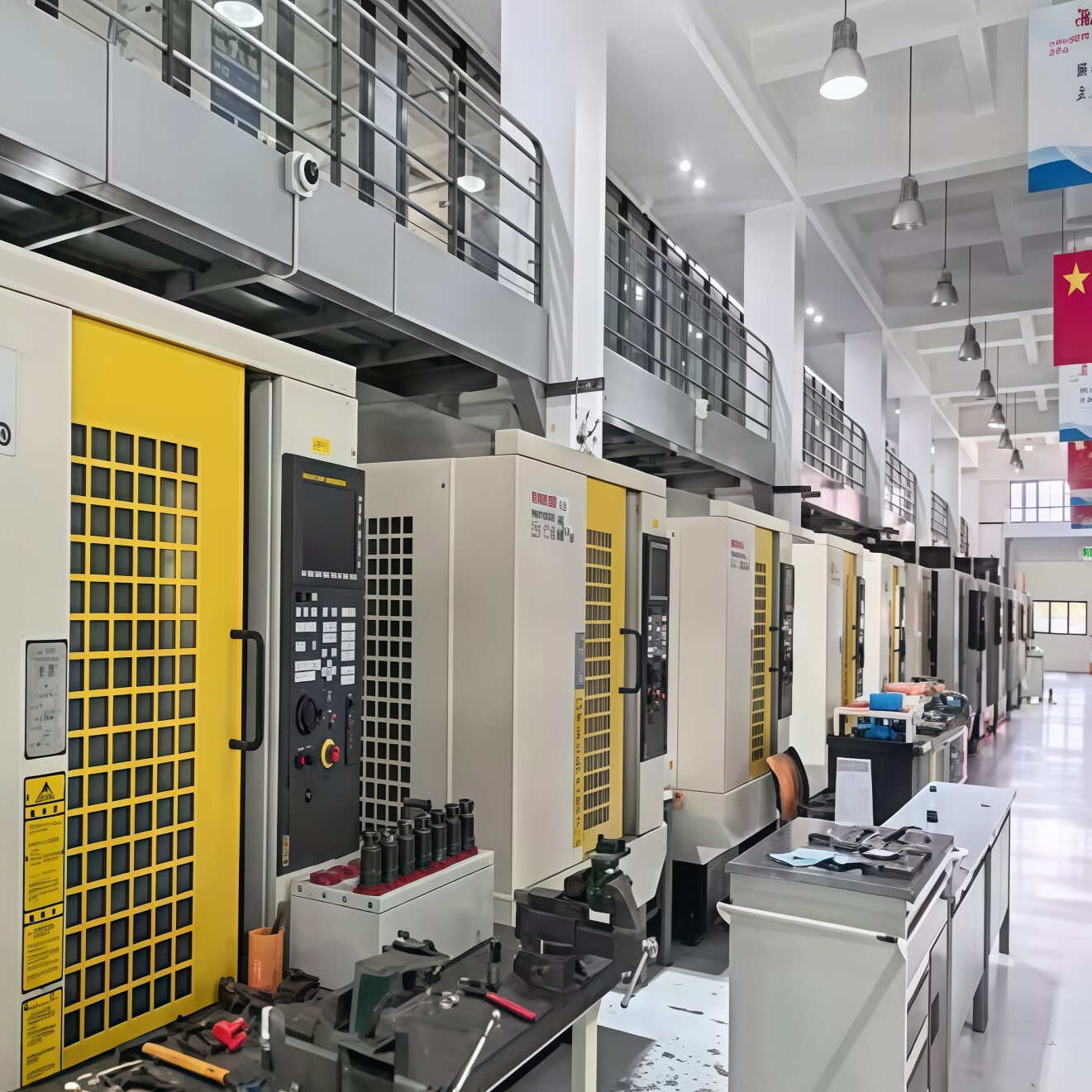
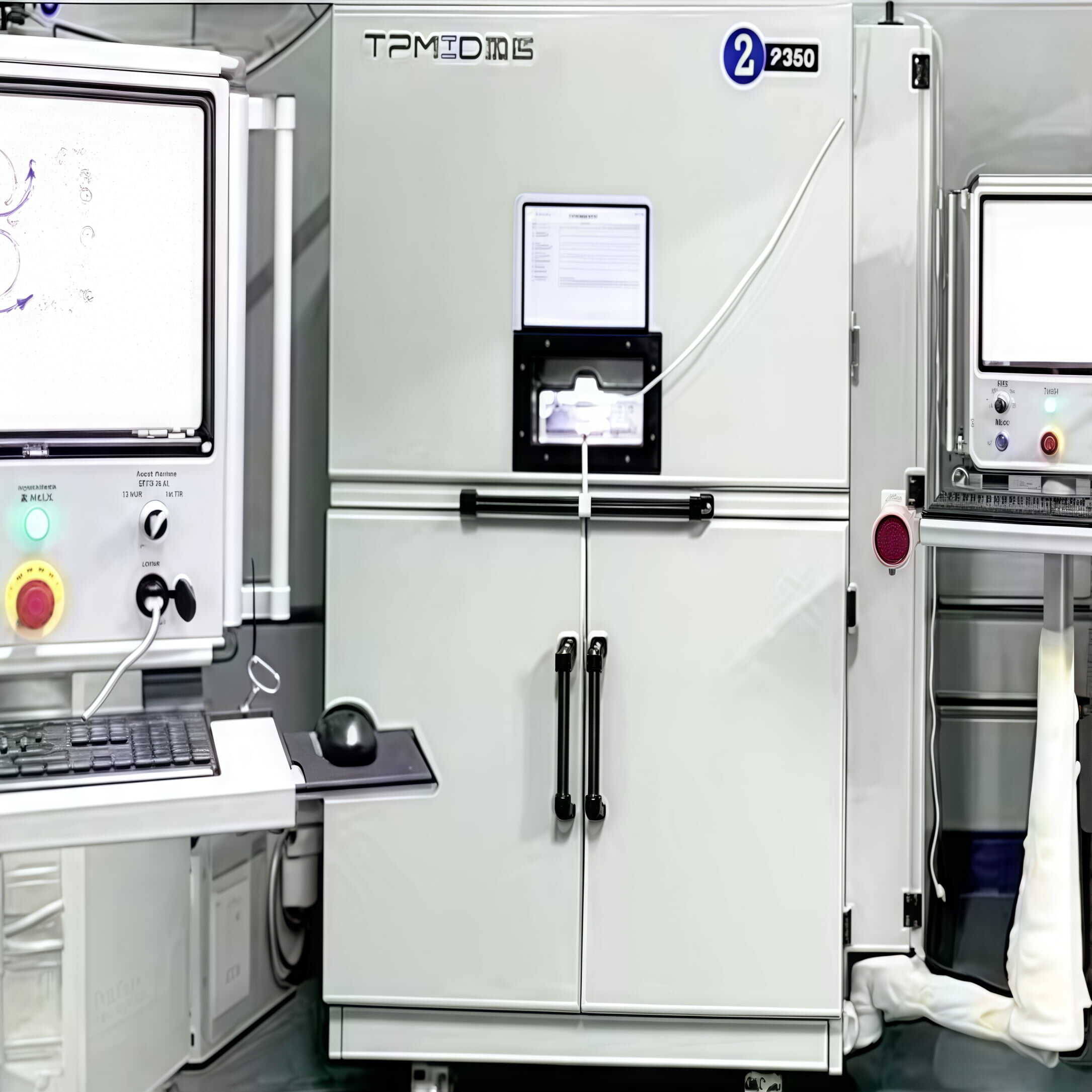
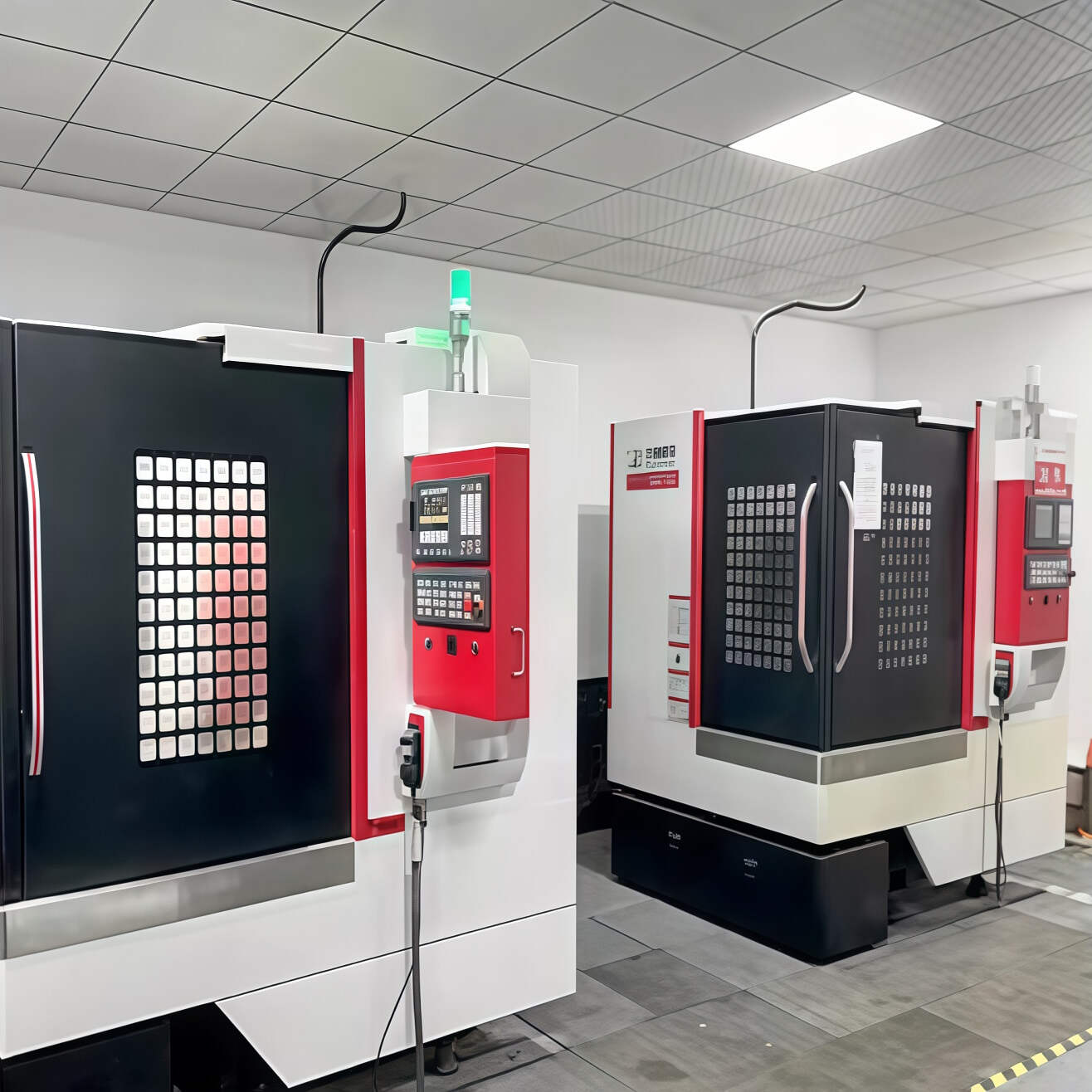
The production of automotive sheet metal parts involves state-of-the-art manufacturing processes that ensure exceptional quality and consistency. Computer-controlled stamping operations utilize advanced die designs and precise force control to create complex geometries with minimal material waste. The integration of laser cutting and robotic welding systems ensures precise component fitment and structural integrity. Quality control systems employing 3D scanning technology and automated inspection processes verify dimensional accuracy to within fractions of a millimeter. This level of precision manufacturing results in components that not only meet strict quality standards but also contribute to improved vehicle assembly efficiency and reduced warranty claims.
Enhanced Safety Features

Enhanced Safety Features

Sheet metal parts in modern vehicles are engineered with sophisticated safety features that protect occupants during collisions. The strategic design of crumple zones incorporates carefully calculated fold patterns and material thickness variations that manage impact energy in a controlled manner. These components work together to create a safety cage around the passenger compartment while allowing the exterior structure to absorb and dissipate crash forces effectively. Advanced computer simulations and real-world crash testing validate the performance of these safety features, ensuring they meet or exceed global safety standards. The integration of high-strength materials in critical areas provides additional protection while maintaining the vehicle's overall weight efficiency.

Get a Free Quote

Our representative will contact you soon.
Email
Name
Company Name
Message
0/1000