
 EN
EN
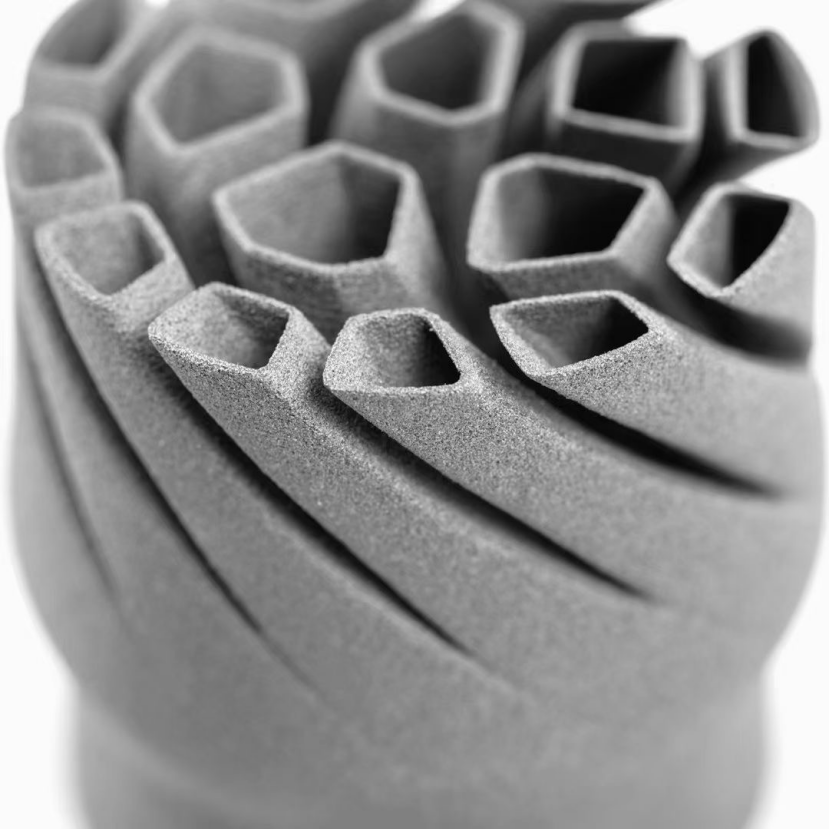
The evolution of humanoid robotics has reached unprecedented heights, driven by advanced manufacturing technologies that enable rapid prototyping and customization of complex mechanical components. Modern robotics development teams increasingly rely on additive manufacturing solutions to create intricate parts that meet the demanding specifications of humanoid systems. This transformation has revolutionized how engineers approach robot design, allowing for faster iteration cycles and more sophisticated geometries that were previously impossible with traditional manufacturing methods.
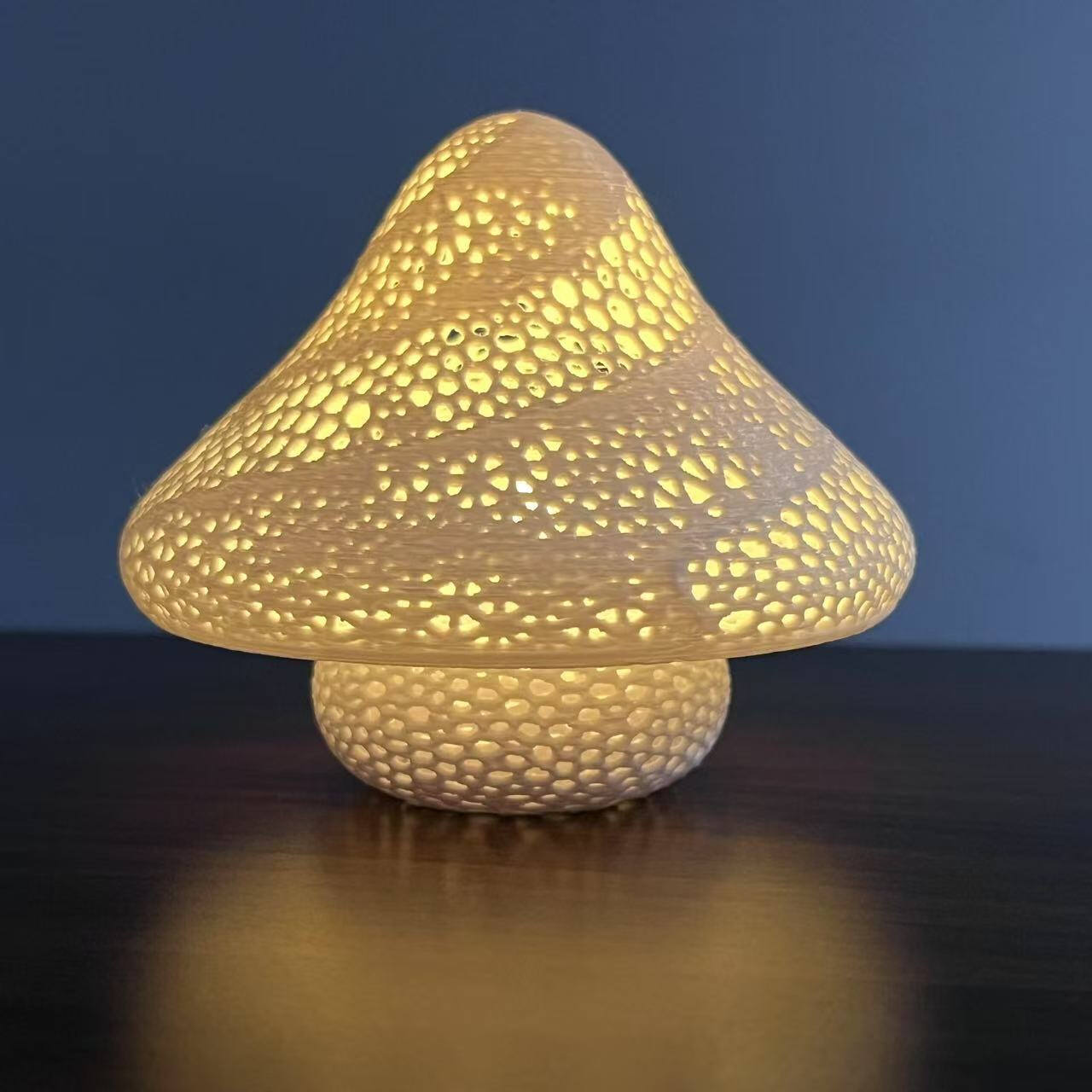
Understanding Additive Manufacturing Technologies for Robotics
High-Resolution Printing Methods
The precision requirements of humanoid robotics demand manufacturing technologies capable of producing parts with exceptional dimensional accuracy and surface finish quality. Stereolithography represents one of the most advanced approaches to achieving these standards, utilizing photopolymerization processes to create parts with layer resolutions as fine as 25 microns. This level of detail proves essential when fabricating components like joint mechanisms, sensor housings, and intricate internal structures that require precise tolerances for optimal robot performance.
Engineers working on humanoid projects benefit significantly from the smooth surface finishes achievable through resin-based printing technologies. These surfaces reduce friction in moving parts, eliminate the need for extensive post-processing, and provide better integration points for electronic components. The ability to create complex internal geometries without support material considerations makes these technologies particularly valuable for developing integrated assemblies that combine multiple functions within single printed components.
Material Selection for Robotic Applications
The success of any humanoid robot component depends heavily on selecting appropriate materials that can withstand operational stresses while maintaining dimensional stability over extended periods. Advanced photopolymer resins offer mechanical properties comparable to traditional engineering plastics, with some formulations providing enhanced impact resistance, temperature stability, and chemical compatibility. These materials enable the production of functional prototypes that accurately represent final production parts in both form and performance characteristics.
Specialized resin formulations have emerged specifically for robotics applications, incorporating additives that enhance electrical conductivity, magnetic properties, or biocompatibility depending on the intended use case. The availability of transparent, flexible, and high-temperature resistant materials expands the design possibilities for robot developers, allowing for innovative solutions like integrated optical components, compliant joint mechanisms, and heat-resistant actuator housings that would be challenging to produce using conventional manufacturing methods.
Design Optimization Strategies for Humanoid Components
Structural Integration and Weight Reduction
Modern humanoid robots require components that maximize strength-to-weight ratios while incorporating multiple functional elements within compact form factors. Advanced design software tools enable engineers to create topologically optimized structures that remove unnecessary material while maintaining structural integrity under operational loads. These optimization techniques result in organic, lattice-like internal structures that significantly reduce component weight without compromising performance specifications.
The freedom of form inherent in additive manufacturing allows designers to integrate features that would require multiple assembly steps in traditional manufacturing. Cable routing channels, mounting bosses, bearing surfaces, and sensor mounting points can all be incorporated directly into the part geometry during the design phase. This integration approach reduces assembly time, eliminates potential failure points, and creates more robust overall systems that better withstand the dynamic loads encountered during robot operation.
Customization for Specific Applications
Different humanoid robot applications require unique component characteristics that can be easily accommodated through customized printing approaches. Research robots may prioritize ease of modification and sensor integration, while commercial service robots focus on durability and aesthetic appeal. The flexibility of sla 3d printing enables rapid design iterations that allow development teams to explore multiple configuration options without significant time or cost penalties.
Parametric design methodologies enable the creation of component families that can be quickly adapted for different robot sizes, payload requirements, or environmental conditions. This approach proves particularly valuable for companies developing multiple humanoid platforms or customizing existing designs for specific client requirements. The ability to modify geometric parameters and regenerate optimized components within hours rather than weeks dramatically accelerates the development process and enables more responsive customer support.
Rapid Prototyping Workflows in Robot Development
Iterative Design Processes
The development of humanoid robots benefits enormously from rapid prototyping capabilities that enable quick validation of design concepts and immediate testing of component interactions. Modern development workflows incorporate continuous design-print-test cycles that allow engineers to identify and resolve issues early in the development process. This iterative approach reduces the risk of costly design errors and ensures that final components meet all performance requirements before committing to production tooling.
Advanced simulation tools integrated with printing workflows enable virtual testing of component designs before physical production, further accelerating the development process. However, the complex interactions between mechanical, electrical, and software systems in humanoid robots often reveal issues that only become apparent during physical testing. The ability to produce functional prototypes within hours of design completion enables rapid validation cycles that maintain development momentum while ensuring thorough testing of all system interactions.
Multi-Material Integration Techniques
Contemporary humanoid robot components often require multiple material properties within single assemblies, combining rigid structural elements with flexible joints, conductive pathways, and specialized surface treatments. Advanced printing technologies enable the integration of multiple materials within single build cycles, creating components that incorporate varied mechanical, electrical, and thermal properties as required by specific applications. This capability eliminates many assembly steps while creating more reliable interfaces between different material zones.
The development of conductive photopolymer resins has opened new possibilities for creating components with integrated electrical pathways, eliminating the need for separate wiring harnesses in many applications. Similarly, the availability of materials with varying shore hardness values enables the creation of components that incorporate both rigid mounting surfaces and compliant interaction zones within single printed parts. These multi-material capabilities significantly expand the design possibilities for humanoid robot components while reducing system complexity.
Quality Control and Testing Methodologies
Dimensional Accuracy Verification
The precision requirements of humanoid robotics demand rigorous quality control processes that verify dimensional accuracy and surface finish quality of all printed components. Advanced metrology equipment including coordinate measuring machines and optical scanners enable comprehensive verification of part geometry against design specifications. These measurement processes identify any deviations that could affect component performance or assembly compatibility, ensuring that all parts meet the stringent requirements of robotic applications.
Statistical process control methodologies help identify trends in part quality that may indicate equipment calibration issues or material batch variations. Regular monitoring of key dimensional characteristics enables proactive adjustment of printing parameters to maintain consistent quality levels across production runs. This systematic approach to quality management proves essential for maintaining the reliability standards required in humanoid robotics applications where component failures can result in significant system downtime or safety concerns.
Mechanical Performance Validation
Comprehensive testing protocols ensure that printed robot components can withstand the dynamic loads and environmental conditions encountered during normal operation. Standardized testing procedures including tensile strength evaluation, fatigue resistance analysis, and impact testing provide quantitative data on component performance under various loading conditions. These test results enable engineers to make informed decisions about design modifications and material selections based on empirical performance data rather than theoretical calculations alone.
Environmental testing protocols verify component performance under temperature extremes, humidity variations, and chemical exposure conditions that may be encountered in real-world applications. Accelerated aging tests help predict long-term component reliability and identify potential failure modes before they occur in service. This comprehensive testing approach ensures that printed components can meet the reliability standards expected in professional robotics applications while identifying opportunities for design optimization.
Cost-Effectiveness and Production Scaling
Economic Advantages of Additive Manufacturing
The economics of humanoid robot component production favor additive manufacturing approaches, particularly during development phases and low-volume production runs. Traditional manufacturing methods require significant upfront investments in tooling and fixtures that may become obsolete as designs evolve, while additive manufacturing enables production of complex components without any tooling requirements. This tooling-free approach eliminates substantial capital investments and enables immediate production of design modifications without delay or additional cost.
The ability to produce components on-demand eliminates inventory requirements and reduces the financial risk associated with obsolete parts inventory. Development teams can maintain lean inventory levels while ensuring rapid availability of replacement components or design variants as needed. This just-in-time production capability proves particularly valuable for research organizations and small-scale manufacturers who cannot justify large inventory investments but require reliable access to high-quality components.
Scaling Strategies for Production Volumes
As humanoid robot programs transition from development to production phases, manufacturers must carefully evaluate the optimal manufacturing approach based on projected volumes and component requirements. Additive manufacturing remains cost-effective for complex, low-volume components while traditional manufacturing methods may become more economical for simple, high-volume parts. Hybrid manufacturing strategies that combine both approaches often provide the optimal balance of cost, quality, and flexibility for robotics applications.
Advanced production planning tools enable manufacturers to identify the volume threshold where traditional manufacturing becomes more cost-effective than additive approaches for specific components. This analysis considers not only direct manufacturing costs but also inventory requirements, tooling investments, and design change flexibility. The result is a comprehensive manufacturing strategy that adapts to changing production requirements while maintaining optimal cost structures throughout the product lifecycle.
Future Developments and Industry Trends
Emerging Material Technologies
The continuous development of new photopolymer formulations promises to expand the capabilities of high-resolution printing technologies for robotics applications. Research into bio-compatible materials, self-healing polymers, and smart materials that respond to environmental stimuli opens new possibilities for humanoid robot components that can adapt to changing operational requirements. These advanced materials may enable the creation of components that incorporate sensing, actuation, or communication capabilities directly within their material structure.
Nano-enhanced photopolymers incorporating carbon nanotubes, graphene, or ceramic particles offer improved mechanical properties, thermal conductivity, and electrical characteristics that expand the range of applications suitable for printed components. These advanced materials enable the production of components that can replace traditionally manufactured parts in demanding applications while maintaining the design freedom and customization capabilities inherent in additive manufacturing processes.
Integration with Industry 4.0 Technologies
The integration of artificial intelligence and machine learning technologies with additive manufacturing workflows promises to optimize printing parameters automatically based on component geometry and performance requirements. Smart manufacturing systems can analyze historical print data to predict optimal settings for new component designs, reducing setup time and improving first-pass success rates. These intelligent systems enable more efficient utilization of manufacturing resources while consistently producing high-quality components.
Digital twin technologies enable virtual monitoring and optimization of entire manufacturing workflows, from initial design through final component testing. These digital representations provide real-time visibility into production status and enable predictive maintenance of manufacturing equipment. The result is more reliable production processes that can adapt automatically to changing requirements while maintaining consistent quality standards throughout extended production runs.
FAQ
What are the main advantages of using high-resolution printing for humanoid robot components
High-resolution printing technologies offer several critical advantages for humanoid robotics applications, including exceptional surface finish quality that reduces friction in moving parts, the ability to create complex internal geometries without support structures, and dimensional accuracy suitable for precision mechanical assemblies. These technologies enable rapid design iterations, eliminate tooling requirements, and support the integration of multiple functions within single components, significantly accelerating the development process while reducing overall system complexity.
How do material properties of printed components compare to traditionally manufactured parts
Modern photopolymer resins used in advanced printing processes offer mechanical properties comparable to many traditional engineering plastics, with some specialized formulations providing superior characteristics for specific applications. These materials can achieve tensile strengths exceeding 50 MPa, impact resistance suitable for dynamic robotic applications, and temperature stability across operational ranges typically encountered in humanoid robots. The continuous development of new resin formulations continues to expand the range of applications suitable for printed components.
What quality control measures are essential for robotics-grade printed components
Comprehensive quality control for robotics applications requires dimensional verification using precision metrology equipment, mechanical testing to validate strength and durability characteristics, and environmental testing to ensure performance under operational conditions. Statistical process control helps maintain consistent quality across production runs, while accelerated aging tests predict long-term reliability. These rigorous quality measures ensure that printed components meet the demanding reliability standards required for professional robotics applications.
How does additive manufacturing cost compare to traditional methods for robot components
Additive manufacturing typically offers significant cost advantages for complex, low-volume components due to the elimination of tooling requirements and setup costs. The break-even point varies depending on component complexity and production volume, but additive methods remain cost-effective for most development and low-volume production applications. The ability to modify designs without additional tooling costs provides ongoing economic benefits throughout the product development lifecycle, making additive manufacturing particularly valuable for evolving robotics platforms.
Table of Contents
- Understanding Additive Manufacturing Technologies for Robotics
- Design Optimization Strategies for Humanoid Components
- Rapid Prototyping Workflows in Robot Development
- Quality Control and Testing Methodologies
- Cost-Effectiveness and Production Scaling
- Future Developments and Industry Trends
-
FAQ
- What are the main advantages of using high-resolution printing for humanoid robot components
- How do material properties of printed components compare to traditionally manufactured parts
- What quality control measures are essential for robotics-grade printed components
- How does additive manufacturing cost compare to traditional methods for robot components