
 EN
EN
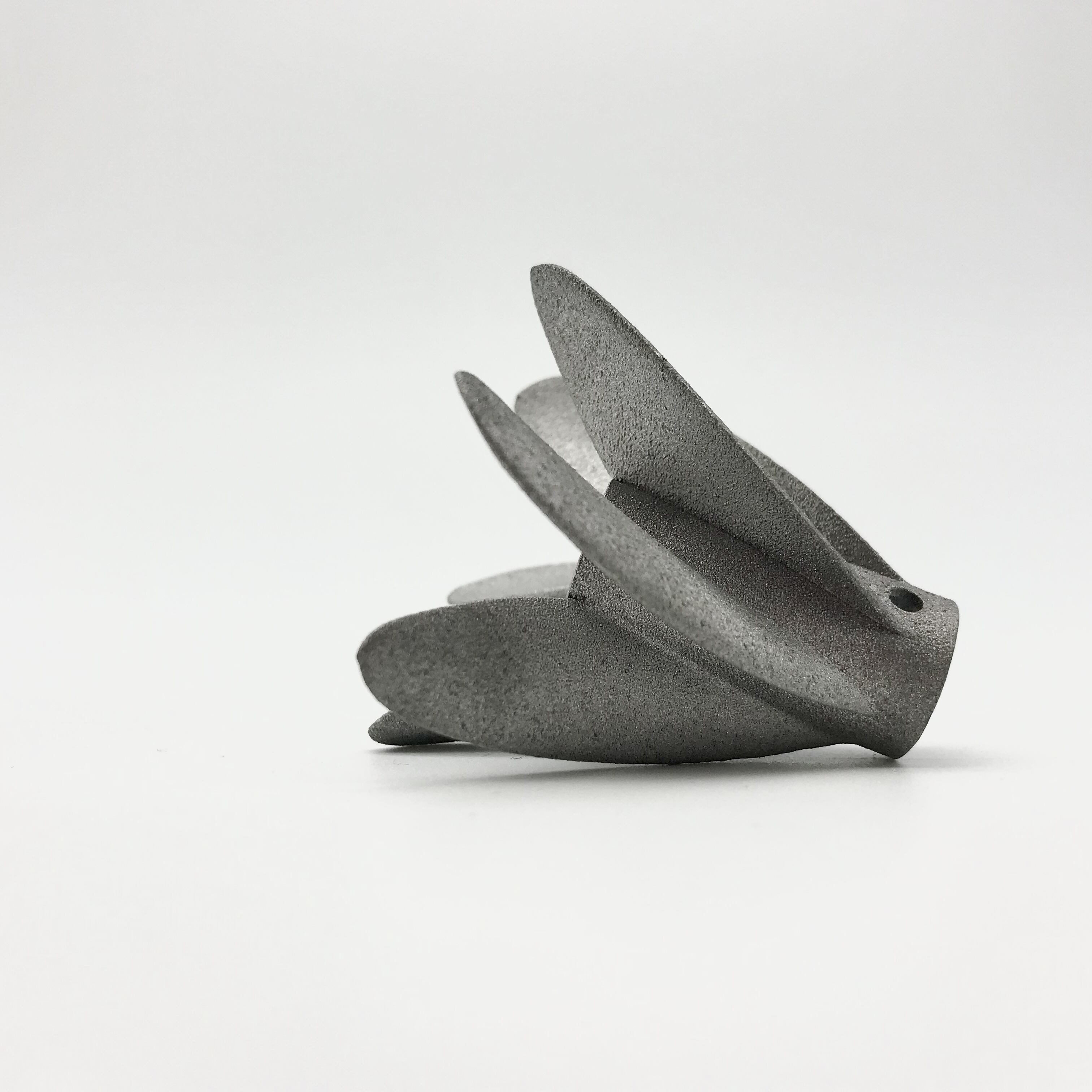
In the rapidly evolving landscape of additive manufacturing, SLA 3D printing stands as a beacon of precision and surface quality excellence. This advanced stereolithography technology has revolutionized how manufacturers approach complex geometries, prototyping, and small-batch production across industries ranging from aerospace to medical devices. Unlike traditional manufacturing methods that often struggle with intricate details, SLA 3D printing delivers exceptional resolution and smooth surface finishes that rival injection molding quality.
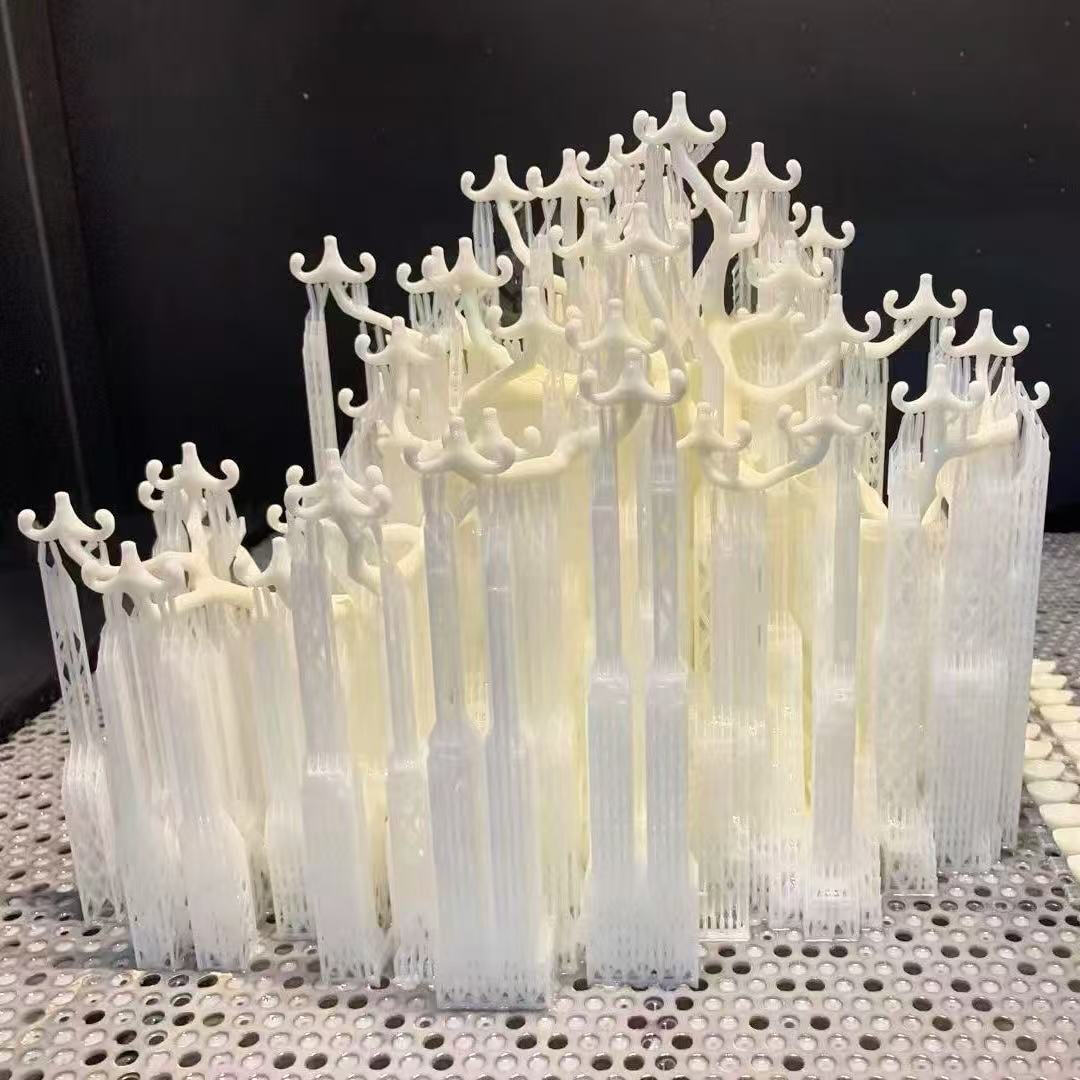
The stereolithography process utilizes photopolymer resins cured layer by layer through precisely controlled laser exposure, enabling manufacturers to achieve tolerances as tight as ±0.1mm while maintaining surface roughness values comparable to traditional machining processes. This level of accuracy makes SLA technology particularly valuable for applications requiring functional prototypes, end-use parts, and complex assemblies that demand both aesthetic appeal and mechanical performance.
Understanding Stereolithography Technology Fundamentals
Photopolymerization Process Mechanics
The core principle behind SLA 3D printing involves the selective curing of liquid photopolymer resin using ultraviolet laser light. When the laser beam contacts the resin surface, it initiates a photochemical reaction that transforms the liquid material into a solid polymer network. This process occurs with remarkable precision, allowing for feature resolution down to 25 microns in the XY plane and layer heights as thin as 10 microns in the Z direction.
Modern stereolithography systems employ galvanometer-controlled mirrors to direct the laser beam across the resin surface with exceptional speed and accuracy. The scanning pattern follows the cross-sectional geometry of each layer, ensuring complete polymerization of the intended areas while leaving uncured resin liquid for easy removal during post-processing. This selective curing approach enables the creation of complex internal geometries, overhangs, and thin-walled structures that would be impossible or extremely difficult to produce using conventional manufacturing techniques.
Resin Chemistry and Material Properties
Contemporary SLA resins have evolved far beyond basic acrylic formulations to include specialized materials engineered for specific applications. Engineering-grade resins now offer properties comparable to traditional thermoplastics, including high-temperature resistance, chemical stability, and enhanced mechanical strength. Biocompatible resins meet stringent medical device regulations, while transparent resins provide optical clarity rivaling glass for prototyping applications requiring visual inspection of internal components.
The advancement in resin technology has also introduced filled materials containing ceramic particles, glass fibers, or metal powders that enhance specific properties such as thermal conductivity, electrical resistance, or dimensional stability. These specialized formulations expand the application range of SLA 3D printing into demanding industrial environments where traditional plastics would fail to meet performance requirements.
Surface Quality Excellence in Stereolithography
Achieving Mirror-Like Finish Quality
The exceptional surface quality achievable through SLA technology stems from the fundamental nature of the layer formation process. Unlike fused deposition modeling where material is extruded through a nozzle creating visible layer lines, stereolithography produces surfaces that are inherently smooth due to the liquid-to-solid phase transition occurring at the molecular level. This results in surface roughness values typically ranging from 0.5 to 1.6 μm Ra, comparable to precision machined components.
Post-processing techniques can further enhance surface quality to achieve mirror-like finishes for optical applications or consumer products requiring premium aesthetics. Vapor smoothing using specific solvents can reduce surface roughness to below 0.1 μm Ra, while automated polishing systems can achieve optical-grade surfaces suitable for lens prototypes or decorative components. The combination of inherent process smoothness and advanced post-processing capabilities positions stereolithography as the preferred choice for applications where surface quality is paramount.
Minimizing Layer Visibility and Artifacts
Strategic orientation and support placement play crucial roles in maximizing surface quality outcomes in SLA 3D printing processes. By carefully analyzing part geometry and optimizing build orientation, manufacturers can minimize the visibility of layer lines on critical surfaces while ensuring adequate support for overhanging features. Advanced slicing software now incorporates algorithms that automatically determine optimal orientations based on surface quality requirements, support material minimization, and build time considerations.
The implementation of adaptive layer height algorithms further enhances surface quality by automatically adjusting layer thickness based on local geometry complexity. Areas with gradual curvature can utilize thicker layers for faster build times, while regions requiring fine detail resolution benefit from ultra-thin layers that virtually eliminate visible stepping artifacts. This intelligent approach to layer management ensures consistent quality across the entire part while optimizing production efficiency.
Precision and Detail Resolution Capabilities
Microscopic Feature Reproduction
The precision capabilities of modern SLA systems enable the reproduction of features smaller than the human eye can perceive, making this technology invaluable for applications requiring microscopic detail accuracy. Dental models incorporating individual tooth texture, jewelry pieces with intricate filigree patterns, and mechanical components featuring fine threading all benefit from the exceptional resolution capabilities inherent in stereolithography processes.
Advanced DLP-based SLA systems utilizing 4K and 8K projectors can achieve pixel sizes below 10 microns, enabling the production of parts with detail resolution approaching that of traditional photolithography processes used in semiconductor manufacturing. This level of precision opens new possibilities for applications such as microfluidic devices, optical components, and precision mechanical assemblies where traditional manufacturing methods would require multiple operations and assembly steps.
Complex Geometry Manufacturing
The layer-by-layer construction approach of SLA 3D printing enables the creation of geometries that would be impossible to produce using conventional manufacturing methods. Internal channels, enclosed volumes, and interlocking mechanisms can be built as single, fully functional assemblies without requiring post-manufacturing assembly operations. This capability is particularly valuable in aerospace and medical device applications where reducing part count and eliminating potential failure points is critical.
Conformal cooling channels in injection mold inserts, lattice structures for lightweight aerospace components, and patient-specific medical implants all exemplify the geometric freedom afforded by stereolithography technology. The ability to incorporate multiple materials within a single print job through multi-material SLA systems further expands design possibilities, enabling the creation of parts with varying properties throughout their structure.
Industrial Applications and Use Cases
Aerospace and Defense Manufacturing
The aerospace industry has embraced SLA 3D printing for both prototyping and production applications where weight reduction and performance optimization are paramount. Flight-critical components requiring complex internal geometries, such as fuel system components and avionics housings, benefit from the design freedom and material properties available through advanced stereolithography systems. The ability to produce lightweight lattice structures while maintaining structural integrity has led to significant weight savings in satellite components and unmanned aerial vehicle structures.
Quality certification processes for aerospace applications have evolved to accommodate additive manufacturing techniques, with major aircraft manufacturers now qualifying SLA-produced components for flight use. The traceability and repeatability inherent in digital manufacturing processes align well with aerospace quality requirements, while the ability to produce complex geometries in single operations reduces manufacturing risk and improves reliability.
Medical Device and Biomedical Applications
The biomedical field has found particular value in SLA technology for producing patient-specific medical devices and surgical planning tools. Custom prosthetics, dental appliances, and surgical guides all benefit from the precision and biocompatibility available through specialized medical-grade resins. The smooth surface finishes achievable through stereolithography are particularly important in medical applications where bacterial adhesion and cleaning requirements are critical considerations.
Surgical planning models produced using SLA 3D printing enable surgeons to practice complex procedures on anatomically accurate replicas before operating on patients. These models can incorporate multiple materials to simulate different tissue types, providing realistic tactile feedback during surgical simulation. The rapid turnaround time from medical imaging to physical model enables time-sensitive applications such as emergency surgical planning and trauma response.
Process Optimization and Quality Control
Parameter Tuning for Optimal Results
Achieving consistent, high-quality results in SLA 3D printing requires careful optimization of multiple process parameters including laser power, scan speed, layer height, and exposure patterns. Modern SLA systems incorporate closed-loop feedback systems that monitor resin properties in real-time and automatically adjust exposure parameters to compensate for variations in material properties, ambient conditions, and aging effects that can impact part quality.
Advanced process monitoring systems utilize inline inspection technologies such as thermal imaging and optical coherence tomography to detect potential quality issues during the build process. This real-time quality assurance capability enables immediate process adjustments and reduces the likelihood of build failures that could result in significant time and material waste. Statistical process control methods borrowed from traditional manufacturing help maintain consistent quality across production runs and enable continuous improvement initiatives.
Post-Processing Workflow Integration
The post-processing workflow for SLA parts has evolved into a sophisticated sequence of automated operations designed to maximize efficiency while ensuring consistent quality outcomes. Automated washing systems remove uncured resin using ultrasonic agitation and controlled solvent circulation, while UV curing chambers provide precise energy dosing to complete the polymerization process. Robotic handling systems can transfer parts between processing stations without human intervention, reducing contamination risk and improving throughput.
Quality inspection systems integrated throughout the post-processing workflow enable real-time monitoring of dimensional accuracy, surface quality, and material properties. Coordinate measuring machines specifically designed for additive manufacturing applications can quickly verify critical dimensions, while optical surface profilometers assess finish quality against specified requirements. This integrated approach to quality control ensures that only parts meeting stringent specifications proceed to final assembly or shipment.
FAQ
What surface roughness can be achieved with SLA 3D printing compared to traditional manufacturing
SLA 3D printing typically achieves surface roughness values between 0.5 and 1.6 μm Ra directly from the printer, which is comparable to fine machining operations. With post-processing techniques such as vapor smoothing or automated polishing, surface roughness can be reduced to below 0.1 μm Ra, matching or exceeding the quality of injection molded parts. This exceptional surface quality eliminates the need for extensive finishing operations in many applications.
How does layer height affect the detail resolution and build time in stereolithography
Layer height directly impacts both detail resolution and build time in SLA processes. Thinner layers, ranging from 10-25 microns, provide superior detail reproduction and smoother curved surfaces but increase build time proportionally. Thicker layers, up to 100 microns, reduce build time but may show visible layer lines on angled surfaces. Modern systems use adaptive layer heights that automatically optimize thickness based on local geometry requirements, balancing quality and speed.
What are the dimensional accuracy tolerances achievable with modern SLA systems
Contemporary SLA 3D printing systems routinely achieve dimensional accuracies within ±0.1mm (±0.004 inches) for features larger than 20mm, with even tighter tolerances possible for smaller features. Factors affecting accuracy include part size, geometry complexity, resin shrinkage characteristics, and environmental conditions during processing. Proper calibration, material characterization, and process optimization can maintain these tight tolerances consistently across production runs.
Which industries benefit most from the precision capabilities of SLA technology
Industries requiring high precision and smooth surface finishes benefit most from SLA technology, including aerospace, medical devices, automotive, jewelry, and consumer electronics. Dental applications particularly leverage the biocompatibility and precision for custom appliances, while aerospace uses the technology for lightweight structures and complex geometries. The automotive industry employs SLA for functional prototypes and low-volume production parts requiring excellent surface finish and dimensional accuracy.
Table of Contents
- Understanding Stereolithography Technology Fundamentals
- Surface Quality Excellence in Stereolithography
- Precision and Detail Resolution Capabilities
- Industrial Applications and Use Cases
- Process Optimization and Quality Control
-
FAQ
- What surface roughness can be achieved with SLA 3D printing compared to traditional manufacturing
- How does layer height affect the detail resolution and build time in stereolithography
- What are the dimensional accuracy tolerances achievable with modern SLA systems
- Which industries benefit most from the precision capabilities of SLA technology