Laser Sintering Printers: Advanced 3D Manufacturing Solution for Complex Parts and Rapid Production

All Categories

Get a Free Quote

Our representative will contact you soon.
Email
Name
Company Name
Message
0/1000

laser sintering printer

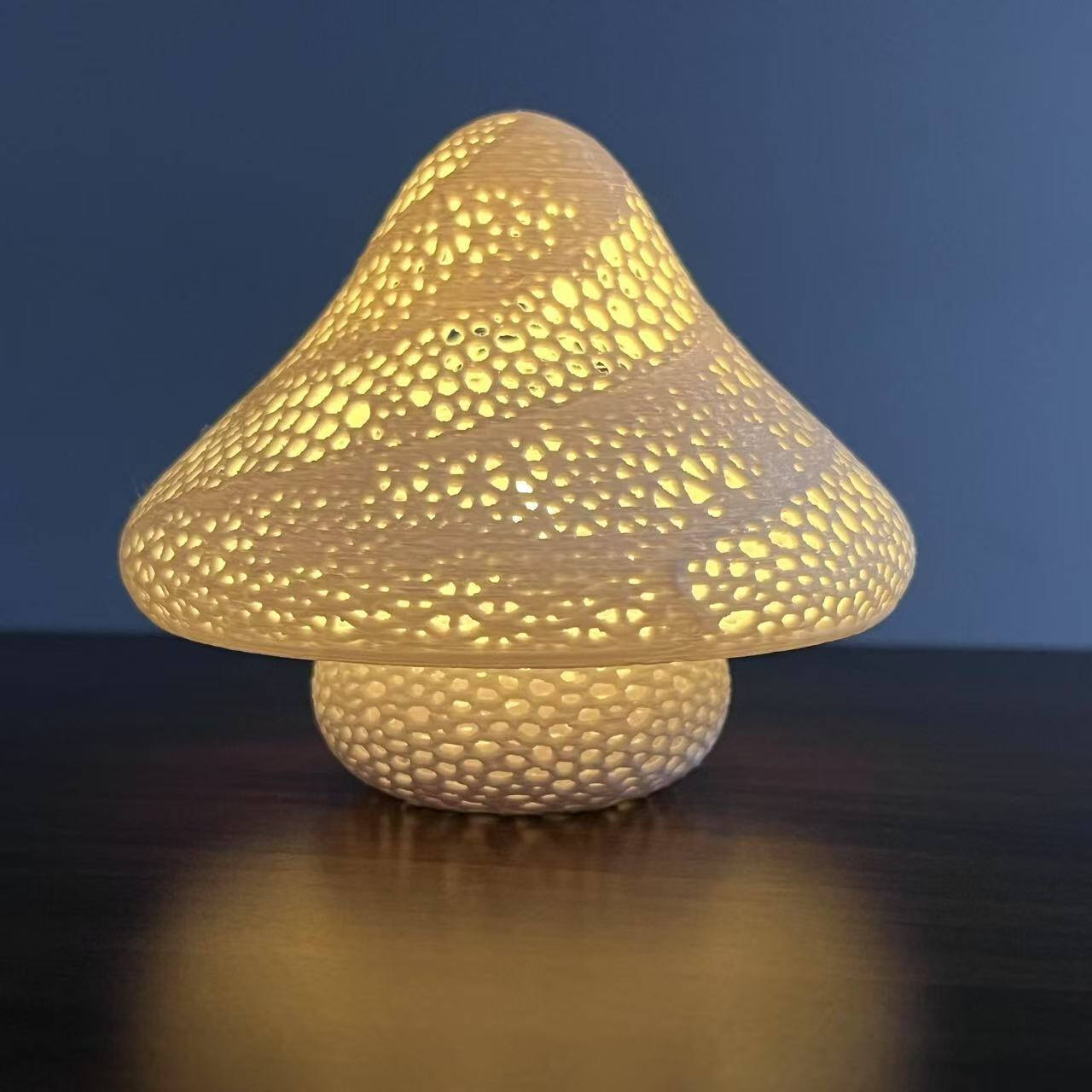
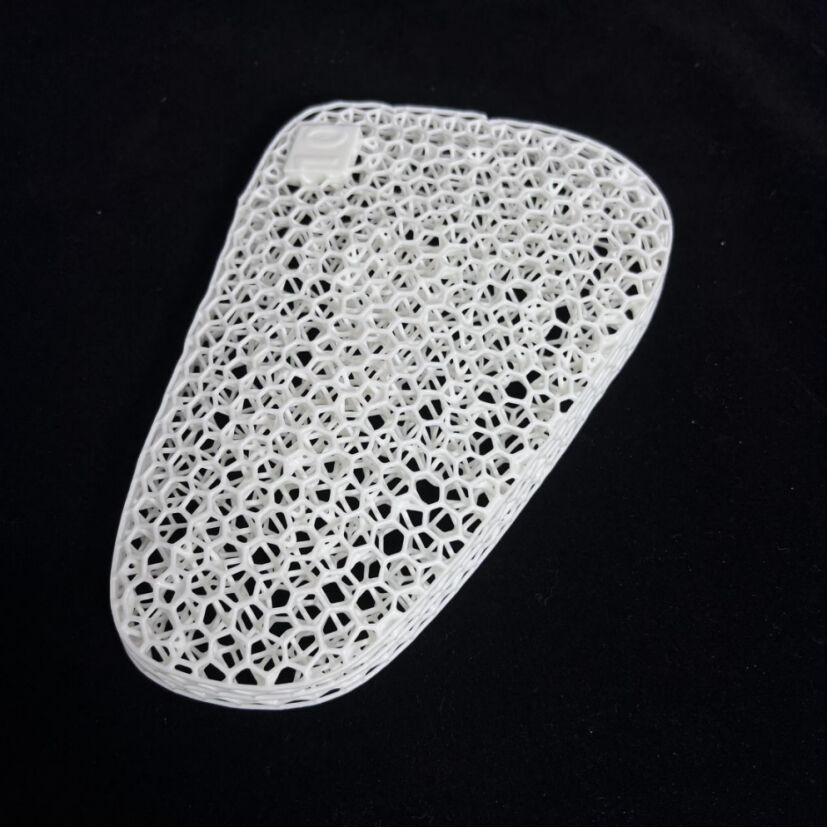
Laser sintering printers represent a groundbreaking advancement in additive manufacturing technology, offering a sophisticated approach to creating three-dimensional objects from digital designs. These innovative machines employ high-powered lasers to selectively fuse powdered materials, typically plastics or metals, layer by layer until the desired object emerges. The process begins with a CAD file that's sliced into thin layers, each serving as a blueprint for the laser to follow. As the printer operates, a roller spreads a thin layer of powder across the build platform, and the laser precisely melts specific areas according to the digital design. This process repeats hundreds or thousands of times, with each new layer of powder being applied and selectively fused to the previous layers. The unsintered powder serves as support material during the build, eliminating the need for additional support structures. This technology enables the creation of complex geometries, internal channels, and intricate details that would be impossible to achieve through traditional manufacturing methods. The versatility of laser sintering allows for the production of both prototype parts and end-use products, making it invaluable across industries such as aerospace, automotive, medical, and consumer goods manufacturing.


Popular Products

Laser sintering printers offer numerous compelling advantages that set them apart in the manufacturing landscape. First and foremost, they provide unparalleled design freedom, allowing engineers and designers to create complex geometries without the constraints of traditional manufacturing methods. This includes the ability to produce parts with internal channels, lattice structures, and organic shapes that would be impossible or prohibitively expensive to make using conventional techniques. The technology excels in producing custom, one-off pieces as efficiently as small batch production runs, eliminating the need for expensive tooling or molds. This flexibility makes it particularly cost-effective for prototyping and low-volume production. Material versatility is another significant advantage, as these printers can work with a wide range of materials, including various plastics, metals, and ceramics. The powder bed fusion process ensures that parts have consistent mechanical properties in all directions, resulting in robust and reliable components. The absence of required support structures, thanks to the surrounding unfused powder, reduces post-processing time and material waste. Additionally, laser sintering enables part consolidation, where multiple components can be combined into a single, more efficient design, reducing assembly time and improving product reliability. The technology also offers quick turnaround times, as parts can be produced directly from CAD files without the need for tooling preparation or complex setup procedures. This rapid production capability, combined with the ability to nest multiple parts in a single build, makes laser sintering an efficient solution for various manufacturing needs.

Practical Tips

Unlocking the Potential of SLS 3D Printing: The Role of PA12 and PA12+GF30 in Advanced Manufacturing

19

Jun

Unlocking the Potential of SLS 3D Printing: The Role of PA12 and PA12+GF30 in Advanced Manufacturing

View More
3D Printing Empowers Embodied AI: Reshaping the Paradigm of Customized, Small-Batch Production for Humanoid Robots

19

Jun

3D Printing Empowers Embodied AI: Reshaping the Paradigm of Customized, Small-Batch Production for Humanoid Robots

View More
3D Printing & Rapid Prototyping: Transforming Small-Batch, Customized Production

19

Jun

3D Printing & Rapid Prototyping: Transforming Small-Batch, Customized Production

View More

Get a Free Quote

Our representative will contact you soon.
Email
Name
Company Name
Message
0/1000

laser sintering printer

Unprecedented Design Freedom and Complexity

Unprecedented Design Freedom and Complexity

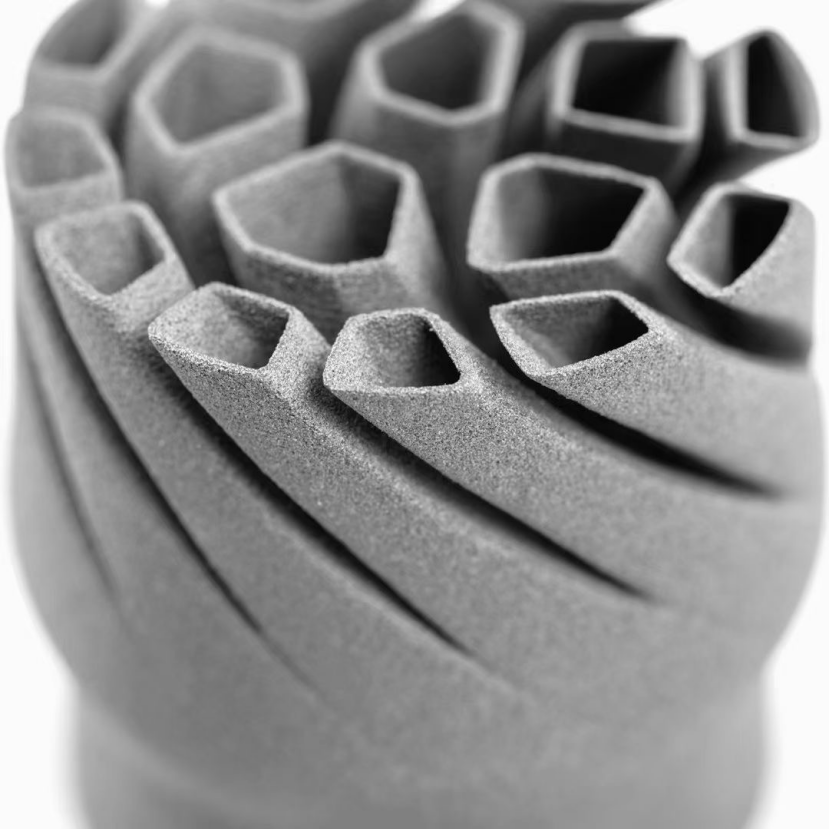
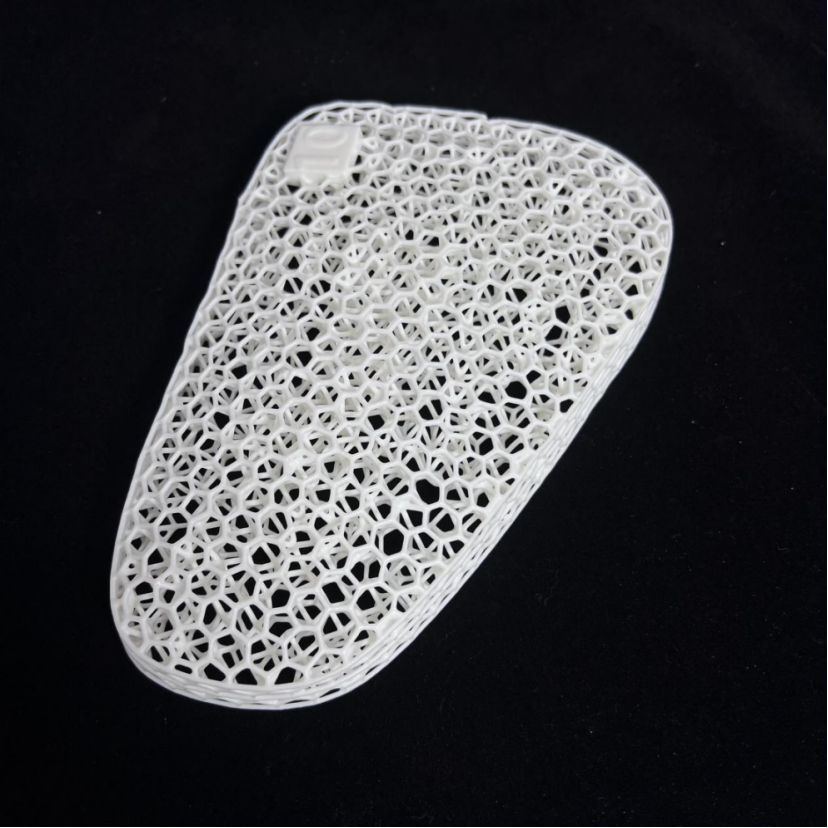
Laser sintering technology revolutionizes manufacturing by removing traditional design constraints, enabling the creation of components with previously impossible geometries. This capability allows engineers to optimize part designs for performance rather than manufacturability. The system can produce intricate internal channels, complex lattice structures, and organic shapes that would be unachievable through conventional manufacturing methods. This design freedom extends to the creation of topology-optimized parts, where material is placed only where it's needed for structural integrity, resulting in lighter yet stronger components. The ability to produce such complex geometries without additional cost penalties opens new possibilities in various industries, from lightweight aerospace components to custom medical implants tailored to patient anatomy.
Material Efficiency and Sustainability

Material Efficiency and Sustainability

The laser sintering process demonstrates remarkable material efficiency through its unique powder bed fusion approach. Unlike subtractive manufacturing methods that waste material through cutting and machining, laser sintering uses only the necessary amount of material to create parts. The unfused powder surrounding the parts during production can be recycled and reused in subsequent builds, significantly reducing waste. This efficient material usage not only reduces costs but also contributes to environmental sustainability. The technology's ability to create optimized designs with minimal material usage further enhances its environmental benefits, as parts can be designed with reduced weight and material content while maintaining or improving performance characteristics.
Rapid Production and Manufacturing Flexibility

Rapid Production and Manufacturing Flexibility

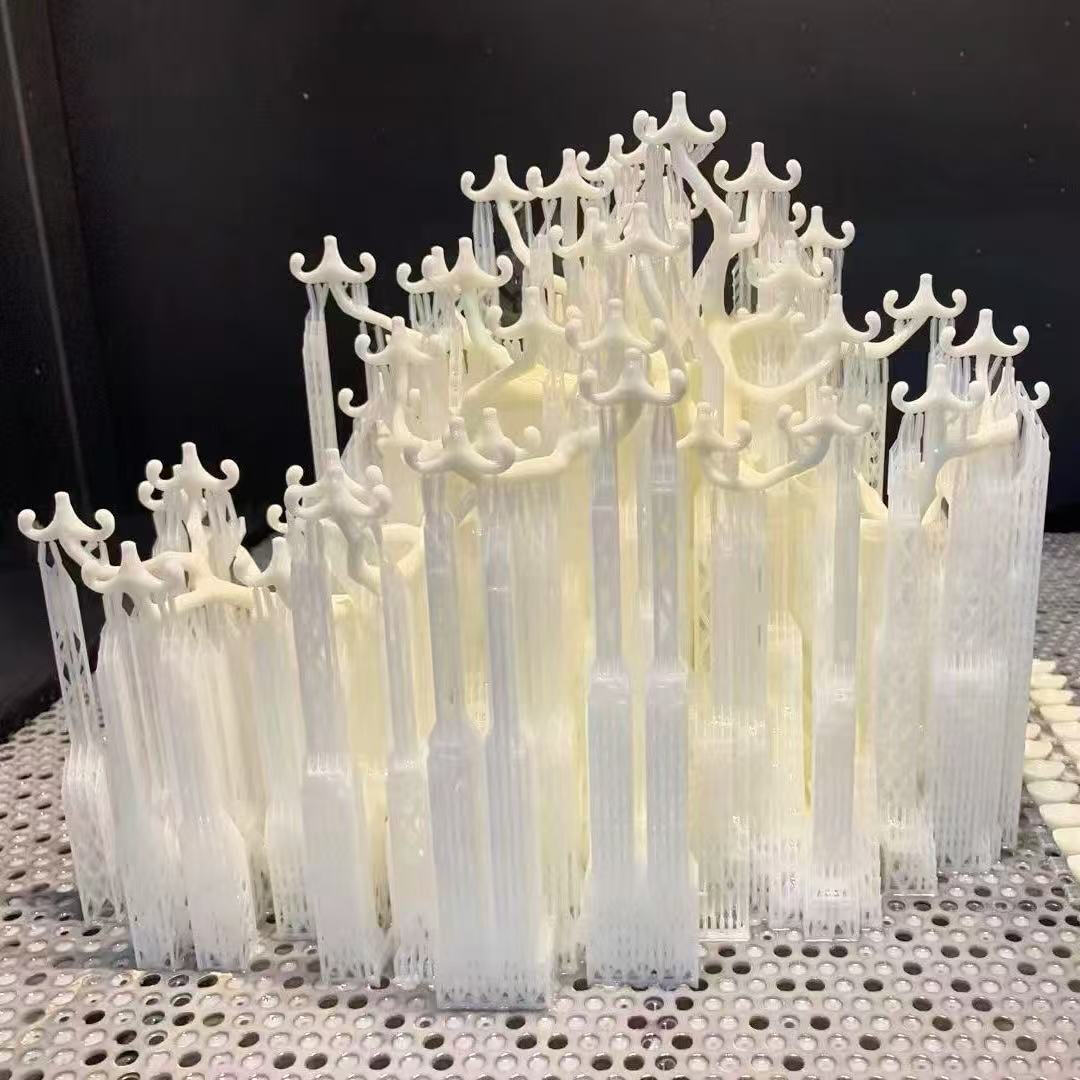
One of the most significant advantages of laser sintering technology is its ability to transition seamlessly from prototyping to production without requiring additional tooling or setup changes. This flexibility allows manufacturers to respond quickly to market demands and design iterations. The system can produce multiple different parts simultaneously in a single build, maximizing production efficiency. The digital nature of the process enables on-demand manufacturing, eliminating the need for large inventory storage and reducing associated costs. This rapid production capability, combined with the ability to quickly switch between different designs and materials, makes laser sintering an ideal solution for companies seeking to maintain competitive advantage through agile manufacturing practices.

Get a Free Quote

Our representative will contact you soon.
Email
Name
Company Name
Message
0/1000