sintering 3d printing
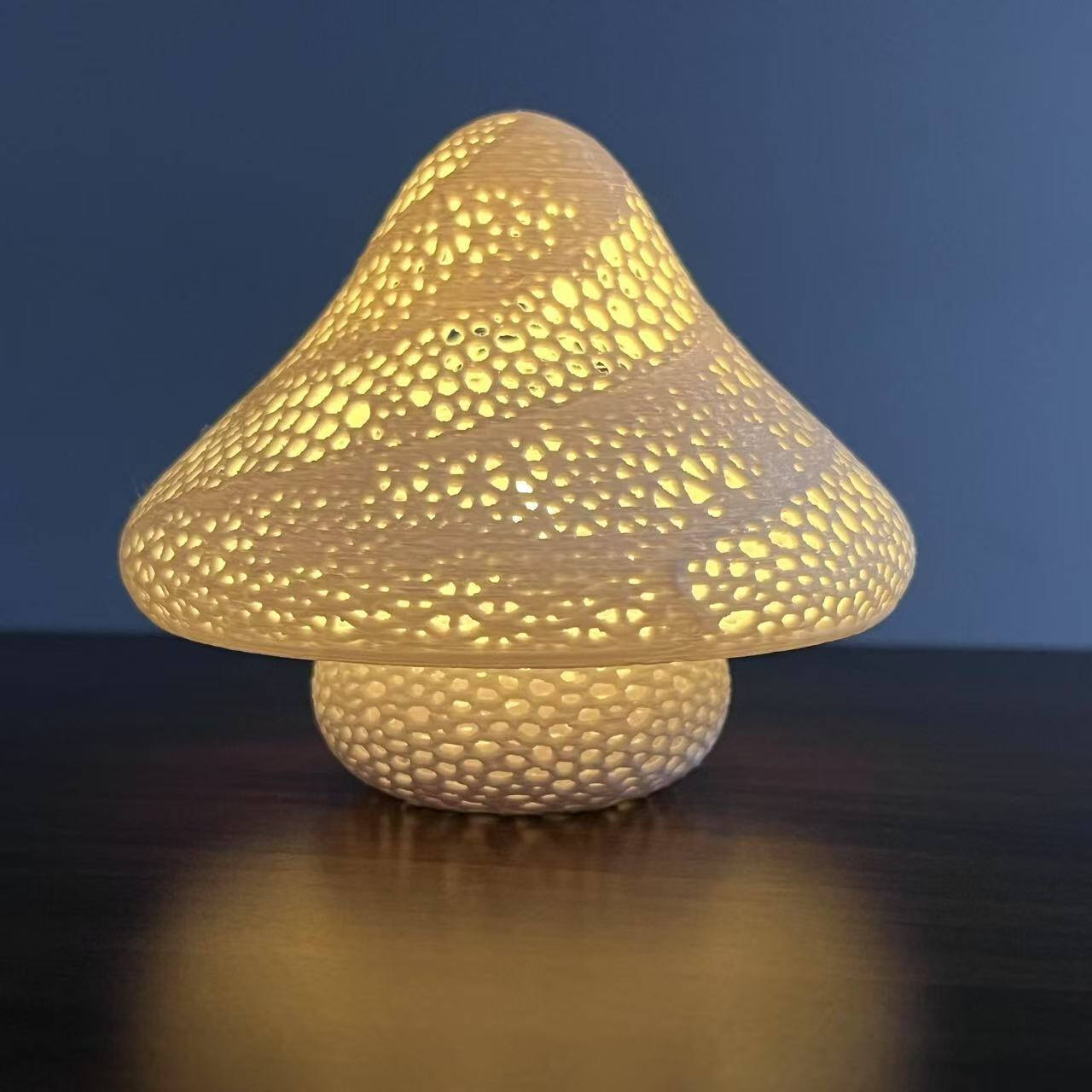
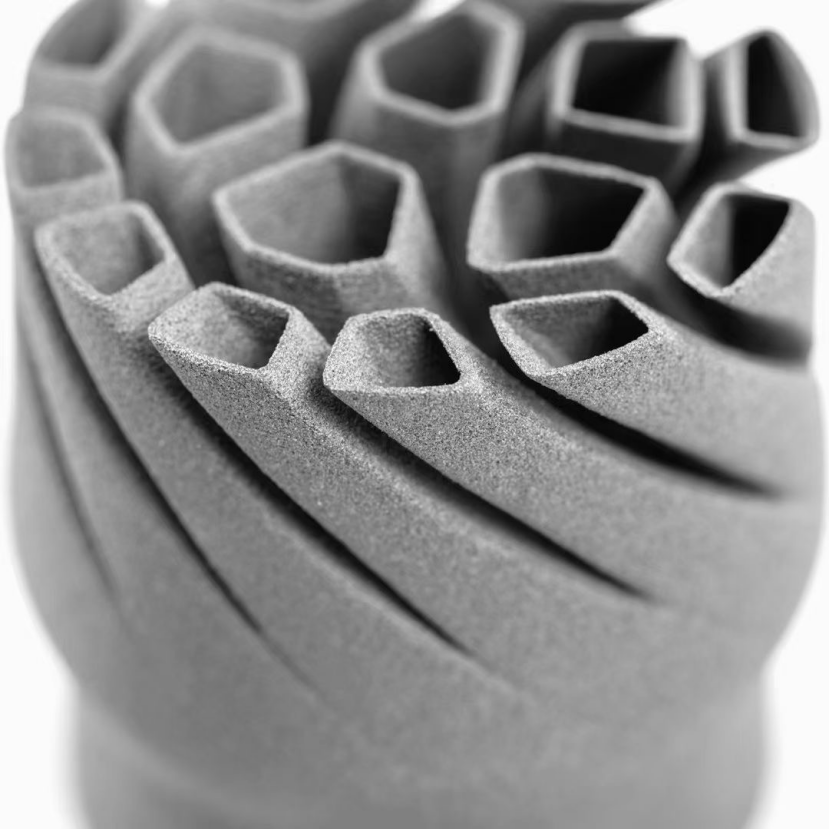
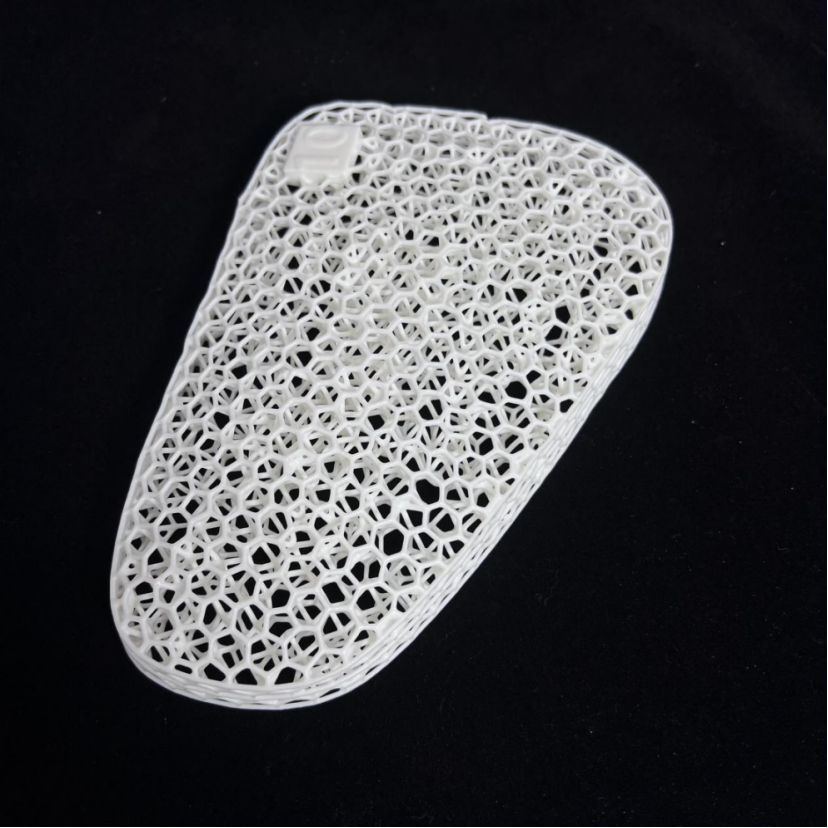
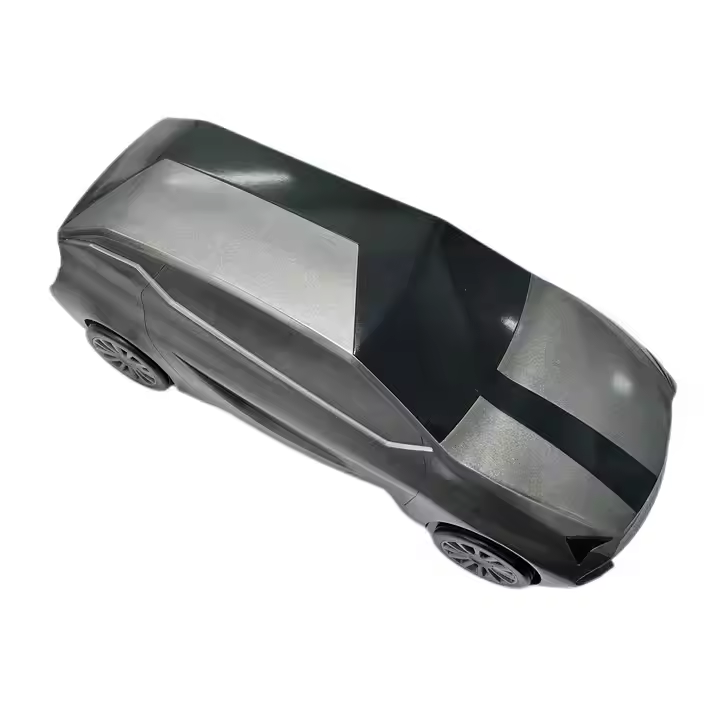
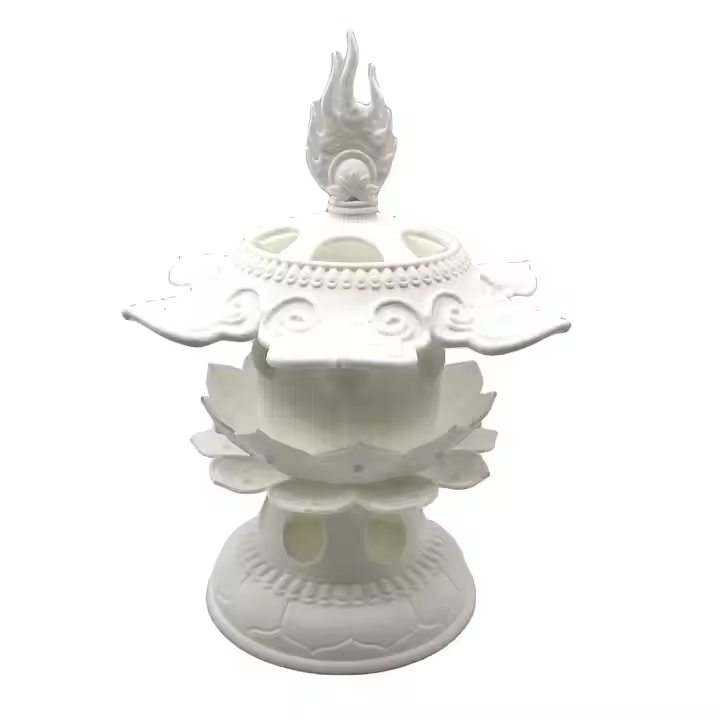
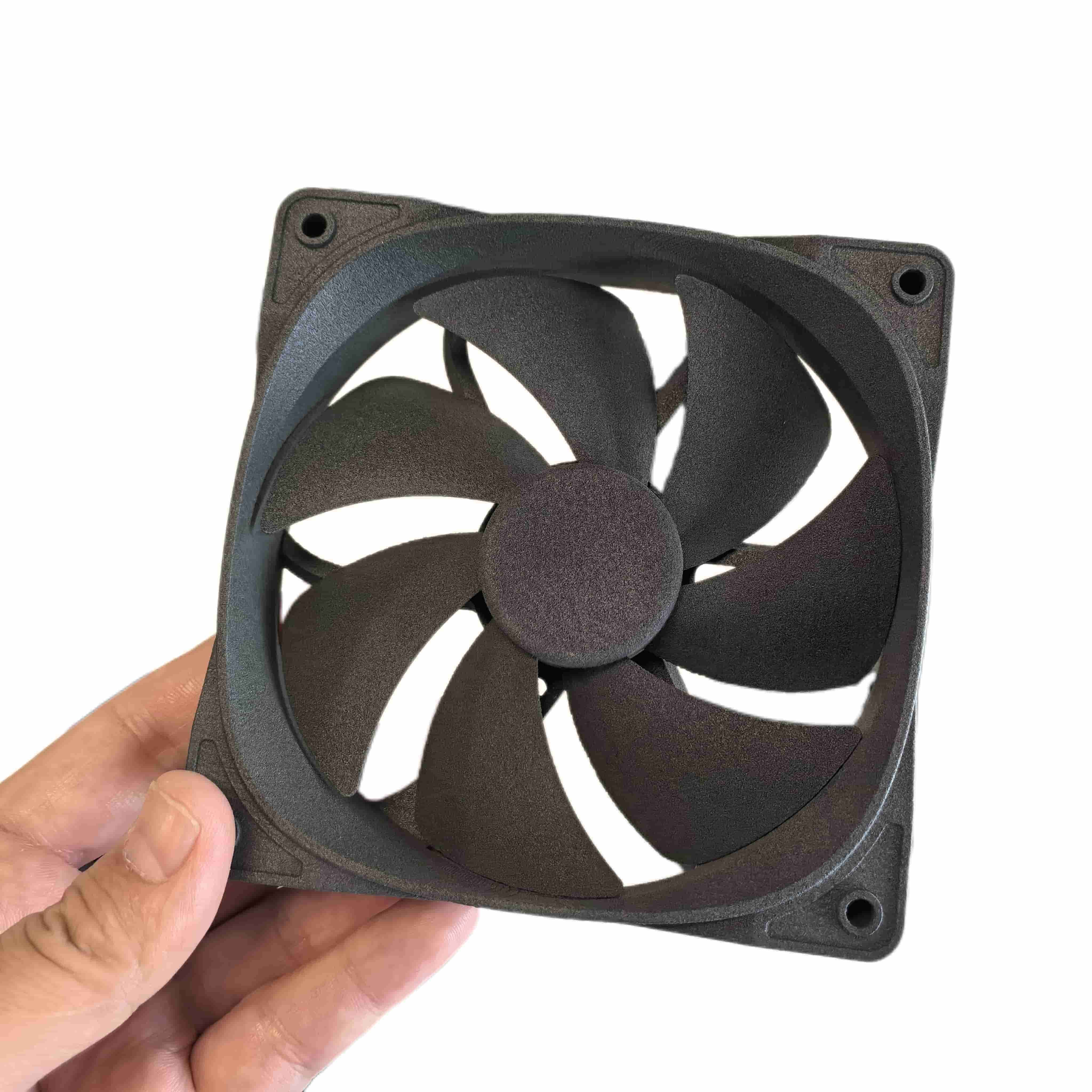
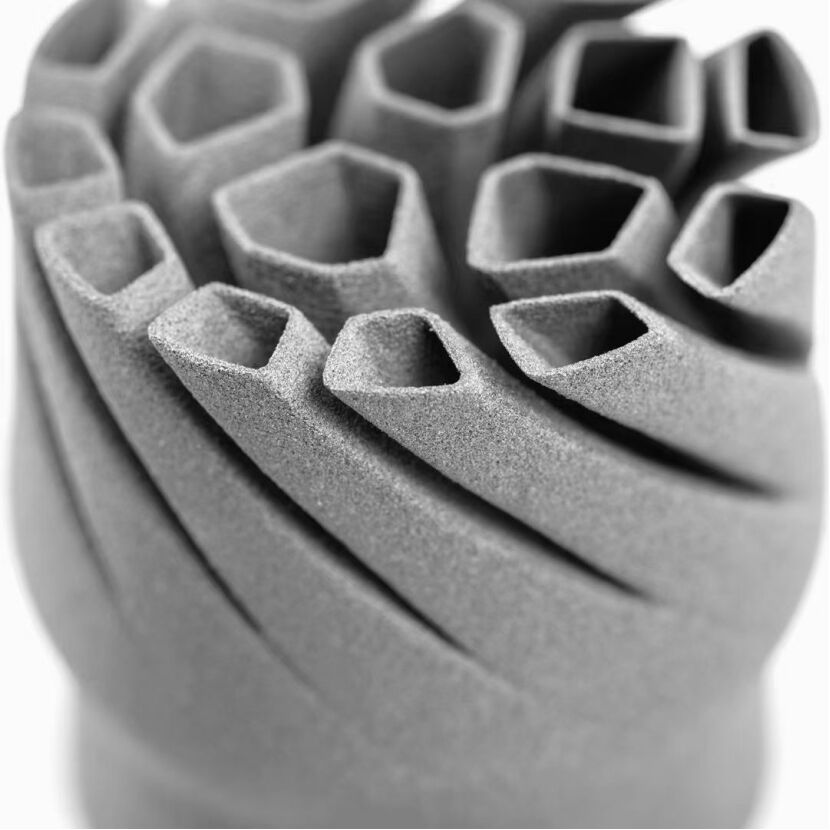
Sintering 3D printing, also known as Selective Laser Sintering (SLS), represents a groundbreaking additive manufacturing technology that uses high-powered lasers to fuse powdered materials into solid three-dimensional objects. This advanced process works by spreading a thin layer of powder material across a build platform, where a precise laser beam selectively fuses the particles according to the digital design. The build platform then lowers incrementally, and another layer of powder is spread, continuing the process until the complete object emerges. What sets sintering apart is its ability to create complex geometries without requiring support structures, as the unfused powder naturally supports the part during printing. The technology accommodates a wide range of materials, including various plastics, metals, and ceramics, making it versatile for numerous applications. In industrial settings, sintering 3D printing has become instrumental in producing functional prototypes, end-use parts, and small-batch manufacturing runs. The technology excels in creating parts with excellent mechanical properties, high accuracy, and consistent quality across productions. Its applications span multiple industries, from aerospace and automotive to medical devices and consumer goods manufacturing.

 EN
EN