Sintering 3D Printers: Advanced Manufacturing Solution for Complex, High-Performance Parts

All Categories

Get a Free Quote

Our representative will contact you soon.
Email
Name
Company Name
Message
0/1000

sintering 3d printer

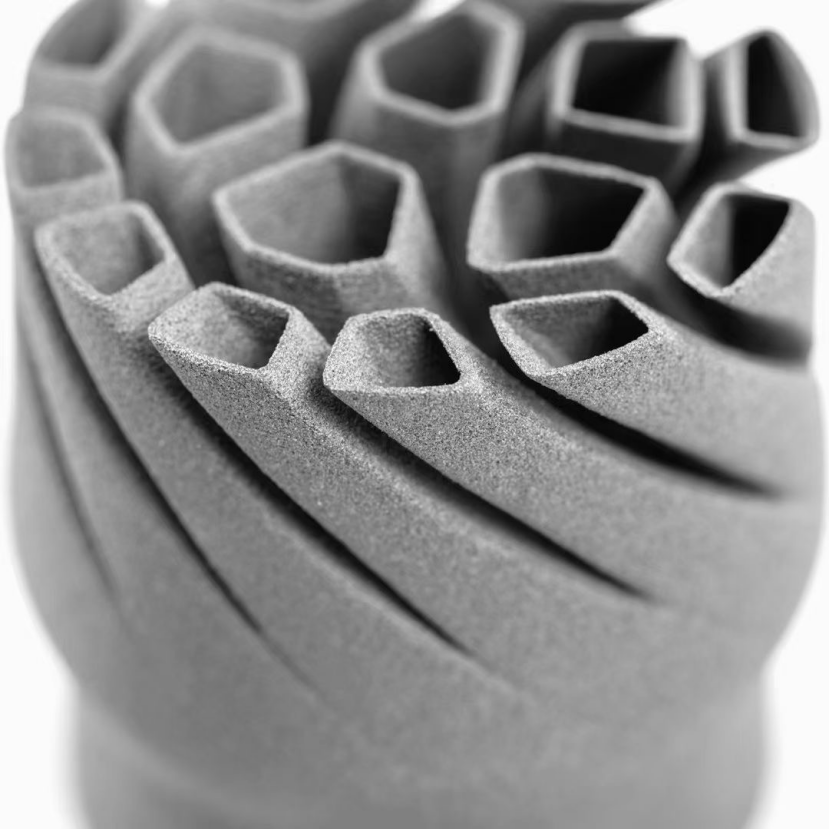
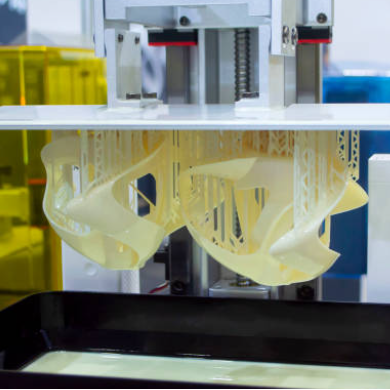
A sintering 3D printer represents a groundbreaking advancement in additive manufacturing technology, utilizing high-powered lasers or other heat sources to selectively fuse powder materials into solid, three-dimensional objects. This sophisticated manufacturing process, known as selective laser sintering (SLS), enables the creation of complex geometries with remarkable precision and consistency. The printer works by spreading a thin layer of powder material across a build platform, where a laser precisely traces the cross-section of the object, heating the powder to just below its melting point. This causes the particles to fuse together, creating a solid layer. The build platform then lowers incrementally, and another layer of powder is spread across the surface. This process continues layer by layer until the entire object is complete. The technology supports a wide range of materials, including various polymers, metals, and ceramics, making it versatile for numerous applications across industries. What sets sintering 3D printers apart is their ability to produce parts with excellent mechanical properties, high accuracy, and no need for support structures, as the unfused powder acts as support during the building process. The technology finds extensive use in aerospace, automotive, medical, and industrial applications, where complex geometries and high-performance materials are essential.


New Product Releases

Sintering 3D printers offer numerous compelling advantages that make them increasingly popular in modern manufacturing. First and foremost, they provide unparalleled design freedom, allowing for the creation of complex geometries that would be impossible or prohibitively expensive to produce using traditional manufacturing methods. The technology excels in producing functional parts with exceptional mechanical properties, making them suitable for end-use applications. Unlike other 3D printing methods, sintering doesn't require support structures, as the unfused powder supports the part during printing, enabling the creation of intricate internal features and reducing post-processing requirements. The process is highly efficient in terms of material usage, as unused powder can be recycled for future prints, making it more environmentally sustainable and cost-effective in the long run. These printers also offer excellent scalability, allowing for the simultaneous production of multiple parts in a single build, significantly improving production efficiency. The technology supports a diverse range of materials, from engineering plastics to metals, providing flexibility in material selection based on specific application requirements. Quality consistency is another major advantage, as the sintering process produces parts with uniform properties throughout, ensuring reliability and repeatability. The absence of tooling requirements makes sintering 3D printers ideal for both prototyping and small-batch production, offering quick turnaround times and cost-effective solutions for specialized parts. Additionally, the technology enables the creation of lightweight yet strong structures through design optimization, contributing to improved product performance and reduced material consumption.

Tips And Tricks

Unlocking the Potential of SLS 3D Printing: The Role of PA12 and PA12+GF30 in Advanced Manufacturing

19

Jun

Unlocking the Potential of SLS 3D Printing: The Role of PA12 and PA12+GF30 in Advanced Manufacturing

View More
3D Printing Empowers Embodied AI: Reshaping the Paradigm of Customized, Small-Batch Production for Humanoid Robots

19

Jun

3D Printing Empowers Embodied AI: Reshaping the Paradigm of Customized, Small-Batch Production for Humanoid Robots

View More
3D Printing & Rapid Prototyping: Transforming Small-Batch, Customized Production

19

Jun

3D Printing & Rapid Prototyping: Transforming Small-Batch, Customized Production

View More

Get a Free Quote

Our representative will contact you soon.
Email
Name
Company Name
Message
0/1000

sintering 3d printer

Superior Material Properties and Versatility

Superior Material Properties and Versatility

Sintering 3D printers excel in producing parts with exceptional material properties, rivaling and often surpassing traditionally manufactured components. The sintering process creates strong molecular bonds between particles, resulting in parts with excellent mechanical strength, durability, and chemical resistance. This technology supports an extensive range of materials, including engineering-grade polymers, metals, and ceramics, each carefully optimized for specific applications. The ability to work with such diverse materials enables manufacturers to choose the exact properties needed for their applications, whether it's heat resistance, flexibility, or chemical compatibility. The sintering process also allows for the creation of composite materials, combining different powders to achieve unique property combinations that aren't possible with traditional manufacturing methods.
Cost-Effective Production and Material Efficiency

Cost-Effective Production and Material Efficiency

The economic advantages of sintering 3D printing are particularly noteworthy in today's competitive manufacturing landscape. The technology's powder-bed fusion process is inherently efficient, with minimal material waste as unused powder can be recycled for subsequent prints. This recycling capability significantly reduces material costs and environmental impact, making it a sustainable choice for modern manufacturing. The absence of required support structures further enhances material efficiency and reduces post-processing time and costs. The technology enables cost-effective production of complex parts that would otherwise require expensive tooling or multiple manufacturing steps, making it particularly valuable for small to medium production runs. The ability to nest multiple parts in a single build volume maximizes production efficiency and reduces per-part costs.
Design Freedom and Functional Integration

Design Freedom and Functional Integration

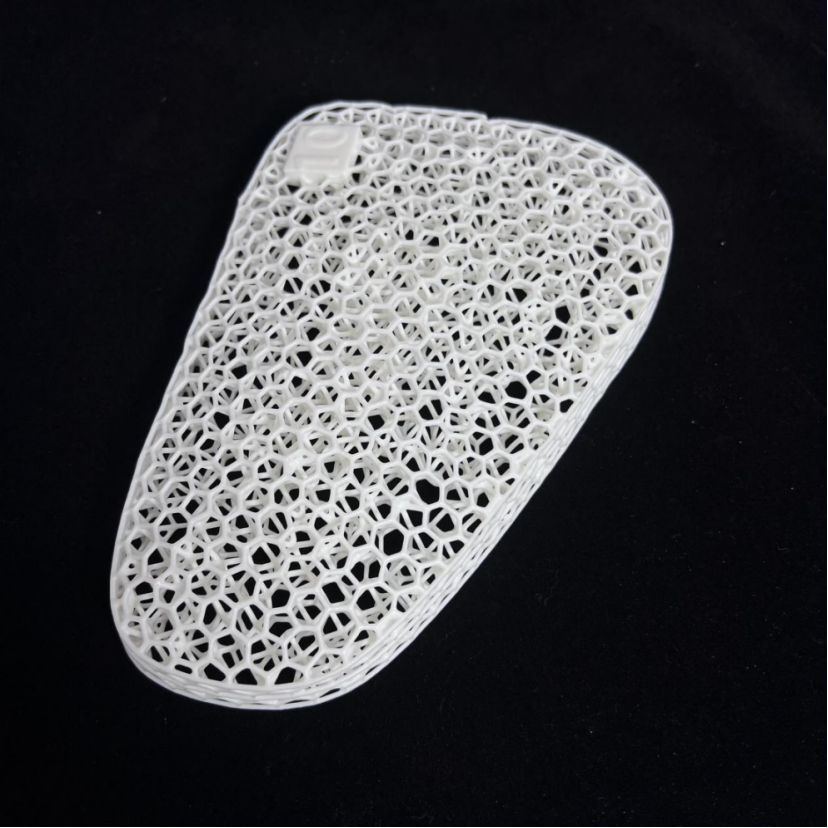
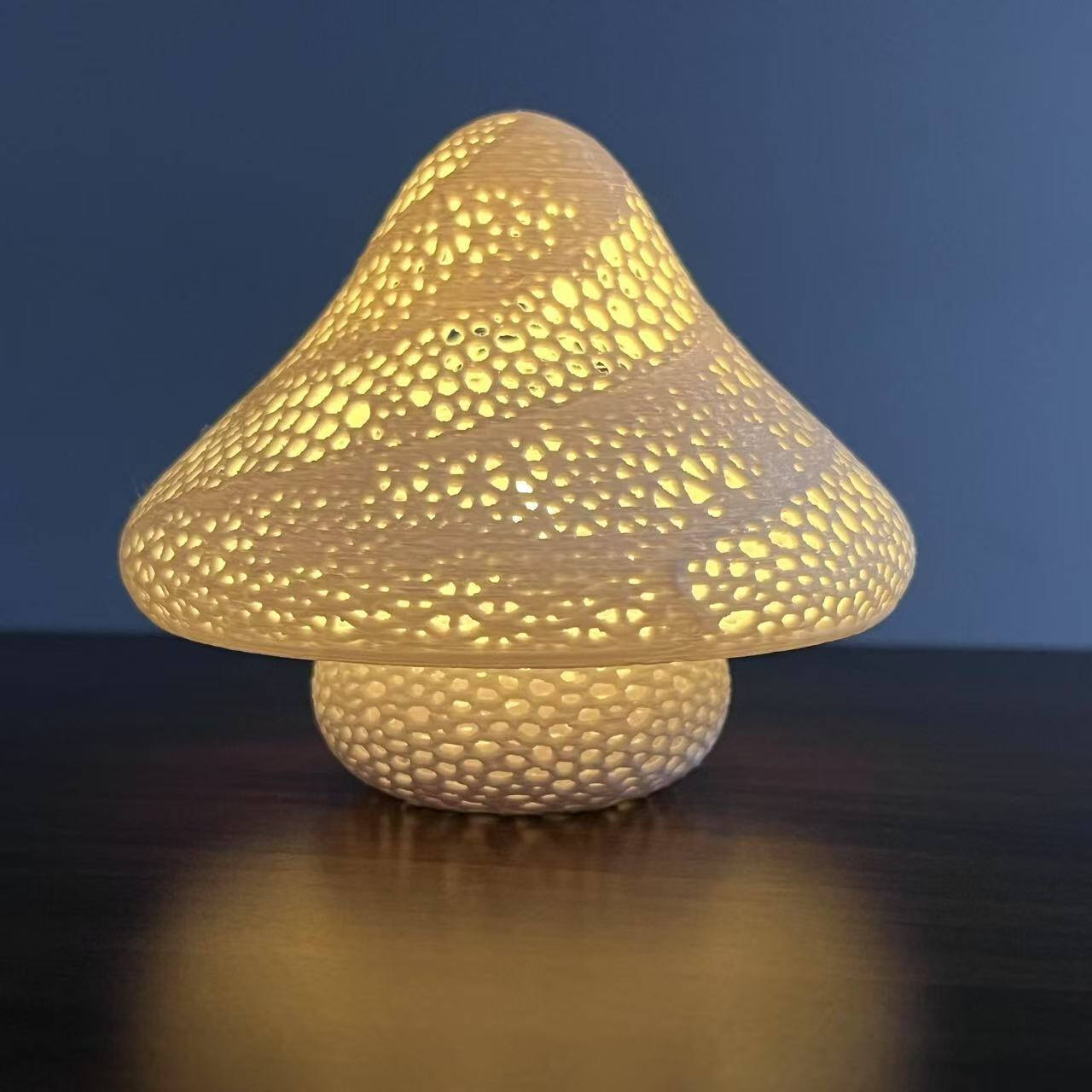
Sintering 3D printers offer unprecedented design freedom, enabling engineers and designers to create optimized parts that were previously impossible to manufacture. The technology excels in producing complex geometries, including internal channels, lattice structures, and organic shapes, without the limitations of traditional manufacturing methods. This design freedom allows for part consolidation, where multiple components can be combined into a single, more efficient design, reducing assembly time and improving reliability. The ability to create intricate internal structures enables the optimization of weight and strength, resulting in parts that are lighter yet maintain their structural integrity. Furthermore, the technology supports the integration of functional features directly into parts, such as built-in hinges, snap-fits, and fluid channels, eliminating the need for additional assembly steps.

Get a Free Quote

Our representative will contact you soon.
Email
Name
Company Name
Message
0/1000