Sintered Metal 3D Printing: Advanced Manufacturing for Complex Metal Components

All Categories

Get a Free Quote

Our representative will contact you soon.
Email
Name
Company Name
Message
0/1000

sintered metal 3d printing

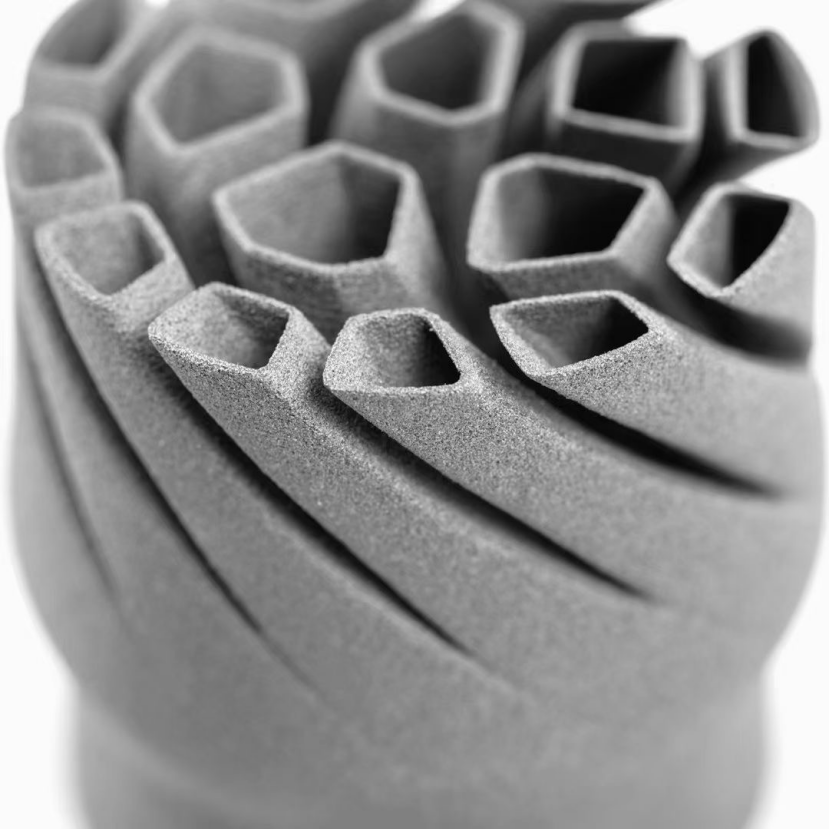
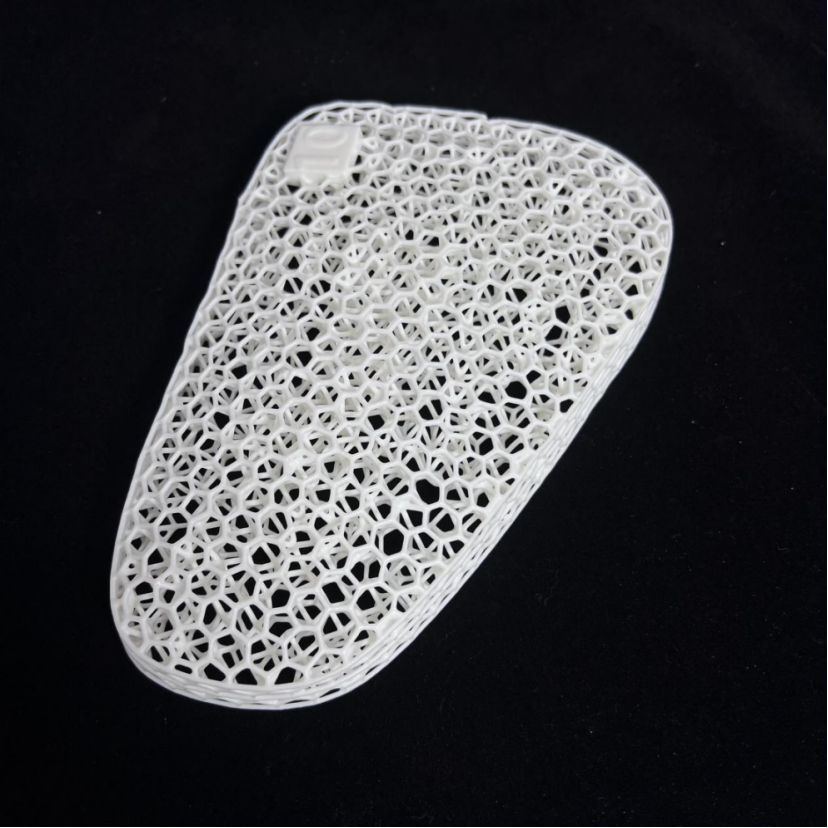
Sintered metal 3D printing represents a groundbreaking manufacturing process that combines the precision of additive manufacturing with the durability of traditional metallurgy. This innovative technology creates complex metal parts by selectively fusing metal powder particles layer by layer using high-powered lasers or electron beams. The process begins with a digital 3D model, which is sliced into thin layers. Metal powder is then spread across the build platform, and a laser or electron beam precisely melts and fuses the particles according to the design specifications. As each layer solidifies, a new layer of powder is applied, and the process continues until the complete part emerges. The resulting components undergo a sintering process in a controlled atmosphere furnace, where the metal particles bond at a molecular level, creating dense, strong, and functional parts. This technology enables the production of intricate geometries, internal channels, and complex structures that would be impossible or prohibitively expensive to manufacture using traditional methods. The process supports a wide range of metals, including titanium, stainless steel, aluminum, and nickel alloys, making it suitable for aerospace, medical, automotive, and industrial applications.


New Products

Sintered metal 3D printing offers numerous compelling advantages that set it apart from conventional manufacturing methods. First, it enables unprecedented design freedom, allowing engineers to create optimized parts with complex internal structures, conformal cooling channels, and integrated functions that enhance performance while reducing weight. This design flexibility leads to improved product efficiency and reduced material waste. The technology also excels in producing small batch sizes and customized parts cost-effectively, eliminating the need for expensive tooling or molds. The rapid prototyping capabilities accelerate product development cycles, enabling companies to move from concept to functional metal parts in days rather than weeks or months. Quality control is enhanced through digital process monitoring and precise parameter control, ensuring consistent part properties and reducing defect rates. The ability to consolidate multiple components into a single printed part simplifies assembly processes and improves reliability. Additionally, the technology supports on-demand manufacturing, reducing inventory costs and enabling decentralized production networks. The metal properties achieved through sintering often match or exceed those of traditionally manufactured parts, making this process suitable for critical applications. Environmental benefits include reduced material waste, lower energy consumption compared to traditional subtractive manufacturing, and the ability to use recycled metal powders.

Latest News

Unlocking the Potential of SLS 3D Printing: The Role of PA12 and PA12+GF30 in Advanced Manufacturing

19

Jun

Unlocking the Potential of SLS 3D Printing: The Role of PA12 and PA12+GF30 in Advanced Manufacturing

View More
3D Printing Empowers Embodied AI: Reshaping the Paradigm of Customized, Small-Batch Production for Humanoid Robots

19

Jun

3D Printing Empowers Embodied AI: Reshaping the Paradigm of Customized, Small-Batch Production for Humanoid Robots

View More
3D Printing & Rapid Prototyping: Transforming Small-Batch, Customized Production

19

Jun

3D Printing & Rapid Prototyping: Transforming Small-Batch, Customized Production

View More

Get a Free Quote

Our representative will contact you soon.
Email
Name
Company Name
Message
0/1000

sintered metal 3d printing

Advanced Material Properties and Customization

Advanced Material Properties and Customization

Sintered metal 3D printing delivers exceptional material properties through precise control of the sintering process. The technology enables fine-tuning of density, strength, and microstructure characteristics to meet specific application requirements. Engineers can optimize the printing parameters to achieve desired mechanical properties, such as improved fatigue resistance, thermal conductivity, or corrosion resistance. The ability to create gradient materials and functionally graded structures opens new possibilities for component design and performance enhancement. This level of material customization is particularly valuable in aerospace and medical applications, where specific material properties are crucial for safety and functionality.
Cost-Effective Production Flexibility

Cost-Effective Production Flexibility

The economic advantages of sintered metal 3D printing become particularly evident in low to medium volume production scenarios. The elimination of tooling costs and the ability to modify designs without additional setup expenses make it an attractive option for manufacturers. The technology enables rapid design iterations and prototyping, significantly reducing time-to-market for new products. The digital nature of the process allows for easy design modifications and quick production switches, providing manufacturers with unprecedented flexibility in responding to market demands. This adaptability extends to spare parts manufacturing, where companies can maintain digital inventories rather than physical stock.
Sustainable Manufacturing Solution

Sustainable Manufacturing Solution

Sintered metal 3D printing represents a sustainable approach to manufacturing by significantly reducing material waste compared to traditional subtractive methods. The process uses only the necessary amount of metal powder, with unused powder being recycled for future prints. The ability to optimize part designs for light-weighting contributes to reduced material consumption and improved energy efficiency in end-use applications. Local manufacturing capabilities reduce transportation-related emissions and support a more sustainable supply chain. The technology's capacity to repair and remanufacture components extends product lifecycles and reduces the need for replacement parts, further contributing to environmental sustainability.

Get a Free Quote

Our representative will contact you soon.
Email
Name
Company Name
Message
0/1000